





惯性聚合 高效追踪和阅读你感兴趣的博客、新闻、科技资讯
阅读原文 在惯性聚合中打开

推荐订阅源

博客园 - 聂微东
GbyAI
GbyAI
S
SegmentFault 最新的问题
H
Hackread – Cybersecurity News, Data Breaches, AI and More
V
Visual Studio Blog
WordPress大学
WordPress大学
Hugging Face - Blog
Hugging Face - Blog
B
Blog
宝玉的分享
宝玉的分享
Last Week in AI
Last Week in AI
雷峰网
雷峰网
爱范儿
爱范儿
Vercel News
Vercel News
人人都是产品经理
人人都是产品经理
U
Unit 42
Microsoft Azure Blog
Microsoft Security Blog
Jina AI
Jina AI
P
Proofpoint News Feed
A
About on SuperTechFans
I
InfoQ
F
Fortinet All Blogs
L
LangChain Blog
T
Tailwind CSS Blog

Flight Plan News | The HinduBusinessLine

Boeing bids farewell to ‘Queen of the skies’ Why do planes dump excess fuel in the sky? Compliance with regulation: Staying ahead is key Why has private capital not been taken to Indian aviation Global shipping lines look skywards Why opening the emergency door mid-flight is not possible Reviving businesses will benefit from air cargo’s growth Air India’s roadmap can be tricky to pull off Navigating newer disruptions with maximum agility Why do plane crashes happen? Embraer expects capacity dynamics to tilt demand in its favour Post-pandemic, OTAs are coming of age Air infrastructure plans should be future-proof Airlines’ performance metrics may need an overhaul Why do planes leave a white trail behind them? 5 things Indian airlines must do to break their way out of pandemic blues Hope you never get into a ‘coffin corner’ while flying Mission to Net Zero: Aviation’s focus on making sustainable connections Blockchain: Piloting the future of aviation Chicken gun test: Saving jets from bird strikes Will Akasa Air’s contra bet on Boeing 737 Max instead of Airbus pay off? Slots scarcity hits Indian airlines’ flight roadmap Cabin crew with an invisible cape Yoke vs. sidestick: Jury still out on what works best for pilots Redressing flaws: IndiGo needs to tweak its way The art of avoiding accidents in air Travel now, pay later Thrust reversal in aircraft Regaining momentum during turbulent times Mishandled baggage rates spike
How do commercial aircraft navigate?
By Our Bureau · 2022-10-02 · via Flight Plan News | The HinduBusinessLine
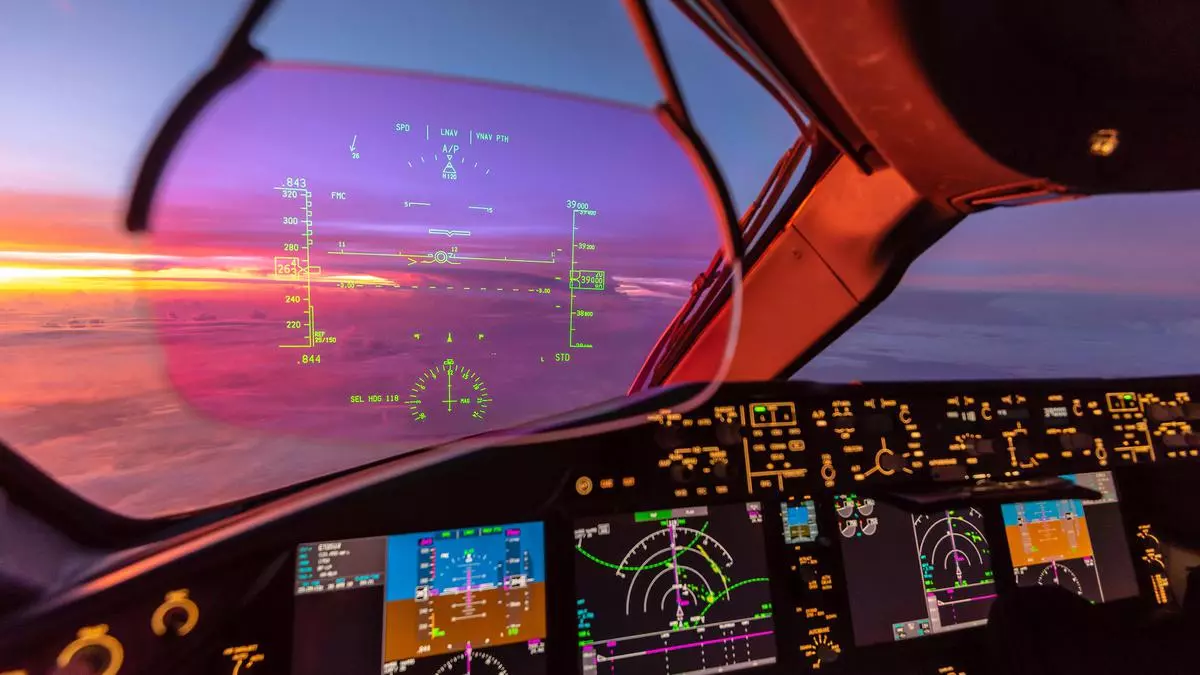
FMS: Creates a moving map of the flight route

FMS: Creates a moving map of the flight route

Airliners navigate utilising GPS, Radio Aids, and onboard Inertial Reference Systems. The systems vary in precision, with GPS being the most accurate (like a car’s Sat Nav). Still, internal navigation systems don’t utilise external references and radio beacon receivers used for specific phases of flight, such as departure, arrival, and approach.

Before takeoff, pilots load a specified route into the Flight Management System or Computer (FMS) or (FMC). This creates a moving map of the flight route that pilots can monitor on their screens. Pilots can view other airports, aircraft, high terrain, and poor weather on their screens. The aircraft’s navigation systems compare its location to the predetermined itinerary. They include: The GPS, the IRS, RADAR

Global Positioning System (GPS)

The aeroplane monitors its GPS position as one of its key navigation sources. This is the most accurate navigation system on current commercial aircraft, allowing manoeuvres down to 0.1 nautical miles. If the aircraft's receivers fail or the GPS/satellites go offline, it can still navigate reasonably.

Inertial Reference System (IRS)

The IRS can track an aircraft’s position without an external reference. Accelerometers and gyroscopes calculate aircraft movement and acceleration along all the three axes. At the beginning of the trip, when the pilots are setting the aircraft up, readying the flight, the crew tells the IRS, the aircraft’s latitude and longitude. It then senses acceleration along any axis and estimates the aircraft’s position. It needs only to know where the plane is before take-off. It is not as accurate as GPS, but it allows the aircraft to navigate with respectable accuracy if all other navigation references are lost.

RADAR

Radio beacons on land send out radio beams that signal aircraft range and direction. This lets the plane’s computers calculate its location. More radio signals mean more accurate position estimates.

Source: HowStuffWorks & flightdeckfriend.com

Published on October 2, 2022