


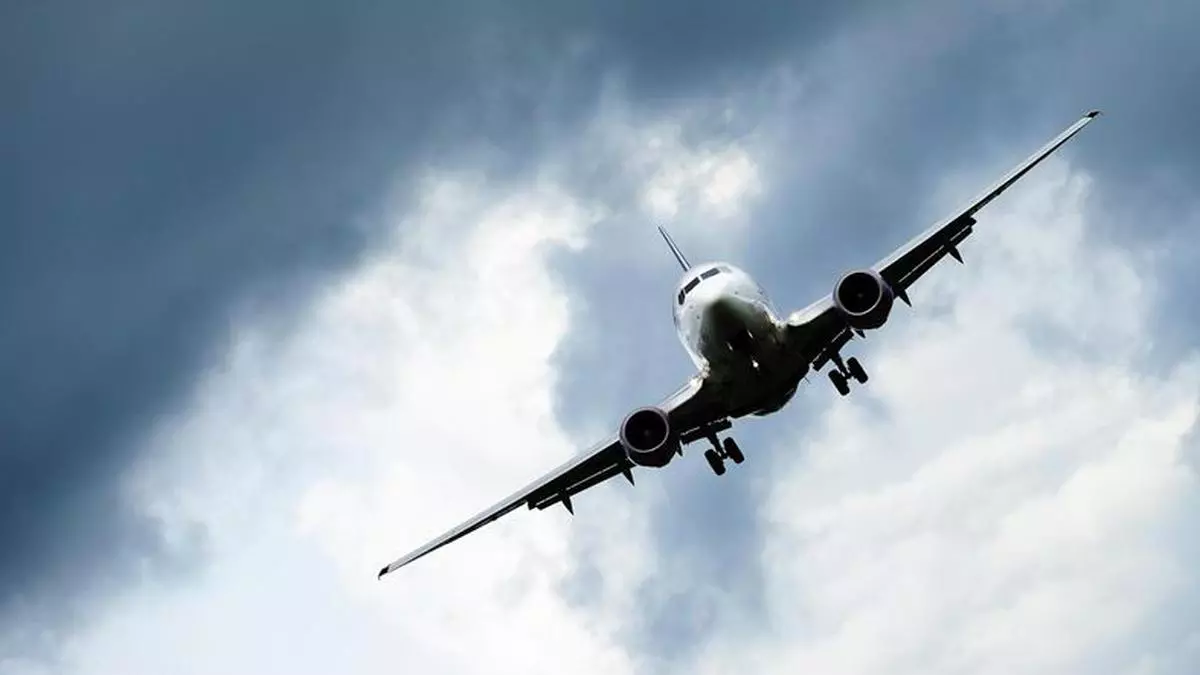
The flight can no longer maintain the altitude during this condition
One can get into a coffin not just on the ground but also while flying.
If a passenger jet flies too high, it reaches a point called ‘Coffin Corner’ aka the Q corner. It is a term used to describe a condition at a high altitude when the maximum speed (limited by the spreading of supersonic shock waves) and the minimum (limited by the amount of air passing over the wing) are nearly the same.
This situation occurs when the aircraft’s low-speed stall and high-speed buffet meet, and the plane can no longer maintain its altitude, which forces it to descend. A low-speed stall occurs when there is not enough air passing over the wing to keep the aircraft flying, and a high-speed buffet is where the air over the wing is going fast enough the cause a shockwave which can lead to aircraft control issues.
For a regular passenger jet, this occurs at around 40,000 ft-45,000 ft, but, according to flightdeckfriend.com, it can be higher or lower depending on the aircraft’s weight and environmental conditions. At the altitude at which coffin corner occurs, the plane can’t speed up, slow down or climb; the only way to keep the aircraft flying safely is to reduce the altitude and go down.
Three factors limit the maximum altitude of a passenger aircraft, and any of these factors can be the limiting one on any given day depending on air temperature and aircraft weight.
These include engine thrust, cabin pressure differential and aerodynamic altitude. As the air at a high altitude is very thin, at a certain altitude, not enough air can pass through the engine to produce enough thrust for the aircraft to keep climbing. In addition, the higher the aircraft flies, the higher the pressure difference between inside the cabin and the outside the environment. However, a margin of safety is applied to ensure the coffin corner is never reached. Typically, a 1.3g margin determines the aircraft’s maximum aerodynamic altitude. So, passengers don’t have to worry as the pilots are trained not to fly into that zone.
Source: USA Today & flightdeckfriend.com
Published on August 21, 2022
此内容由惯性聚合(RSS阅读器)自动聚合整理,仅供阅读参考。 原文来自 — 版权归原作者所有。