





We’re pleased to share that we are expanding our Experience AI programme to Australia and Aotearoa New Zealand to train 5000 educators who can reach 150,000 students by 2028, thanks to generous funding of $1.2 million from Google.org.
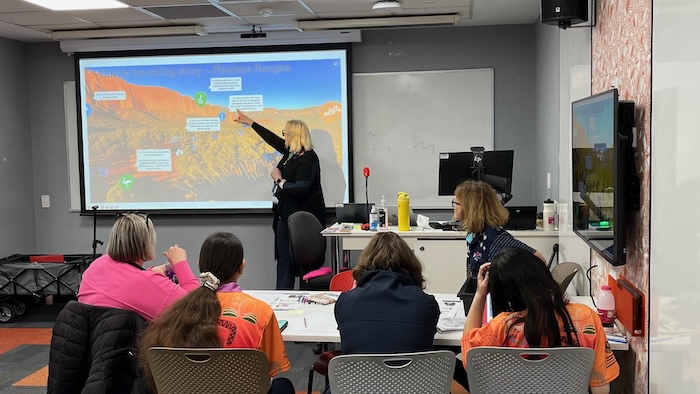
Working with local education organisations, we will support young people to develop a foundational understanding of AI technologies, their social and ethical implications, and the role that AI can play in their lives.
AI systems are a common part of everyday life and influence how we access information, and how we work and solve problems. We believe that young people need more than the ability to use AI tools: they need the knowledge, skills, and confidence to understand how AI technology works, to think critically about its impact, and to create AI-based solutions of their own.
Experience AI is our free educational programme co-developed with Google DeepMind that helps teachers and students learn about artificial intelligence. Through the Experience AI training, lessons, classroom resources, and hands-on activities, teachers introduce young people to how AI systems work, how they can be used, and what their impacts may be.
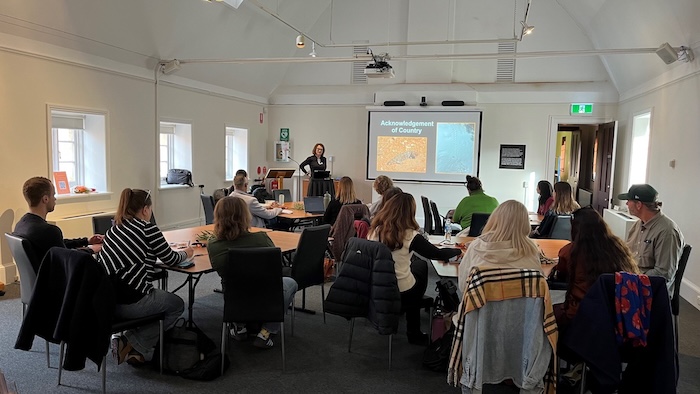
We bring AI literacy to young people across the world with Experience AI by building trusted partnerships with local organisations that lead sustainable delivery of the programme in ways that suit their contexts. Through this global network of Experience AI partners, we have trained over 50,000 educators who can reach an estimated 4.8m young people. Today, Experience AI resources are used in over 195 countries and available in 22 languages. In recognition of its global impact, Experience AI was named a laureate of the 2025 UNESCO King Hamad Bin Isa Al-Khalifa Prize for the Use of ICT in Education.
In Australia, the first partner we are working with is the Computer Science Education Research Group (CSER), based at Adelaide University. Professor Katrina Falkner, the university’s Pro-Vice-Chancellor, Learning and Teaching, says about the partnership:
“We are thrilled to partner with the Raspberry Pi Foundation to bring the Experience AI programme to Australian schools. It is so important that teachers are provided opportunities to understand AI so they can help students develop the self-regulated learning skills needed to thrive in a world where AI is increasingly part of everyday learning and work. Educators can play a critical role in ensuring that a human lens of critical thinking, ethical judgement, creativity, and meaningful human connection remain at the heart of AI education and adoption, preparing students for careers where effective collaboration with AI tools will be essential.”
In Aotearoa New Zealand, we are working with Tōnui Collab Charitable Trust, a Maōri-led organisation dedicated to creating innovative STEM learning opportunities.
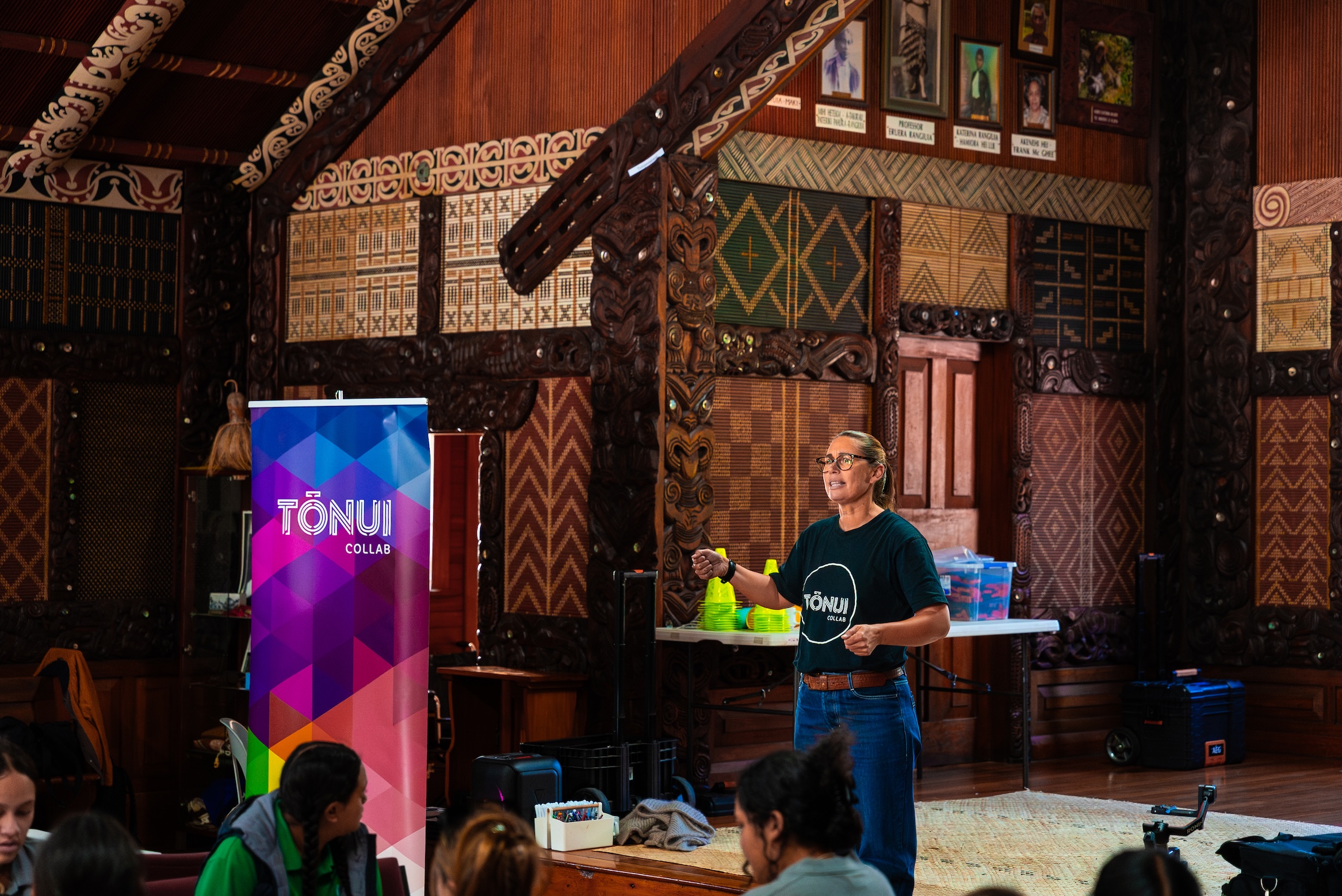
Shanon O’Connor, Director of Tōnui Collab, says about the partnership (1):
“We are partnering with the Raspberry Pi Foundation to provide this kaupapa to educators in Aotearoa, adapting and contextualising their global Experience AI program to make it meaningful and relevant in Aotearoa.
This kaupapa isn’t about learning to code; it’s not a kaupapa designed solely for the ‘tech enthusiasts’, it’s about fostering digital equity, ensuring rangatahi have the tools and knowledge to thrive in a world increasingly shaped by technology. It’s our attempt to ensure the digital divide doesn’t become a digital chasm.
We’re also facilitating robust conversations about data bias and the impact this has on the ways we as Māori engage with AI-powered technologies, creating space for kōrero about tech tikanga and our collective responsibilities when using or engaging with AI-powered technologies.”
All young people need opportunities to develop the skills, knowledge, and confidence to navigate and shape a world where AI technologies are widely used. With support from Google.org and education partners across Aotearoa New Zealand, Australia, we will continue to expand access to high-quality AI education.
Find out more about Experience AI at experience-ai.org
(1) Shanon uses some Māori words that are common in Aotearoa New Zealand for both speakers and non-speakers of reo Māori:
此内容由惯性聚合(RSS阅读器)自动聚合整理,仅供阅读参考。 原文来自 — 版权归原作者所有。