









On 10–15 May, we welcomed the global Bebras community to Cambridge, UK for the 22nd Bebras International Task Workshop.
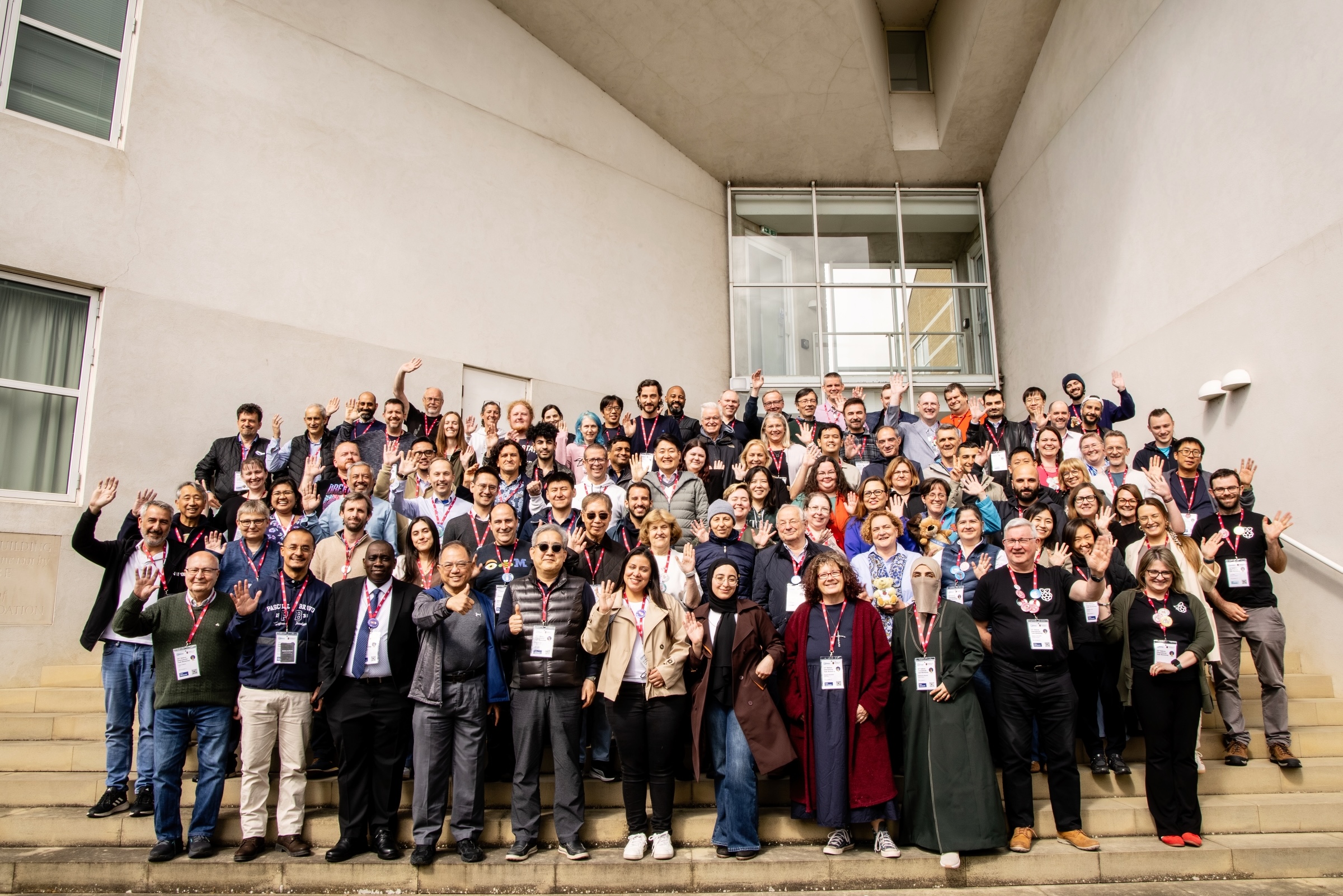
As organisers of the UK Bebras Challenge, we hosted this year’s annual Task Workshop, bringing together Bebras organisers, educators, and researchers from around the world to review and refine the computational thinking tasks in preparation for countries’ 2026 Bebras Challenges. The Bebras tasks young people see every November may look simple and playful, but each one has been carefully discussed, tested, debated, and improved by people who care deeply about helping young people develop problem-solving skills.
This May, we convened 101 delegates from 61 countries at the Møller Institute in Cambridge for the Bebras International Task Workshop, with more participants joining parts of the Task Workshop online to take part in the discussions, decisions, and community moments that make this annual gathering so special.
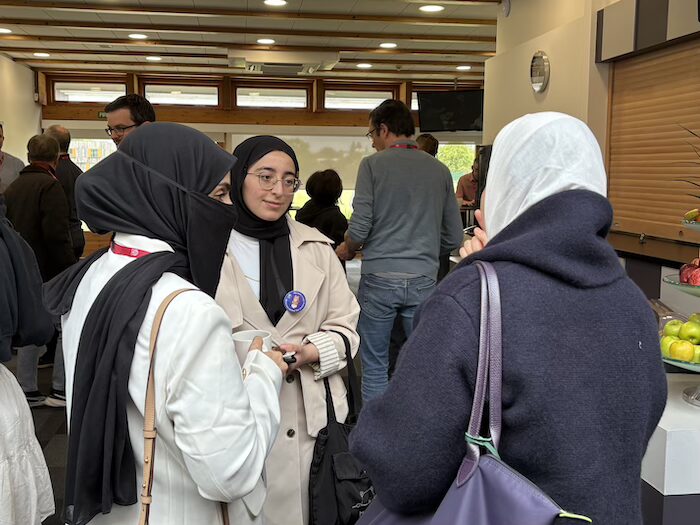
277 tasks had been submitted by the Bebras community, including 4 by us. Over 4 intensive days, delegates worked in 8 working groups, considering everything about these proposed tasks: from clarity of wording and illustrations, to age suitability and accessibility, to the computational thinking involved. By the end of the workshop, 214 tasks including our 4 had been accepted.
Alex Parry from our team reflects:
“The effort that everyone put in was remarkable — the delegates who travelled from around the world, the sometimes slightly heated discussions about computational thinking and its wider implications, and the improvements to the tasks within the working groups.”
These lively discussions are part of what makes the Bebras Challenge impactful. A Bebras task is more than simply a computational thinking puzzle and its answer. It invites curiosity, supports careful reasoning, and gives learners a fair opportunity to show how they think. Bringing together the perspectives of people from different countries and education systems makes the tasks richer, clearer, and more useful for teachers and learners everywhere.
The Bebras Challenge currently runs in schools in 78 countries. In 2025, more than 4 million students aged 6 to 19 took part, with an incredible 526,000 participants in the UK alone.
The Bebras tasks encourage logical reasoning, pattern recognition, abstraction, decomposition, and algorithmic thinking, often through engaging stories and visual puzzles.
Although the formal purpose of the Workshop is to review tasks, the event is also a valuable opportunity for the Bebras community to learn from one another. On the Wednesday evening, delegates took part in the Bebras marketplace, sharing posters, resources, ideas, and questions in a wonderful showcase of how creative and adaptable the community is.
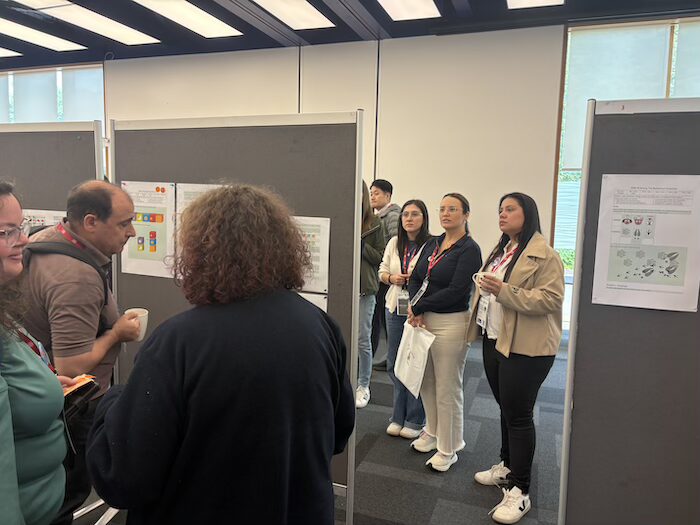
We heard how Bebras is being delivered in countries where schools may have limited internet connectivity or access to computing hardware, including Ghana, Jamaica, Mexico, and Sri Lanka. We saw that many countries offer paper-based versions of the challenge to overcome technical barriers. We learned about Mexico’s work towards making the challenge accessible on smartphones.
There were also inspiring examples of countries extending computational thinking beyond the annual Challenge fortnight. Armenia has developed Bebras books, Brazil has a Bebras magazine, Indonesia is creating teacher training resources for all subjects, and Lithuania is using hands-on games to help learners explore computing concepts.
These examples are a powerful reminder that computational thinking does not require computers or programming skills: it can be explored through stories, games, puzzles, printed resources, teamwork, and discussion.
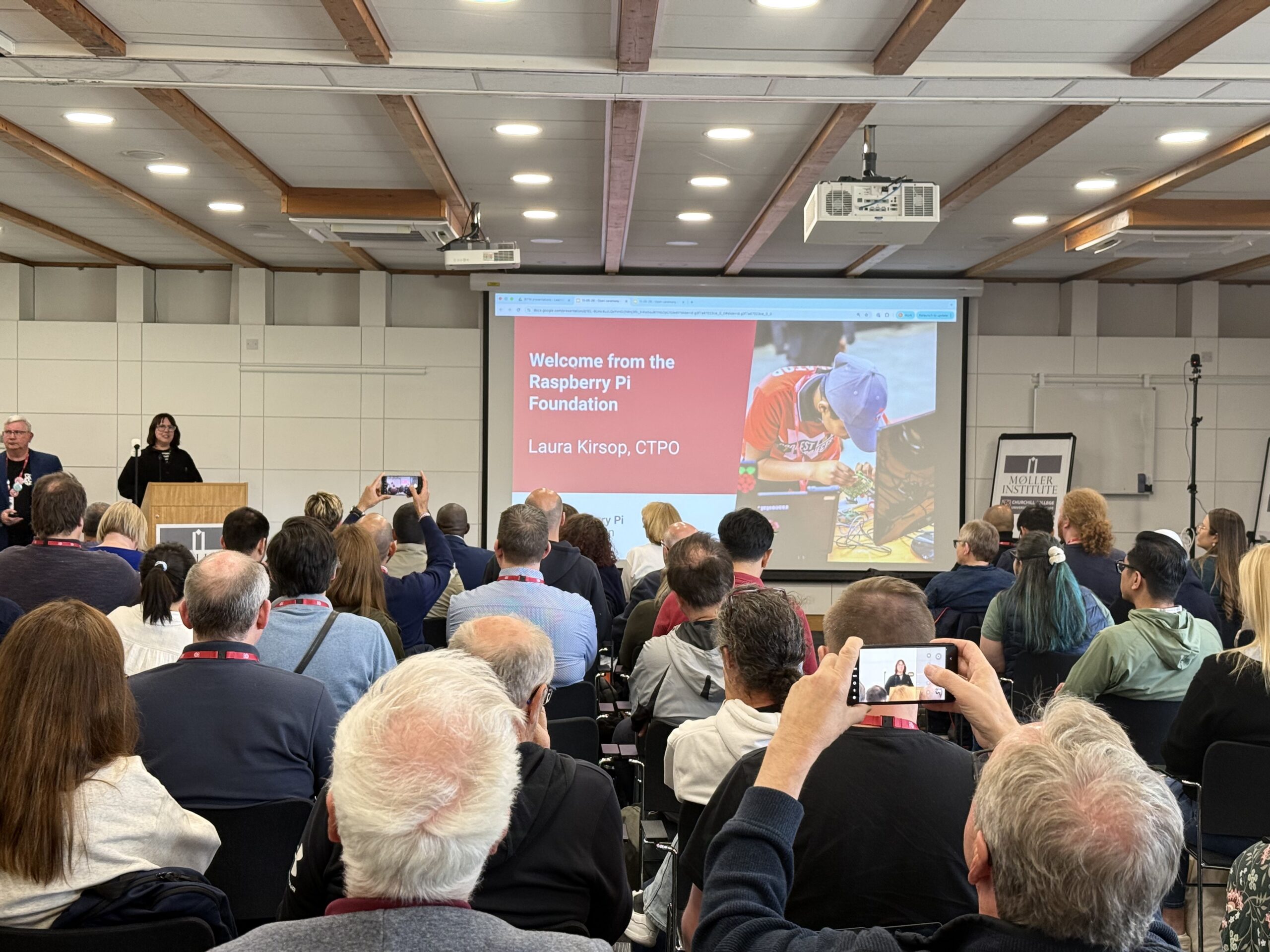
Thanks to Bebras, this is something we are bringing into other initiatives. Laura Kirsop, our Chief Technology and Product Officer, highlighted in the Workshop’s opening keynote how Bebras has influenced some of the Foundation’s educational products. For example, the unplugged Code Club resource Escape room: The jungle awakens uses previous years’ Bebras tasks in a new context to support clubs with access limitations.
Alongside the work of reviewing tasks, the Workshop also supports the continued growth of Bebras around the world. This year, 10 new provisional members — Bolivia, Cameroon, Ecuador, Ghana, Hong Kong and Macao, Luxembourg, Mongolia, Palestine, Sri Lanka, and Tanzania — were inducted, and 7 new full members were voted in: Armenia, Colombia, Greece, Jamaica, Mexico, Paraguay, and Puerto Rico.
Each new member country means more young people will have the opportunity to experience computational thinking in an accessible and engaging way, and more educators will be able to join the international conversation about how best to support learners.
Hosting an international event such as this involves much more than providing meeting rooms and a timetable. The Workshop needed to support focused work, lively discussion, social connection, and participation from delegates joining remotely via livestreams.
We were pleased that our efforts were successful and recognised by delegates. One person described the event as “a truly positive experience on all fronts”, while another commented: “The planning and execution was flawless.” And for an event built around international collaboration, one piece of feedback was especially welcome: “The WiFi connection was phenomenal!”
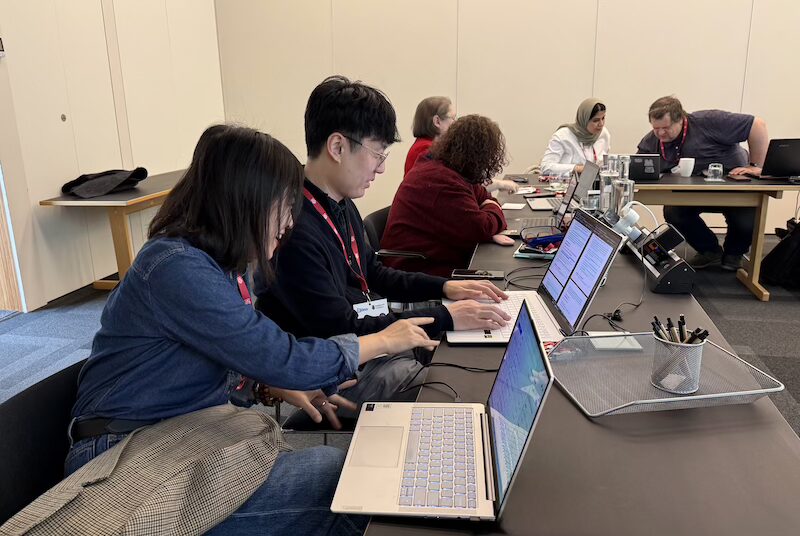
You can’t get everything right though, as one delegate joked when we asked what could be improved about this year’s workshop: “Sorry, the weather could have been better :-)” We will take that as a challenge for our next time as hosts!
The 23rd Bebras International Task Workshop will be held in Uruguay in May 2027. We wish the Uruguay team every success as they begin planning the next gathering of this inspiring international community.
We are now preparing the tasks for the next UK Bebras Challenge, working in collaboration with the Bebras teams from Australia, Ireland, Canada, and the USA.
Across the world, the Bebras Challenge takes place every November and is completed and automatically marked online. For students, it’s a range of fun and engaging computational thinking tasks, to be answered within 45 minutes. For educators, Bebras is a powerful way to introduce and practice computational thinking with their learners.
If you’re an educator in the UK, you can try out past Bebras tasks to get a taste, and register now to be ready to set up your classes from September. This year, the UK Bebras Challenge will take place between 8 and 20 November.
此内容由惯性聚合(RSS阅读器)自动聚合整理,仅供阅读参考。 原文来自 — 版权归原作者所有。