








If you’ve been using SEMrush for keyword research, you probably already know it gets expensive fast especially once you start needing more credits or seats. So, a lot of people start looking around for something that does the job just as well, without burning through the budget.
That’s exactly where this list comes in. Whether you’re a solo blogger, a small SEO team, or just someone testing the waters with an SEO keyword analysis tool, there are plenty of solid SEMrush alternatives out there that cover everything from search volume to competition data.
In this guide, we’ll walk through some of the best keyword research tools available right now, what makes each one worth considering, and where to find a reliable keyword difficulty checker without paying SEMrush-level prices. If you’re also exploring other SEO tools in general or picking up a few SEO tips along the way, this should give you a solid starting point.
Let’s start with a quick overview of the top SEMrush alternatives before exploring each tool in more detail.
| Tool | Best For | Keyword Difficulty Checker | Starting Price |
| SE Ranking | Overall balance of features & ease of use | Yes | $129/month |
| Ahrefs | Largest keyword database & depth of data | Yes | $129/month |
| Moz Pro | Simplicity & AI Overview tracking | Yes | $49/month |
| Ubersuggest | Budget-friendly, beginner use | Yes (basic) | $29/month |
| Mangools (KWFinder) | Long-tail, low-competition keywords | Yes | $61/month |
Let us explore the best SEMrush alternatives for keyword research in this section:

SE Ranking can be regarded as one of the most comprehensive keyword research tools available, and it’s often among the first SEMrush alternative options considered. What sets it apart is its ability to combine good data is its ability to combine good data and a user-friendly interface, even though you may not have any expertise in SEO.
Being a complete SEO keyword analysis tool, it provides users with such things as search volume data, keyword tracking, and other features without being difficult to use like SEMrush is.
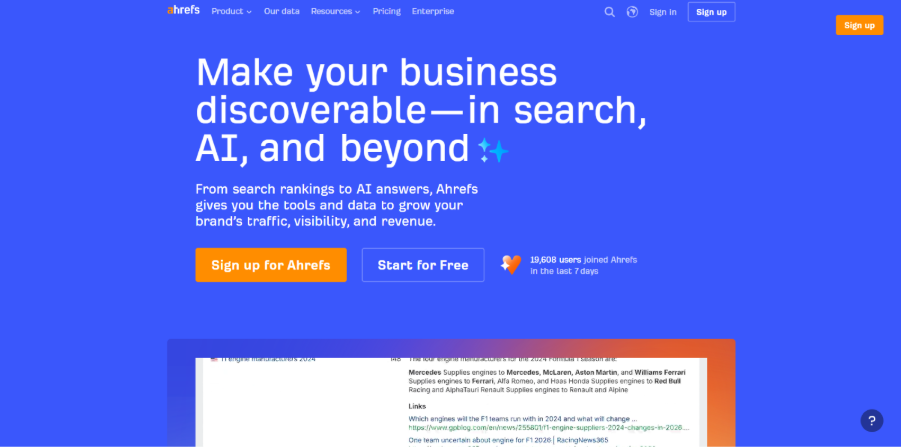
Ahrefs is yet another powerful keyword research tool, which is often spoken about together with SE Ranking and regarded as one of the best SEMrush alternatives. This tool is famous for its large number of keywords, making it a great choice for those who need reliable data sources for their SEO.
These are the features that make Ahrefs a good tool to use:
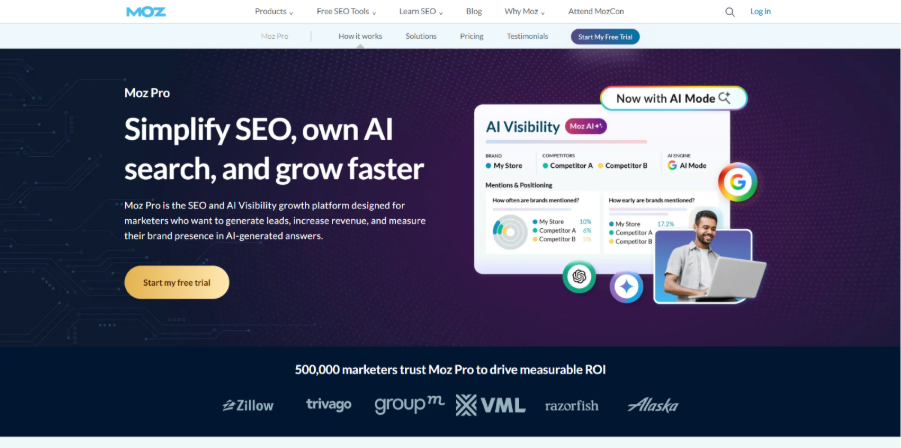
Moz Pro is a long- standing name in the SEO space, and its Keyword Explorer tool makes it a solid contender among SEMrush alternatives for anyone focused on keyword research. It’s designed to simplify the process, so you spend less time digging through data and more time actually acting on it.
Here’s what makes Moz Pro worth considering:
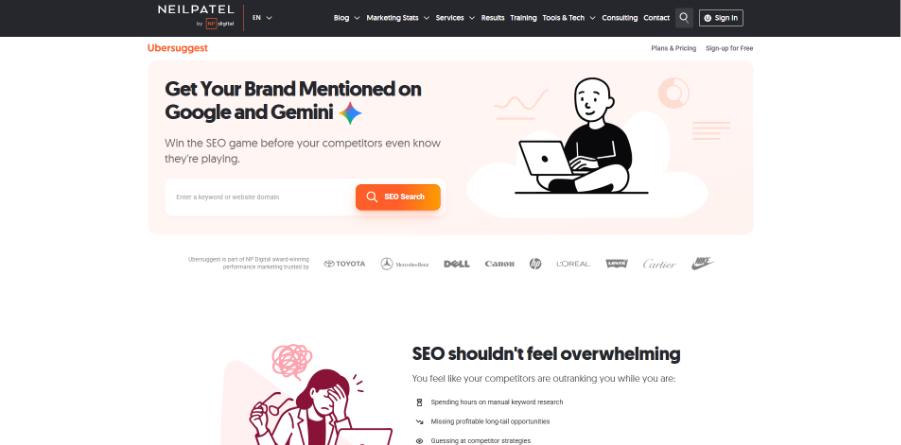
Originally designed by Neil Patel, Ubersuggest has progressed from being merely a keyword tool to full SEO solution yet remains among the most accessible SEMrush competitors. If you are new to the world of keyword research tools and are looking for something that won’t overwhelm you, this tool is often recommended first and foremost.
Here is why Ubersuggest is worth giving a try:
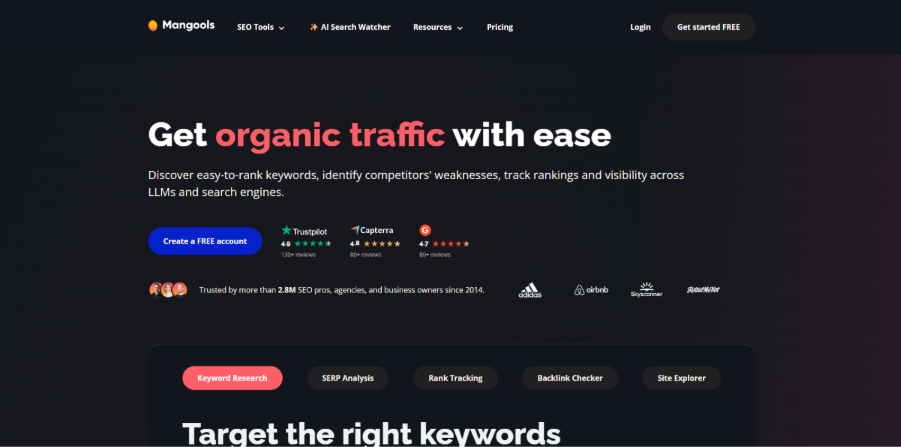
Wrapping up the list is KWFinder by Mangools, which is a keyword research tool only and hence a good choice among the SEMrush alternatives that one can make. This option is well-appreciated because they do not want an excessive number of tools.
The reasons why you may want to choose this tool include:
It is easy to feel overwhelmed when so many options are presented before you. Here’s a simple way to think about it before you commit to any one tool:
Start With Your Budget: If you’re new to keyword research or SEO, there’s no need to jump straight into a $129/month tool. Start with affordable options like Ubersuggest or Moz Pro’s starter plan. These can get you pretty far without the financial pressure.
Assess Your Needs: If backlink analysis and keyword research carries equal weight, then Ahrefs is worth investing in. However, if you are looking for something that covers a bit of everything without a steep learning curve, SE Ranking is worth a shot.
Consider the Data You Really Need: For most bloggers and small teams, basic search volume, keyword suggestions, and a reliable keyword difficulty checker are honestly enough. You don’t always need enterprise-level data.
Factor in Your Team Size: Assess your team size before you decide on a tool as some tools charge per seat, which adds up fast. Make sure you pick the tool with suitable pricing plan that works well for people who will actually be logging in regularly.
The right tool is the one that fits where you are right now; not where you hope to be in two years.
SEMrush works really well; however, it is not the only tool available in the market. Additionally, for many people and small businesses, it’s simply not worth the price. But no need to worry as there are several other SEMrush alternatives available that are just as useful. Whether you need a solid keyword difficulty checker, reliable search volume data, or a full SEO keyword analysis tool that doesn’t drain your budget, there’s something on this list for every stage and team size.
So, first start with what fits your workflow and your budget right now. You can always scale up later. Pair it with a few solid SEO tips to get the most out of whichever tool you choose. The best SEO keyword research tool is honestly the one you’ll actually use consistently.
Yes. Ubersuggest offers a free plan with limited searches, and Google Search Console is completely free for tracking your own site’s keyword performance.
Ubersuggest is the easiest to get started with. It offers simple interface, easy to read data, and it doesn’t overwhelm you with features you don’t need yet.
For most users, yes. Unless you’re running large-scale agency work that needs SEMrush’s full suite, most of these alternatives cover everything you actually need day to day.
Ahrefs and Moz Pro both have reliable keyword difficulty scores. Ahrefs is generally considered more accurate, but Moz Pro’s interface makes it easier to interpret quickly.
It depends on what you need. Ahrefs has a larger keyword database and cleaner data, but SEMrush offers more tools under one roof. If keyword research is your main focus, Ahrefs is hard to beat.
此内容由惯性聚合(RSS阅读器)自动聚合整理,仅供阅读参考。 原文来自 — 版权归原作者所有。