





We are working with partner organisations around the world to support teachers in building confidence with AI in the classroom through our Experience AI programme. In this guest post, Catarina Marques from our partner TUMO Portugal shares what the organisation is learning from delivering training to educators.
Whenever we run Experience AI training sessions, we keep coming back to the same thing: teachers are not lacking interest in AI, what they are lacking is time. Time to explore the technology and tools, time to talk about them with colleagues, and time to work out what they really mean for their classrooms.

And that matters, because AI is not something schools can just put off until later. It is already here. Students are hearing about it, using it, and forming opinions about it. Teachers are being asked to respond to it now, often while still trying to make sense of it themselves.
The Experience AI teacher training is about more than educators to a set of resources. It is about helping them feel truly ready to take the Experience AI resources into the classroom and use them effectively with their students.

What we see again and again is that teachers need space to stop and think. AI is moving quickly, and schools do not always have the time or support to keep pace. New tools are developed all the time. Expectations keep shifting. There is a lot of noise, and not always much room to pause and ask: what is actually useful here? What do we need to understand better?
In our experience, that is where real learning starts: not in rushing through information, but in discussing it, debating it, and testing ideas together.
One of the most valuable parts of these training sessions is the part where teachers start talking to each other.
They bring real questions into the room. Which AI tools can actually help with their work? How should they think about ethics? How do they talk about AI safety with students? How do they respond to something that may feel both useful and worrying at the same time?
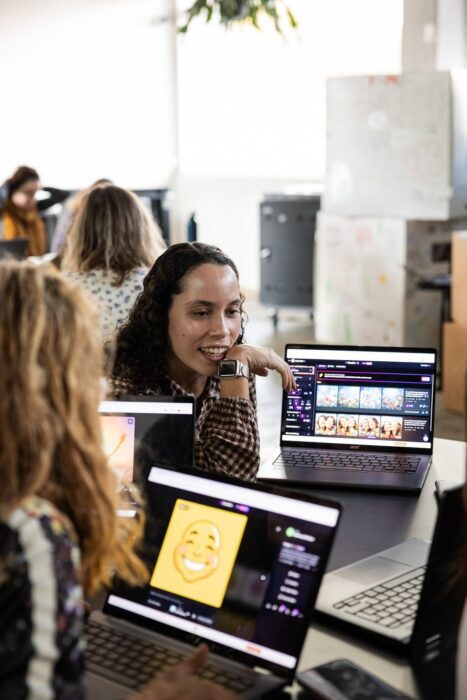
There is often confusion, and sometimes there is resistance too. That makes sense; this is still new territory for many schools. But there is also a real appetite to learn, especially because support in this area can still feel limited.
That is why listening is such an important part of our training. Teachers need space to reflect, compare experiences, and hear how others are approaching the same challenges. Very often, understanding grows through that process.
Another thing we feel strongly about is that the training has to be engaging.
AI can feel intimidating. If the atmosphere is too heavy, it can be easy for people to step back from it. That is why the hands-on and playful side of Experience AI is so important. Team activities, discussion, and even a bit of healthy competition change the energy in the room. People get involved. They relax. They start exploring instead of worrying about getting everything right.

That matters for teachers, and it matters for students too. When teachers experience this kind of learning for themselves, it becomes easier for them to imagine creating it in their own classrooms. Play is not separate from the learning here — it is part of what makes it stick.
For us, this work feels urgent. Schools need the language, confidence, and literacy to engage with AI now, not in a few years’ time.
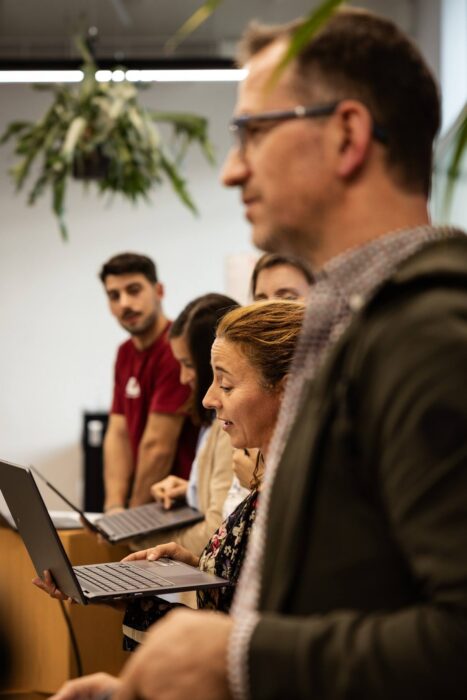
What teachers need most is not endless hype or more pressure. They need time to explore, time to discuss, time to understand, and time to build confidence. Experience AI has offered a way to begin that process.
If we want young people to engage critically and confidently with AI, we have to start by giving teachers the chance to do the same.
If you want to find out more about Experience AI, visit our website experience-ai.org
此内容由惯性聚合(RSS阅读器)自动聚合整理,仅供阅读参考。 原文来自 — 版权归原作者所有。