






The code quality platform for teams
Shift-Left Static Code Analysis

It’s a situation you’ve probably experienced before: late in your development process, a security vulnerability surfaces during final testing, weeks after the code was written. As a result, you find yourself context-switching from your current sprint, reconstructing decisions you made a month ago, and trying to coordinate fixes across multiple systems.
How do you avoid these late changes of focus? For many teams, the answer is rethinking where quality-related activities sit within the development process, as part of a “Shift-Left” strategy. But what does this process mean for your team and your approach? Let’s take a closer look at shift left and whether it’s the right strategy for your development projects.
Table of Contents
What is a shift-left approach?
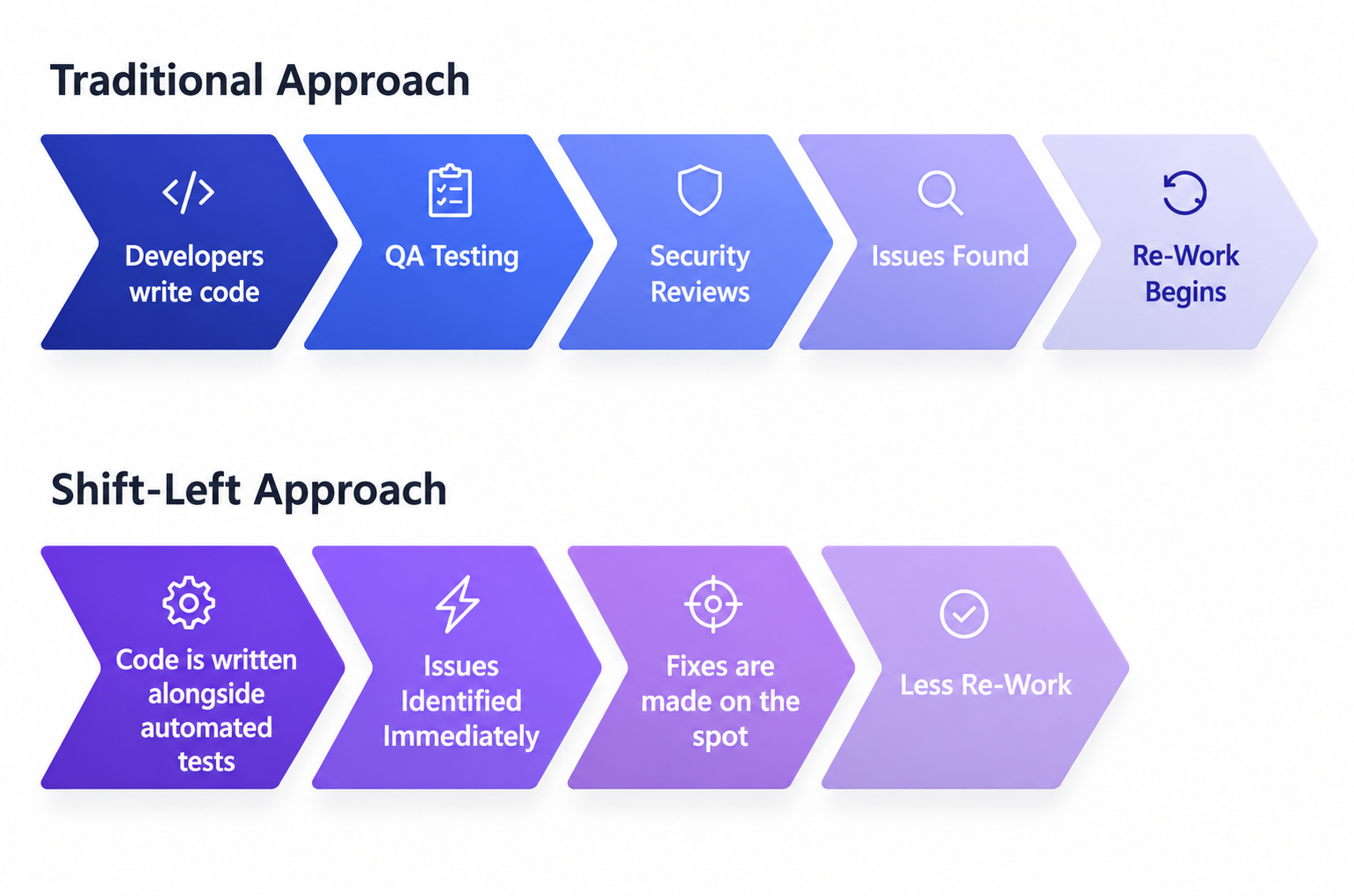
Shift left is a philosophy that means you move important activities such as testing, quality assurance, and security checks earlier in the software development lifecycle (SDLC). In this timeline, the left side of the process typically represents early phases like requirements and design, while the right side represents later stages like testing and deployment.
It’s a term that’s becoming increasingly common in software development as project managers and leaders see how it transforms the way teams approach code quality.
An overview of the shift-left approach
The shift-left approach relies on automation, collaboration, and continuous feedback to maintain quality throughout development. Its key principles include:
- Early testing and validation: You begin testing as soon as development starts. Developers run checks early and address issues before code reaches shared branches.
- Automation: Continuous integration pipelines, automated test suites, and static code analysis provide fast, consistent feedback without an unmanageable impact on manual effort.
- Developer ownership: Developers share responsibility for quality and security instead of relying solely on QA or security teams.
- Continuous feedback: Every code change is reviewed and improved as it moves through the workflow, so feedback loops replace the traditional handoff model.
Why is a shift-left strategy important?
In most traditional development workflows, testing and security reviews happen late in the cycle. But that means that when issues surface, fixing them requires significant rework, often at critical moments. This approach can introduce delays that affect your entire release schedule, along with increased costs, and several other problems.
Context switching costs
A design flaw that’s discovered during final testing can force you to revisit decisions made weeks earlier, which means having to switch your approach at short notice. Rebuilding that mental context slows your development and increases the chance of introducing new problems while you’re still trying to address the original issue.
Integration complexity
A vulnerability caught late in the process can affect several parts of the system and may require updates across multiple components and teams. With shift left, you can identify the same issue during development, where it’s usually contained within a small, localized change that’s quicker to fix.
Schedule impact
Late architectural problems leave you with a difficult choice. Do you delay the release or ship a design that has the potential to create long-term technical debt?
When issues surface earlier in the cycle, your teams can adjust with far less disruption because changes are smaller, better understood, and easier to integrate while code is still being written, rather than when it’s ready for release.
Shift left in static code analysis
Static code analysis brings shift-left testing principles directly into everyday development. These tools check for bugs, vulnerabilities, and quality issues while you’re writing code, so you don’t have to wait for later testing stages.
Unlike runtime testing, static code analysis reads your source code without executing it. This allows checks to run during active development. If your developer writes a database query, for example, the tool can flag a possible SQL injection risk while the code is still fresh.
Static code analysis also catches issues that traditional shift-left testing might not trigger. It can identify unused variables, inconsistent naming, excessive complexity, and security risks that only appear under specific runtime conditions. Instead of relying on test cases, the analysis inspects your code’s structure and highlights patterns that could lead to defects.
How to implement shift-left code analysis
Implementation of shift-left code analysis typically happens through two primary integration points that work together to catch issues at different stages of your development process:
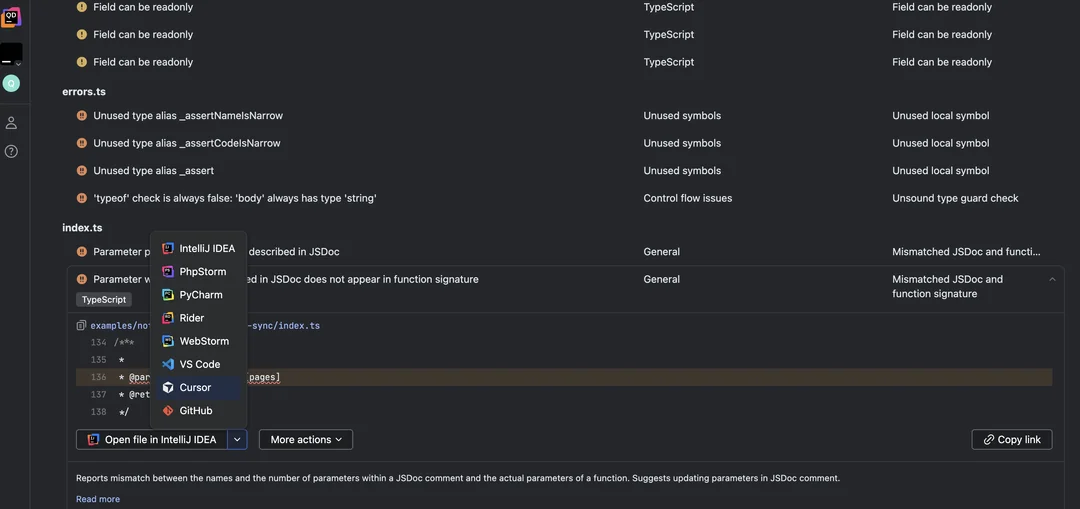
- IDE integration: Your developer writes a function and the static code analysis tool flags a potential SQL injection risk or unused variable in real time. They see the same checks locally that will appear in the CI pipeline, which removes surprises during builds. Because the code is fresh and they’re already in the context, fixes take minutes rather than hours. This feedback loop accelerates learning and helps your developers internalize quality standards.
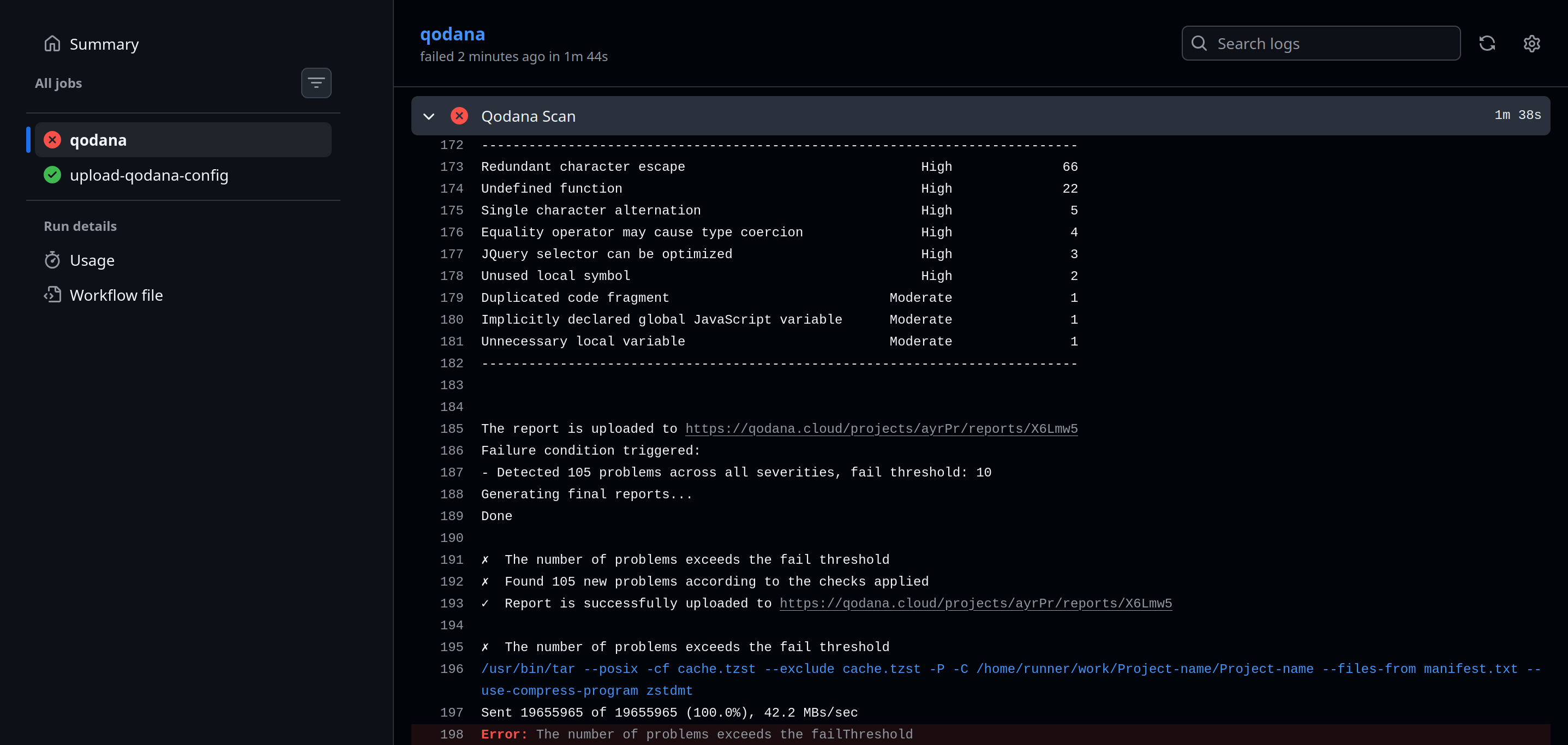
- CI/CD pipeline integration: Each pull request triggers an automated static scan before code can be merged. Your developers see analysis results directly in their pull request, reducing the risk of insecure or buggy code entering the main branch. Quality gates can enforce standards automatically, and the pipeline fails if new code introduces critical security issues or exceeds complexity thresholds. This removes the need for manual review of routine quality checks and lets human reviewers focus on architecture and logic.
Benefits of “shifting left“
Adopting shift-left practices improves your development workflow by surfacing issues earlier and giving teams continuous feedback. Automated checks, early validation, and real-time analysis reduce costs, accelerate delivery, and raise code quality.
Speeding up feedback loops
With a shift-left approach, your developers see issues as they’re working on the code, rather than getting feedback days or weeks later. Immediate feedback speeds up learning because your developers can adjust their approach while the context is still fresh. Issues are flagged within minutes instead of only coming to light during the next test cycle.
Reducing technical debt
Checking code at an earlier stage means potential technical debt gets fixed before it spreads through the codebase. A function that is refactored during development represents a quick change. But if that same problem is only discovered months later, it may then connect to many parts of the system, turning a simple fix into a multi-day effort that requires broad testing and coordination.
Improving code quality
Through shift left, you know code that reaches testing has already passed multiple checks, in the IDE, in local analysis, and in the CI pipeline. That means quality becomes part of the regular workflow, rather than just becoming an end-of-cycle inspection. This layered process produces cleaner, more maintainable code with fewer defects.
Cost savings
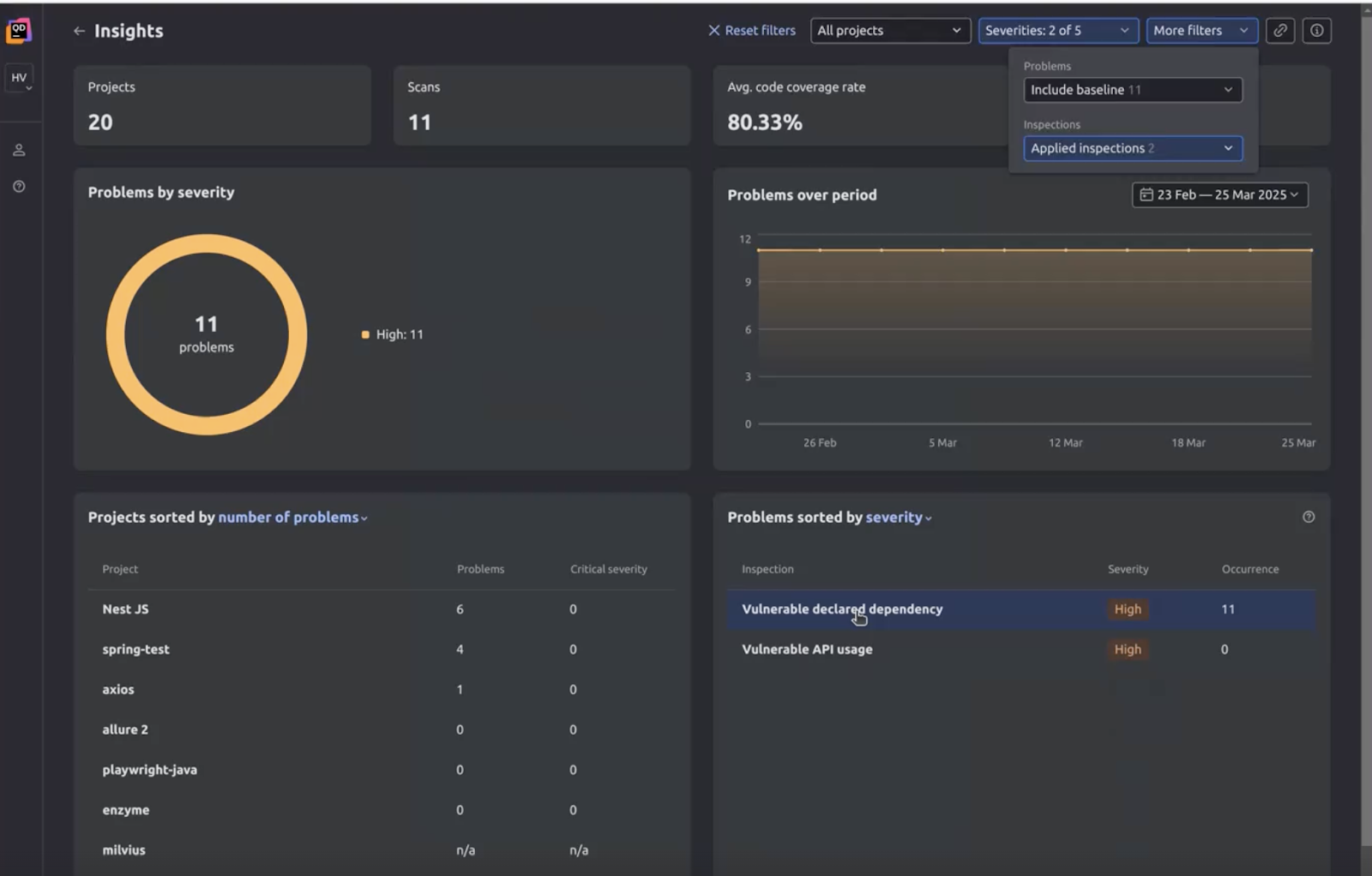
Fixing issues early is far cheaper than addressing them late in the cycle. A vulnerability that’s resolved in the IDE takes minutes and requires very little coordination. However, if the same issue is found during security testing, it will mean context switching, investigation, regression testing, and possible schedule changes. The cost difference therefore grows rapidly as issues occur later in the lifecycle, so it’s beneficial to employ shift left and catch them earlier.
Challenges of a shift left approach
Shift-left practices deliver clear benefits for developers, but they also introduce some challenges your team should plan for. Understanding these helps you roll out the approach more smoothly and determine if it’s the right strategy for your own team.
Sometimes there are too many false positives
Analysis tools sometimes flag code that’s safe in your context. Too many of these warnings can create noise, and your developers might start ignoring alerts they wrongly assume to be false positives. Tuning the rules for your codebase, suppressing irrelevant checks, and focusing on high-confidence issues all help raise the signal-to-noise ratio. This takes some initial effort but pays off quickly.
Integration friction and issues with onboarding
Adding new tools to your existing process means you need to do configuration work, CI pipeline updates, quality gate setup, and documentation changes. Your developers will also need time to learn the system and adjust their workflow. A gradual rollout can therefore be the best way to integrate a shift-left strategy. Start with high-value checks and expand coverage once the team is comfortable working in this way.
Actually getting developers to adopt these methods
Developers who are used to handing code over to QA will need to change their habits to adopt a new approach. Shift left requires them to take ownership of quality, fix issues flagged by analysis tools, and view quality as part of development rather than a separate phase, all of which can take some time to integrate.
You can improve adoption by highlighting the benefits, giving training, and exploring quick wins. Early successes build momentum and can turn developers into advocates for your new ways of working.
Transform your workflow with shift left
Shift left transforms quality from a late-stage checkpoint into a continuous part of your workflow, enabling efficiency and savings. Earlier detection reduces costs, shortens feedback loops, and raises code quality. Static code analysis enables shift-left practices at scale by catching issues during development when context is fresh, fixes are simple, and changes are contained.
When you adopt shift-left practices, you catch vulnerabilities in the IDE instead of during penetration testing. You can also identify complexity problems during pull requests rather than during maintenance months later, as well as fixing bugs while the code is still familiar rather than after it ships to production.
The result is cleaner code, faster releases, and developers who spend more time on feature work instead of unplanned fixes and debt remediation. Shift left doesn’t remove the need for testing and quality assurance. It just makes those stages more effective by ensuring the code that reaches them has already been reviewed multiple times.
Tools like Qodana add static analysis directly to your workflow through IDE integration and CI/CD automation. Try Qodana and explore where early detection can have the biggest impact in your process, and how static analysis supports those improvements.
Subscribe to Qodana Blog updates