






A concise multiplatform language developed by JetBrains
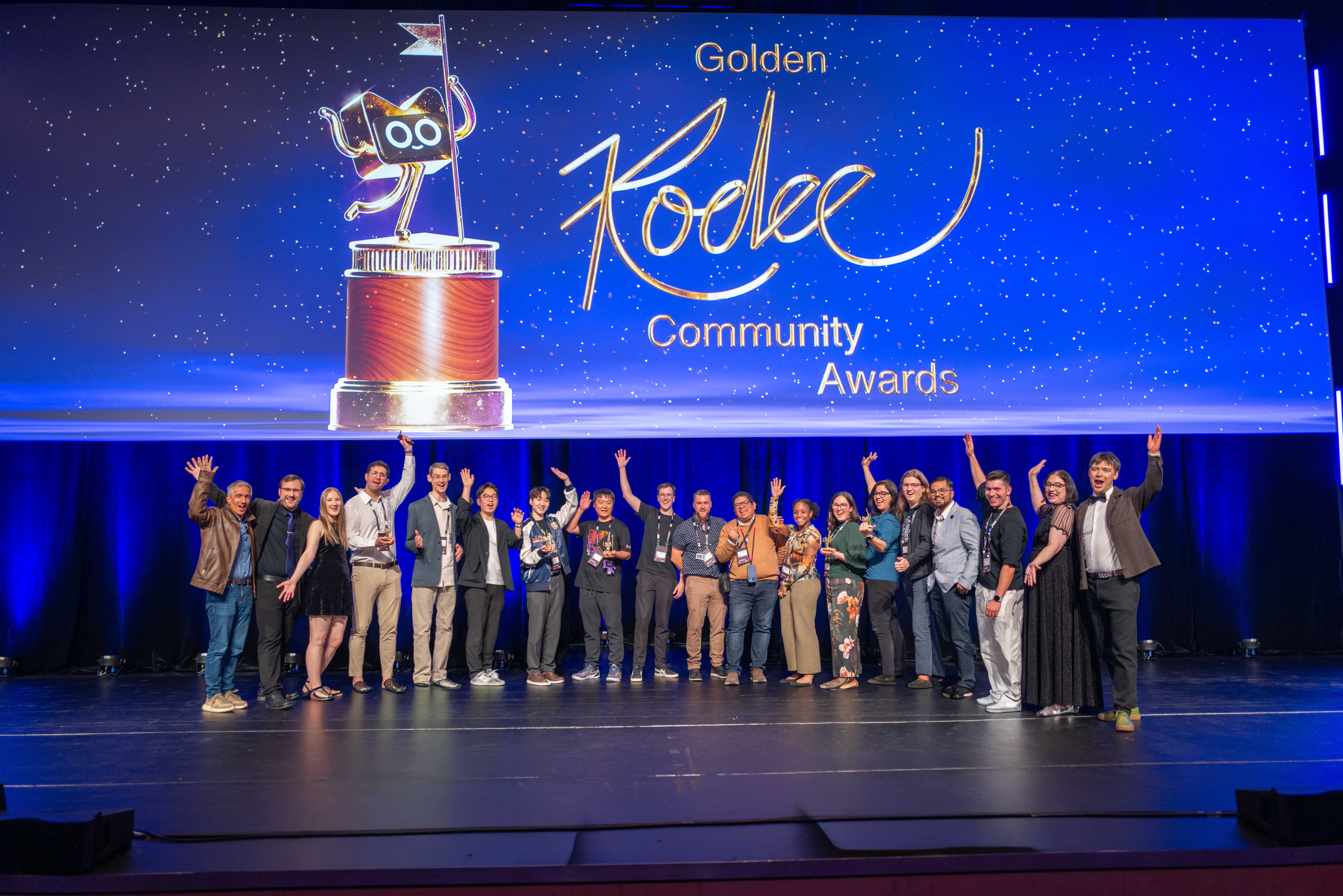
KotlinConf 2026 marked a milestone for the Kotlin community: the very first Golden Kodee Community Awards. The awards recognize the individuals and communities whose passion and dedication help the Kotlin ecosystem thrive.
From creating educational content and building engaging online communities to organizing events, fostering connections, and driving positive societal impact, the Golden Kodee Awards shine a spotlight on the many ways people contribute to Kotlin. Open to active members of the Kotlin community who have made notable contributions over the past two years, the awards honor those who share knowledge, mentor others, and inspire developers around the world.
Getting to know the Golden Kodee winners
This year’s winners represent the diversity and strength of the Kotlin community: Matheus Leandro Ferreira (Education), Jaewoong Eum (Online Presence), Nicole Terc (Creativity), Eeva-Jonna Panula (Positive Societal Impact), and Yinlong Liu (In-Person Presence).
In the days following KotlinConf, we caught up with each of the winners to learn more about their projects and initiatives.
Which of your projects do you think stood out the most in helping you win a Golden Kodee?
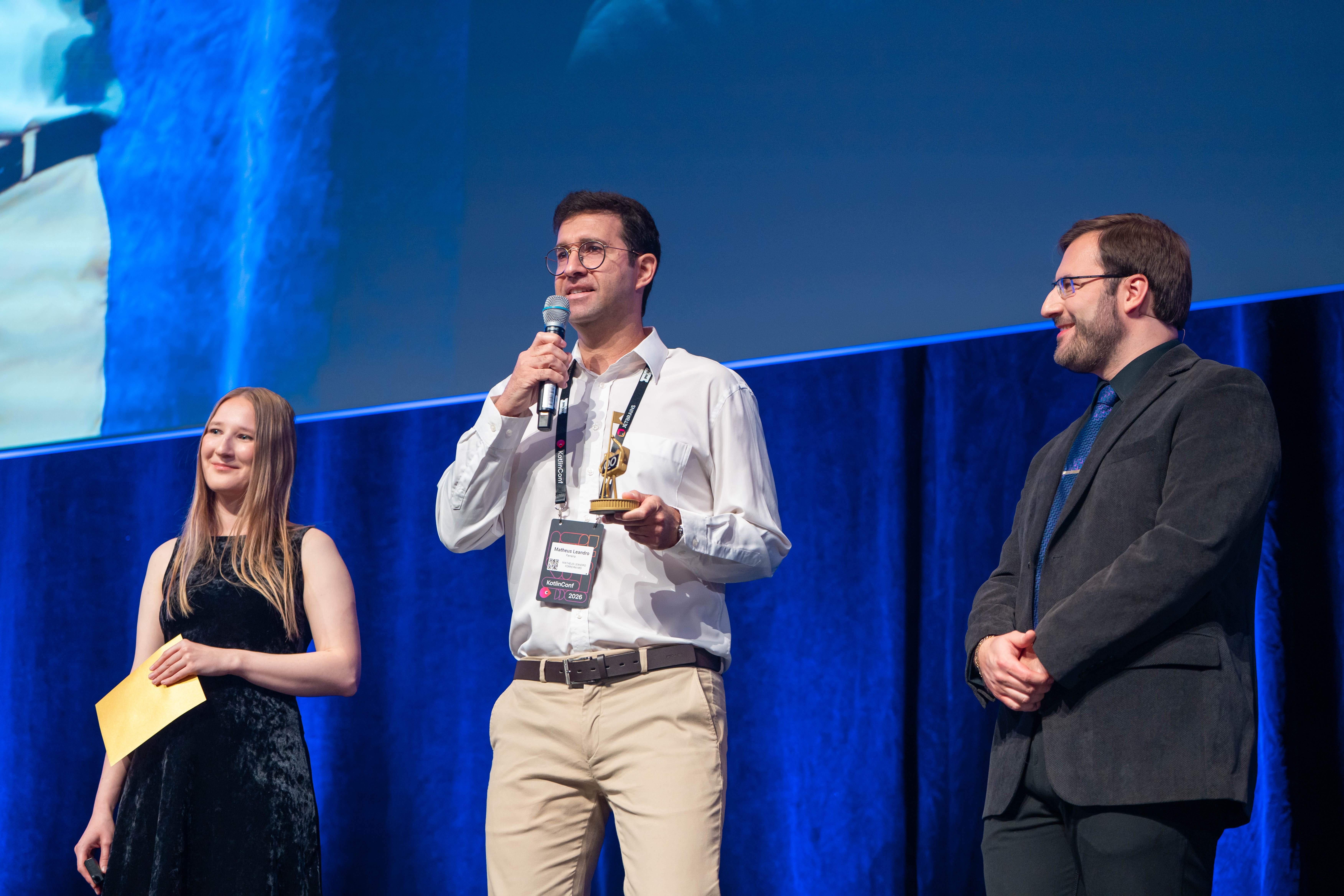
Matheus Leandro Ferreira: Since my category is focused on education, I believe my experience teaching at the university and working with Kotlin over the years may have been an important factor. I’ve been teaching programming and mobile development with Kotlin for quite a long time, while also creating educational content for the developer community outside the classroom.
Jaewoong Eum: I’ve contributed to the open-source community for over nine years, so I believe most of my open-source projects have helped me win this award, such as Balloon, landscapist, and compose-stability-analyzer. But also, I’ve written lots of technical content on my personal blog, newsletters, and recently, I’ve published several books, so all these activities and projects helped me to win this award.
Nicole Terc: Composable Sheep talks.
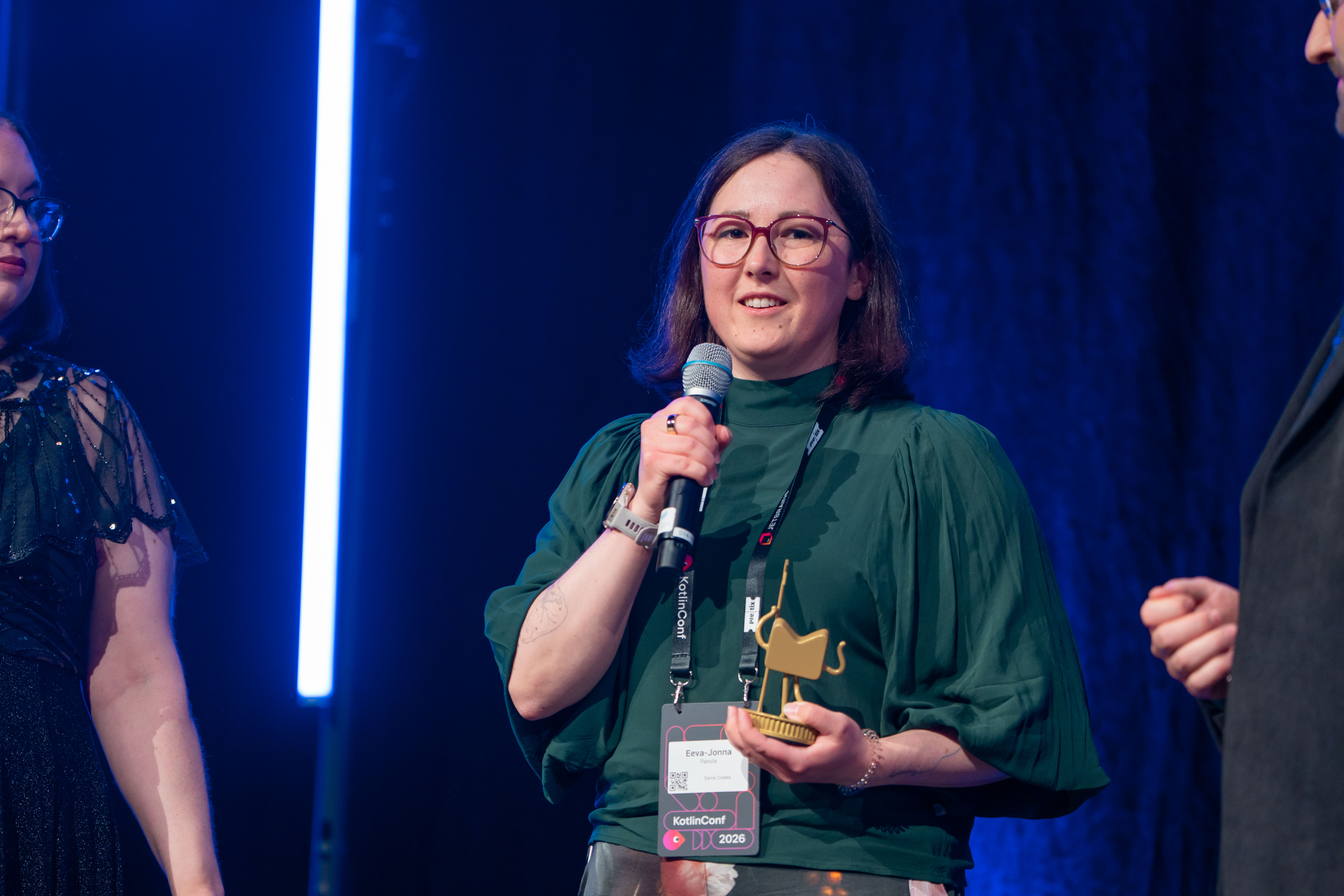
Eeva-Jonna Panula: I think there might not have been one project that stood out the most; it was probably the whole body of work I’ve done in content creation on accessibility, disability, and inclusion.
Yinlong Liu
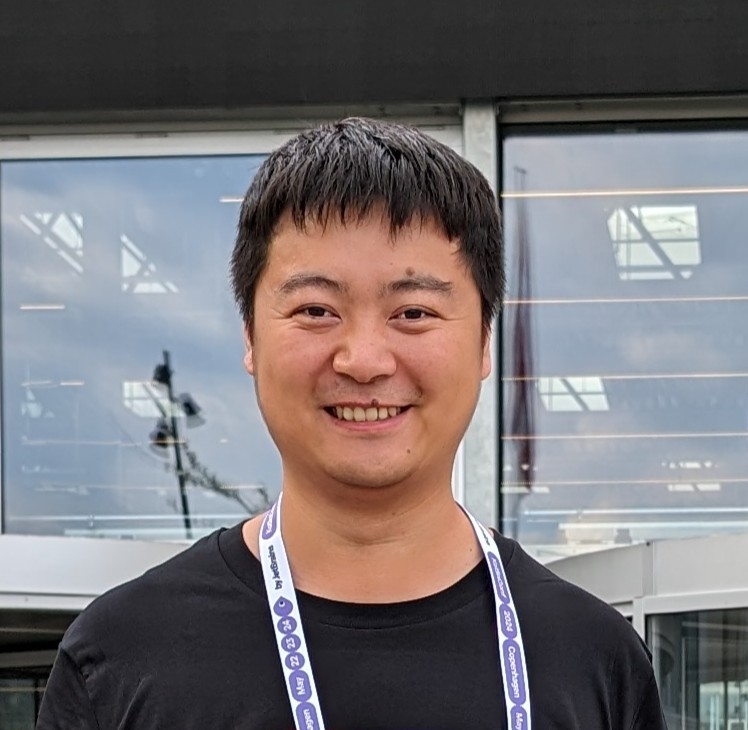
As one of the earliest developers to adopt KMP in China, I established a KMP WeChat community to connect developers, and I have been glad to see an increasing number of companies successfully adopt KMP.
What did winning a Golden Kodee feel like?
Matheus: It meant a lot to me. In many ways, it felt like a validation of my long journey in education. I’ve been working professionally in technology for more than 20 years and teaching for 13 years. It’s honestly very difficult to describe what I felt when I won. It was incredibly gratifying. Without a doubt, it was the biggest award of my career.
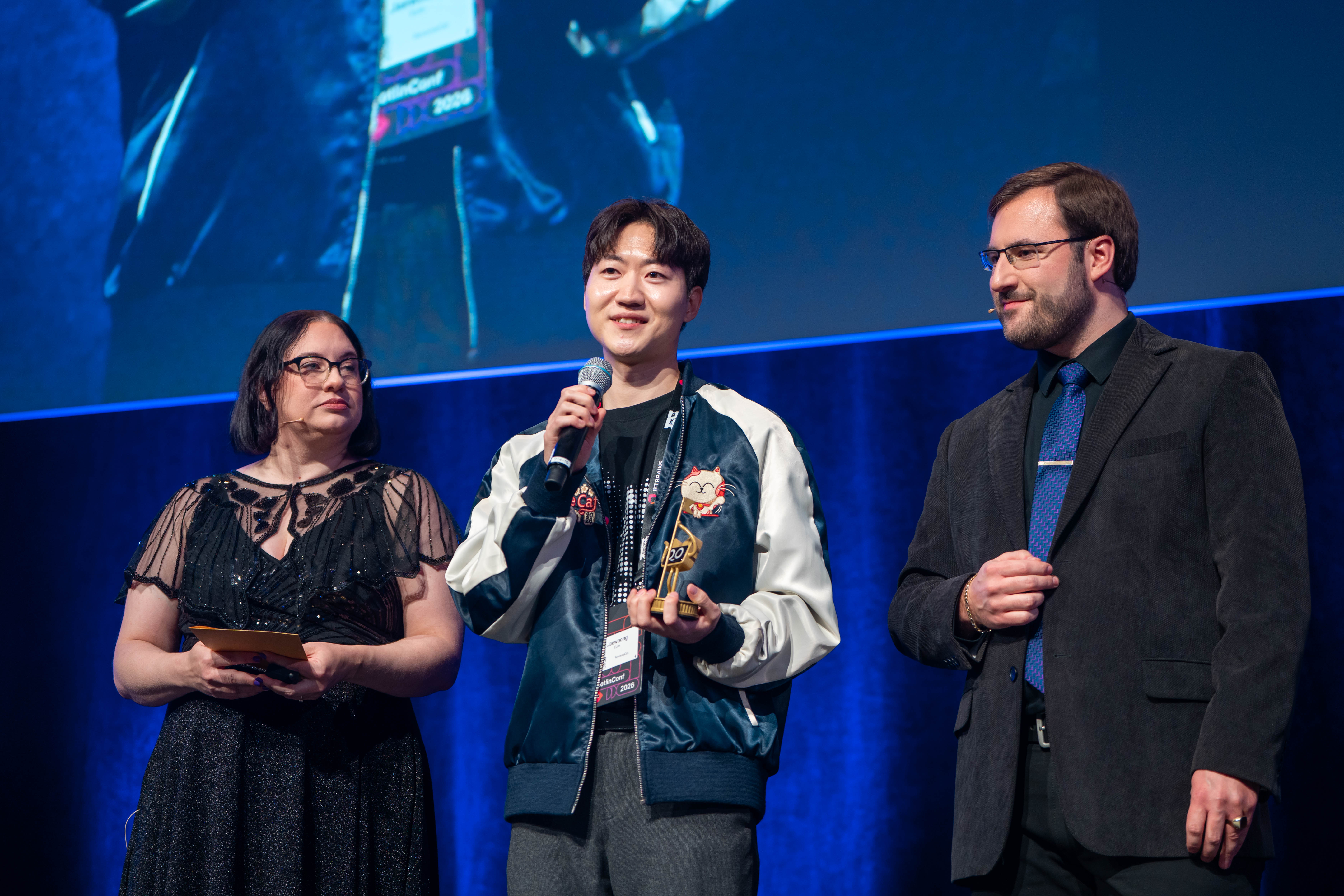
Jaewoong: I’m truly honored to have received the Golden Kodee Award. I’ve received so much appreciation and encouragement from the community about this win, and it has motivated me. I felt so many positive vibes from everyone throughout the experience. To be honest, even though I’ve been consistently contributing to the community over the years, I don’t often get an opportunity to directly hear words of appreciation from people. But through this award, I was able to feel that gratitude in a very real way, and it genuinely made my heart beat faster. It reminded me again why I love being part of this community and why I want to keep contributing.
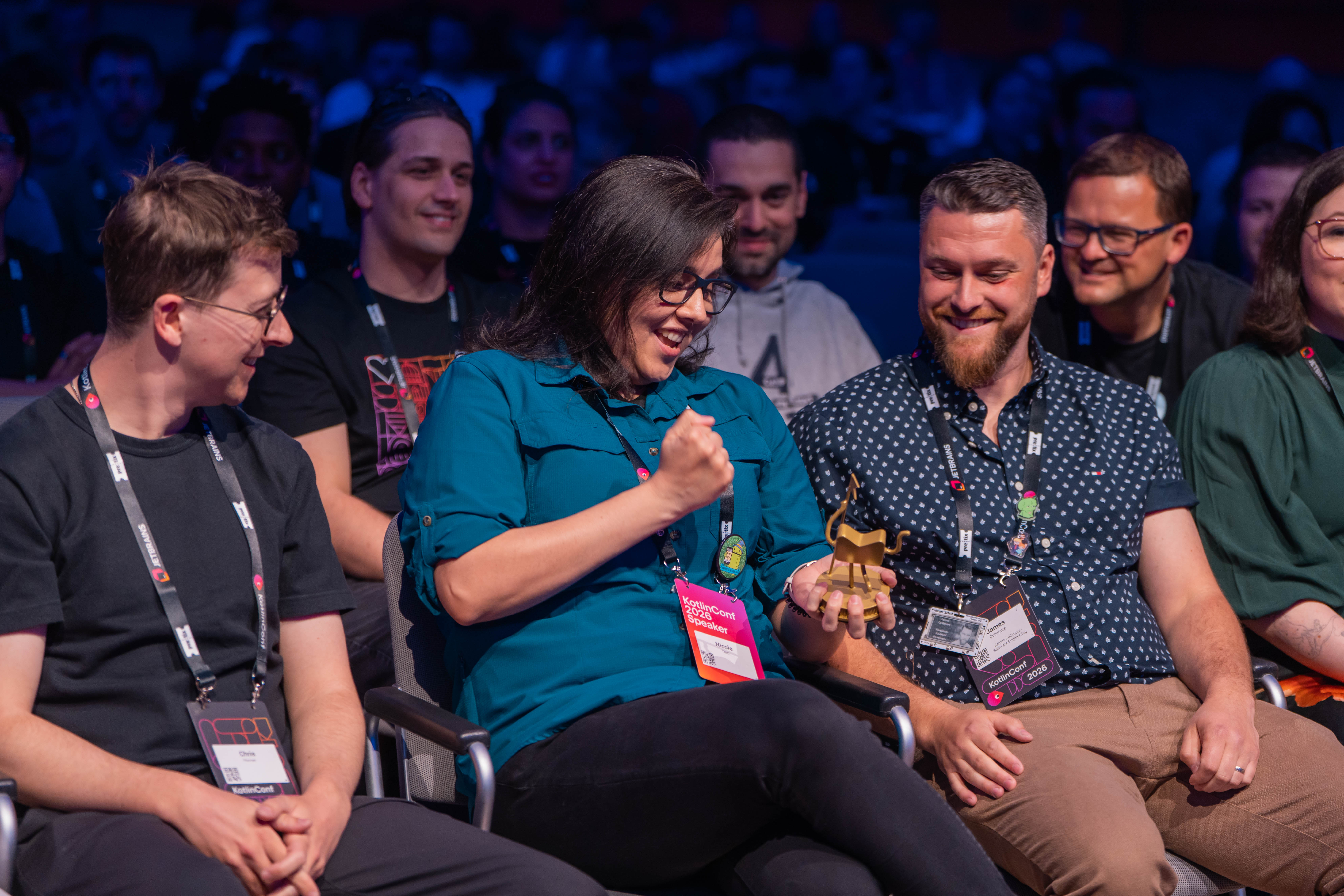
Nicole: It was really surprising at first, then I felt really humbled and seen. We don’t get enough awards in the community, so having all the hard work recognized was a welcome change.
Eeva-Jonna: Awesome. The reason I do what I do is that I enjoy it and want to share knowledge and help developers create more inclusive apps. In a sense, it’s a niche topic that doesn’t get much attention compared to many other topics, so being recognized with a Golden Kodee truly meant a lot.
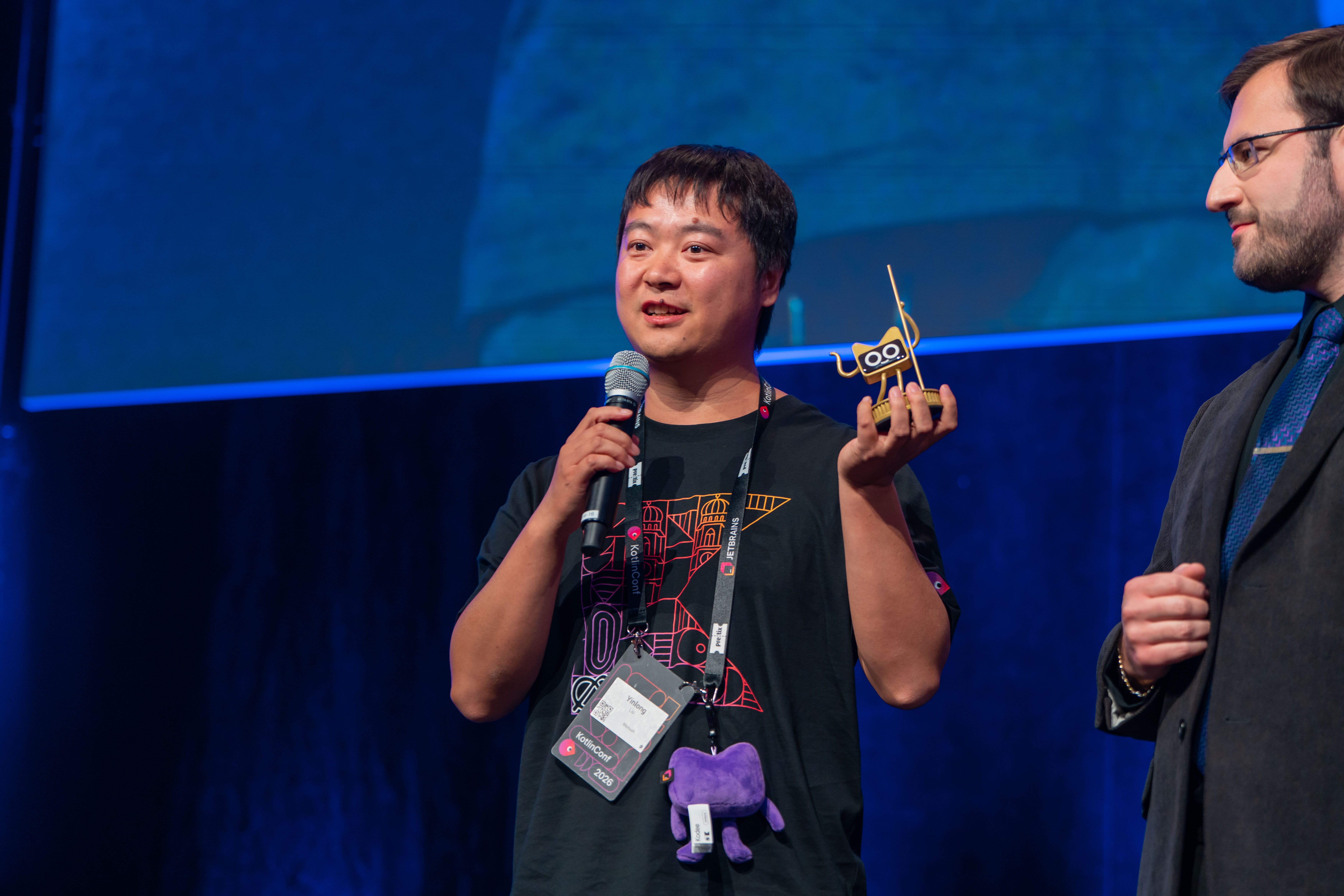
Yinlong: It feels truly joyful, honorable, and exciting. Having been a practitioner and advocate of KMP for about six years, I have integrated Kotlin and KMP into my work, life, and even my faith. I have grown my own influence through KMP. I also have a special connection to the color purple: it is not only the theme color of Kotlin but also the color of my favorite NBA team, the LA Lakers.

Jaewoong Eum
I’ve received so much appreciation and encouragement from the community about this win, and it has motivated me.
Can you take us back to the beginning: How did you first discover Kotlin? What initially attracted you to it, and what made you stick with it?
Matheus: I started using Kotlin practically from the moment it was introduced for mobile development. At that time, all of my company’s applications were built with Java. Gradually, we migrated all of them to Kotlin, without exception. I also updated the curriculum at the university where I teach, replacing the applications and teaching materials that were previously developed in Java with Kotlin. The language brings a huge range of opportunities. It’s less verbose, constantly evolving, and keeps up with the trends of the professional market. These days, using Kotlin is essential.
Jaewoong: The positive cycle of community keeps going around. Back in 2018, I first discovered Kotlin when well-known people in the open-source community began sharing their experiences using it for Android development. I heard great feedback about its impact on developer productivity, which led me to try it for the first time. At the time, I started using Kotlin because of its Java interoperability and various convenient features. But the more I used it, the more I began to see its true value. Today, Kotlin is undoubtedly my top-choice programming language.
Nicole: My story is similar to many: I was a Java Android developer and adopted it when it got announced as an official Android language. We had an early adopter on our team at the time, so the transition was not hard at all. I stuck with it because of all the goodies it brought into Android: less verbosity, null safety, no use of semicolons, coroutines, etc.
Eeva-Jonna: I was a web developer at a company that didn’t have much web development work in Finland at the time. I was also an accessibility specialist who had just conducted accessibility testing on our Android app, realizing that the situation wasn’t optimal. I spoke with the Android developers and realized no one would have time to fix the issues I found, so I decided to do it myself. This was pretty much what got me started with Kotlin – becoming an Android developer. As mentioned, I come from a JavaScript (okay, okay, TypeScript) background. When I started working on the Android app and Kotlin, I had these constant moments where I realized that a language can actually support so many things, instead of forcing you to build the functions from scratch every single time.
Yinlong: We started around 2020 with Kotlin 1.3.72/1.4.0. KMP’s option for shared business logic code is what initially attracted us. We have apps that cover the Android, Windows (Java-based), and iOS platforms, which require high performance and the handling of heavy business logic, all while having a team predominantly made up of Android developers. KMP perfectly matched our requirements for cross-platform technology. As it has become more stable and we’ve gained experience, we have been gradually expanding the scope of our KMP module.

Matheus Leandro Ferreira
The language brings a huge range of opportunities. It’s less verbose, constantly evolving, and keeps up with the trends of the professional market. These days, using Kotlin is essential.
What do you love most about working with Kotlin today?

Eeva-Jonna Panula
Being able to build once and distribute to different platforms is great, but what I especially enjoy is how KMP handles native implementations.
Matheus: My passion has always been backend development, so what I enjoy the most today is the combination of Kotlin with Spring Boot. It’s something truly fantastic. At the university, I teach the “Mobile Programming” course, and over time, I’ve also been enjoying working more and more with mobile frontend development.
Jaewoong: I first started using Kotlin because it was 100% compatible with the JVM ecosystem. Over time, it became my primary programming language. What I love most is that Kotlin has grown far beyond the JVM and Android. Today, it can be used actively across many multiplatform development scenarios, which makes it even more powerful and practical. Another thing I really appreciate about Kotlin is its ecosystem. The Kotlin Foundation is deeply committed to maintaining and growing the Kotlin ecosystem. Through initiatives like the Kotlin Evolution and Enhancement Process, they actively communicate with the community and listen closely to user feedback to improve the language. I think this is one of the biggest differences that sets Kotlin apart from many other language ecosystems. I’m also fascinated by the fact that Kotlin enables more advanced, low-level work through tools like Kotlin compiler plugins and KSP. These open the door for using the language at a much higher level, and they’re a big part of what makes Kotlin so compelling to me.
Nicole: Coroutines. The concurrency handling in Kotlin is pretty good.
Second place is KMP. I really appreciate the potential of porting Android apps to many other platforms.
Eeva-Jonna: From a language perspective, it’s the APIs and the way you can write code intuitively. Extension functions and collection APIs make my life so much easier, and even after years of happily being away from the JS world, I still appreciate these features every day. I also love working with Kotlin Multiplatform. Being able to build once and distribute to different platforms is great, but what I especially enjoy is how KMP handles native implementations. If there’s something I can’t do in Kotlin, I can just drop down to native code to get it done. That flexibility is really powerful.
Yinlong: I love ❤️ Kotlin. I just love everything about it.
What are you currently building or experimenting with in Kotlin?
Matheus: Currently, at the company, I’ve been exploring the backend side a lot with Ktor (and also Spring Boot with Kotlin). I’m building a REST API for our BI platform. The idea is to use Kotlin to improve performance, concurrency with Coroutines, and the overall expressiveness of the code compared to our Java legacy systems. The experience with the clean syntax and null safety in a microservices ecosystem has been fantastic. At the university, I’m focused on Kotlin Multiplatform (KMP). I’ve been experimenting with sharing business logic between Android and iOS in a project with my students. It’s amazing to see how much the technology has matured, allowing us to reuse almost the entire data and architecture layers without losing the native experience of each platform. I’m also keeping a close eye on Compose Multiplatform for UI development.
Jaewoong: I work on a variety of projects with Kotlin, like Compose Stability Analyzer, but the one I’ve been focusing on most recently is Compose HotSwan. HotSwan is a Hot Reload system for real Android devices. When you make changes in the editor, it applies those changes to the currently running app in under a second and immediately shows the result. Some parts are implemented at a lower level, including C++, but most of the system is written in Kotlin across multiple layers, including the Kotlin Compiler Plugin, Gradle plugin, and IntelliJ IDE plugin. Building a Hot Reload system itself requires a very complex workflow, but Kotlin’s broad language and tooling support made the process much more approachable. HotSwan is still in the early stages of adoption, and it is one of the first Hot Reload solutions for Android and Jetpack Compose. Looking ahead, I see it becoming a next-generation mobile client development solution, especially when combined with AI to create a much faster UI development feedback loop.
Nicole: I’m officially working with Kotlin as a professional Android engineer. In my personal time, I’m building a private boardgame-related app and playing with new ideas with my Filament project.
Eeva-Jonna: I’m building an app with Kotlin Multiplatform (currently for Android and iOS). It’s a planner app for women and anyone with cycles, combining cycle tracking, calendars, notes, tasks, and more into one app. Currently, we’re collecting waitlisters and have started testing rounds. I’ve enjoyed building the app with Kotlin Multiplatform. Everything is mostly written in Kotlin, but some things have required a native implementation, which has been easy to implement.
Yinlong: Nothing at the moment.
What advice would you give to developers who want to become more active in the Kotlin community?

Nicole Terc
In my opinion, the point of participating in a community should be to share and grow together, not to be famous.
Matheus: The best advice I could give is: learn in public. You don’t need to be an expert in the ecosystem to contribute. If you spent two hours struggling to configure Coroutines or to get a Kotlin Multiplatform (KMP) project running and finally figured it out, document it. Write a short article on Dev.to, make a LinkedIn post, or create a GitHub repository explaining the solution. What may seem simple to you could be a lifesaver for another developer.
Jaewoong: The community is always open to everyone, but it can take time to truly understand what “community” means. Contributing to a community is not something you do because you expect something in return. It is more about sharing what you have learned, helping others who are facing similar challenges, and slowly becoming part of a positive cycle where everyone learns from each other. My advice is to start small. You don’t need to be a famous speaker or an experienced open-source maintainer from day one. You can write about something you just learned, answer a question, report an issue, improve documentation, or share a small Kotlin example that helped you. Over time, those small contributions build trust, relationships, and confidence. And most importantly, they remind you that the Kotlin community is not just about the language itself, but about the people who keep learning, building, and helping each other grow.
Nicole: Reach out to local meetups. Be proactive with socializing and sharing what you are doing without worrying about the clout. In my opinion, the point of participating in a community should be to share and grow together, not to be famous.
Eeva-Jonna: I would say that the most important thing is to start. Whatever it is you want to do, start doing it. If you want to do public speaking, meetups are usually looking for speakers, and many conferences support first-time speakers. If you want to start creating content, just start. You won’t get it perfect the first time anyway, so better start practicing sooner rather than later. Also, find people who can help you. Reach out to others who are doing what you want to do and ask if they can help. Sometimes the answer might be “no” because, e.g. they don’t have enough time, but many times you get a “yes” and some help.
Yinlong: My advice is to use Kotlin to implement your ideas and actively communicate and share your findings with others.
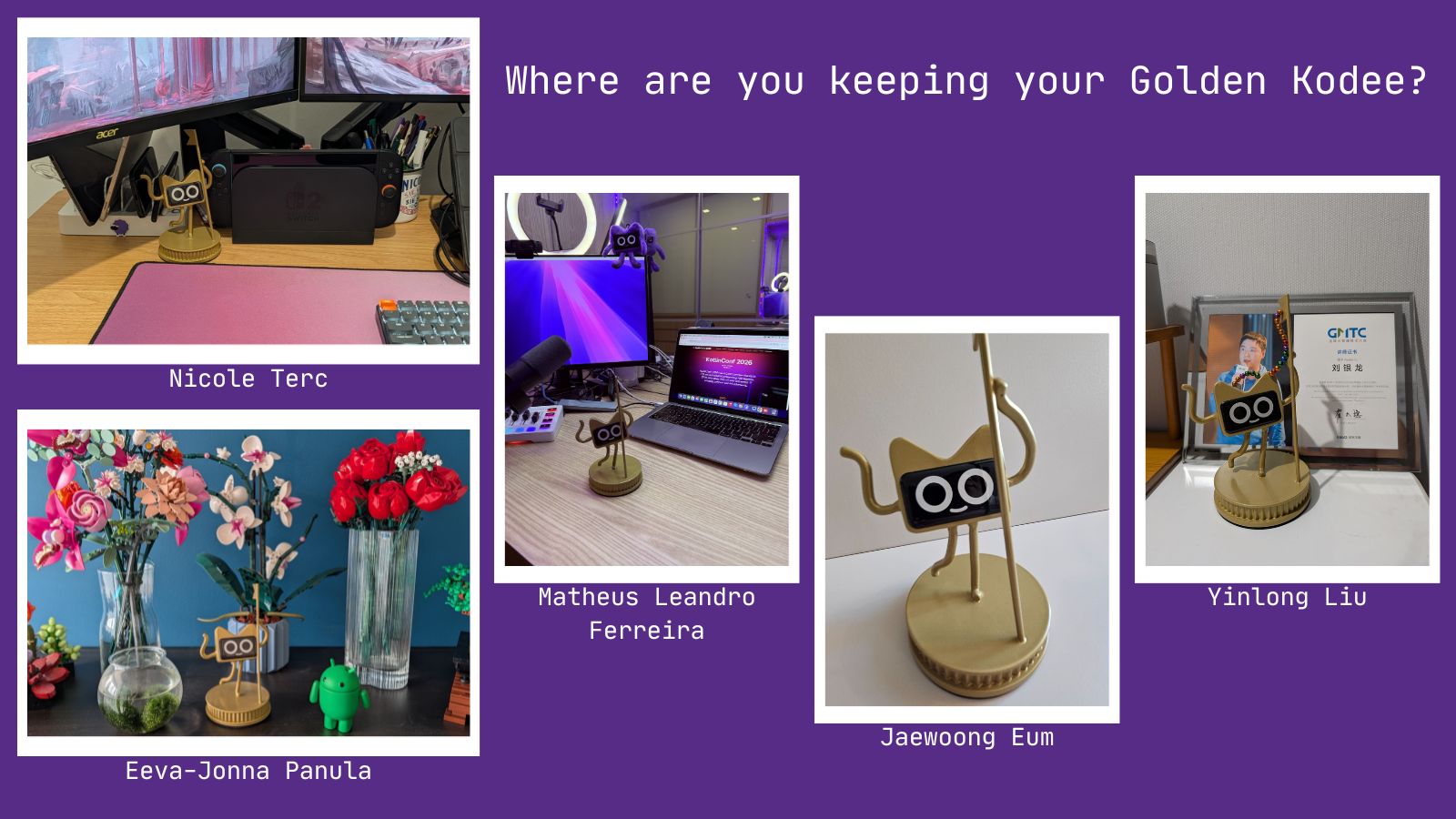
Where are you keeping your Golden Kodee?
The stories of this year’s Golden Kodee winners show that there are many ways to make a meaningful impact on the Kotlin community. We hope their journeys and advice have inspired you as much as they have inspired us.
Subscribe to Kotlin Blog updates