


惯性聚合 高效追踪和阅读你感兴趣的博客、新闻、科技资讯
阅读原文 在惯性聚合中打开

推荐订阅源

The GitHub Blog
The GitHub Blog
IT之家
IT之家
B
Blog RSS Feed
罗磊的独立博客
GbyAI
GbyAI
博客园 - Franky
Y
Y Combinator Blog
Cyber Security Advisories - MS-ISAC
Google DeepMind News
博客园 - 聂微东
N
Netflix TechBlog - Medium
博客园 - 三生石上(FineUI控件)
人人都是产品经理
人人都是产品经理
U
Unit 42
博客园 - 叶小钗
Jina AI
Jina AI
MyScale Blog
MyScale Blog
雷峰网
雷峰网
B
Blog
Hugging Face - Blog
Hugging Face - Blog
Blog — PlanetScale
Blog — PlanetScale
Recent Announcements
腾讯CDC
酷 壳 – CoolShell
酷 壳 – CoolShell

BloombergNEF

Low-Carbon Bank Financing Tops $1 Trillion, Nears Fossil Fuels | BloombergNEF Energy Supply Ratios 2026 | BloombergNEF Renewables Go Local in Developing Markets | BloombergNEF Six Ways India Is Redefining Energy Risk: Dispatch From the BNEF Summit New Delhi 2026 | BloombergNEF Japan's Energy Transition Enters New Phase Shaped by Rising Electricity Demand and Energy Security Needs, Per BloombergNEF's New Energy Outlook 2026: Japan | BloombergNEF Global Gas Turbine Manufacturing Outlook: Crunch, for Now | BloombergNEF BloombergNEF’s South Africa Transition Factbook: Power-Market Reform and Private Investments Drive Energy Transition | BloombergNEF test social MENA Clean Energy Market Outlook 2026 | BloombergNEF Six Months In: The Iran War’s Global Impact | BloombergNEF Renewable Energy Investments Show One Booming Sector | BloombergNEF Bank of America’s ‘Robust’ AI Data Center Deal Pipeline: Q and A | BloombergNEF test social Six Things to Know About BNEF’s New US Data Center Capacity Outlook | BloombergNEF Sustainable Aviation Fuel Price Outlook: Leveling Off | BloombergNEF Solar Set to Rule World’s Power Supply: Three Things to Know | BloombergNEF Energy Transition Impacts: Sector and Country Impacts from a Demand-Driven Model | BloombergNEF BloombergNEF Turkey Transition Factbook 2026: Clean Power Growth Positions Turkey for the Next Phase of Its Energy Transition | BloombergNEF Competitiveness, Cost and Climate: Five Themes From the BNEF Summit Amsterdam | BloombergNEF Electric Vehicle Outlook | BloombergNEF BloombergNEF’s Electric Vehicle Outlook 2026: Global EV Sales Set For Another Record-Breaking Year, But Growth in Some Major Markets Slows | BloombergNEF Mexico Transition Factbook 2026 Have Oil Prices Already Peaked? Three Things to Know Liebreich: The Great Clean Energy Acceleration 2.0 Global Clean-Energy Trade Rebounds to $479 Billion in 2025 Despite Tariffs and Geopolitical Turmoil: BloombergNEF New Energy Outlook 2026 New Energy Outlook 2026 BloombergNEF’s New Energy Outlook 2026: Transition to Newer Technologies, Expanded Electrification to Strengthen Nations’ Energy Security Energy Transition Bank Financing Struggles to Pull Ahead of Fossil Fuels in Asia Data Centers and the Future of Energy Storage
Global Gas Turbine Manufacturing Outlook: Crunch, for Now...
ajacob84 · 2026-09-11 · via BloombergNEF
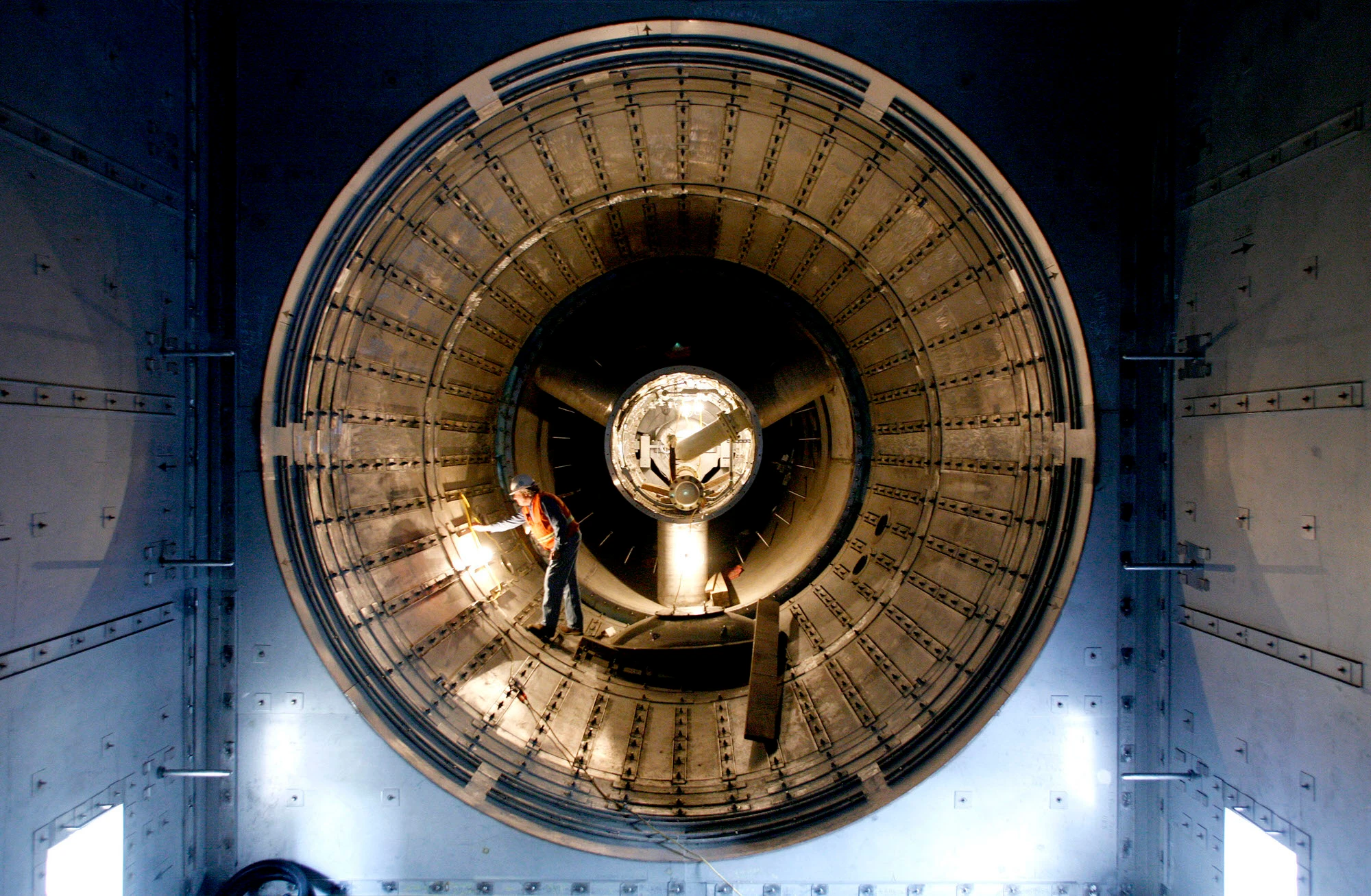
gas Can gas turbine manufacturing keep pace with surging global demand? Explore how capacity is projected to rise more than 50% to 102GW by 2030 and what could turn today’s scarcity into tomorrow’s oversupply.

Executive Summary

Strong demand has stretched gas turbine manufacturing capacity globally, lengthening delivery times for advanced machines. BloombergNEF’s bottom-up database of 44 assembly facilities across 26 manufacturers shows announced expansions lifting annual output by more than half by 2030. However, if power demand softens, today’s scarcity could become tomorrow’s overcapacity.

  • GE Vernova, Siemens Energy and Mitsubishi Heavy Industries control about 66% of global manufacturing capacity share today, rising to roughly 70% by 2030. They supply 28GW of the 35GW added over that period, almost all of it from expansions at existing plants rather than new greenfield sites.
  • Manufacturers outside the big three hold about a third of global capacity today and supply roughly 20% of the new capacity additions to 2030. Caterpillar’s Solar Turbines expands by close to 80%, Doosan Enerbility more than doubles on the back of US orders, and Baker Hughes and Ansaldo Energia both expand their assembly lines, each by 28%.
  • Heavy-frame turbines take up almost four-fifths of the additions, growing 59% and lifting their share to 72% by 2030 as utilities and data center-linked projects buy for scale and efficiency. Industrial turbines grow 41% and aeroderivatives 39%, held back by upstream bottlenecks and competition from aerospace, oil and gas and defense sectors for same parts.
  • The limiting factors for turbine delivery now lie in the stages preceding final assembly. Capacity depends on upstream suppliers keeping pace across some areas flagged by the industry as concerns: single-crystal blades and vanes, structural forgings, specialty alloys, rare-earth feedstock, generators, controls, heat recovery steam generators, and skilled labor.
  • Today’s scarcity does not rule out oversupply tomorrow. The industry has experienced past booms and busts leading to plant closures, supply chain consolidation and bankruptcies. Softer AI-driven power demand, slipping construction readiness or competition from cheaper batteries could push the industry back toward underused plants.

Related Content

The latest from BloombergNEF delivered to your inbox

Sign up for BNEF’s free newsletter.