



惯性聚合 高效追踪和阅读你感兴趣的博客、新闻、科技资讯
阅读原文 在惯性聚合中打开

推荐订阅源

Y
Y Combinator Blog
博客园 - 司徒正美
TaoSecurity Blog
TaoSecurity Blog
Martin Fowler
Martin Fowler
T
Threat Research - Cisco Blogs
Blog — PlanetScale
Blog — PlanetScale
S
Secure Thoughts
博客园 - 三生石上(FineUI控件)
K
KPMG report finds enterprise disconnect between AI and its ROI | CIO
K
Kaspersky official blog
cs.CL updates on arXiv.org
Cisco Talos Blog
Cisco Talos Blog
H
Help Net Security
博客园 - 叶小钗
爱范儿
爱范儿
GbyAI
GbyAI
I
Intezer
M
MIT News - Artificial intelligence
Latest news
Latest news
Schneier on Security
T
Tor Project blog
Simon Willison's Weblog
I
InfoQ
Threat Intelligence Blog | Flashpoint
Cyber Security Advisories - MS-ISAC
C
CXSECURITY Database RSS Feed - CXSecurity.com
罗磊的独立博客
N
News and Events Feed by Topic
T
The Blog of Author Tim Ferriss
V2EX - 技术
V2EX - 技术
B
Blog
T
Tailwind CSS Blog
N
Netflix TechBlog - Medium
Security Latest
Security Latest
V
V2EX
F
Fortinet All Blogs
Forbes - Security
Forbes - Security
Application and Cybersecurity Blog
The Hacker News
The Hacker News
Scott Helme
Scott Helme
P
Privacy International News Feed
P
Palo Alto Networks Blog
H
Heimdal Security Blog
C
Cisco Blogs
T
The Exploit Database - CXSecurity.com
博客园 - Franky
酷 壳 – CoolShell
酷 壳 – CoolShell
G
Google Developers Blog
W
WeLiveSecurity
L
LINUX DO - 最新话题

The JetBrains Blog

JetBrains Air lands on Windows - The JetBrains Blog The Role of Static Code Analysis in Fintech Compliance Kotlin Notebook Sunset - The JetBrains Blog Open-Sourcing the LSP Client API in IntelliJ IDEA 2026.2 - The JetBrains Blog The Dev Containers Story: Introducing EelApi for Plugin Authors - The JetBrains Blog Cursor's $60B Acquisition - Qodana Codex is now the recommended agent in JetBrains IDEs - The JetBrains Blog SSH Connections Are Moving to JetBrains Daemon in the Toolbox App 3.6 EAP - The JetBrains Blog Your AI Agent Keeps Missing The Real Bottleneck. JetBrains Rider Can Fix It Now. - The JetBrains Blog Rust Web Development 2026: The Problems Nobody Talks About Our Research on Membership Inference Attacks and Preventing Privacy Leaks - The JetBrains Blog Explicit Lazy Imports Are Coming to Python 3.15 - The JetBrains Blog Kotlin Toolchain 0.11: The Next Step for Amper - The JetBrains Blog YouTrack Helpdesk Now Includes Customer Groups - The JetBrains Blog How to Win a Hackathon: Notes From the Judging Table - The JetBrains Blog How We Measure the ROI of JetBrains IDEs - The JetBrains Blog AWS Image Builder Plugin for TeamCity - The JetBrains Blog PHP Version Migration | Jetbrains Qodana Bamboo End of Life: How to Prepare and Choose the Right CI/CD Replacement - The JetBrains Blog Structuring IntelliJ Plugins with Optional Content Modules - The JetBrains Blog YouTrack Security Update: Upgrade Required for YouTrack Server - The JetBrains Blog Qodana Is a Finalist in the 2026 CODiE Awards for Best DevOps Tool - The JetBrains Blog JetBrains Marketplace Ecosystem Security Update: Addressing Malicious Third-Party AI Plugins - The JetBrains Blog Your JetBrains IDE Expertise, Now on LinkedIn - The JetBrains Blog The JetBrains AI Coding Agent moves to general availability Step Rejection Fine-Tuning: Squeezing More Signal from Noisy Agent Trajectories - The JetBrains Blog The Anthropic Debate - The Qodana Blog dotInsights | June 2026 | The .NET Tools Blog Inside JetPride: How JetBrains Employees Built an LGBTQIA+ Community | The Life at JetBrains Blog MPS 2026.1 Release Candidate Arrives | The MPS Blog Best Python AI Frameworks in 2026 | The PyCharm Blog Contribute to the State of PHP Survey | The PhpStorm Blog The Rules of Zero, Three and Five - The Qodana Blog Modern C++ Support in CLion: What’s New | The CLion Blog Agentic AI Governance: Designing for Accountability and Control | The JetBrains AI Blog JetBrains Plugin Developer Conf 2026 – Call for Speakers | The JetBrains Platform Blog Fewer False Positives in RustRover 2026.2|The RustRover Blog Rider 2026.2 EAP 5: Code Quality Checks for Your AI Agents, and More. | The .NET Tools Blog Java Annotated Monthly – June 2026  | The IntelliJ IDEA Blog IntelliJ IDEA 2026.1.3 Is Out! | The IntelliJ IDEA Blog RustRover at RustWeek 2026 | The RustRover Blog WPF Hot Reload Is Here: Edit Your XAML and Watch It Update Live in Rider | The .NET Tools Blog Kotlin 2.4.0 Released | The Kotlin Blog IntelliJ IDEA 2025.3.6 Is Out! | The IntelliJ IDEA Blog Async VFS Content Writes - What Plugin Authors Need to Know | The JetBrains Platform Blog Top Agentic Frameworks for Building Applications 2026 | The PyCharm Blog Toolbox App 3.5: Better Remote Development Observability, More Reliable Enterprise Configuration, and Smoother Everyday Interactions | The Toolbox App Blog Stop Pasting Tokens: OAuth2 Login for JetBrains IDE Plugins | The JetBrains Platform Blog Fix Common TypeScript Issues | The Qodana Blog Mellum2 Goes Open Source: A Fast Model for AI Workflows | The JetBrains AI Blog What Does It Actually Take for an IDE to Understand Rust? Hibernate 7.4 New Features | The IntelliJ IDEA Blog How We Use AlphaEvolve to Make Complex IDE Algorithms Faster | The JetBrains AI Blog JetBrains Academy – May Digest | The JetBrains Academy Blog TeamCity 2026.1.1 Is Now Available | The TeamCity Blog The Upcoming Sunset of DataSpell | The DataSpell Blog Deprecating dotMemory Unit | The .NET Tools Blog Koog 1.0 Is Out: Stable Core, Better Interop, and Multiplatform Observability | The JetBrains AI Blog Introducing the Cloud9 JetStream Theme for JetBrains IDEs | The JetBrains Blog Build a Live Object Detection App for the Reachy Mini With TensorFlow and PyCharm | The PyCharm Blog IntelliJ IDEA 2026.2 EAP Is Open | The IntelliJ IDEA Blog How AI Agents Can Work with TeamCity | The TeamCity Blog
Why Zig Isn’t 1.0 (Yet) | The JetBrains Blog
James Hilton · 2026-06-05 · via The JetBrains Blog

Community Developer Recognition Ecosystem Interviews Language design Languages

Most programming languages follow a familiar trajectory: early experimental releases, rapid iteration, and then – at some point – a 1.0 version that signals stability and the potential for serious adoption.

Zig hasn’t followed that well-trodden path. What could be the reason?

Andrew Kelley quit his job in 2018 to build a programming language. Eight years later, Zig powers Ghostty, TigerBeetle, and Uber’s cross-compilation. It’s in the top five most admired languages on Stack Overflow. But there’s just one thing missing – a 1.0 release. For many engineers, that raises a rather obvious question: “What’s taking so long?” And perhaps more importantly: “Is that a cause for concern?”

In a recent conversation with JetBrains, Zig creator Andrew Kelley dealt with those questions pretty directly. And the answers might just surprise you!

🎥 Watch the full interview here → https://jb.gg/andrew-kelley-zig-interview

Andrew Kelley during the interview shoot at the JetBrains office in Amsterdam

A familiar milestone with an unfamiliar definition

In most ecosystems, version 1.0 carries clear implications of stability, maturity, and a commitment to backward compatibility. It’s the signal many teams wait for before adopting a technology in production.

But as Kelley points out, that definition is less clear-cut than it might first appear. A 1.0 release, at its core, is simply a promise – a guarantee that future changes won’t break existing code. Beyond that, it says surprisingly little about whether a language is actually ready for long-term use.

Different languages have interpreted that milestone in very different ways. Some locked things down early and avoided making significant changes thereafter. Others shipped 1.0 and continued evolving rapidly under the hood. The version number stayed the same, but the language kept on changing.

Zig has taken an entirely different route.

Deliberately not shipping

What stands out in Kelley’s perspective is that Zig’s missing 1.0 isn’t an oversight or a delay – it’s a deliberate choice.

Rather than rushing to declare stability, the project is optimizing for something else: getting the fundamentals right before locking them in.

That decision becomes easier to understand when you look at how Zig is built and maintained. Unlike many modern language ecosystems, Zig isn’t backed by venture funding or driven by corporate timelines. It’s developed by a small, independent team under a nonprofit foundation, supported largely by individual donors.

That structure removes a common source of pressure for its developers.

There’s no need to hit growth targets, no requirement to ship a milestone release just for optics, and no external force pushing the project toward a premature definition of “done”. The result is a development process that can afford to be patient, and in some cases, even intentionally slow.

But that patience naturally comes with trade-offs.

Vitaly Bragilevsky and Andrew Kelley during the interview shoot

The cost of waiting

There’s little doubt that a 1.0 release would accelerate Zig’s adoption. Many companies and developers use this label as a gating signal or a synonym for trust.

Kelley acknowledges this openly. When Zig eventually reaches 1.0, adoption will likely jump.

And yet, the project continues to prioritize long-term design over short-term growth.

That tension – between adoption and attention to detail – is where Zig’s approach becomes particularly interesting. Instead of asking “How quickly can we get to 1.0?”, the project is asking a different question:

“What would we regret locking in if we shipped it today?”

That unorthodox yet refreshing framing shifts the goal from speed to permanence.

A different philosophy on progress

Zooming out, this approach isn’t just about version numbers – it reflects a broader philosophy that is visible throughout Zig’s design.

Where some ecosystems embrace a “ship fast, fix later” mentality, Zig is trying to find a middle ground that will enable it to deliver powerful capabilities with minimal complexity, without accumulating long-term design debt.

It’s an approach Kelley describes as aiming to “do more with less”, which translates to finding leverage in simplicity rather than layering on features or abstractions.

That philosophy extends beyond the language itself. It shapes decisions about tooling, dependencies, and even community processes. The central theme is consistency: Avoid unnecessary complexity now, so you don’t have to support it forever.

From that perspective, Zig’s delay in reaching 1.0 isn’t hesitation – it’s restraint.

Rethinking what “ready” means

All of this raises a broader question that goes beyond Zig: What does it actually mean for a technology to be “ready”?

If 1.0 is just a compatibility promise, is it the right signal to rely on? Or has it become a proxy for something more nuanced, like trust, ecosystem maturity, or long-term stability?

Zig’s approach challenges a fundamental premise behind the question. It suggests that readiness might not be a single milestone, but the result of a series of deliberate decisions about what not to finalize too early.

Whether that approach ultimately accelerates or limits adoption remains to be seen.
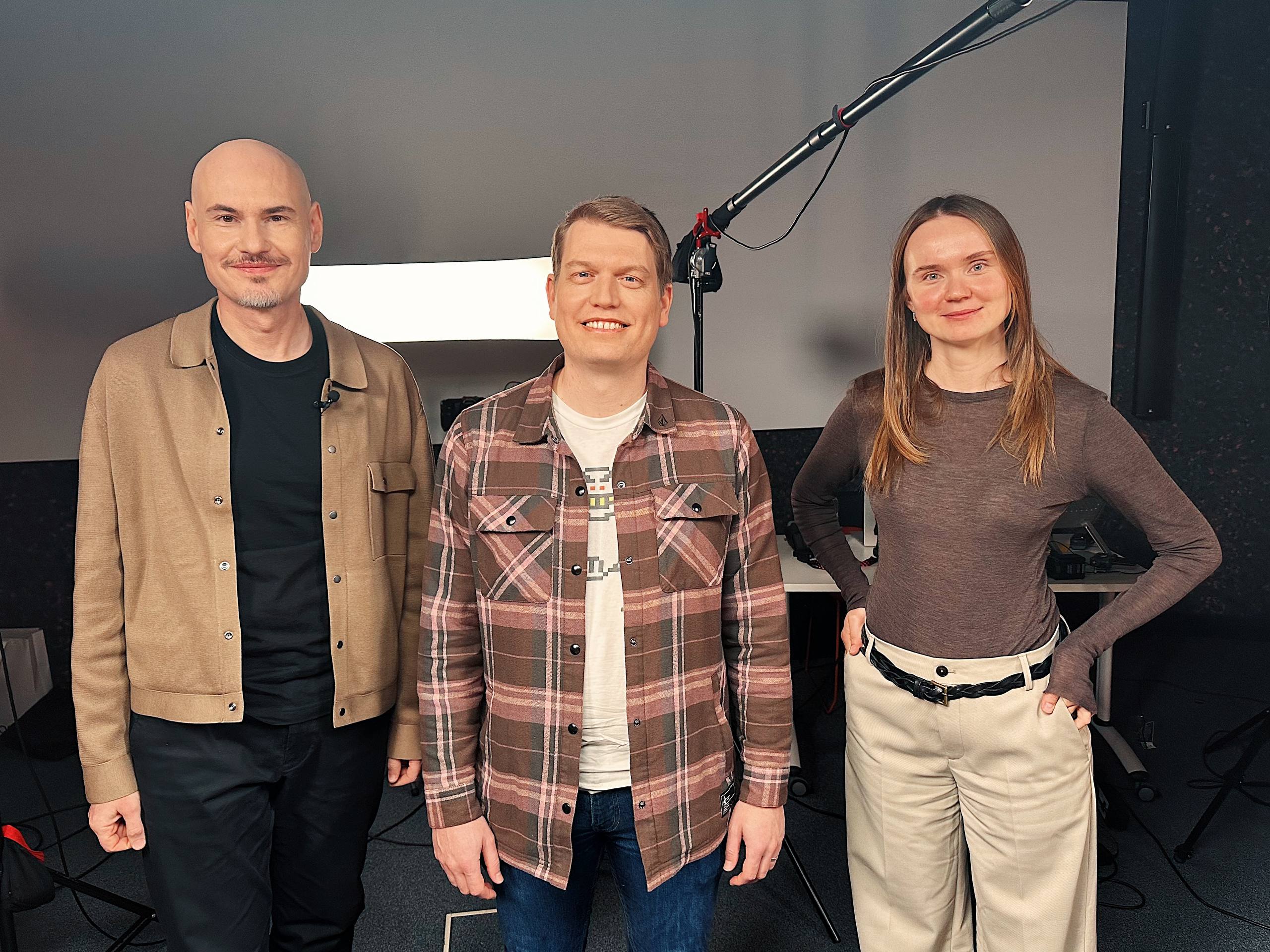
From left to right: Vitaly Bragilevsky (host), Andrew Kelley (guest), and Oxana Mazurchak (project owner and showrunner)

Watch the full conversation

As interesting as all this has been, it’s just one thread of a much wider discussion. In the full interview, Andrew Kelley dives into topics ranging from Zig’s positioning relative to C and Rust, to its stance on AI-generated contributions, to what the next decade of programming might look like.

If you’re interested in where systems programming – and language design more broadly – might be heading, it’s well worth checking out. Watch the full video now!

Subscribe to JetBrains Blog updates

Discover more