


惯性聚合 高效追踪和阅读你感兴趣的博客、新闻、科技资讯
阅读原文 在惯性聚合中打开

推荐订阅源

U
Unit 42
B
Blog
博客园 - Franky
H
Help Net Security
freeCodeCamp Programming Tutorials: Python, JavaScript, Git & More
月光博客
月光博客
云风的 BLOG
云风的 BLOG
小众软件
小众软件
酷 壳 – CoolShell
酷 壳 – CoolShell
博客园 - 聂微东
G
Google Developers Blog
大猫的无限游戏
大猫的无限游戏
M
MIT News - Artificial intelligence
罗磊的独立博客
H
Hackread – Cybersecurity News, Data Breaches, AI and More
宝玉的分享
宝玉的分享
L
LangChain Blog
阮一峰的网络日志
阮一峰的网络日志
Cyber Security Advisories - MS-ISAC
Vercel News
Vercel News
V
V2EX
Martin Fowler
Martin Fowler
T
Tailwind CSS Blog
有赞技术团队
有赞技术团队

BloombergNEF

Low-Carbon Bank Financing Tops $1 Trillion, Nears Fossil Fuels | BloombergNEF Energy Supply Ratios 2026 | BloombergNEF Six Ways India Is Redefining Energy Risk: Dispatch From the BNEF Summit New Delhi 2026 | BloombergNEF Japan's Energy Transition Enters New Phase Shaped by Rising Electricity Demand and Energy Security Needs, Per BloombergNEF's New Energy Outlook 2026: Japan | BloombergNEF Global Gas Turbine Manufacturing Outlook: Crunch, for Now | BloombergNEF Global Gas Turbine Manufacturing Outlook: Crunch, for Now | BloombergNEF BloombergNEF’s South Africa Transition Factbook: Power-Market Reform and Private Investments Drive Energy Transition | BloombergNEF test social MENA Clean Energy Market Outlook 2026 | BloombergNEF Six Months In: The Iran War’s Global Impact | BloombergNEF Renewable Energy Investments Show One Booming Sector | BloombergNEF Bank of America’s ‘Robust’ AI Data Center Deal Pipeline: Q and A | BloombergNEF test social Six Things to Know About BNEF’s New US Data Center Capacity Outlook | BloombergNEF Sustainable Aviation Fuel Price Outlook: Leveling Off | BloombergNEF Solar Set to Rule World’s Power Supply: Three Things to Know | BloombergNEF Energy Transition Impacts: Sector and Country Impacts from a Demand-Driven Model | BloombergNEF BloombergNEF Turkey Transition Factbook 2026: Clean Power Growth Positions Turkey for the Next Phase of Its Energy Transition | BloombergNEF Competitiveness, Cost and Climate: Five Themes From the BNEF Summit Amsterdam | BloombergNEF Electric Vehicle Outlook | BloombergNEF BloombergNEF’s Electric Vehicle Outlook 2026: Global EV Sales Set For Another Record-Breaking Year, But Growth in Some Major Markets Slows | BloombergNEF Mexico Transition Factbook 2026 Have Oil Prices Already Peaked? Three Things to Know Liebreich: The Great Clean Energy Acceleration 2.0 Global Clean-Energy Trade Rebounds to $479 Billion in 2025 Despite Tariffs and Geopolitical Turmoil: BloombergNEF New Energy Outlook 2026 New Energy Outlook 2026 BloombergNEF’s New Energy Outlook 2026: Transition to Newer Technologies, Expanded Electrification to Strengthen Nations’ Energy Security Energy Transition Bank Financing Struggles to Pull Ahead of Fossil Fuels in Asia Data Centers and the Future of Energy Storage
Renewables Go Local in Developing Markets | BloombergNEF
ajacob84 · 2026-09-17 · via BloombergNEF
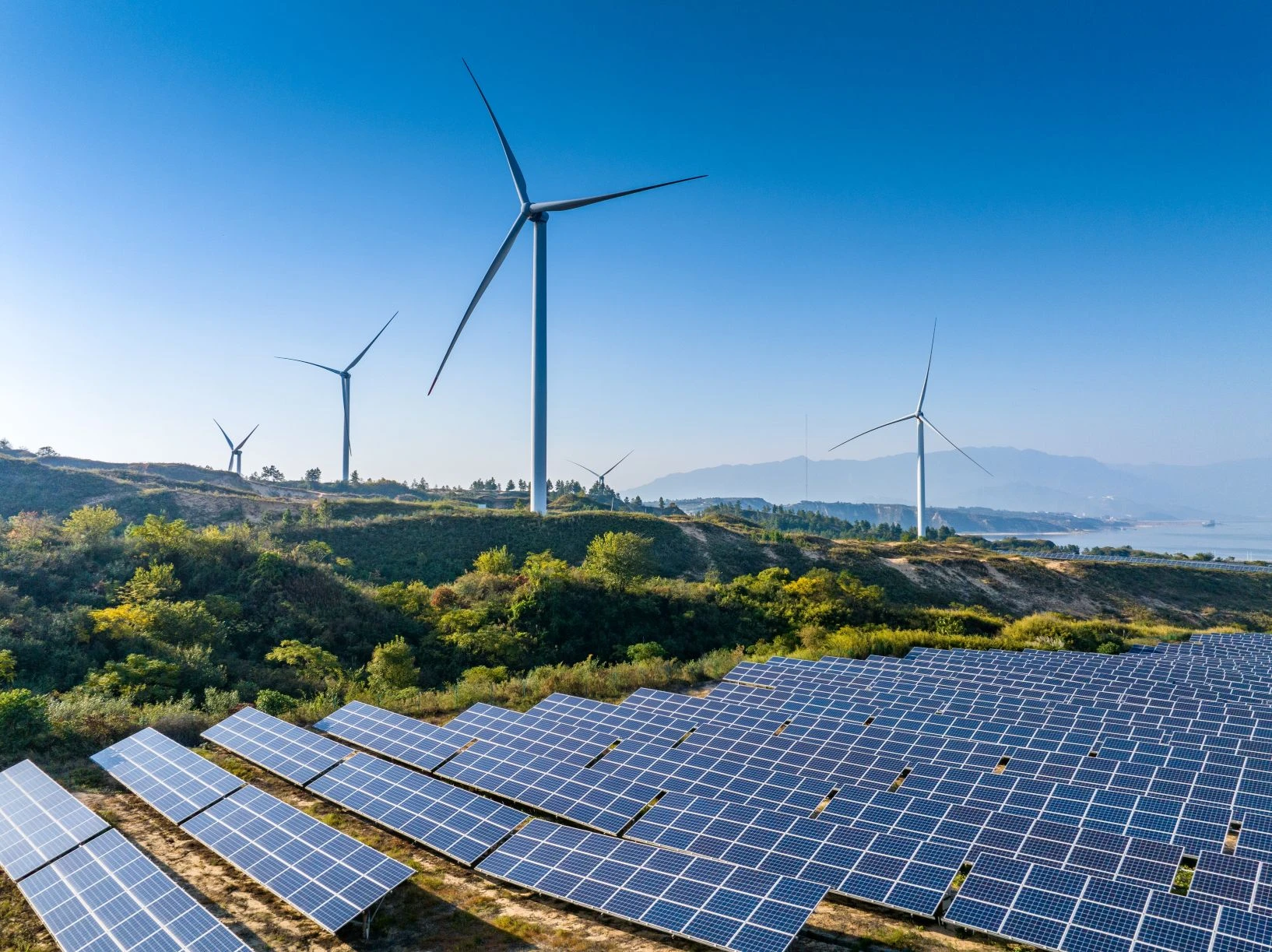
Wind and solar farm

Key Takeaways:

  • $412 billion: Total 2016-2025 new-build utility-scale investment in renewable projects in low- and middle-income economies (excluding mainland China) with disclosed capital providers
  • 68%: Share of 2025 investment provided from sources domestically in low- and middle-income markets
  • 52%: Share received by India, Brazil and Turkey in the past decade

Source: BloombergNEF. Note: Investors are classified at a deal level. Investor nationality is based on the location of the renewable energy asset versus the headquarters of the investor providing debt or equity financing to the asset. See Methodology for more details. Excludes undisclosed investment.

Executive summary

Tracking investment flows in low- and middle-income economies

While global wind/solar investment peaked in 2024, capital deployed in low- and middle-income economies hit a record $140 billion in 2025, with more nations than ever receiving funds from abroad. But this is not primarily a “north-south” story of wealthier nations upping their generosity. Rather, in many cases middle-income economies themselves are proving to be their own major sources of capital.

  • On a dollar basis, investment in low- and middle-income markets (excluding mainland China) remains concentrated. India, Brazil and Turkey received 52% of disclosed renewable utility-scale investment over 2016-2025, while India alone accounted for 29%.
  • Middle-income economies are major providers of capital. Six of the 10 largest provider markets are middle-income, supplying about 48% of total disclosed asset finance.
  • Along similar lines, domestic financing has gained importance, though models vary sharply across markets. A total of 68% of all funding for projects in low- and middle-income markets came from sources operating within those economies in 2025.
  • Private investors are leading the way, supplying about 85% of the asset finance in these markets overall. In low-income economies, about 25% was supplied by development finance institutions.
  • Among blocs, the European Union supplied more than 33% of foreign asset finance, while the US was the largest individual provider among nations. Both are home to major development finance institutions, which played a role in their fund totals. US flows shifted toward India in 2025, with mainland China’s fundings concentrated in Asia Pacific.
  • This report mines BNEF’s proprietary Asset Finance database and primarily focuses on financings with disclosed capital providers.

Related Content

The latest from BloombergNEF delivered to your inbox

Sign up for BNEF’s free newsletter.