





The purpose of communication is to help people understand information and take action. Whether users are reading a webpage, completing a form, or reviewing a policy document, they need content that is clear and easy to understand.
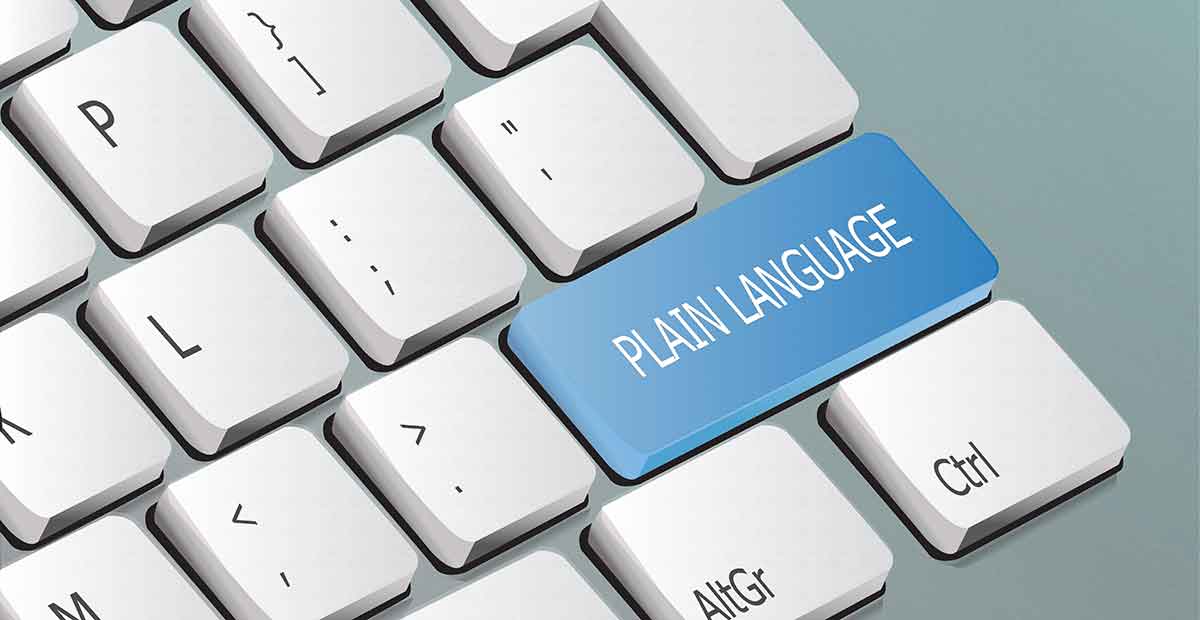
Figure 1. Keyboard with plain language button.
Many factors can affect comprehension. Some users may have cognitive disabilities. Others may be reading in a second language, be unfamiliar with specialized terminology, or simply be trying to find information quickly.
Clear and simple language aligns with accessibility standards by helping users understand information and complete tasks across information and communication technology (ICT), including content, software, and hardware interfaces.
The Plain language guide series helps authors and creators address these challenges. It focuses on communicating information clearly, using familiar words, organizing content logically, and avoiding unnecessary complexity.
Using plain language principles does not mean oversimplifying important information. It means presenting information in a way that helps everyone find what they need, understand what they find, and use that information successfully. Not only is plain language accessible, it’s more efficient and effective.
Simple improvements can make a meaningful difference. Use common words when possible. Explain acronyms and technical terms while avoiding jargon. Write short sentences and organize information with programmatic headings and lists when appropriate. For example:
Before: "comprehension," "facilitate," "interfaces"
Plain language example: Use words people use every day, like "understand," "help," and "screens."
Before: "ICT, such as websites, apps, and software."
Plain language example: "Information and communication technology (ICT), such as websites, applications, and software."
Before: "Users must navigate the interface using assistive modalities."
Plain language example: "People may use tools like screen readers or keyboards instead of a mouse to move through a website."
Accessibility is not only about whether content can be accessed. It is also about whether content can be understood. Plain language helps make information more usable for all audiences.
You can find more information on plain language writing is available by visiting the Plain language guide series, and learn how to include limited cognition into your development requirements by visiting Sample User Stories for Accessible ICT.
Reviewed/Updated: August 2026
此内容由惯性聚合(RSS阅读器)自动聚合整理,仅供阅读参考。 原文来自 — 版权归原作者所有。