



惯性聚合 高效追踪和阅读你感兴趣的博客、新闻、科技资讯
阅读原文 在惯性聚合中打开

推荐订阅源

The GitHub Blog
The GitHub Blog
S
SegmentFault 最新的问题
MyScale Blog
MyScale Blog
有赞技术团队
有赞技术团队
V
Visual Studio Blog
T
The Blog of Author Tim Ferriss
爱范儿
爱范儿
Vercel News
Vercel News
让小产品的独立变现更简单 - ezindie.com
Y
Y Combinator Blog
Blog — PlanetScale
Blog — PlanetScale
D
DataBreaches.Net
美团技术团队
Microsoft Security Blog
大猫的无限游戏
大猫的无限游戏
Cyber Security Advisories - MS-ISAC
酷 壳 – CoolShell
酷 壳 – CoolShell
GbyAI
GbyAI
A
About on SuperTechFans
云风的 BLOG
云风的 BLOG
The Cloudflare Blog
宝玉的分享
宝玉的分享
V
V2EX
Microsoft Azure Blog

Comments for The Eclectic Light Company

Should you try Golden Gate beta? Solutions to Saturday Mac riddles 367 Comment on Last Week on My Mac: Freshen up your documents by David Comment on Happy 250th birthday America 2 by mac Happy 250th birthday America 1 Brushstrokes: Portraits 1760-1877 Spotlight and Core Spotlight are different Comment on Sort order, collation and the Finder by eyelessjerry Comment on Apple has just released macOS 26.5.2 Tahoe by Derek Currie Great Ladies of Impressionism: Marie Bracquemond Comment on Get more from your Mac’s log by extending its duration by John Gilbert Comment on Keep your Mac cool using physics by F Portraits of trees: Coppices and pollards Firmware has become complicated again Comment on Logistician 1.2 fixes a couple of bugs by info395288a4d1d What does Activity Monitor measure? Last Week on My Mac: Spotlight on semantics An American in Paris: paintings of Henry Ossawa Tanner 1902-1930 An American in Paris: paintings of Henry Ossawa Tanner 1880-1902 Great Ladies of Impressionism: Berthe Morisot 1874-1891 What to do with a hot Mac Deprecations and removals from Golden Gate Brushstrokes: From El Greco to Rembrandt Portraits of trees: Dutch Golden Age How to get the most from SilentKnight 3 Comment on Hero or hooligan: Achilles becomes the warrior by Deborah J. Brasket Solutions to Saturday Mac riddles 365 Comment on SilentKnight 3.0 for Apple silicon Macs running Sequoia and later (full release) by michaelriccioli Comment on Last Week on My Mac: Uncompressed compressed files by fds Comment on Explainer: Memory by jzonedotcom
In the shadow: Diego Velázquez
Modgen · 2026-07-06 · via Comments for The Eclectic Light Company

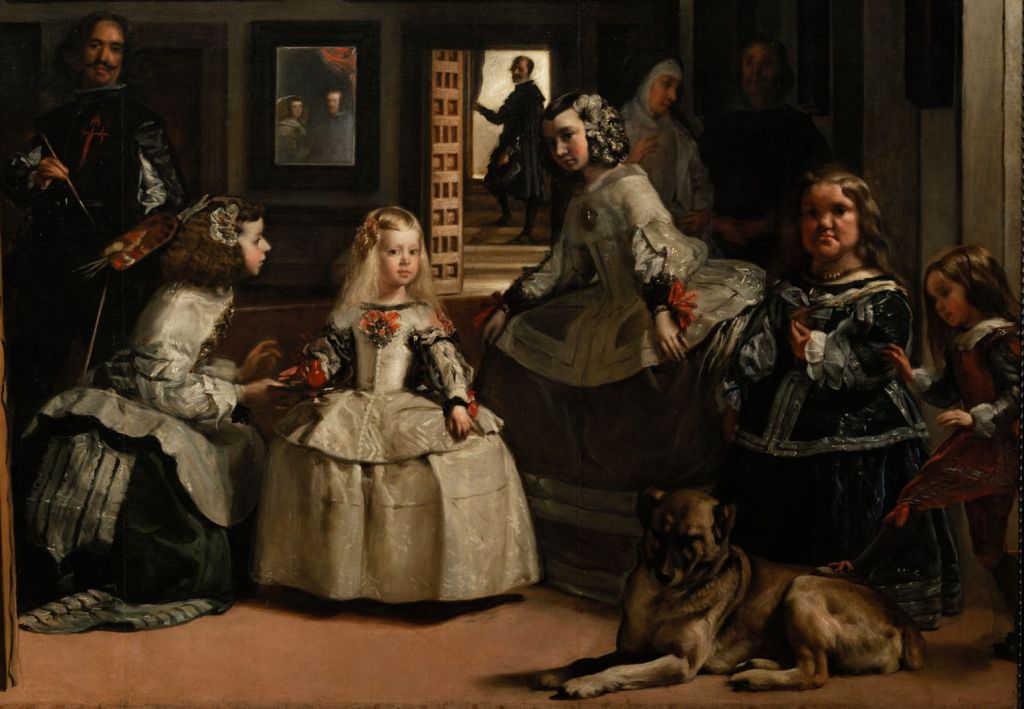
Diego Velázquez (1599–1660), Las Meninas (The Maids of Honour, Velázquez and the Royal Family) (detail) (c 1656-57) [119], oil on canvas, 318 x 276 cm, Museo Nacional del Prado, Madrid, Spain. Wikimedia Commons.

In his early paintings, Diego Velázquez quickly gained command of light and darkness, as demonstrated in some of his bodegones, centred on fast food catering, typically in taverns and at the roadside.

velazquezoldwomanfryingeggs
Diego Velázquez (1599–1660), Old Woman Frying Eggs (1618) [3], oil on canvas, 100.5 x 119.5 cm, Scottish National Gallery, Edinburgh, Scotland. Wikimedia Commons.

The most impressive of these early paintings is Old Woman Frying Eggs from 1618. Velázquez includes a wide range of reflective and transparent objects to demonstrate his skills, and his handling of shadows looks impressive. He has manipulated the light carefully to minimise the interference of cast shadows without pushing too far into optical impossibility, and follows the convention of lighting the scene from high on the left.
velazquezwaterseller
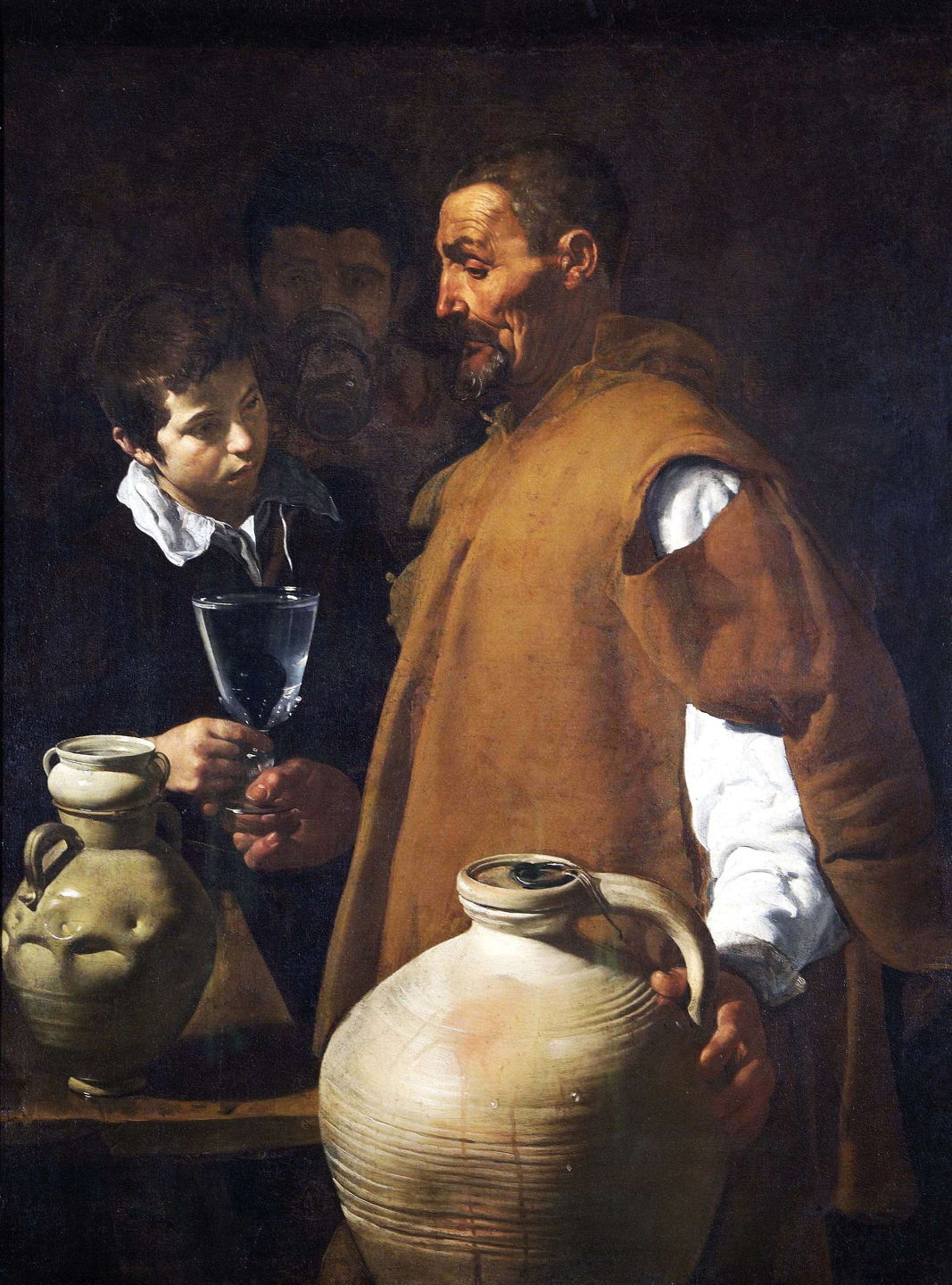
Diego Velázquez (1599–1660), The Waterseller (of Seville) (c 1620) [13], oil on canvas, 107.7 x 81.3 cm, Apsley House, London. Wikimedia Commons.

The Waterseller (of Seville) from about 1620 is another of Velázquez’s finest early works. The face of the waterseller shown in profile is expertly modelled, and the glass and pottery lifelike, with shade and shadow giving the two large flasks their distinctive form.

Once he started painting portraits at court, though, shade and shadow became enemies.
velazquezphilipiv1624
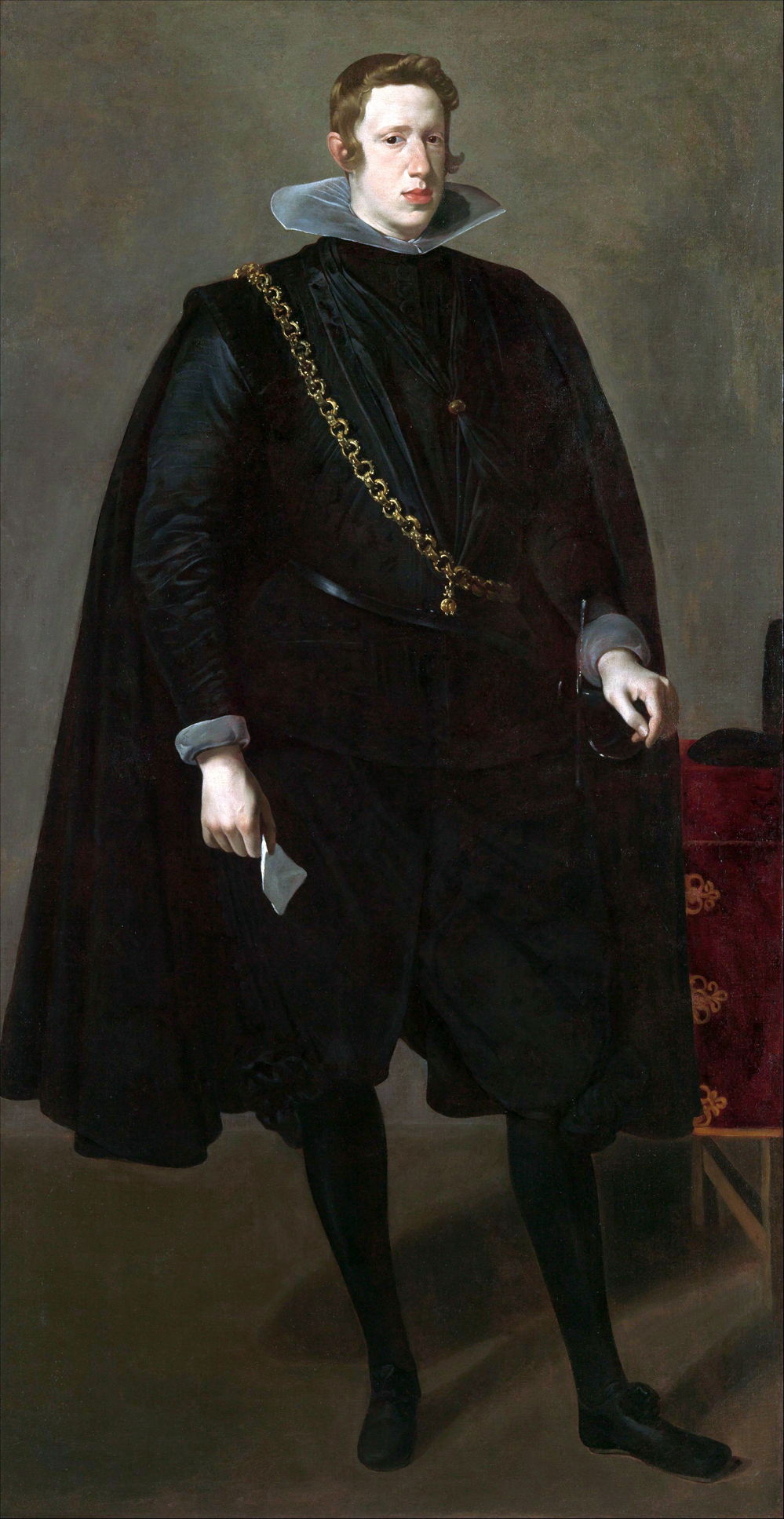
Diego Velázquez (1599–1660), Philip IV, Standing (1624) [26], oil on canvas, 200 x 102.9 cm, The Metropolitan Museum of Art, New York, NY. Wikimedia Commons.

Philip IV, Standing (1624) is one of his first portraits of the monarch, and is recorded as being formally accepted in December 1624. He too is lit from the left, but shadows have been carefully omitted except around his hairline.

velazquezmarsresting
Diego Velázquez (1599–1660), Mars (c 1639-41) [90], oil on canvas, 179 x 95 cm, Museo Nacional del Prado, Madrid, Spain. Wikimedia Commons.

That contrasts with this portrait of Mars from about 1639-41, where the god is shown off-guard in a moment of relaxation. Apart from the tip of his nose and the point of his chin, the god’s face is in shadow, and he looks like he just got out of bed after a long siesta.

velazquezvenus
Diego Velázquez (1599–1660), Venus at Her Mirror, The Toilet of Venus (Rokeby Venus) (1644-48) [101], oil on canvas, 122.5 x 177 cm, The National Gallery, London. Image by Diego Delso, via Wikimedia Commons.

Shade and shadow in Venus at Her Mirror, also known as the Rokeby Venus, enhance its Venus Effect. With its light cast again from the upper left, the reflected face is lit just as we’d expect, with the right of her face in shade and shadow, which helps convince us that its optically impossible reflection is true.
velazquezmarianaaustria
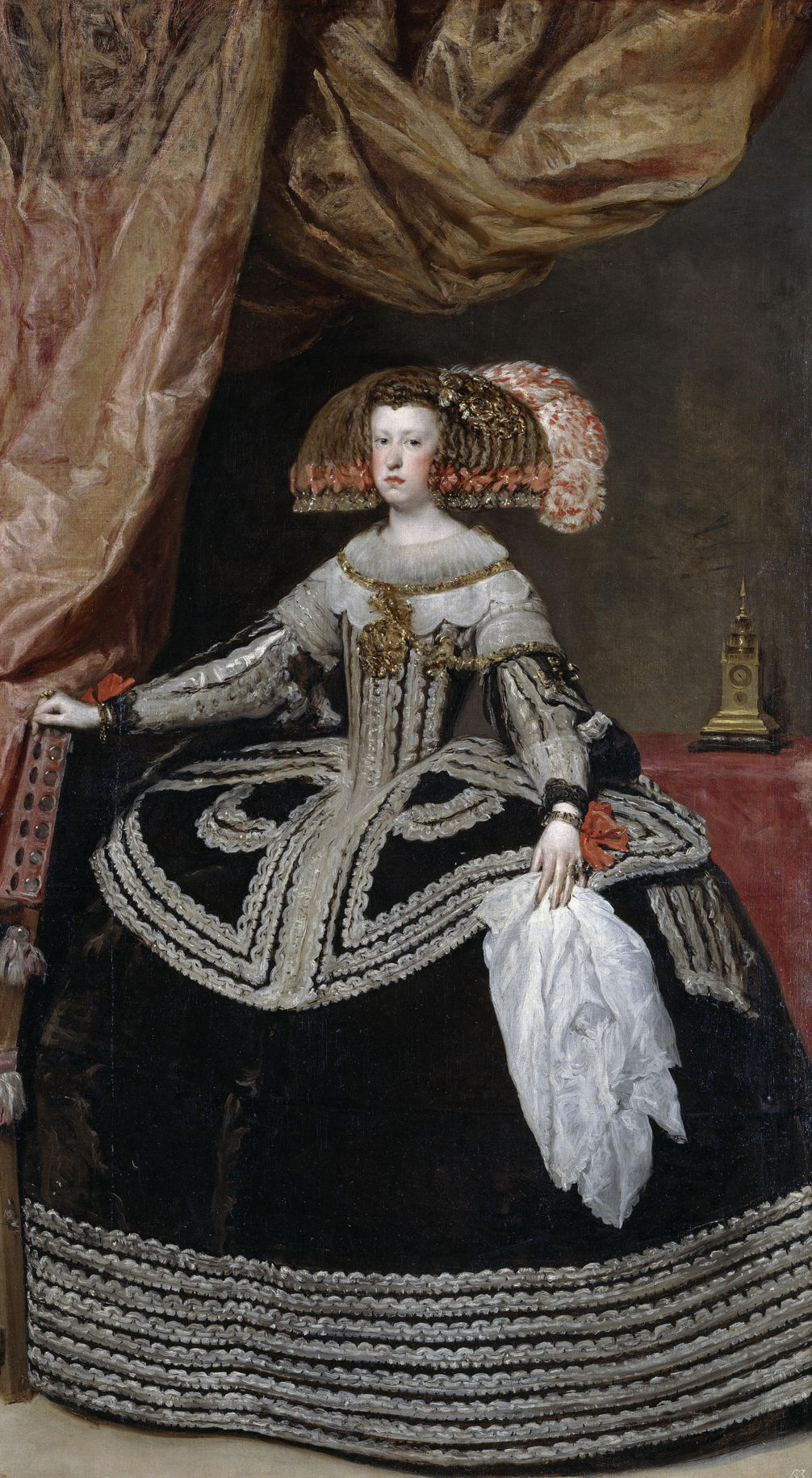
Diego Velázquez (1599–1660), Queen Mariana (of Austria) (1652-53) [116], oil on canvas, 234.2 x 132 cm, Museo Nacional del Prado, Madrid, Spain. Wikimedia Commons.

Back at court in Madrid, Velázquez’s portrait of Queen Mariana (of Austria) painted in 1652-53 carefully avoids shade and shadow, giving her face a flat and dour appearance.

That wasn’t the case for the most famous group portrait of his career, in Las Meninas from about 1656-57.

velazquezlasmeninas
Diego Velázquez (1599–1660), Las Meninas (The Maids of Honour, Velázquez and the Royal Family) (c 1656-57) [119], oil on canvas, 318 x 276 cm, Museo Nacional del Prado, Madrid, Spain. Wikimedia Commons.

This is a group portrait of eleven people and a dog in a faithful depiction of a room in the Alcázar Palace. It’s lit from the upper right, probably because of the potential conflict with Velázquez’s large canvas. Best-lit of its figures is the Infanta Margaret Theresa in the front, who is given a minimum of shade and shadow. The maids of honour on either side of her, and the two dwarves on the right, have their fair share of shadow, which accentuates the features of the taller of the two dwarves, and all but obscures the bodyguard in the right background.
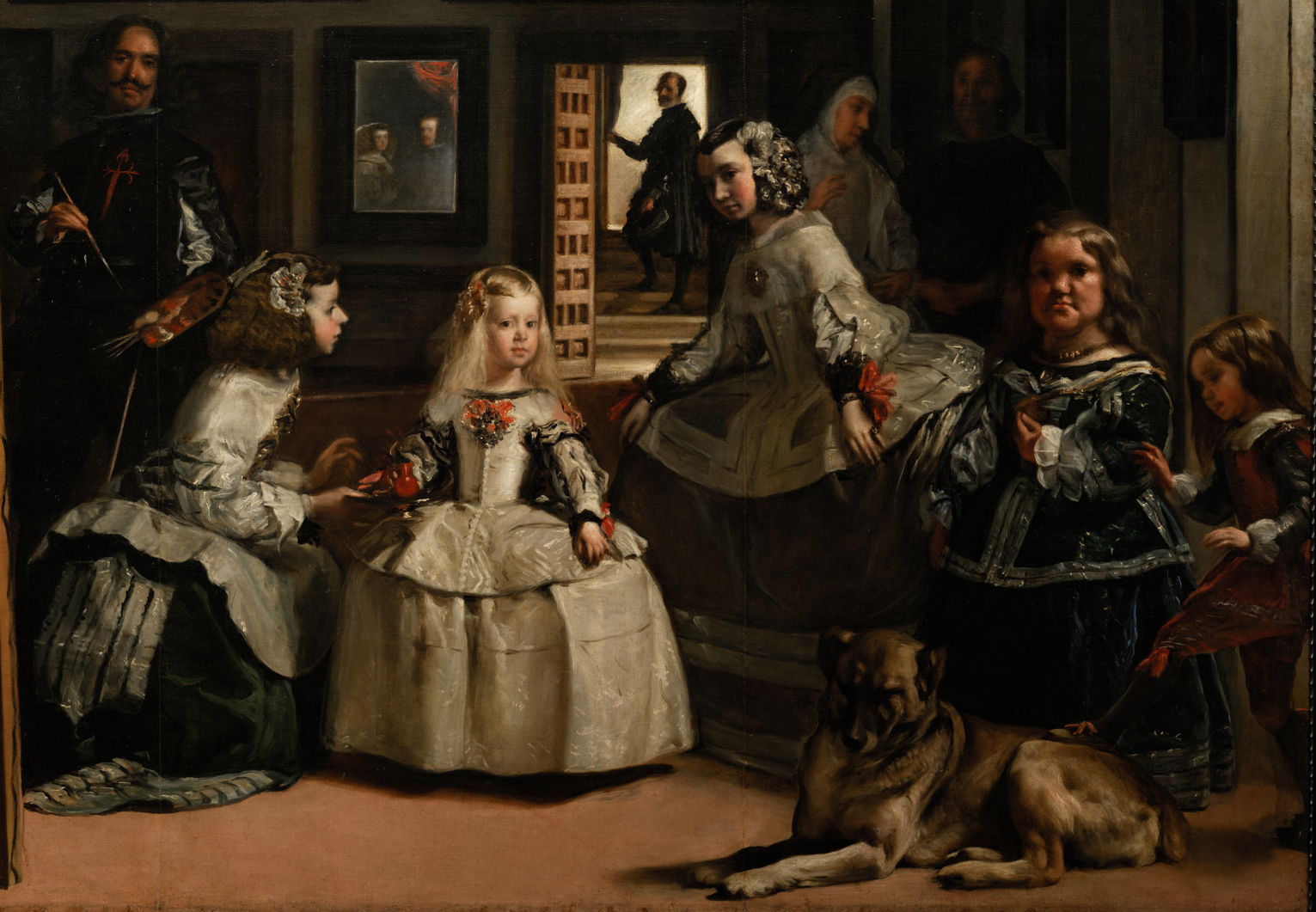
velazquezlasmeninasd1
Diego Velázquez (1599–1660), Las Meninas (The Maids of Honour, Velázquez and the Royal Family) (detail) (c 1656-57) [119], oil on canvas, 318 x 276 cm, Museo Nacional del Prado, Madrid, Spain. Wikimedia Commons.

This elaborate use of highlight and shadow is even more apparent in this detail of the figures.
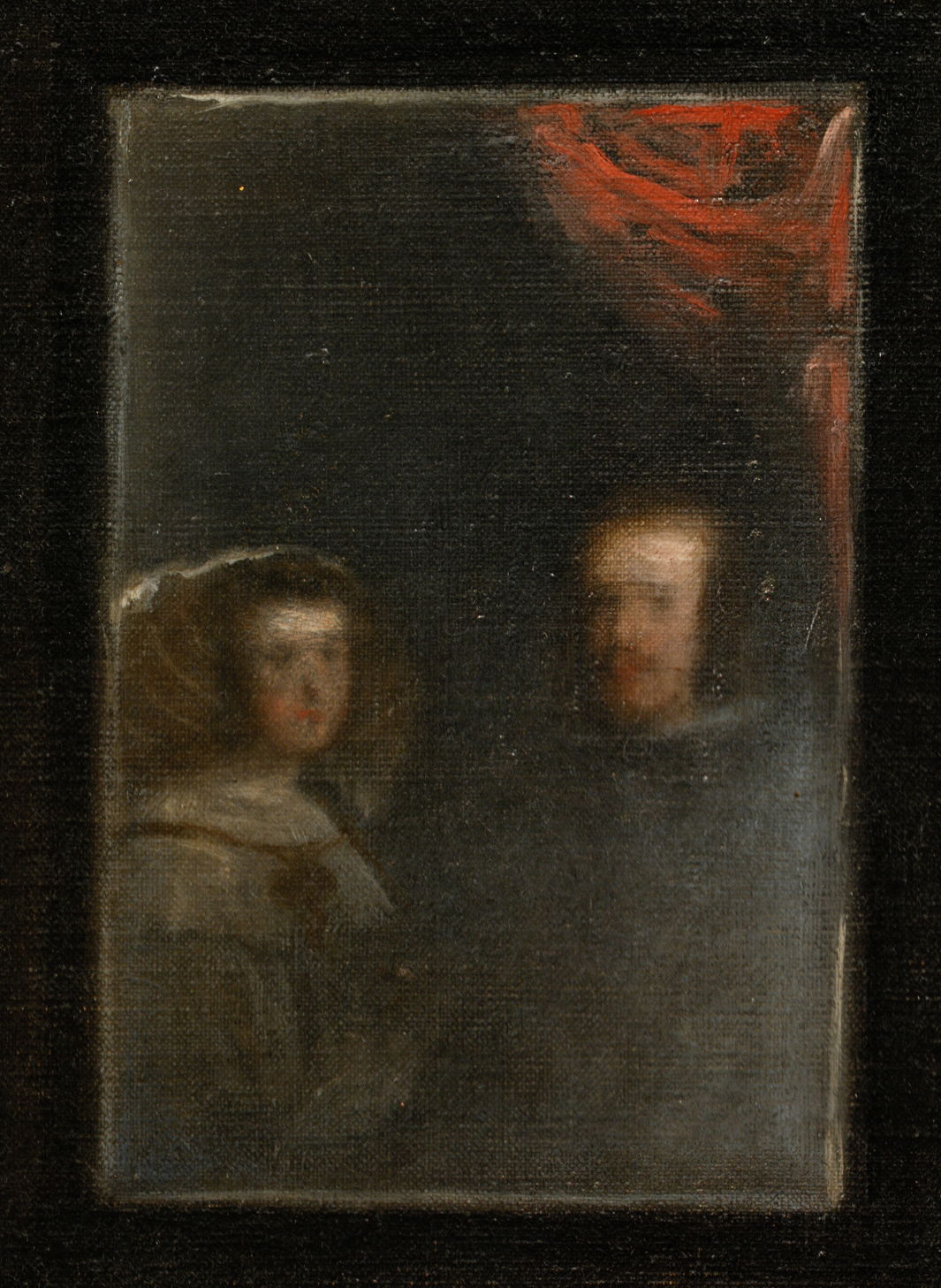
velazquezlasmeninasd4
Diego Velázquez (1599–1660), Las Meninas (The Maids of Honour, Velázquez and the Royal Family) (detail) (c 1656-57) [119], oil on canvas, 318 x 276 cm, Museo Nacional del Prado, Madrid, Spain. Wikimedia Commons.

Two figures given a prominent and unusual place are the King and Queen, who are shown reflected in a rectangular plane mirror on the far wall. They are lit consistently with their physical presence in the painting, to the immediate left of the viewer. Perhaps this should be termed the Meninas Effect?