












Color in photography is never fixed. The same red wall photographs differently at sunrise, midday, and dusk. The same green field looks warm in afternoon light and cool under an overcast sky. Understanding how light changes color in photography is one of the most useful shifts a photographer can make, because it moves color from something you react to into something you can predict, plan for, and use deliberately.
Color temperature: the foundation
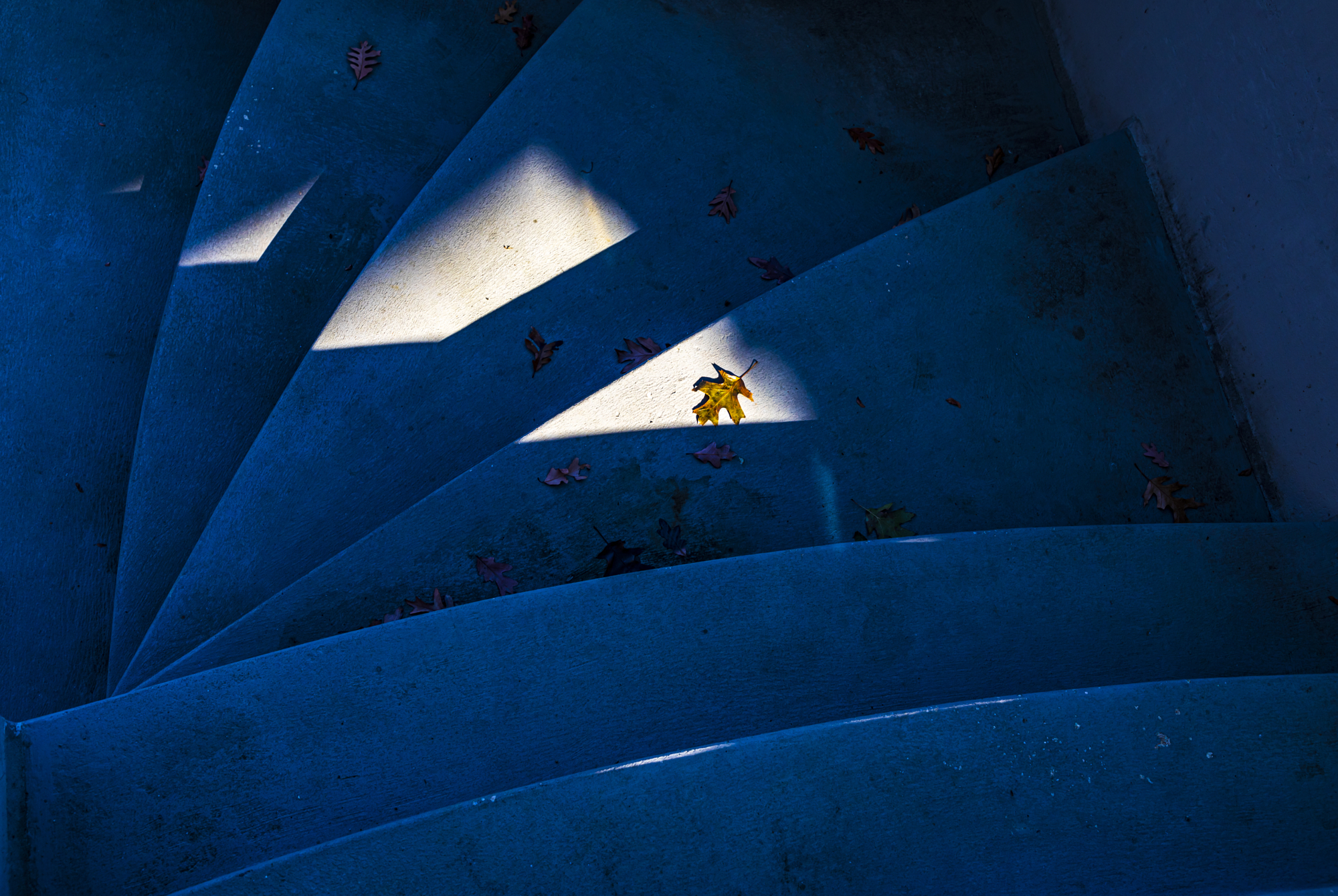
Every light source has a color temperature measured in Kelvin. Lower values produce warm, orange-red light. Higher values produce cool, blue-white light. Understanding how light changes color in photography starts here.
Candlelight sits around 1800K, warm and amber. Midday sun is close to 5500K, relatively neutral. Open shade on a clear day can reach 7000K or higher, with a strong blue cast that many photographers underestimate. Overcast sky sits in the middle, around 6000-7000K, which is why it produces that cool, flat quality that feels neutral but actually skews blue.
Your camera’s white balance setting interprets this color temperature and either corrects for it or preserves it. Shooting in auto white balance means your camera is constantly making decisions about color on your behalf. Shooting with a fixed white balance, or in RAW with white balance adjusted in post, gives you full control over how that color temperature reads in the final image.
How light changes color through the day
Before sunrise and after sunset
The sky produces a cool blue cast before direct sun appears and after it disappears. Blue hour photography sits in this window. The light is soft, directionless, and distinctly cool, which produces a calm, slightly melancholic quality in photographs.
Sunrise and sunset
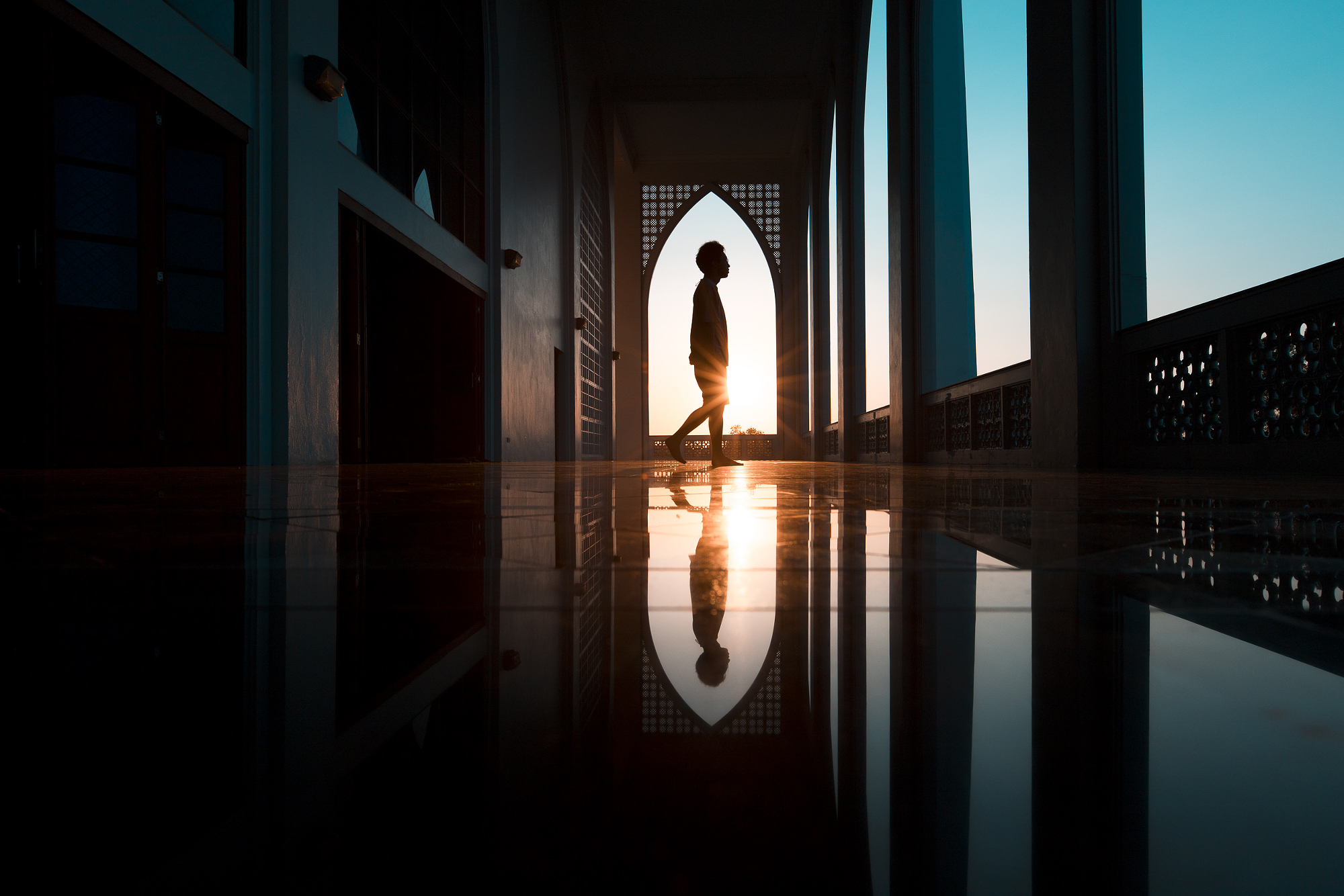
The sun’s low angle sends light through more atmosphere, scattering shorter blue wavelengths and leaving warm orange and red tones. How light changes color in photography is most dramatic at these moments. The same subject that photographed in neutral tones at midday transforms entirely under this warm directional light.
Midday
Direct overhead sun produces the most neutral color temperature of the day but also the harshest contrast. Colors appear accurate but flat, without the warmth of golden hour or the coolness of shade. Saturation can look strong in midday light but lacks the depth that directional light adds.
Overcast and diffuse light
Cloud cover diffuses sunlight and removes directionality, producing even, shadow-free illumination with a slightly cool cast. Colors become more saturated under overcast conditions because there are no blown highlights competing with them, but the overall tone of the image tends toward cool grey-blue.
How different surfaces affect color
Light doesn’t just come from above. It bounces, reflects, and picks up color from every surface it touches before it reaches your subject. This reflected light is how light changes color in photography in ways that are easy to miss.
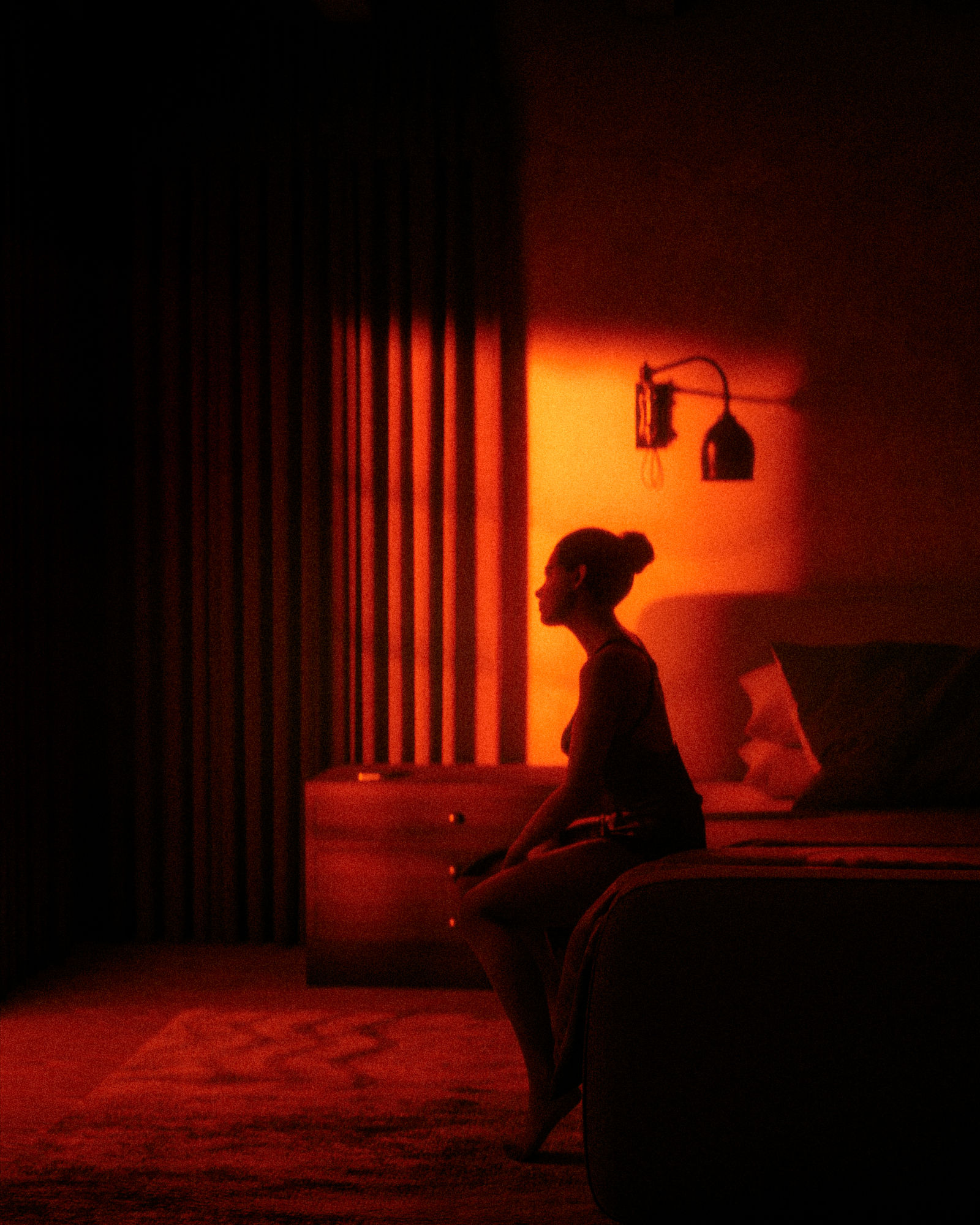
A subject standing near a red brick wall will pick up a warm reddish cast on the shadow side of their face. A portrait shot in a park will often have green color contamination in the shadows from light bouncing off grass. A subject near water on a clear day will have cool blue fill light reflected upward from the surface.
Learning to see this reflected color, rather than treating all shadow areas as neutral, changes how you expose, compose, and edit.
Using color temperature creatively
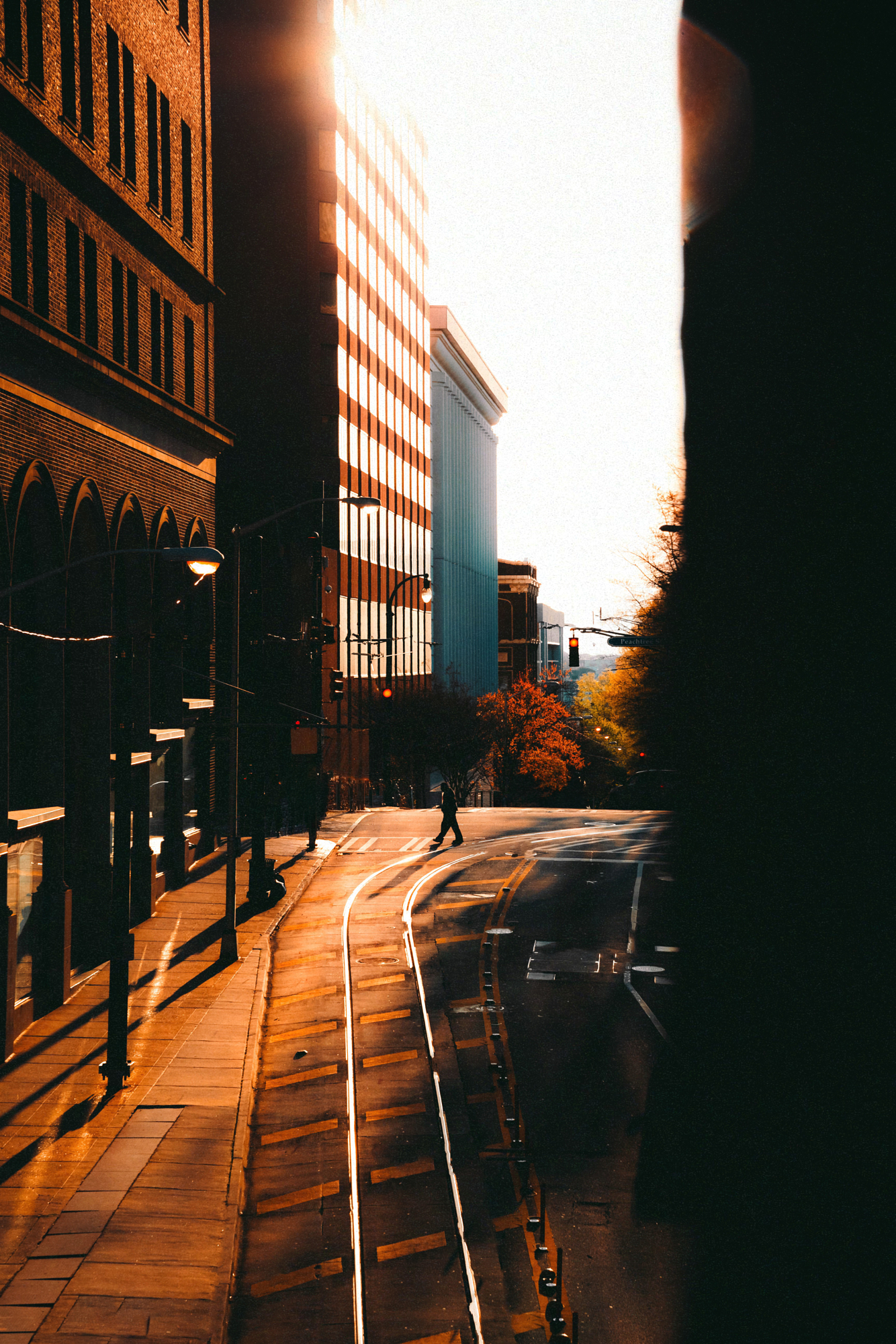
Most photographers treat white balance as a correction tool: set it accurately and move on. But color temperature is also a creative decision. A warm white balance setting applied to a dawn scene can amplify the golden cast and add emotional warmth. A cool setting applied to a midday urban scene can make steel and glass feel colder and more severe.
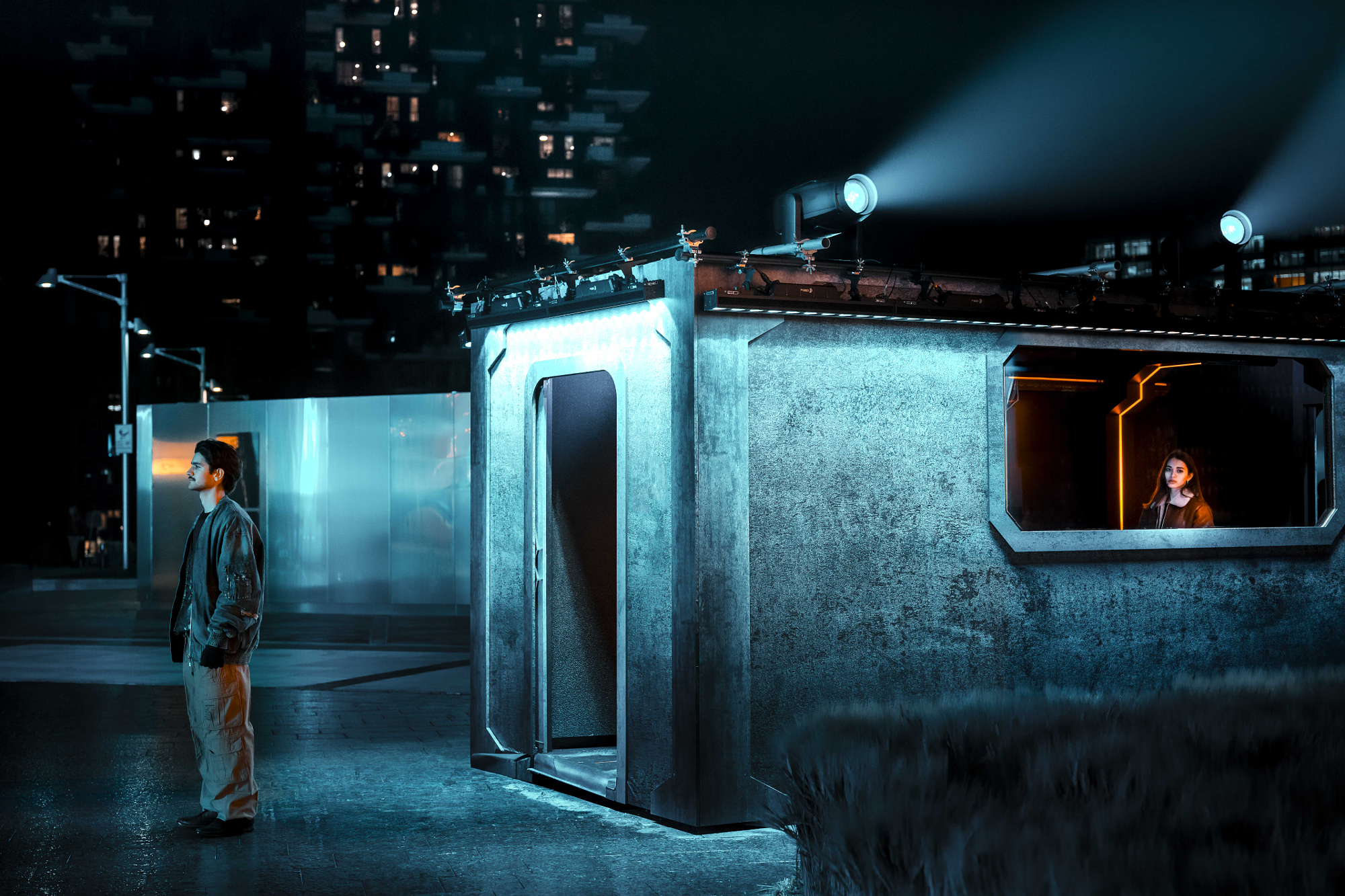
In post-processing, a split tone that assigns warm tones to highlights and cool tones to shadows, or vice versa, exploits the same perceptual principles that make natural color temperature shifts so visually compelling. Understanding how light changes color in photography is what makes those decisions feel intentional rather than arbitrary.