





In macro photography, light does more than illuminate; it defines texture, depth, and detail. In macro photography lighting, even the smallest adjustment can dramatically change your image.
Because you’re working at close distances, light becomes more intense and more directional. Therefore, learning to control it is essential.
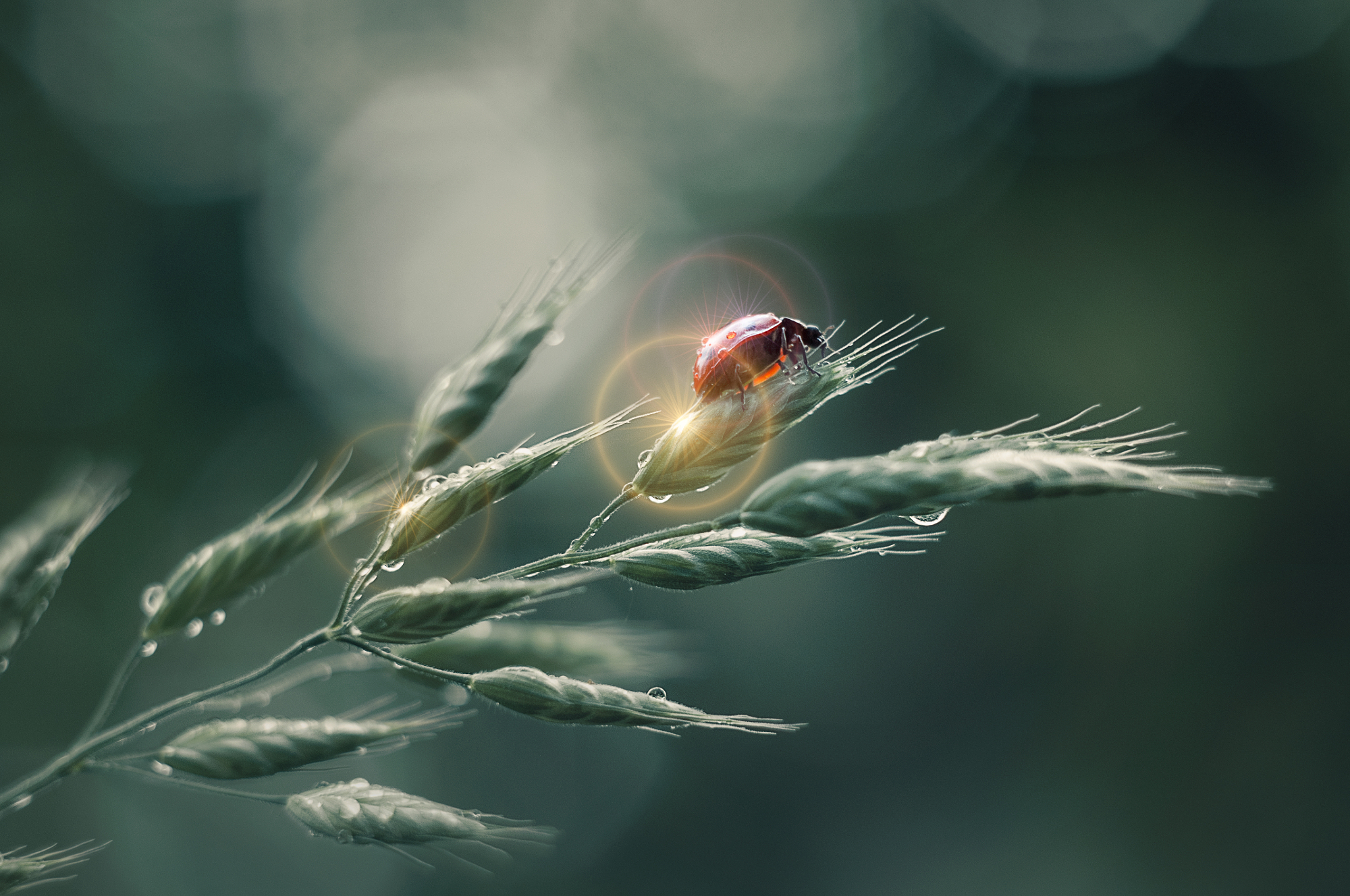
Why Lighting Matters in Macro Photography
Small subjects reveal extraordinary detail and challenge your technical skills in unique ways.
Insect and flower photography highlights intricate textures and patterns, sharpens your precision, and uncovers beauty that often goes unnoticed.
As a result, this genre helps you become a more patient, observant, and technically skilled photographer.
Using Natural Light for Macro Photography
Natural light is the easiest way to start. Moreover, it creates soft and balanced results.
In macro photography lighting, natural light works best when:
- The sky is overcast
- You shoot during early morning or late afternoon
- Light is diffused through clouds or curtains
To improve results:
- Position your subject near soft light
- Avoid direct harsh sunlight
- Adjust your angle to control shadows
As a result, your images will feel natural and clean.
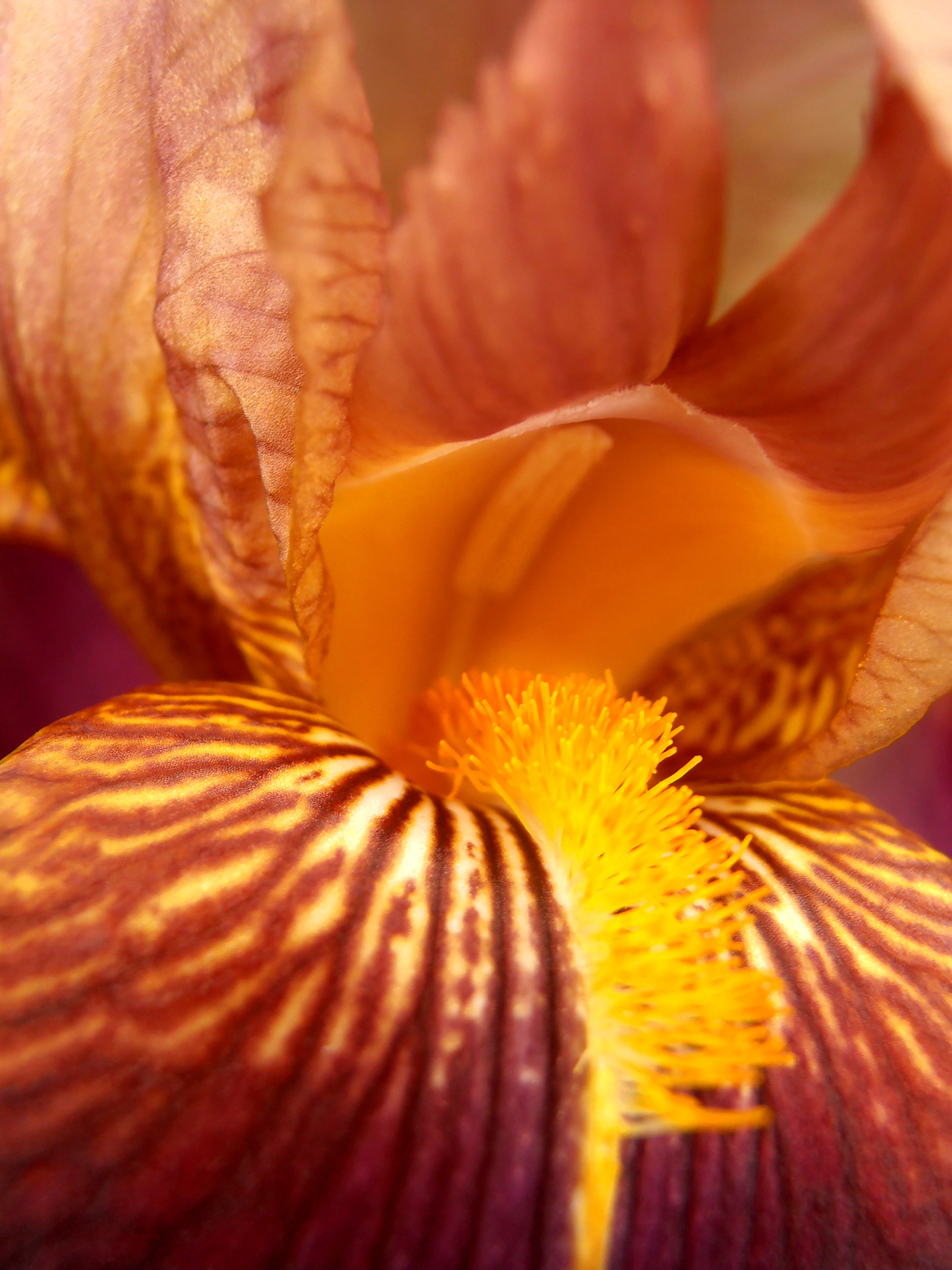
Diffusing Light for Softer Results
Harsh light can create unwanted shadows. Therefore, diffusion is key.
In macro photography lighting, you can diffuse light using:
- Sheer fabric
- Paper or soft panels
- Built-in diffusers
Diffused light:
- Softens shadows
- Reduces contrast
- Creates smoother transitions
As a result, your subject appears more evenly lit.
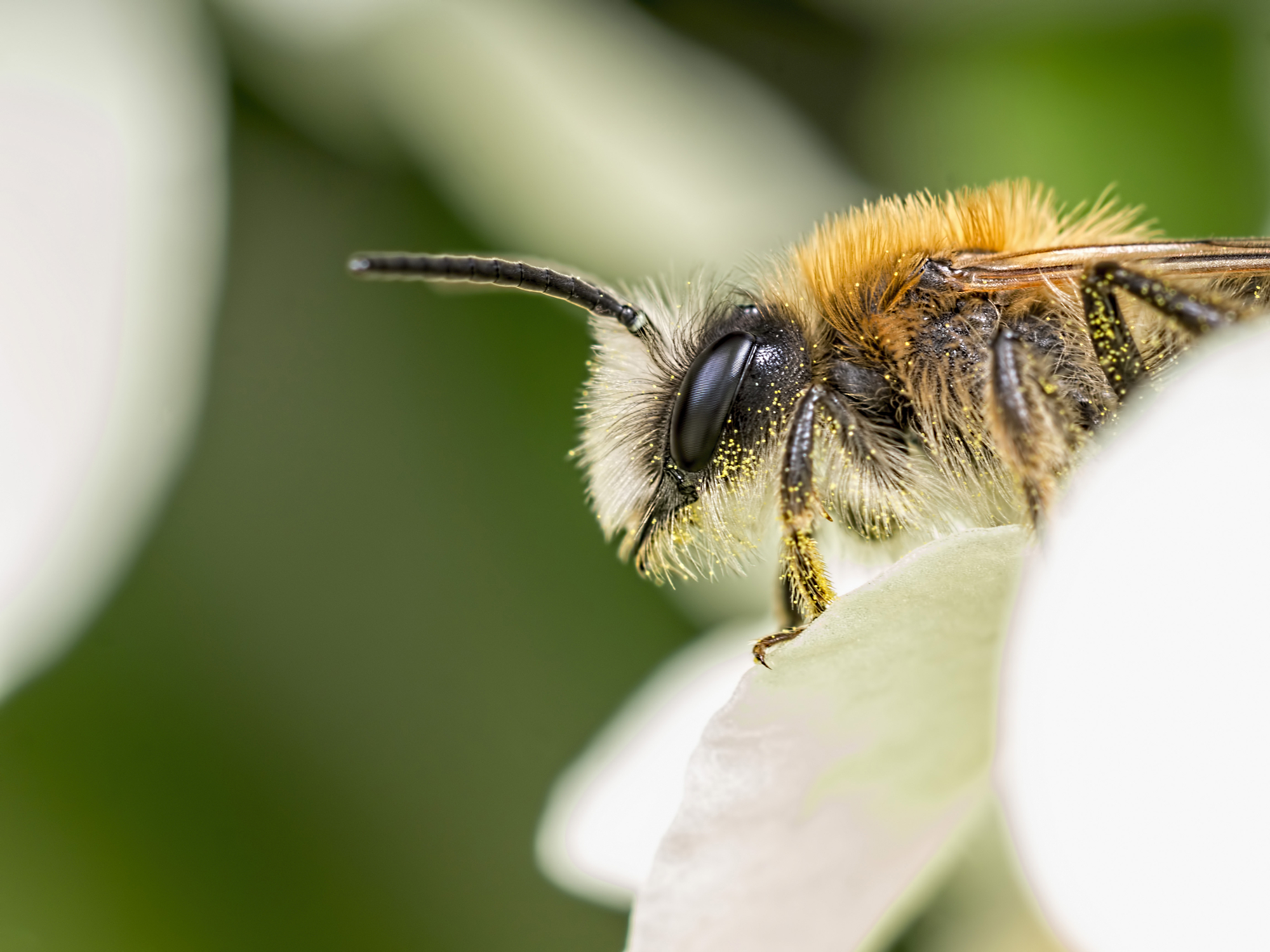
Using Flash in Macro Photography
Flash gives you greater control over lighting in macro photography, but it needs to be used carefully to achieve natural-looking results.
In macro photography, flash can help freeze motion, add brightness in low-light conditions, and highlight fine details that might otherwise be lost.
To use flash effectively, avoid direct harsh light by using a diffuser or small softbox. Adjust the flash power gradually until the lighting looks balanced and realistic.
As a result, your macro images will appear more natural while still capturing sharp detail.
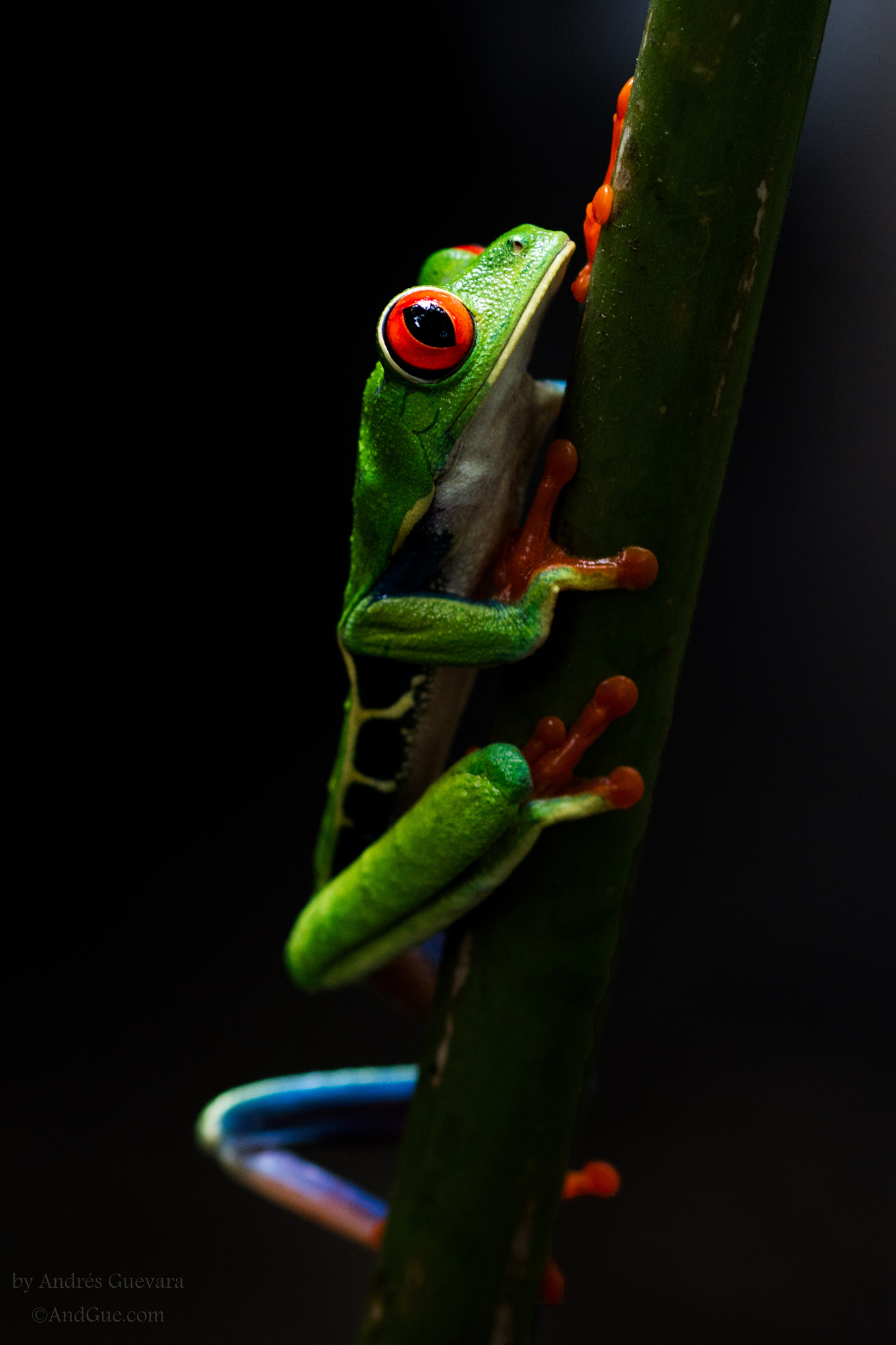
Controlling Shadows for Depth
Shadows are just as important as light in macro photography. They add depth, structure, and dimension to your images.
Soft shadows create a natural and balanced look, while stronger shadows can introduce drama and mood. Directional light helps define the shape and texture of your subject, making fine details stand out more clearly.
Rather than trying to eliminate shadows completely, focus on controlling them to enhance the overall composition.
Reflectors and Light Control Tools
You don’t need expensive gear. In fact, simple tools work well.
For macro photography lighting, try:
- White paper to reflect light
- Aluminum foil for stronger reflection
- Small reflectors
These tools help:
- Fill in shadows
- Balance light
- Improve exposure
You gain more control without complexity.
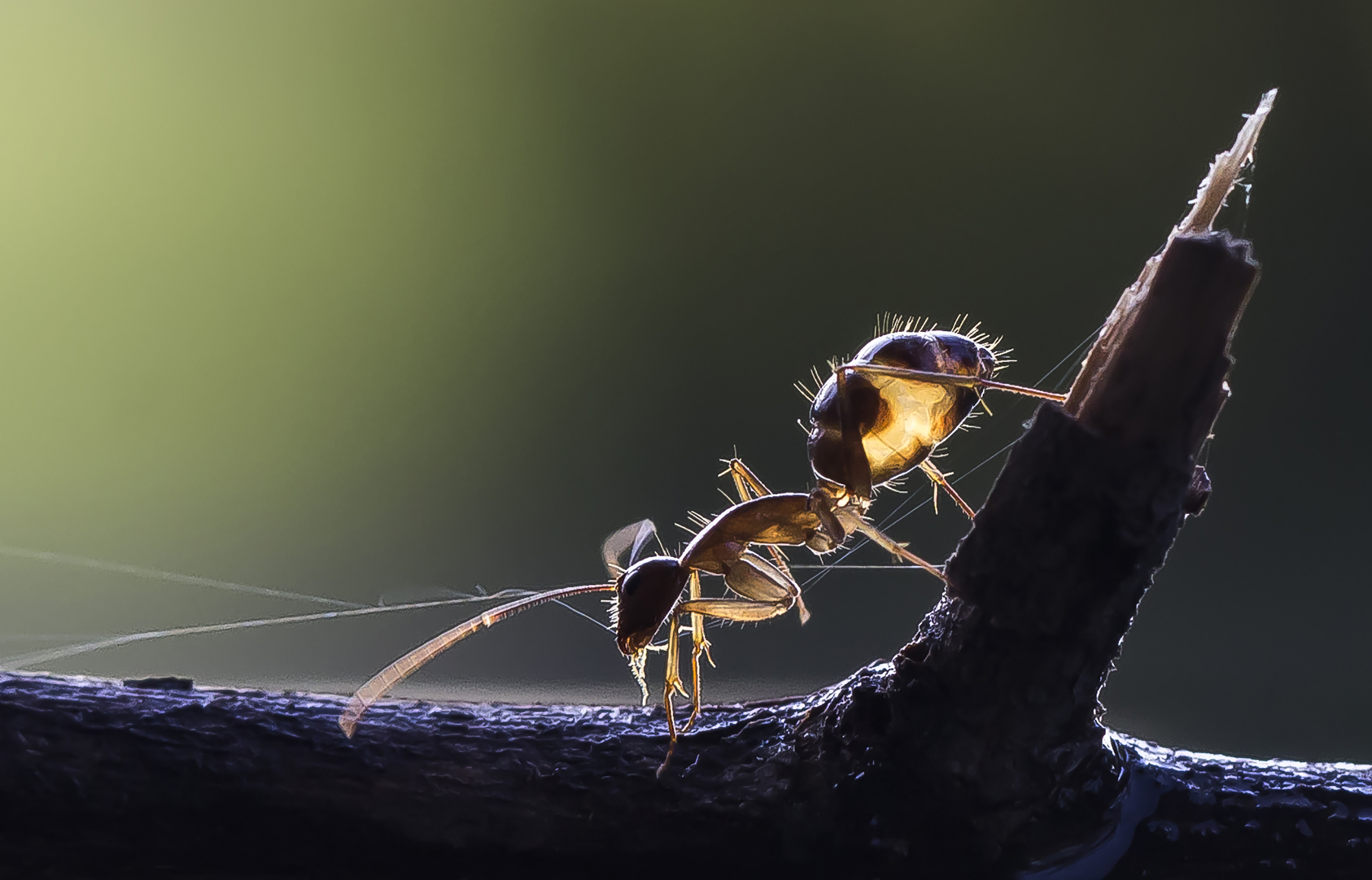
Composition Tips for Macro Lighting
Lighting and composition work together. Otherwise, the image can feel flat.
Keep these in mind:
- Position your subject relative to light direction
- Use shadows to guide attention
- Simplify the background
- Highlight key details
As a result, your images feel more intentional.
Why Macro Photography Lighting Matters
Macro photography reveals incredible detail, but without proper lighting, much of that detail can be lost.
Effective macro photography lighting enhances texture and form, improves clarity, and creates a stronger sense of depth. Good lighting helps bring out the fine features that make close-up images so compelling.
Therefore, mastering light is essential for creating sharp, detailed, and visually striking macro photographs.
Final Thoughts on Macro Photography Lighting
You don’t need complex setups. Instead, start simple and observe carefully.
Watch how light falls on your subject. Adjust your position. Experiment with diffusion.