



惯性聚合 高效追踪和阅读你感兴趣的博客、新闻、科技资讯
阅读原文 在惯性聚合中打开

推荐订阅源

Threat Intelligence Blog | Flashpoint
C
CXSECURITY Database RSS Feed - CXSecurity.com
L
LINUX DO - 热门话题
S
Secure Thoughts
TaoSecurity Blog
TaoSecurity Blog
Security Archives - TechRepublic
T
Threat Research - Cisco Blogs
AI
AI
B
Blog RSS Feed
S
Schneier on Security
雷峰网
雷峰网
Schneier on Security
Help Net Security
Help Net Security
Cloudbric
Cloudbric
L
LINUX DO - 最新话题
罗磊的独立博客
有赞技术团队
有赞技术团队
Recent Commits to openclaw:main
Apple Machine Learning Research
P
Proofpoint News Feed
酷 壳 – CoolShell
酷 壳 – CoolShell
The Hacker News
The Hacker News
博客园 - Franky
Attack and Defense Labs
The Cloudflare Blog
Webroot Blog
Webroot Blog
Last Week in AI
Last Week in AI
Exploit-DB.com RSS Feed
博客园 - 叶小钗
美团技术团队
L
Lohrmann on Cybersecurity
T
The Blog of Author Tim Ferriss
The Last Watchdog
The Last Watchdog
T
Troy Hunt's Blog
H
Hackread – Cybersecurity News, Data Breaches, AI and More
Vercel News
Vercel News
Know Your Adversary
Know Your Adversary
O
OpenAI News
博客园 - 【当耐特】
Hacker News - Newest:
Hacker News - Newest: "LLM"
C
Cybersecurity and Infrastructure Security Agency CISA
让小产品的独立变现更简单 - ezindie.com
www.infosecurity-magazine.com
freeCodeCamp Programming Tutorials: Python, JavaScript, Git & More
PCI Perspectives
PCI Perspectives
H
Heimdal Security Blog
I
InfoQ
GbyAI
GbyAI
T
Threatpost
C
Cisco Blogs

BusinessLine Editorial Opinion & Analyses | The HinduBusinessLine

Fund of options No marks Net ambiguity Crushing problem Fiscal dividend Editorial. Power equation Editorial. Reforming schools Editorial. Taking charge Editorial. Coal comfort Editorial. Future shock Editorial. Beyond the ballot Editorial. Halfway house Precious saving Failing the test Poison in the food Editorial. Austere times Bond truths Editorial. Creditable step Editorial. Stardom to statecraft Editorial. Worthy proposal Editorial. Gold rush Editorial. Power shift Editorial. Costly remedy Bad policy The real turnout Challenge of Mythos Fuel for thought Anchoring trade Cover point Editorial. Job well done Editorial. Misreading markets Editorial. Major undercurrents Labour pangs Editorial. Snooping around Editorial. Process deficit Clear the smoke SIP with caution Cyber insecurity Pressure point Plastic concerns Editorial. Fair deal Editorial. Wait and watch Cease and desist Editorial. Nuclear milestone Editorial. Freebies unplugged Editorial. Sweeping powers Editorial. Knotty regulations Up in the air Challenging year Existential crisis Bond blues Editorial. Hard choices Editorial. Commercial pitch Editorial. Weighty matter Editorial. Micro management Editorial. Selling strategy Editorial. Plane truths Demographic fixation Editorial. Resignation and after Feedstock facts Course correction Scenario planning Electric kitchens Editorial. Tariff war 2.0 Editorial. Dry run Editorial. China positive Editorial. Ethanol drive Editorial. Safety Net Editorial. Ides of March Stress management Editorial. Reforms vindicated Editorial. Hard times Categorisation challenges Optimal bandwidth Strong base Editorial. Fresh pain REIT moves Editorial. Last mile finance Editorial. Rhetoric to reality Editorial. Critical alliance Intelligent summit Tricky pitch Capital move Spectrum redefined Realty check Hefty penalty needed for mis-selling financial products TCS, Infosys, HCL Tech, Wipro: IT’s opaque Editorial. InvIT with care Rafale buy a watershed in defence upgrade efforts Creditable move Freedom from toxicity India Inc. manages to overcome adversity in Q3 Editorial. At a crossroads Trade reset Editorial. Staying the course CPI overhaul will result in contemporary inflation numbers Tariff cheer 16th Finance panel formula awards ‘efficient’ States Better options ahead Editorial. Change and continuity
Prepare the ground
2026-04-18 · via BusinessLine Editorial Opinion & Analyses | The HinduBusinessLine
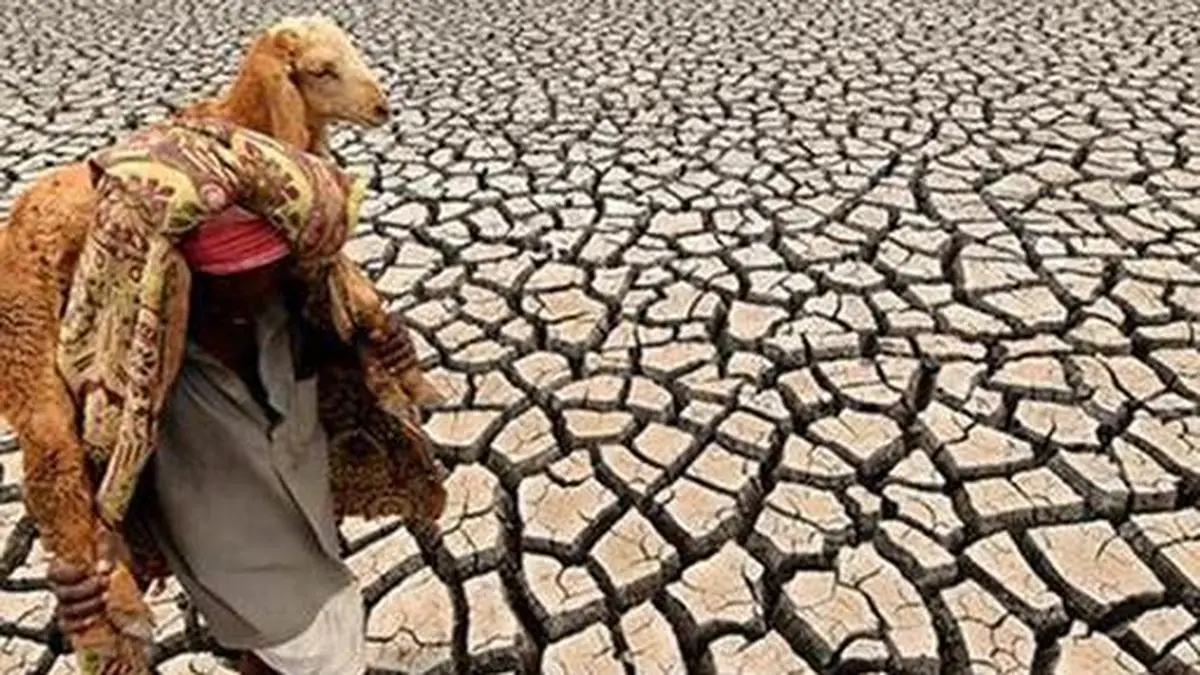
IMD has pegged the probability of below-normal or deficient rains at a high 66 per cent

IMD has pegged the probability of below-normal or deficient rains at a high 66 per cent | Photo Credit: NAGARA GOPAL

It is good to see the India Meteorological Department (IMD) acknowledge the risk of El Nino disrupting the upcoming South-West monsoon, in its forecast released last week. In the past, it has tended to downplay El Nino risks in its early-stage forecasts.

In this forecast, IMD has estimated that the quantum of South-West monsoon rainfall all-India is likely to be at 92 per cent of the Long-Period Average (LPA) this year. While it has made no comment on the severity, it has pegged the probability of below-normal or deficient rains (5-10 per cent below LPA) at a high 66 per cent, while there’s only a 27 per cent chance of a normal monsoon and a 7 per cent likelihood of above-normal rains this season. Global weather agencies have been more decisive, assigning a 62 per cent probability of El Nino conditions emerging between June and August 2026, with a 25 per cent chance of a ‘very strong’ event this year.

The emergence of an El Nino in itself is not cause for alarm, as this phenomenon makes an appearance every 4-5 years. Reserve Bank of India researchers, after mapping long-term data, concluded that not all El Nino events disrupt the Indian monsoon. For one, it is the interaction between El Nino and the Indian Ocean Dipole (temperature differences between the Western and Eastern Indian Ocean) that decides the quantum of rains during the monsoon. About 34 per cent of the El Nino years still saw the South West monsoon delivering normal or above-normal rains due to a positive IOD. The IMD has forecast that currently neutral IOD conditions may turn positive by end of the monsoon season. But whether it will be too late to ensure adequate rainfall in the crucial sowing months of July and August remains to be seen. Two, while agricultural growth has been zero or negative during most El Nino years, foodgrain output seems to be more vulnerable than other crops. Here, it is a comfort that the Food Corporation of India is sitting on comfortable buffer stocks of rice and wheat (at over two times the norm at the beginning of April). Shortfalls in the kharif foodgrain crop can be made up in rabi if El Nino fades by year-end.

Below-normal rainfall in itself doesn’t stoke food inflation at all times, SBI Research has been at pains to highlight this. It has pointed out that there have been above-normal rainfall years like FY11-12 when food inflation rose to double digits and below-normal ones like FY19 which saw negligible inflation. However, it appears unlikely that India will prove lucky on this score this year. With the Iran war already leading to fertilizer shortages, agri-producers globally are likely to scramble to ensure nutrient supplies this year. This is likely to stoke imported inflation. Pre-emptive measures to encourage sowing of drought-resistant crops and discourage hoarding may thus need to be taken, before the verdict is out on El Nino. Overall, it would be prudent for policymakers to hope for the best, but prepare for the worst on this year’s monsoon. 

Published on April 17, 2026