



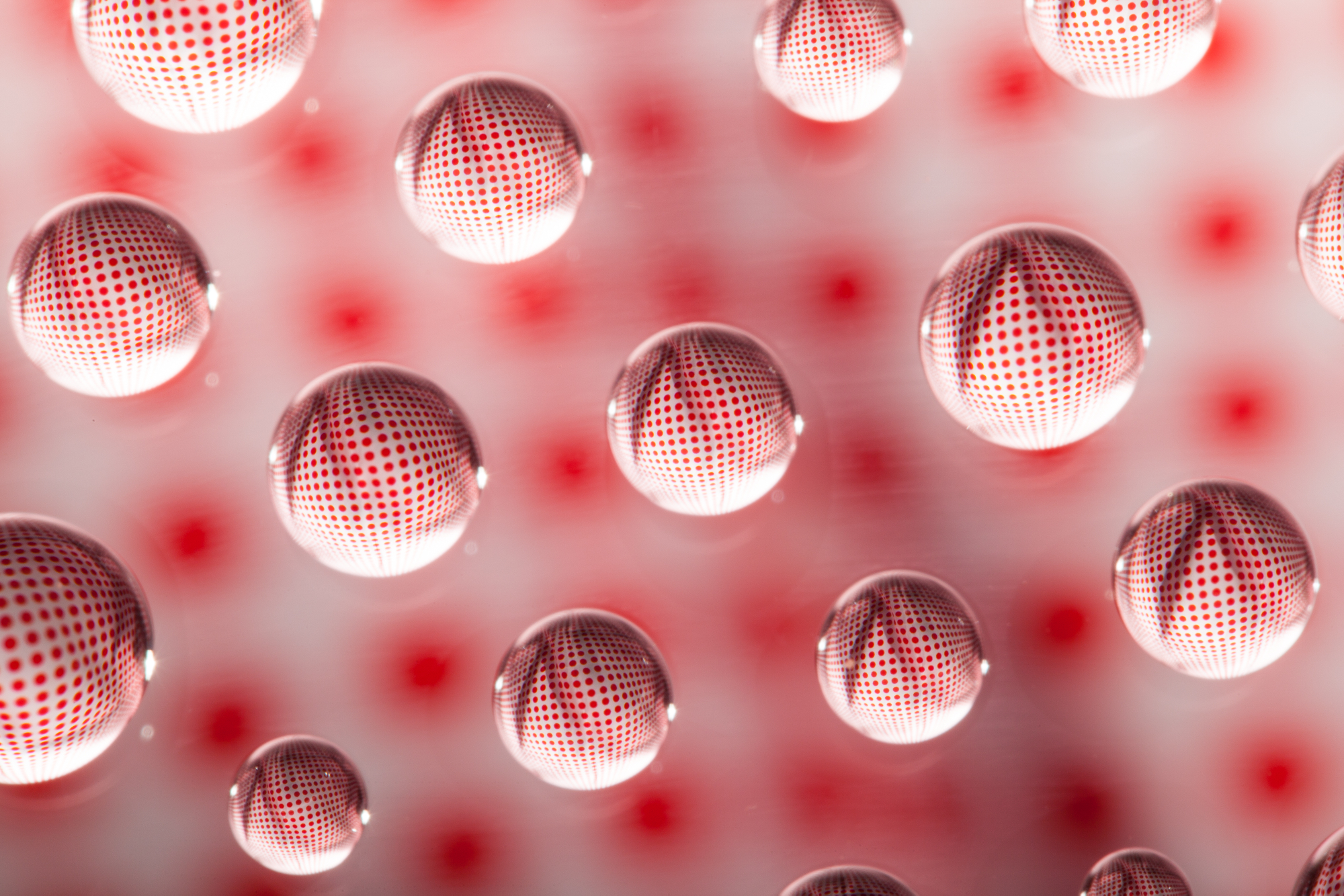
Not every photo needs to be recognizable. In abstract macro photography, the goal is not to document—it’s to interpret. By getting close and focusing on light, texture, and form, ordinary objects become something entirely new.
A leaf becomes a pattern. A drop of water becomes a lens. A surface becomes a landscape.
What Is Abstract Macro Photography?
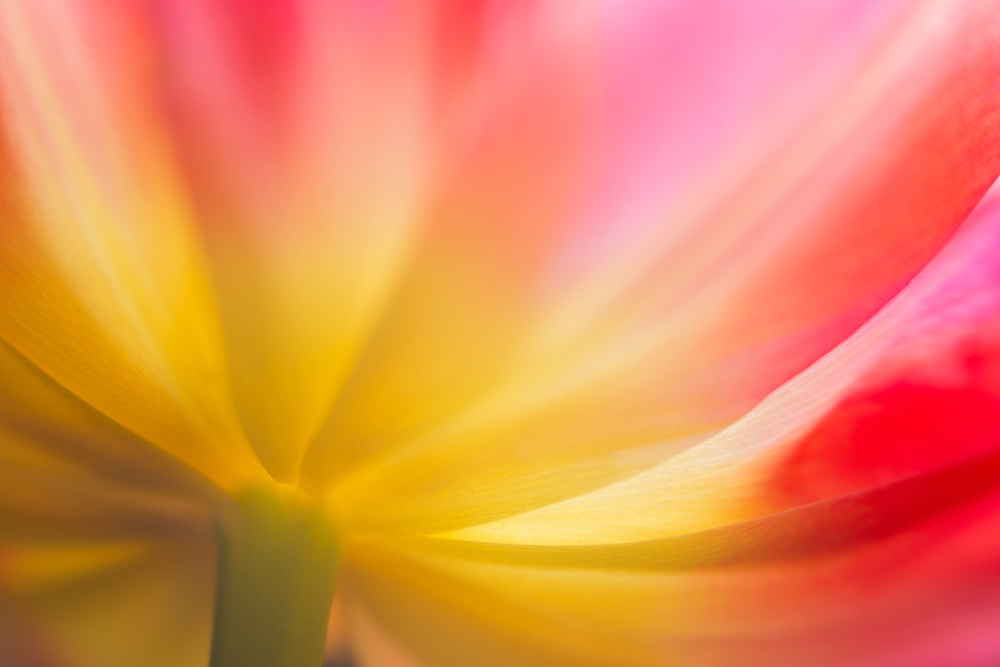
Abstract macro photography focuses on close-up images that emphasize shape, color, and texture rather than identifiable subjects.
Instead of asking “What is this?”, the viewer asks:
- What does this feel like?
- How do these shapes interact?
- Where does the eye move?
Your images become more artistic and open to interpretation.
Finding Abstract Subjects in Everyday Objects
You don’t need special subjects. In fact, abstraction works best with ordinary objects.
In abstract macro photography, look for:
- Textures (wood, fabric, metal)
- Patterns (leaves, tiles, surfaces)
- Small details often overlooked
Therefore, your environment becomes your creative playground.
Using Light to Create Abstract Effects
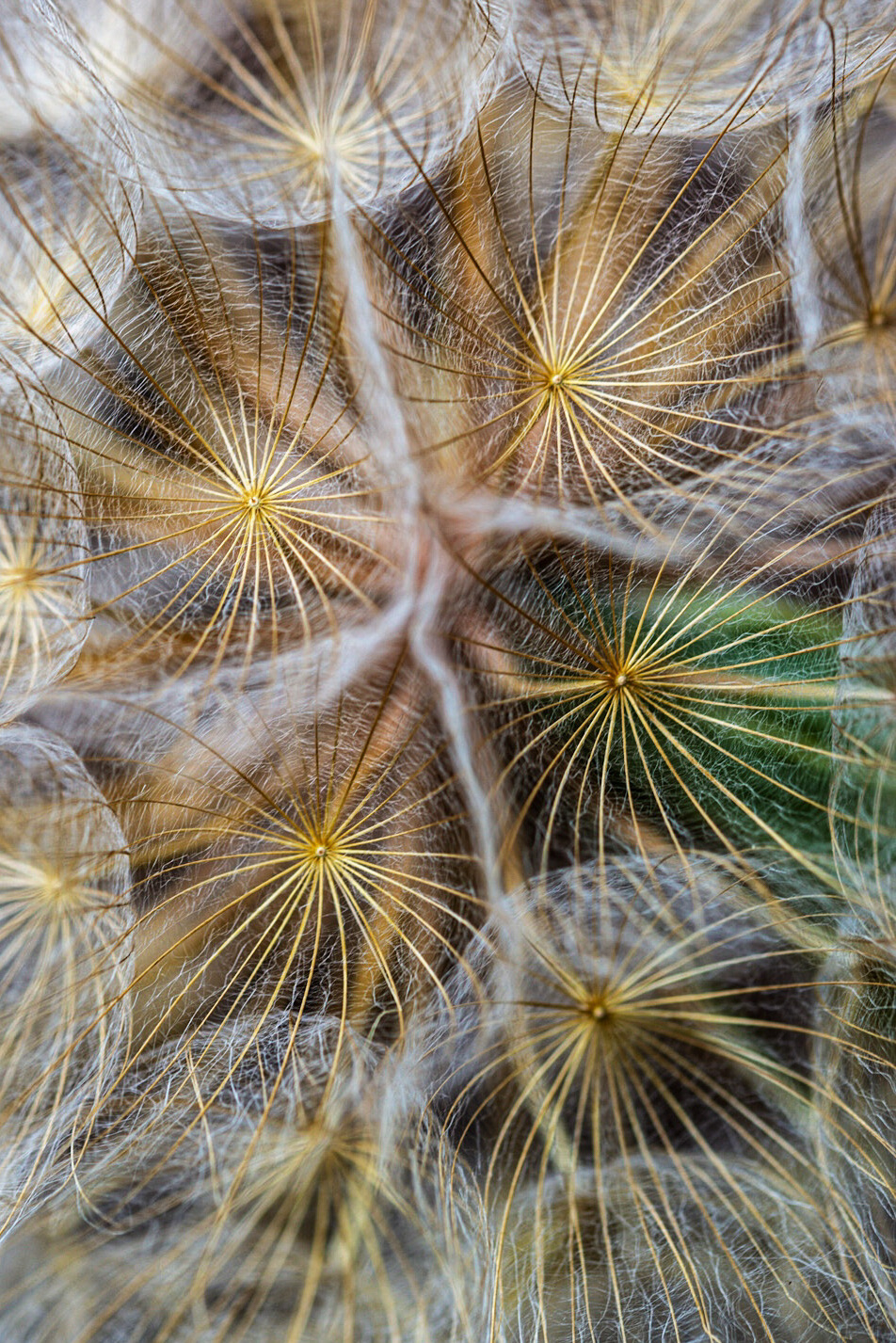
Light plays a defining role in abstract macro photography because it shapes how the subject is perceived.
Side lighting emphasizes texture, soft light smooths fine details, and shadows add depth and mystery. By changing the direction and quality of light, you can transform ordinary subjects into more expressive and abstract compositions.
As a result, light becomes one of your most powerful creative tools.
Focusing on Patterns and Repetition
Patterns create visual rhythm, making them a key element in abstract macro photography.
Look for repeating shapes, symmetry or intentional imbalance, and a sense of flow within the frame. These compositional elements help guide the viewer’s eye and give your image a stronger sense of structure.
Your abstract macro photographs feel more engaging and visually cohesive.
Playing with Depth of Field
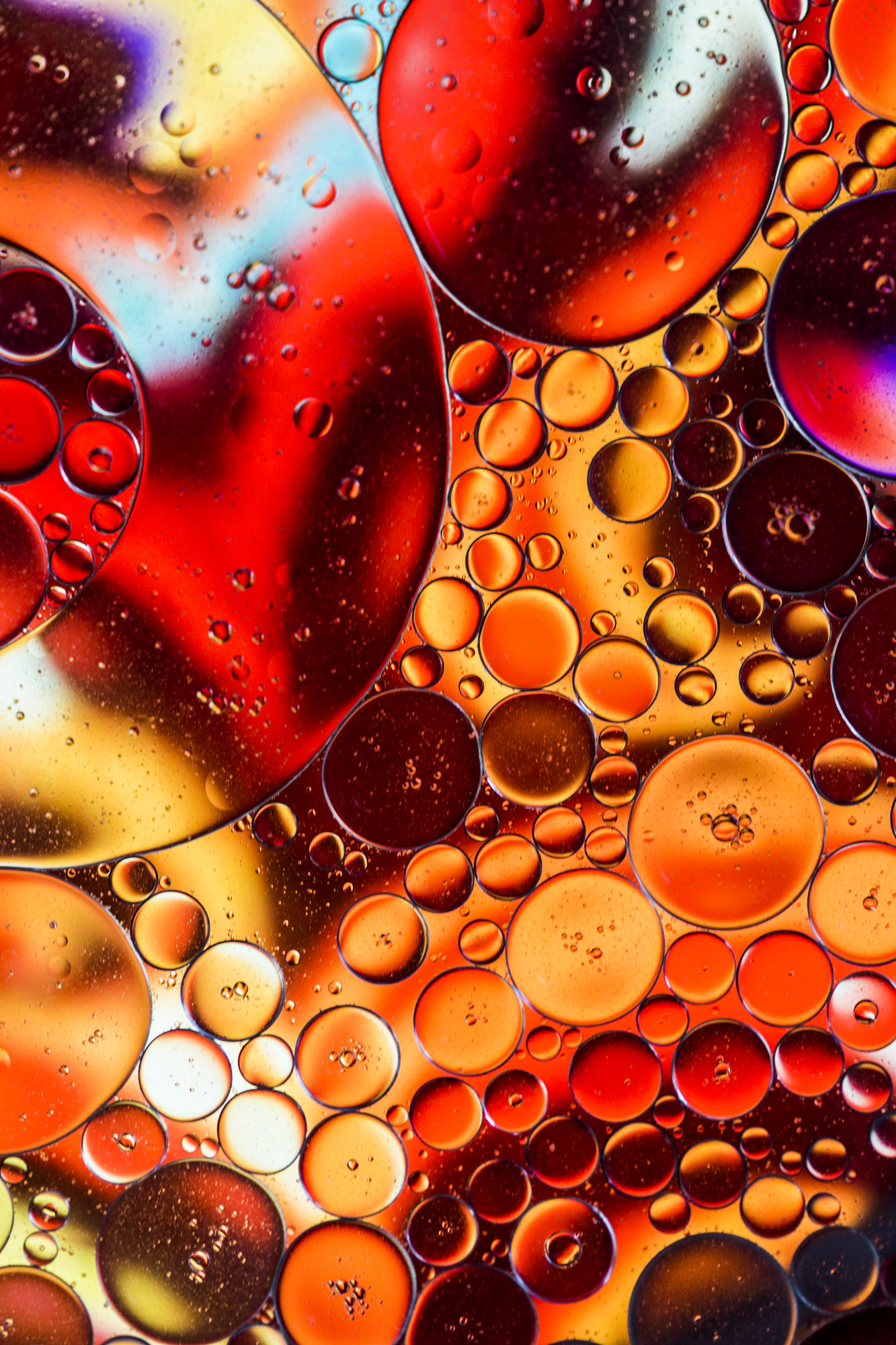
Depth of field determines how much of your subject is in focus, making it a powerful tool in abstract macro photography.
A shallow depth of field isolates specific details, selective focus introduces a sense of mystery, and blur adds softness and flow to the composition. By controlling what remains sharp and what fades away, you can create more expressive and interpretive images.
Therefore, what you leave out is just as important as what you choose to include.
Simplifying Composition for Strong Abstracts
Abstract images can easily become confusing. However, simplicity keeps them effective.
In abstract macro photography:
- Remove unnecessary elements
- Focus on one visual idea
- Use negative space intentionally
Your images feel clean and intentional.
Why Abstract Macro Photography Works
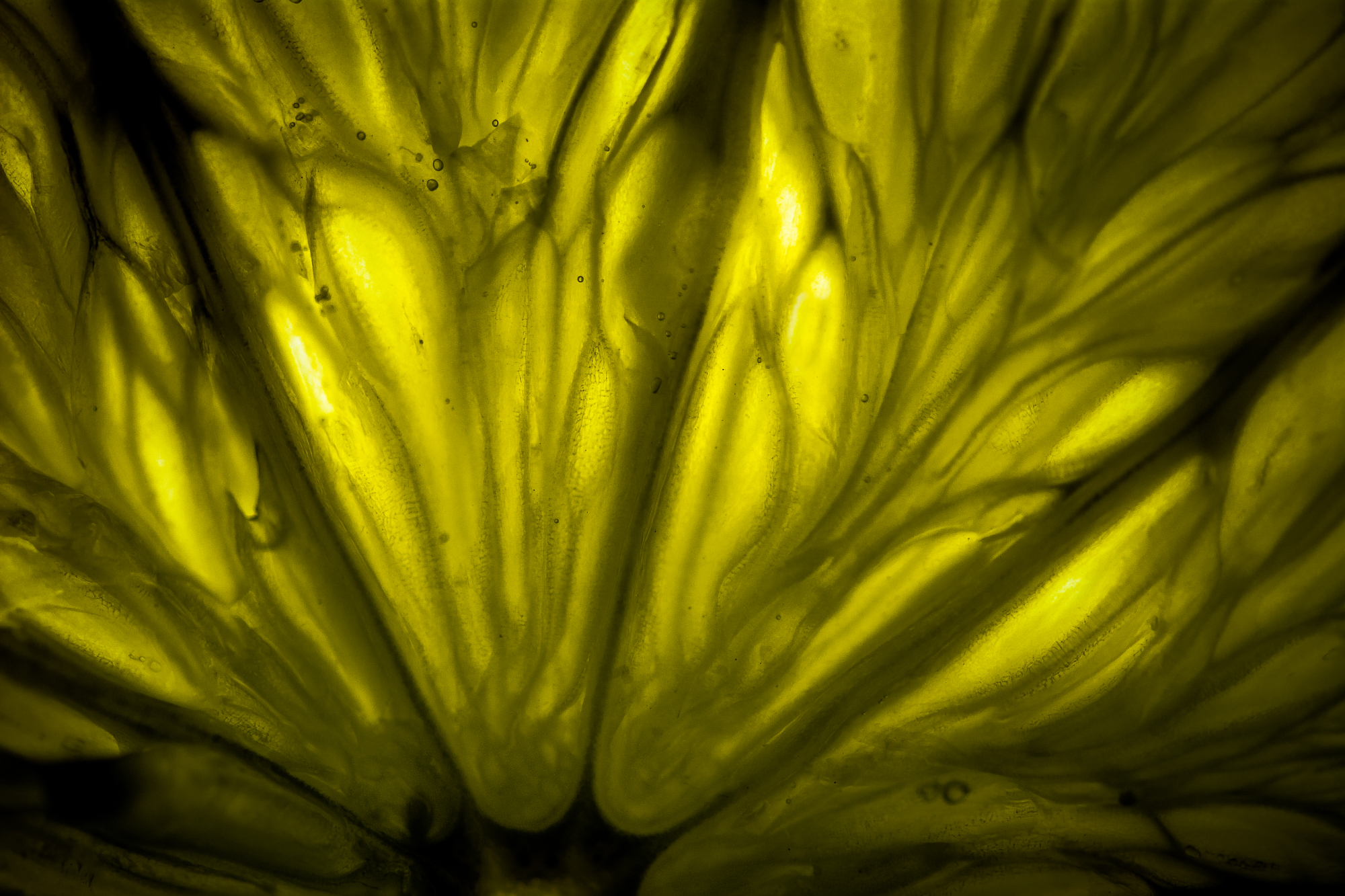
Abstract macro photography removes expectation and invites the viewer to interpret the image in their own way.
By transforming familiar subjects into unfamiliar forms, it encourages creativity and shifts the focus toward visual elements such as shape, texture, color, and light rather than literal meaning.
As a result, abstract macro photography expands the way you see both your subjects and the creative possibilities of photography.
 Final Thoughts on Abstract Macro Photography
You don’t need rare subjects. Instead, you need a different perspective. Get closer. Look longer. Experiment freely.