


惯性聚合 高效追踪和阅读你感兴趣的博客、新闻、科技资讯
阅读原文 在惯性聚合中打开

推荐订阅源

雷峰网
雷峰网
博客园 - 叶小钗
博客园_首页
阮一峰的网络日志
阮一峰的网络日志
D
Docker
J
Java Code Geeks
B
Blog
G
Google Developers Blog
小众软件
小众软件
博客园 - 聂微东
罗磊的独立博客
大猫的无限游戏
大猫的无限游戏
IT之家
IT之家
量子位
WordPress大学
WordPress大学
美团技术团队
钛媒体:引领未来商业与生活新知
钛媒体:引领未来商业与生活新知
宝玉的分享
宝玉的分享
腾讯CDC
Martin Fowler
Martin Fowler
V
Visual Studio Blog
D
DataBreaches.Net
Stack Overflow Blog
Stack Overflow Blog
C
Check Point Blog

Help Net Security

ChatGPT advanced account security adds passkeys and hardware keys Week in review: High-severity LPE vulnerability in the Linux kernel, cPanel 0-day exploited for months Automating Pentest Delivery: A Step-by-Step Guide - PlexTrac Open-source privacy proxy masks PII before prompts reach external AI services Shadow AI risks deepen as 31% of users get no employer training Identity is the control plane for distributed infrastructure AI traffic is getting bigger, louder, and less predictable New infosec products of the month: April 2026 cPanel zero-day exploited for months before patch release (CVE-2026-41940) Cisco releases open-source toolkit for verifying AI model lineage Met Police face criticism for using AI to spy on their own officers Nine-year-old Linux kernel flaw enables reliable local privilege escalation (CVE-2026-31431) Hacker with a special interest in breaching sports institutions ends behind bars - Help Net Security IP Fabric MCP server adds governance and control to enterprise AIOps workflows - Help Net Security Aqua Compass MCP server enables real-time investigation and containment of runtime threats - Help Net Security Google brings instant email verification to Android, no OTP needed - Help Net Security If cyber espionage via HDMI worries you, NCSC built a device to stop it - Help Net Security Apple fixes iPhone bug that let FBI retrieve deleted Signal messages(CVE-2026-28950) - Help Net Security GopherWhisper APT group hides command and control traffic in Slack and Discord - Help Net Security OpenAI tackles a bad habit people have when interacting with AI - Help Net Security A year in, Zoom's CISO reflects on balancing security and business - Help Net Security Scenario: Open-source framework for automated AI app red-teaming - Help Net Security GDPR works, but only where someone enforces it - Help Net Security Ransomware, fraud, and lawsuits drive cyber insurance claims to new peaks - Help Net Security Google’s Workspace Intelligence promises privacy while running on your data - Help Net Security Cyberattack on French government agency triggers phishing alert - Help Net Security Claude Mythos finds 271 Firefox flaws, Mozilla believes zero-days are numbered - Help Net Security Prove Identity Platform connects verification, authentication, and fraud prevention - Help Net Security New Mirai variants target routers and DVRs in parallel campaigns - Help Net Security Acronis GenAI Protection gives MSPs control over AI usage and data risks - Help Net Security
Two cybersecurity pros get prison time for helping ransom...
Anamarija Pogorelec · 2026-05-04 · via Help Net Security

Two American cybersecurity professionals were sentenced to four years in prison for facilitating BlackCat ransomware attacks in 2023.
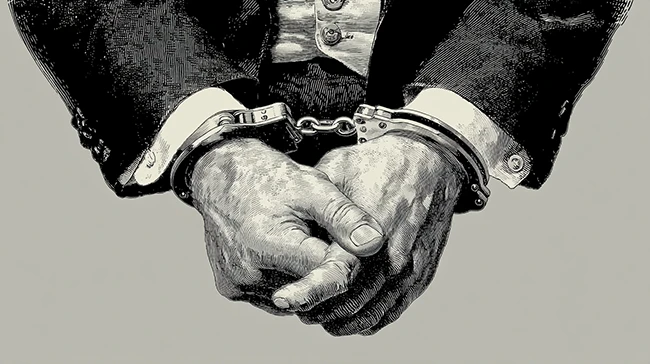
BlackCat cybersecurity experts sentenced

They pleaded guilty in December 2025 to one count of conspiracy to obstruct, delay, or affect commerce, or the movement of any article or commodity in commerce, by extortion.

According to court documents, Ryan Goldberg, Kevin Martin, and their co-conspirator Angelo Martino deployed ALPHV/BlackCat ransomware between April and December 2023 against multiple victims across the United States. They agreed to pay ALPHV/BlackCat administrators a 20% share of any ransoms received in exchange for access to the ransomware and its extortion platform. After extorting approximately $1.2 million in Bitcoin from one victim, they split the remaining share and laundered the proceeds.

ALPHV/BlackCat targeted computer networks of more than 1,000 organizations worldwide. The group operated a ransomware-as-a-service model in which developers built and maintained the malware and supporting infrastructure, while affiliates selected targets and carried out attacks. Ransom payments were split between developers and affiliates.

“These defendants exploited specialized cybersecurity knowledge not to protect victims, but to extort them,” said U.S. Attorney Jason A. Reding Quiñones for the Southern District of Florida.

“They used ransomware to lock down critical systems, steal sensitive data, and pressure American businesses into paying to regain access to their own information. Today’s sentence of four years reflects not only the scale of this scheme, but the real harm inflicted on businesses, employees, and victims whose private information was weaponized for profit. In this District, cybercriminals will face federal prison and forfeit the proceeds of their crimes,” Reding Quiñones continued.

This case follows the Justice Department’s December 2023 actions against ALPHV/BlackCat ransomware. The FBI developed a decryption tool that helped victims restore their systems, saving an estimated $99 million in ransom payments. The agency also seized several websites operated by the group at the time.

“Goldberg and Martin leveraged their technical skills and cyber security knowledge to extort millions from victims across the U.S., but the FBI’s global reach ensured that they ultimately faced justice. When Goldberg sought to flee abroad and escape prosecution, the FBI tracked him through 10 countries, demonstrating the lengths we will go to hold cyber criminals accountable and protect victims,” said Assistant Director Brett Leatherman of the FBI’s Cyber Division.

Angelo Martino pleaded guilty in April 2026 to the same charge. He also used his role as a ransomware negotiator to share confidential victim information with threat actors to increase ransom demands. He is scheduled to be sentenced on July 9.