




IN PARTNERSHIP WITH

Consumer Tech: Nvidia home AI box; Apple iOS 27 multi-model AI; OpenAI GPT‑5.5 Instant; reMarkable $399 Paper Pure
Art/Culture: Oscars ban AI actors/scripts; Vine relaunch vs AI slop; Met Gala fashion-as-art
Sports: Sports IP $174B; Antonelli wins Miami GP; Kentucky Derby first female trainer
Futurism: AI-controlled hand wearable (MIT); lead-free nanomaterials in 12h; JAL tests humanoid robots
Wellness: AI beats doctors in triage (67%); Abbott Ultreon 3.0 cleared; Aidoc raises $150M
Food/Drink: $187B SNAP cuts; H5N1 in 700+ CA dairy herds; Barocal $10M solid-state cooling

GTM Atlas is a free resource by Attio, the CRM of the modern GTM stack. With stories and insights from leading operators at Framer, Lovable, and Vercel, you’ll get:
ICP, outbound, and retention frameworks from operators who've built them
The qualification signals that actually predict conversion
Conversion plays that don't rely on a pitch deck
Mapped by operators. Curated by Attio.

Feed the Children Partners with WYDE's $EAT Token — FTC becomes exclusive partner for WYDE's $EAT hunger token. 944 holders funded 20,000 meals while token surged 10,000%, with 25% of trading fees auto-funding this verified 501(c)(3).
BitMart Crypto Card — Launched new Visa crypto debit card with 10% cash-back promotion for first month, permanent 5% cash back across seven categories.
Tech Buzz Editorial Feature
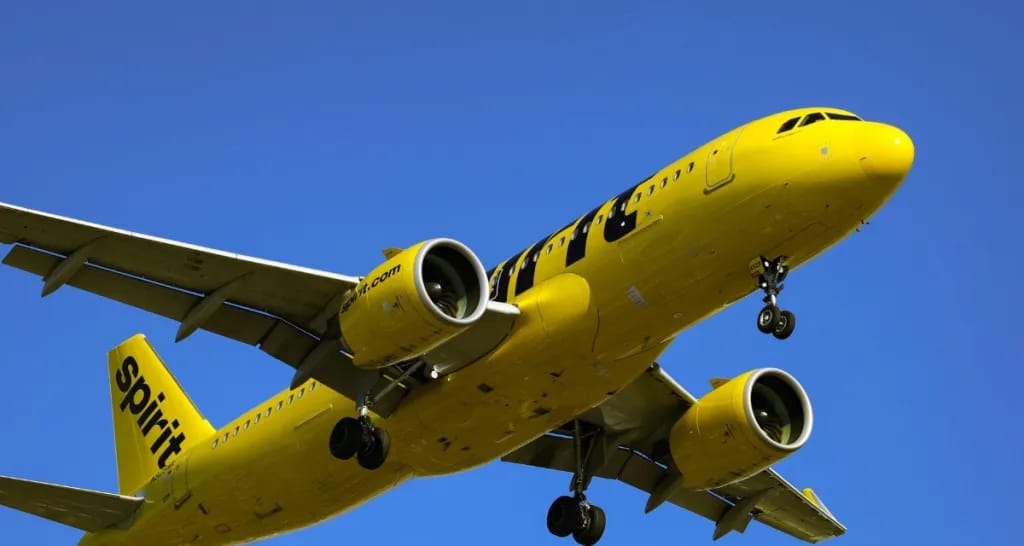
When Spirit Airlines shut down at 3 a.m. on Saturday, May 2, thousands of travelers woke up holding worthless tickets and thousands of employees faced unemployment with zero notice. Budget air travel just lost its scrappiest player, the airline that made flying accessible to people who otherwise couldn't afford it.
Then Hunter Peterson, an aviation enthusiast with a smile and a wild idea, decided to do something the industry had never seen: crowdsource the purchase of an entire airline.
Peterson's bio is simple and perfect. His plan? Turn Spirit into a people-owned carrier. No overpaid CEO. No large shareholder dictating the company's fate. Just travelers who actually use the service owning the thing that gets them places.
He launched a website where anyone could pledge money starting at $45, the average price of a Spirit ticket. The goal felt impossible: $1.75B to buy the operation certificate before it goes to auction in less than a week.
Then something unexpected happened. People started pledging. A lot of people.
Within days, the total hit $24M. By the time you read this, it has climbed past $437M. The pledges range from $45 to $850, and the momentum keeps building.
This could easily be dismissed as a viral stunt, but Peterson is treating it seriously. He met with the Spirit Flight Attendants' Union. He consulted attorneys. He spoke with one of the world's largest law firms specializing in mergers and acquisitions, aviation distress assets, and debt.
"They basically said, this is doable. We can do this," Peterson explained in an Instagram video.
He also connected with someone representing high-net-worth individuals willing to fund the legal groundwork. The legal fees alone could burn through serious cash, but Peterson wants the paperwork done right before any money leaves anyone's account.
The clock is ticking. Spirit's operation certificate goes to auction soon, and if this crowdfunded bid is going to work, it needs to reach that $1.75B mark fast.
The response to Peterson's campaign reveals something deeper than nostalgia for cheap flights. People are exhausted by watching corporations gut companies for profit, declare bankruptcy, and leave workers stranded.
Spirit made air travel possible for people who couldn't drop hundreds on a ticket. Families visiting relatives across the country. Students flying home for holidays. People stretching tight budgets to see the world. When Spirit died, that access died with it.
But the outpouring of support suggests people are ready to imagine alternatives. One commenter wrote: "If this succeeds the people can band together to buy even more companies that get intentionally bankrupt by private equity and we can start bringing back consumer friendly practices or seizing the means of production maybe."
Even if Peterson's campaign reaches $1.75B in pledges, turning those pledges into actual cash, winning the auction, and operating a functional airline are entirely different challenges. Airlines are notoriously difficult businesses with razor-thin margins, brutal competition, and endless regulatory hurdles.
Spirit failed for reasons beyond just management. The budget airline model faces structural pressures from fuel costs, labor expenses, and customer expectations that are hard to square with rock-bottom fares.
A people-owned airline would still need to solve those problems. Collective ownership doesn't magically make planes cheaper to maintain or airports cheaper to use.
But maybe that's not the point. Maybe what's happening here is less about saving one airline and more about people demanding a say in how essential services operate.
Air travel has become necessary infrastructure for modern life, not a luxury. Yet it's controlled entirely by corporations optimizing for shareholder value, not passenger experience or worker welfare.
Peterson's campaign asks: what if the people who actually use airlines got to decide how they run?
It's a radical question that applies far beyond aviation. Healthcare. Housing. Internet access. All the systems people depend on but have zero control over.
The auction is coming. Peterson's pledge total keeps climbing. Whether it reaches $1.75B or not, the campaign has already proven something important: when given the chance, ordinary people will put their money toward building systems that serve them, not just extract from them.
If Spirit 2.0 actually takes flight, it could reshape how we think about ownership and accountability in industries that affect everyone. If it crashes before takeoff, it will still have demonstrated that appetite for alternatives exists.
Either way, thousands of people just pledged hundreds of millions of dollars to try something the aviation industry said was impossible. That alone is worth paying attention to.
"This Spirit Airlines 2.0 project is giving me hope for America. I know there are more important fish to fry when it comes to issues in America. But if we are successful with this, imagine all the other issues we can address using this framework. Like truly power to the people."
Campaign Contributor Post







Telehealth Abortion Pill — Supreme Court reviews Louisiana lawsuit against telehealth prescriptions of mifepristone, pending FDA review.
AI Outperforms Doctors in Triage — AI systems surpass human doctors in Harvard study, achieving 67% diagnostic accuracy versus 50-55% for humans.
Early Access to Pancreatic Drug — FDA grants early access to daraxonrasib for metastatic pancreatic cancer via Revolution Medicines program.
AI Pet Robot Familiar Unveiled — Former iRobot CEO introduces Familiar, AI-driven plush pet robot for companionship, mental health support.

此内容由惯性聚合(RSS阅读器)自动聚合整理,仅供阅读参考。 原文来自 — 版权归原作者所有。