






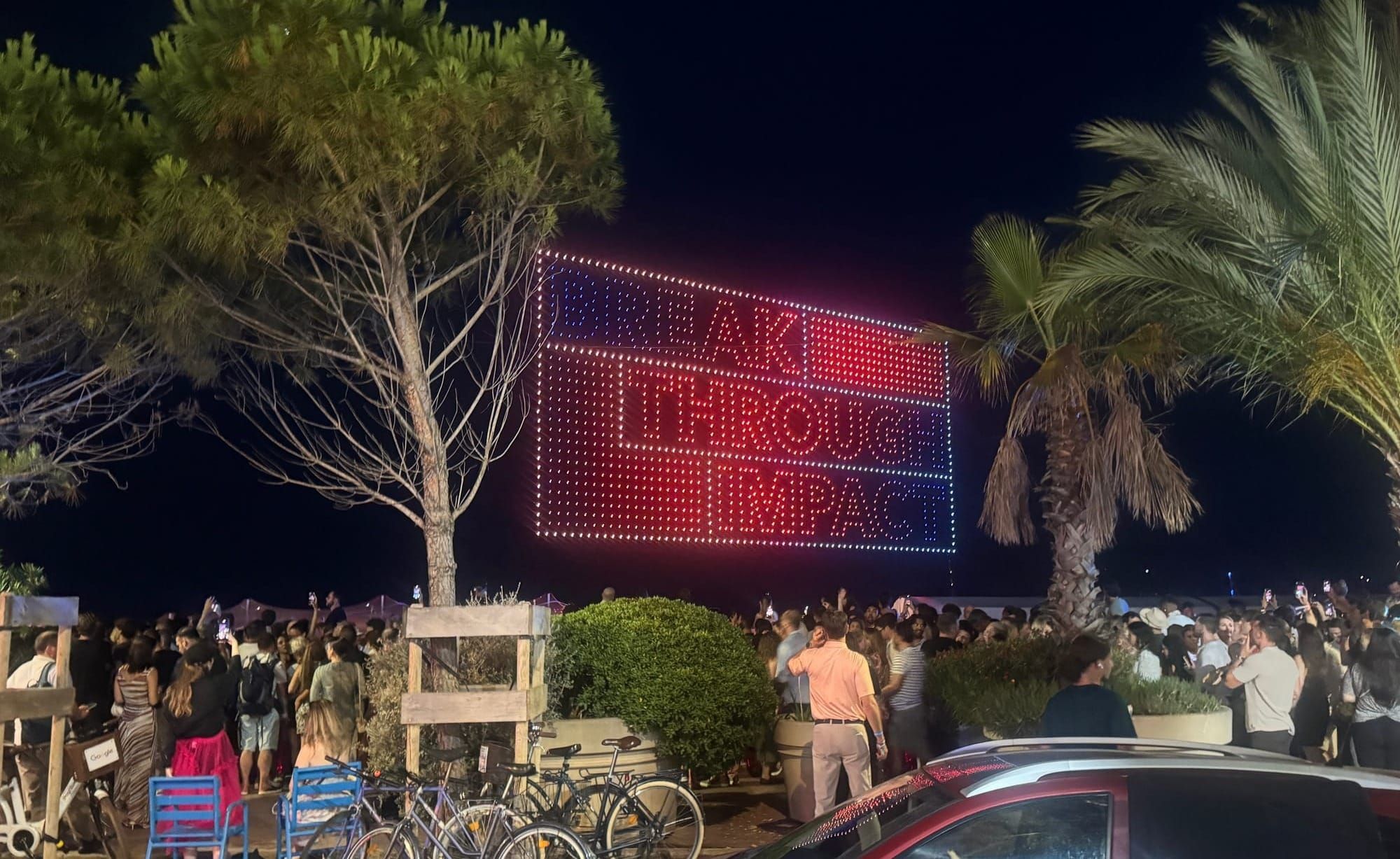
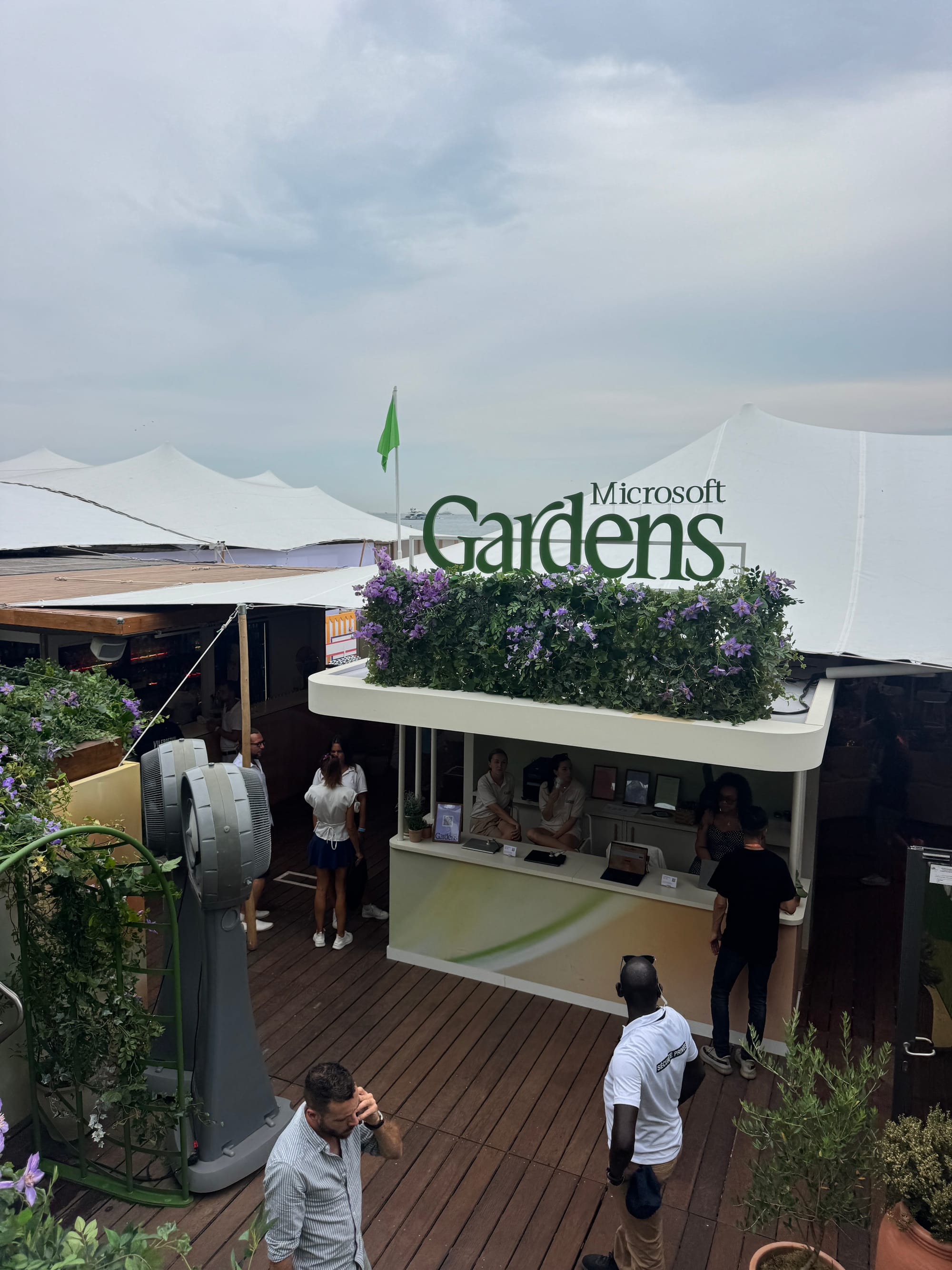
I am standing just outside of the Yahoo Explorer’s Society, where the line for DJ Tiësto stretches well past Microsoft Gardens, out toward the Canva Creator Cabana and Influential Beach. Thankfully the line doesn’t cross with “Make Noise, Not Just Content” featuring Diplo at Salesforce Beach, or Mumford & Sons at Spotify Beach. Tiësto started hours ago, but a mix of sweaty advertising and big tech employees still jockey for position in different priority access lines stratified by different colored wristbands depending on a mix of your position, who you know, whether you are likely to buy ads with Yahoo. Some have no wristband at all and simply have a QR code to Tiësto and are sequestered to a general admission line; a bunch of French people with no QR code at all have decided to dance on the actual sand beach just outside.
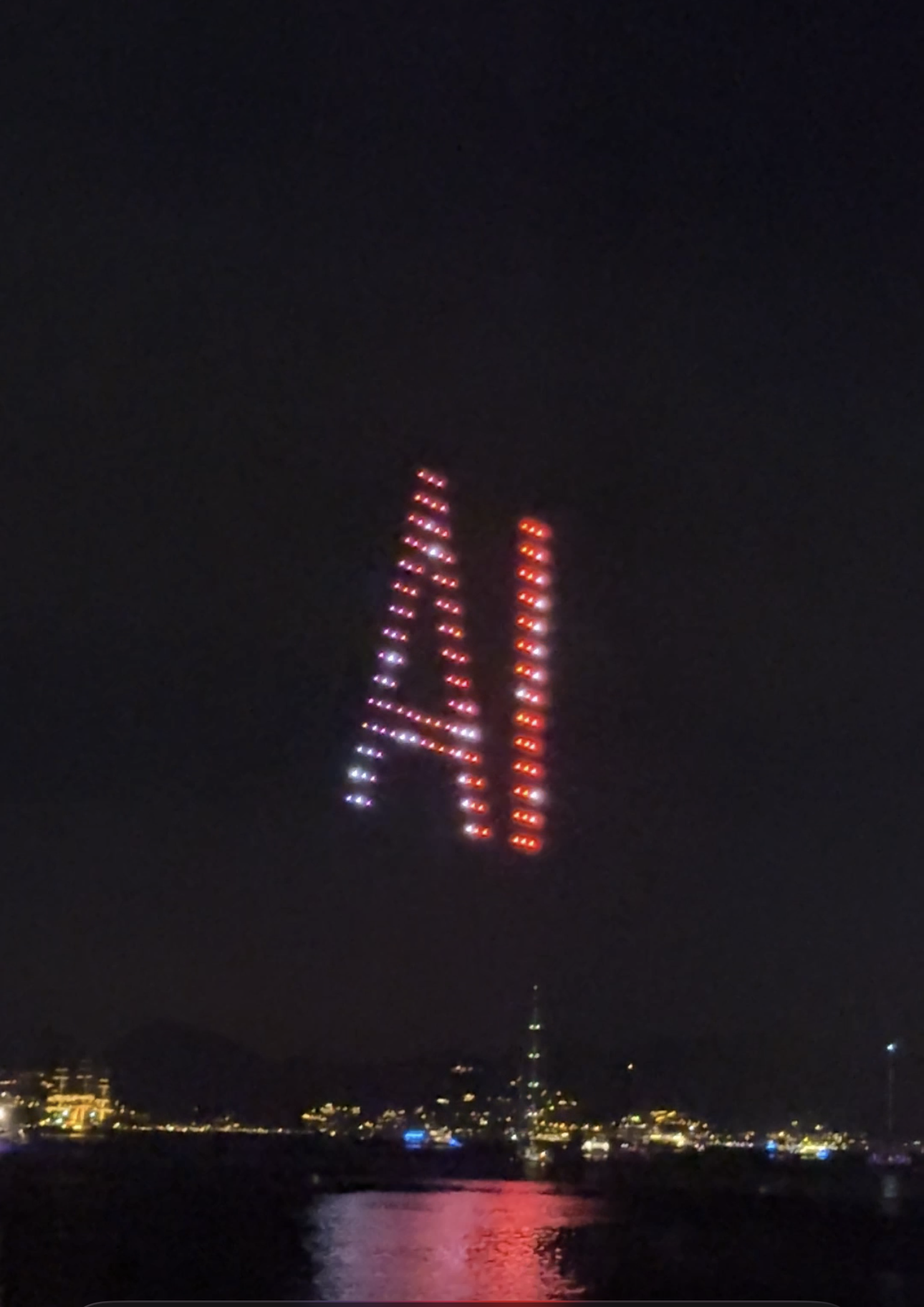
I have decided to walk back to the apartment I’m staying at when I see hundreds of dark drones fly out from a nest at a construction site and hover high above the yachts a few hundred feet out at sea. Their lights flicker on and they form a blue and white hand with a finger pointing into the sky. The drones rearrange themselves into huge letters: “AI.” The drones shift again to read “ART & INTELLIGENCE.” They shift again to say “KARGO.”
0:00
/1:26
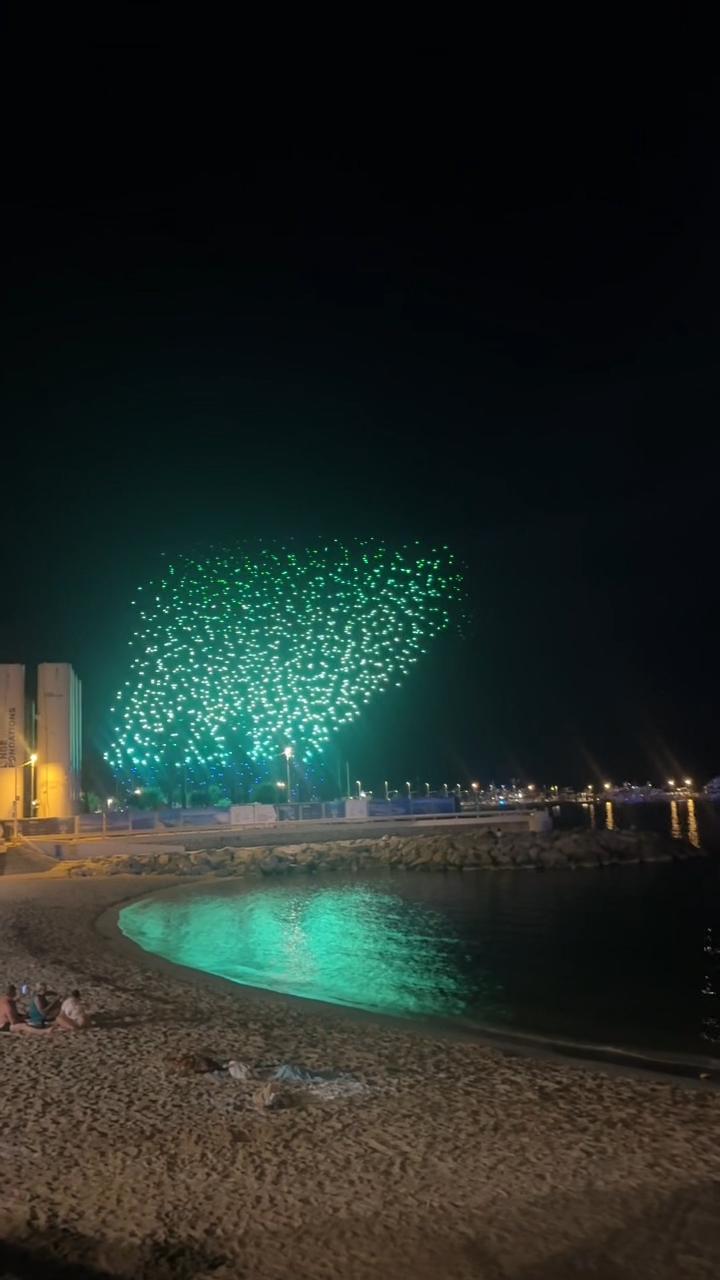
This is Cannes Lions, where everything is an advertisement for advertisements, a glitzy, week-long “conference” and “awards show” in Cannes, France. Big tech companies and any major company that buys or sells ads send thousands of their employees here to wine and dine each other on yachts, in bars and cafes, at brand “activations” on the beach, and in chateaus and villas. Cannes is the biggest advertising conference in the world—or at least the most glamorous—where advertising execs and brand execs form the relationships that will ultimately result in billions of dollars of ad spend, and which will shape the way we buy things, the way we’re advertised to, and the way the internet works.
After years of hearing about Cannes from executives at VICE who went every year, I decided to go this year because some of my friends were going as part of their job. A big emphasis this year was on advertisers collaborating with creators, and we do sell ads at 404 Media and are creators, in a way. I was able to get a press pass from Cannes Lions and thought I would spend part of my time reporting, part of my time trying to meet with potential advertisers, part of my time seeing which parties I could get into, and part of my time going to the beach in the middle of one of the worst heat waves on record in Europe. I have reported on tech and advertising for a long time, have been to some big tech conferences and many tech company campuses, and I expected the entire thing to be quite ridiculous, but the conference was over-the-top in every conceivable way.
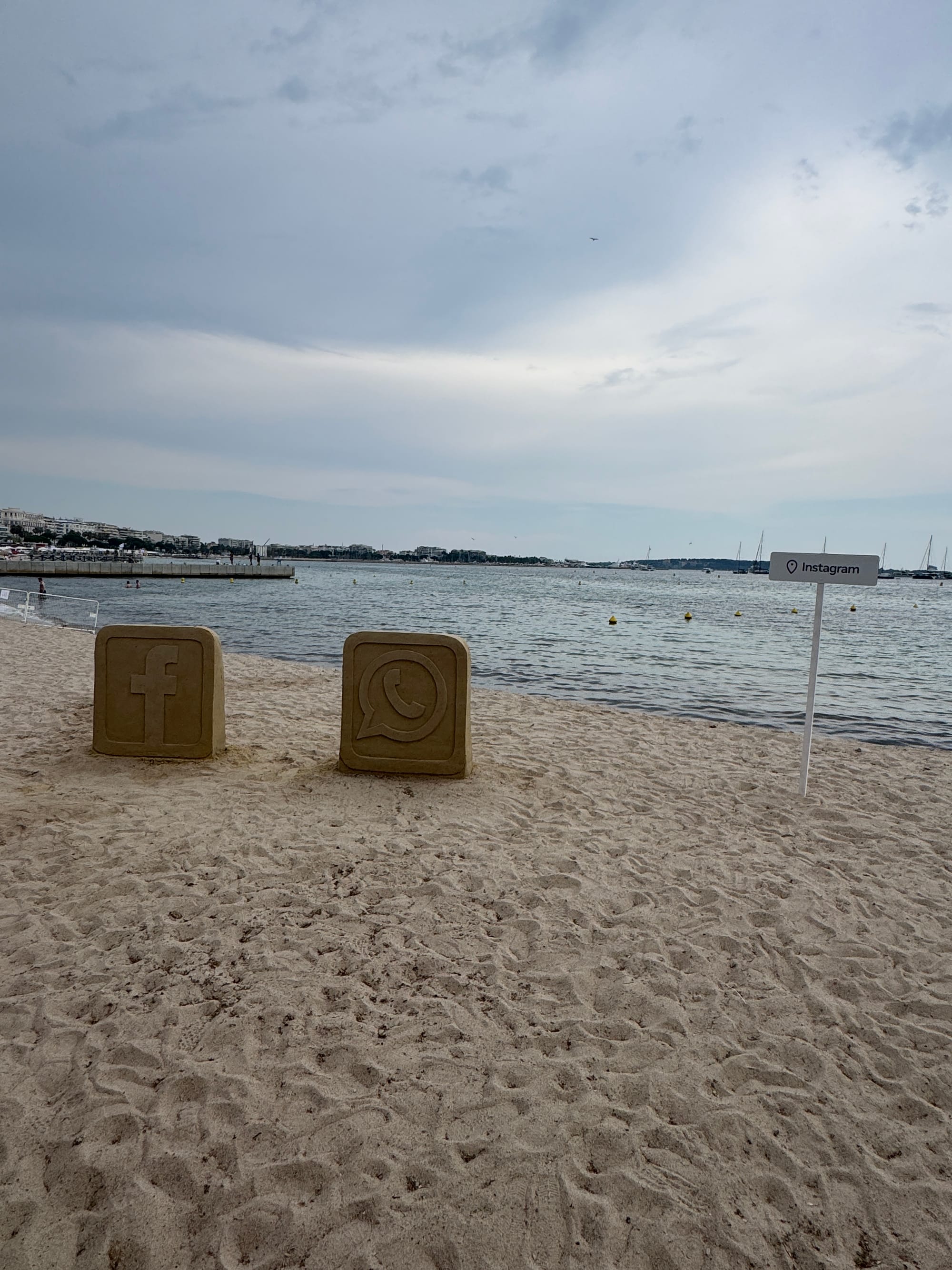
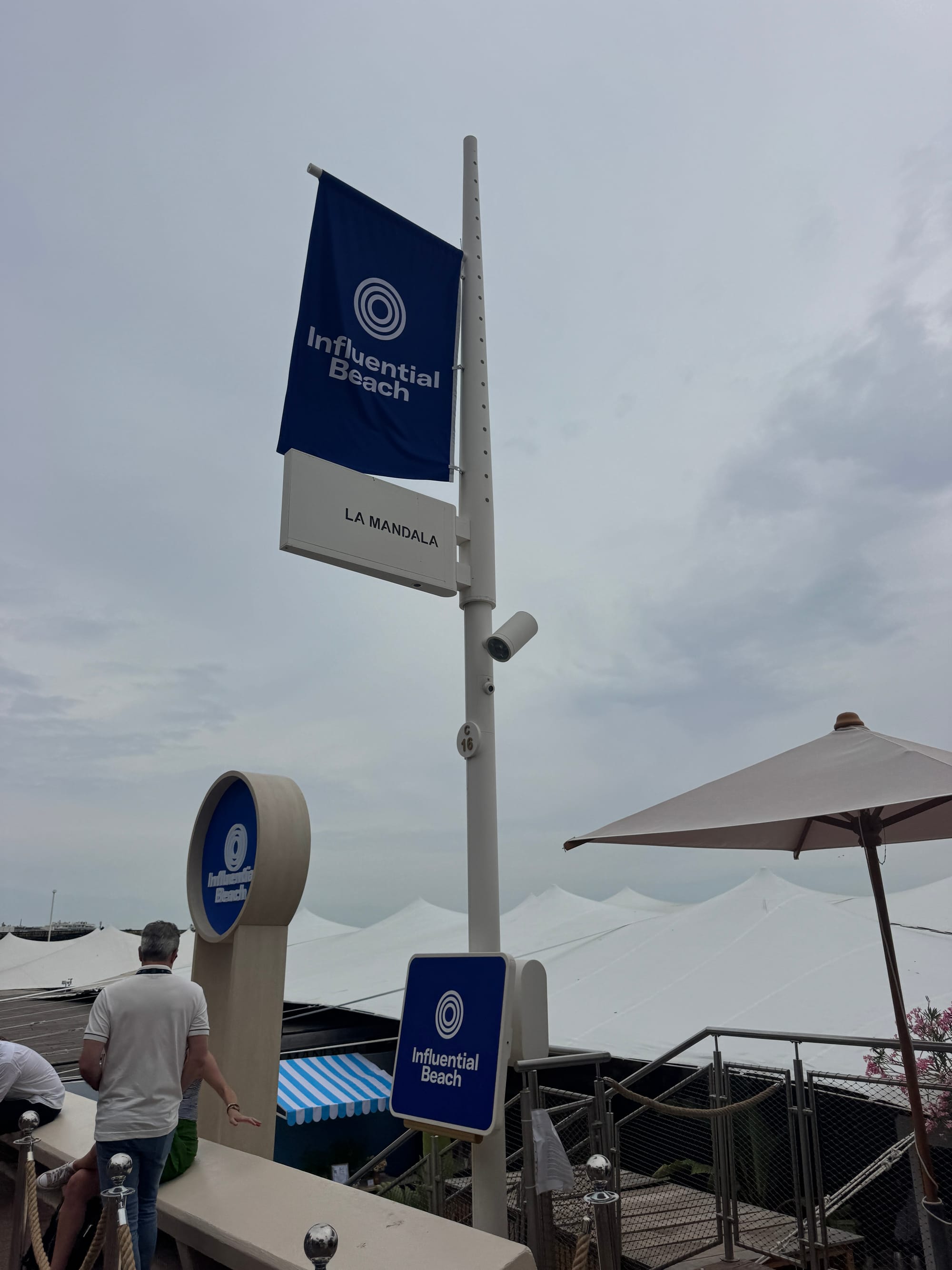
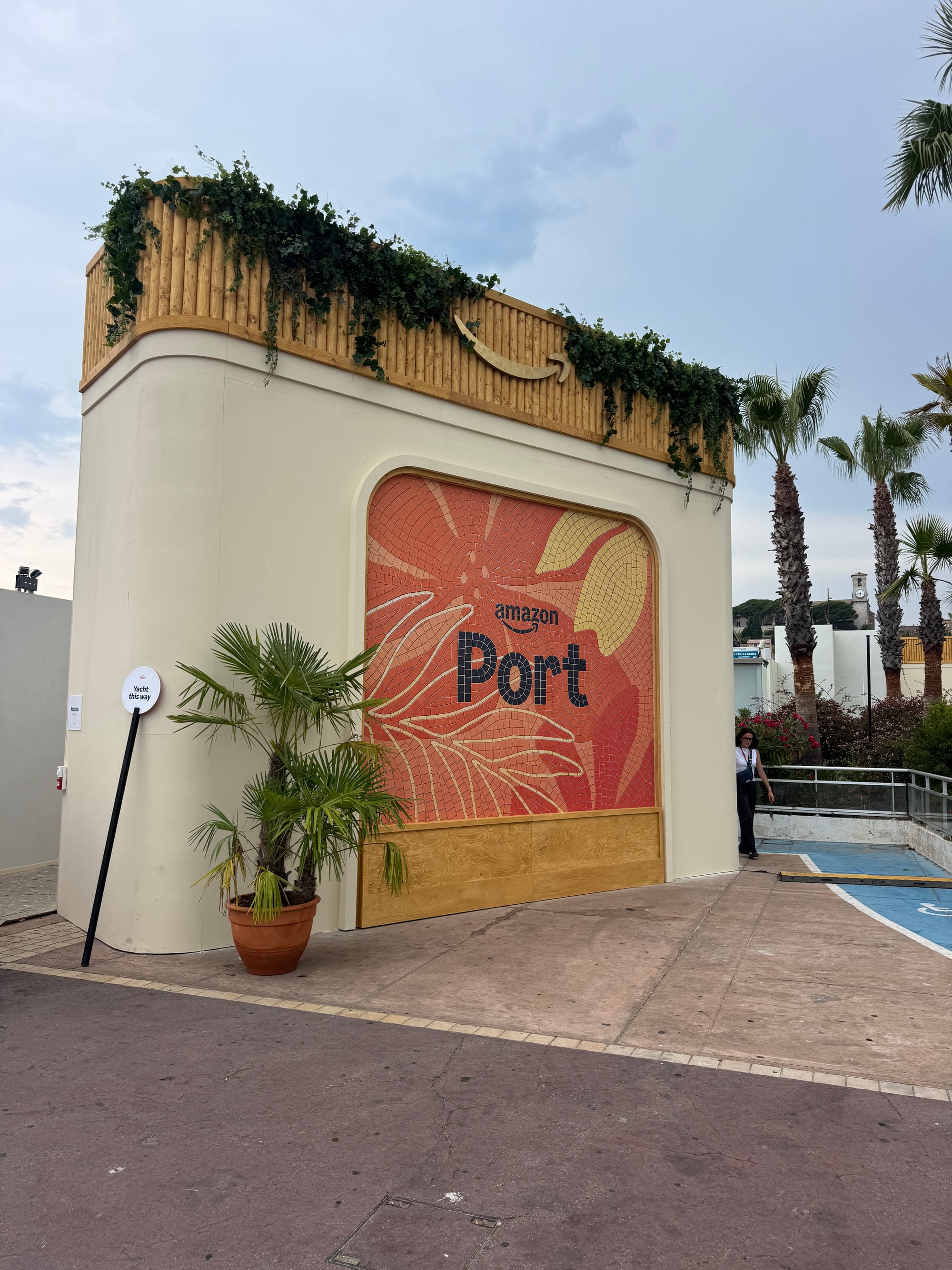
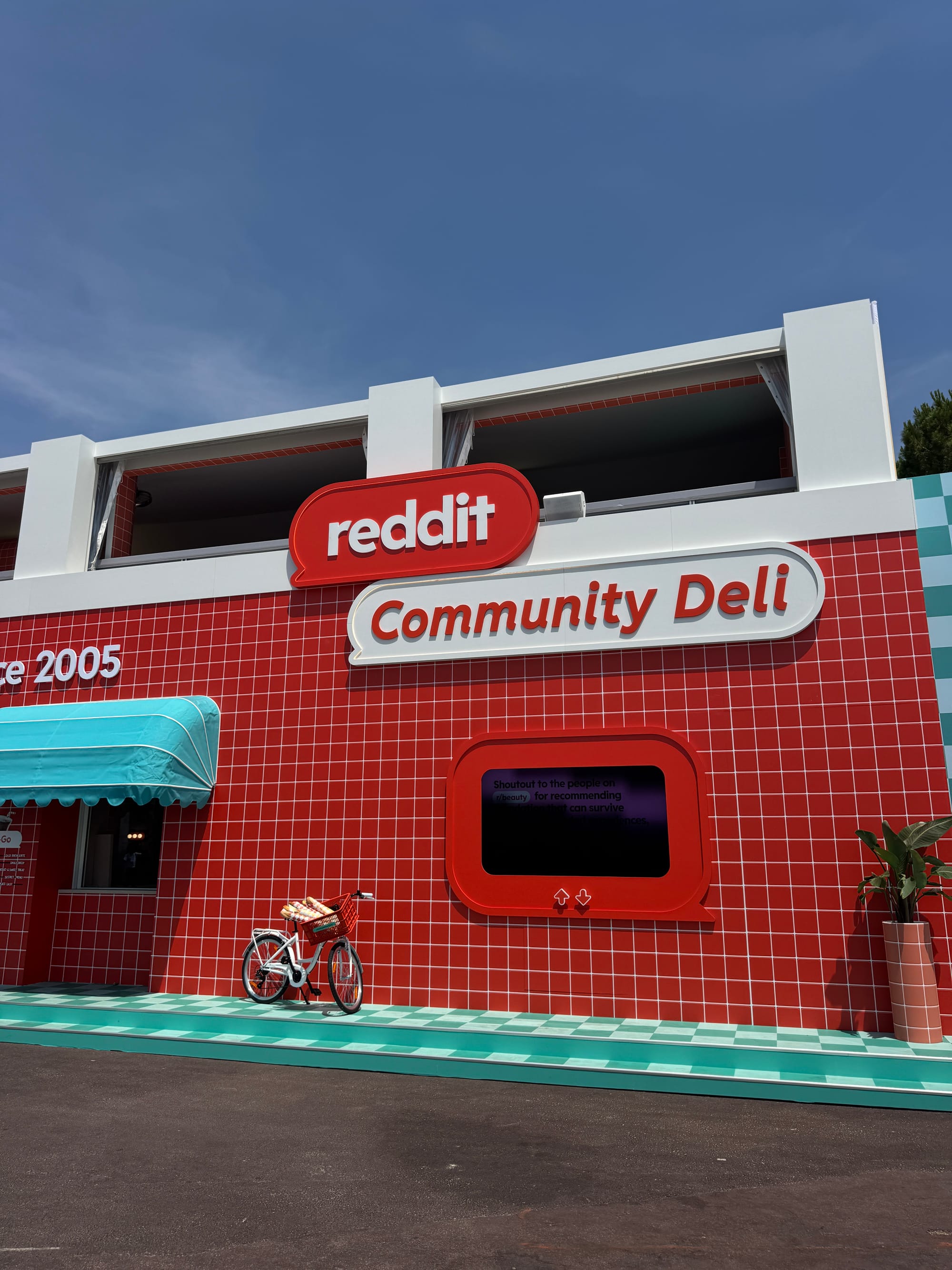
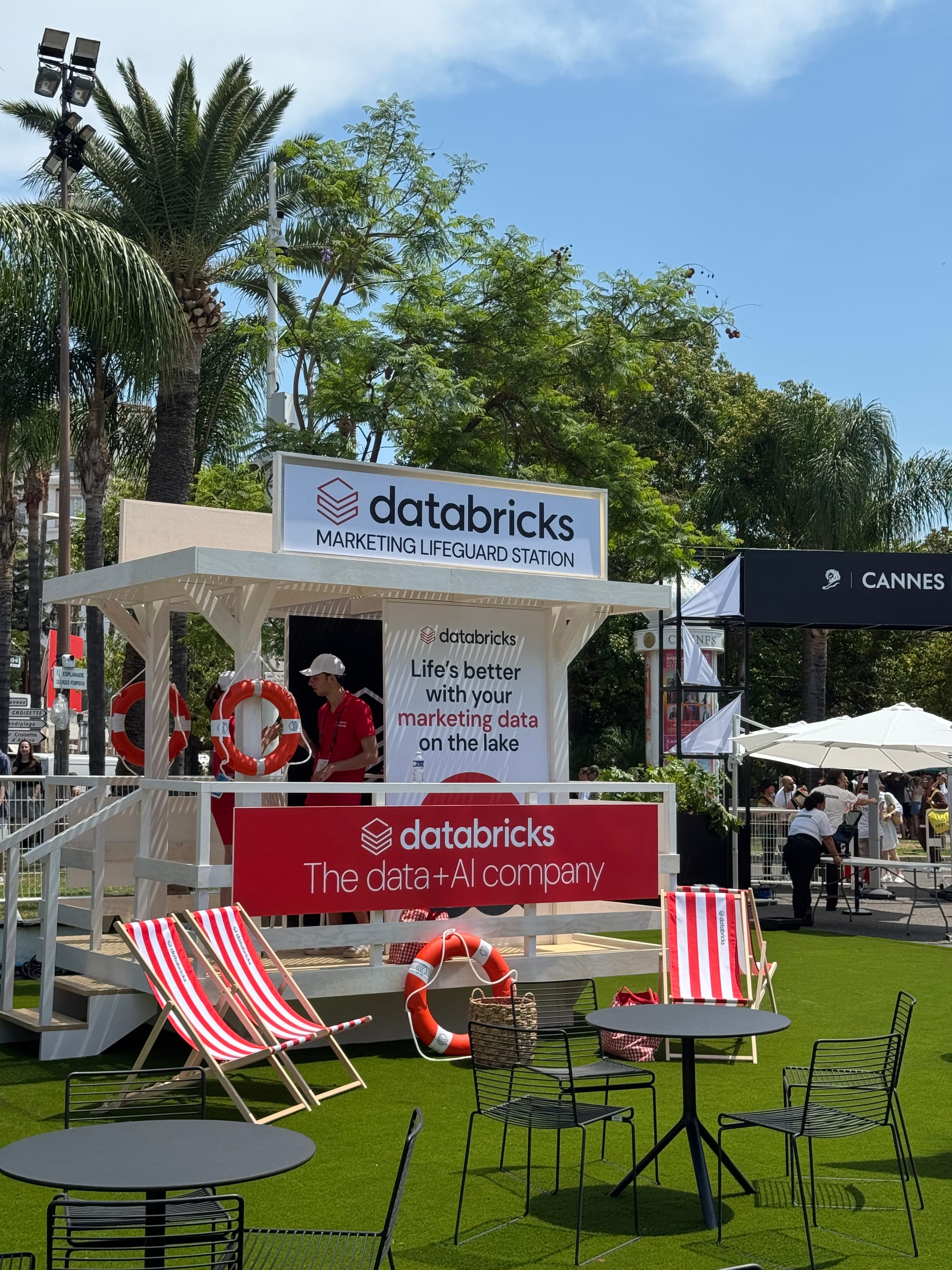
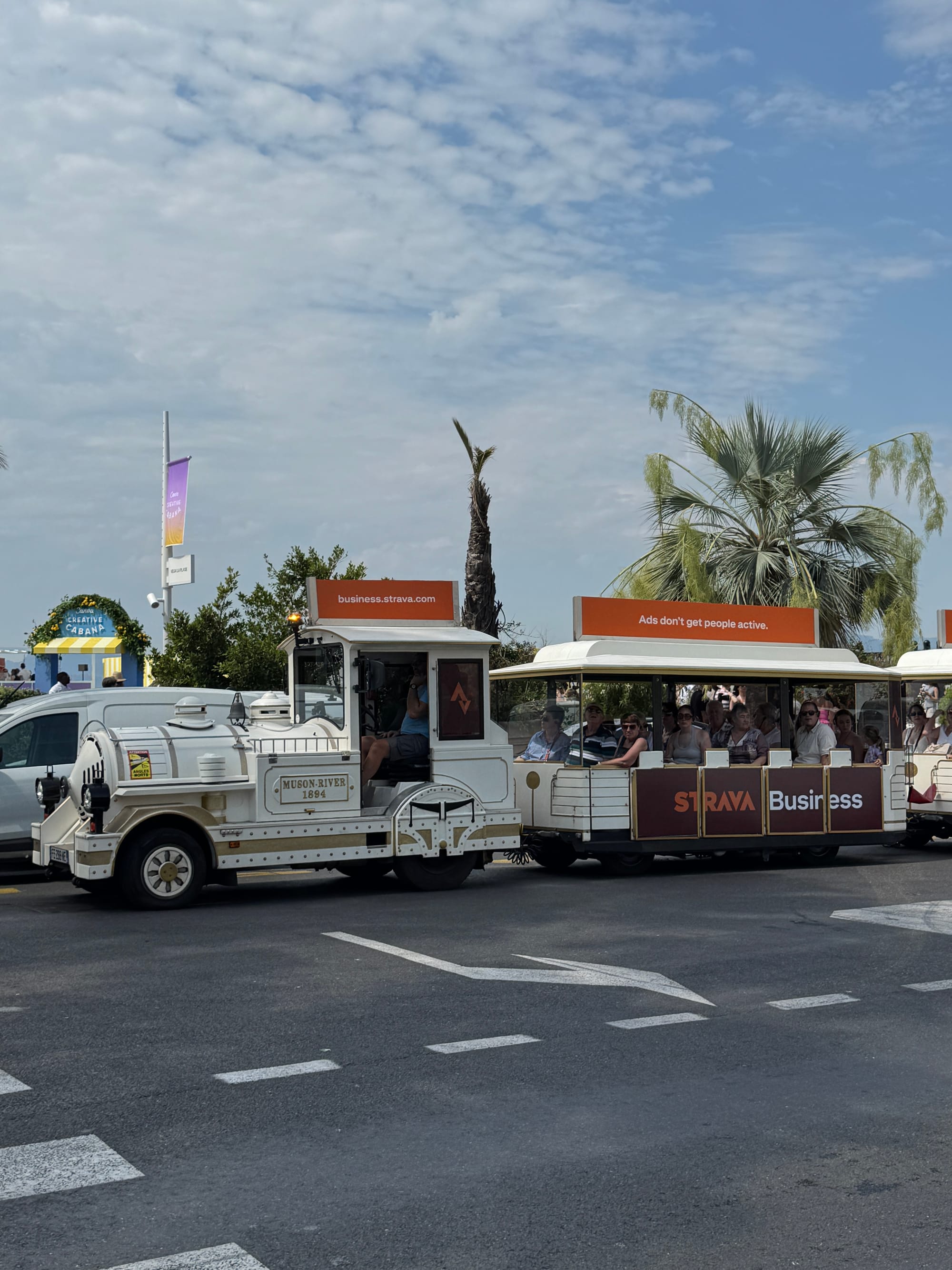
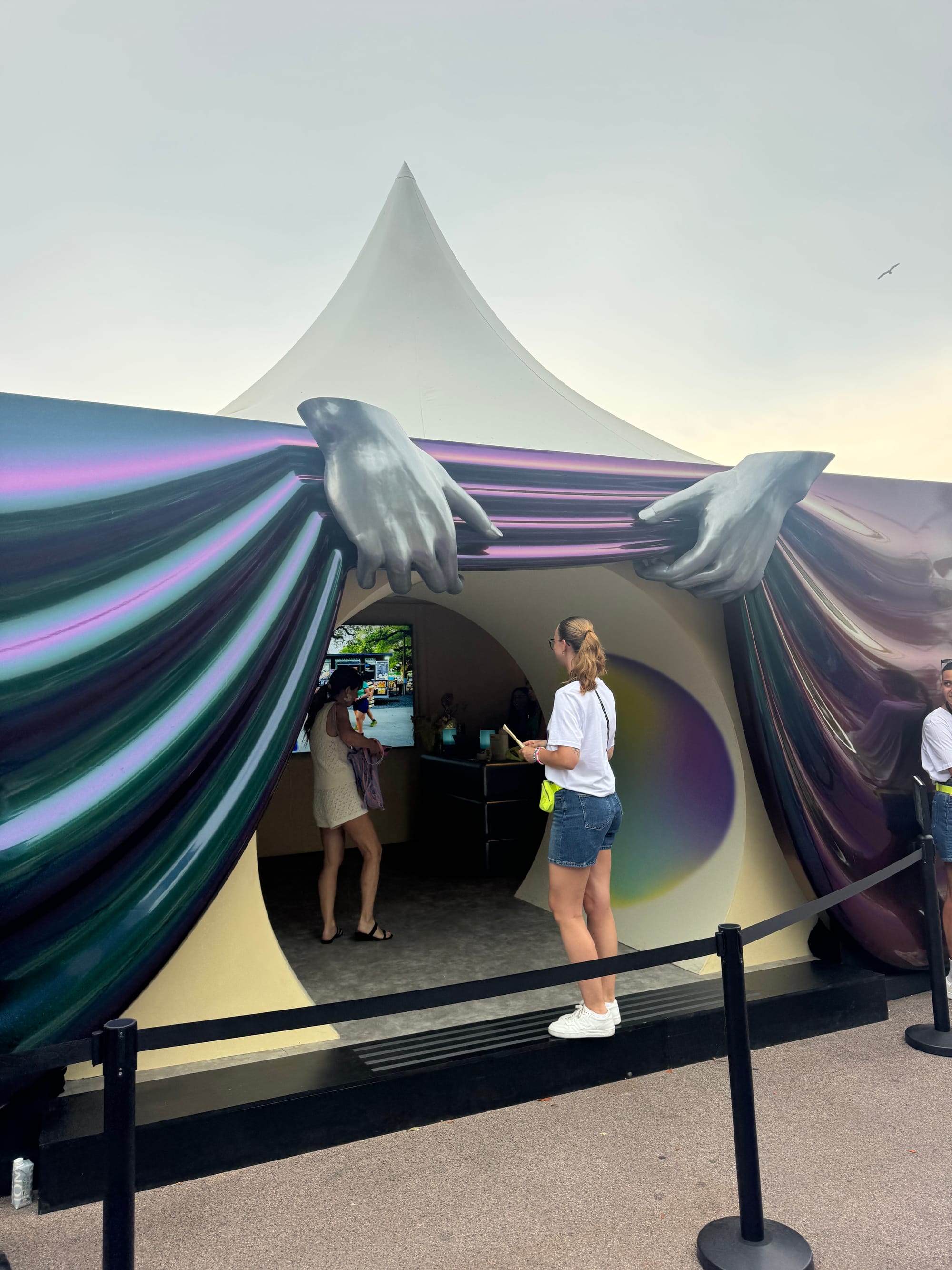
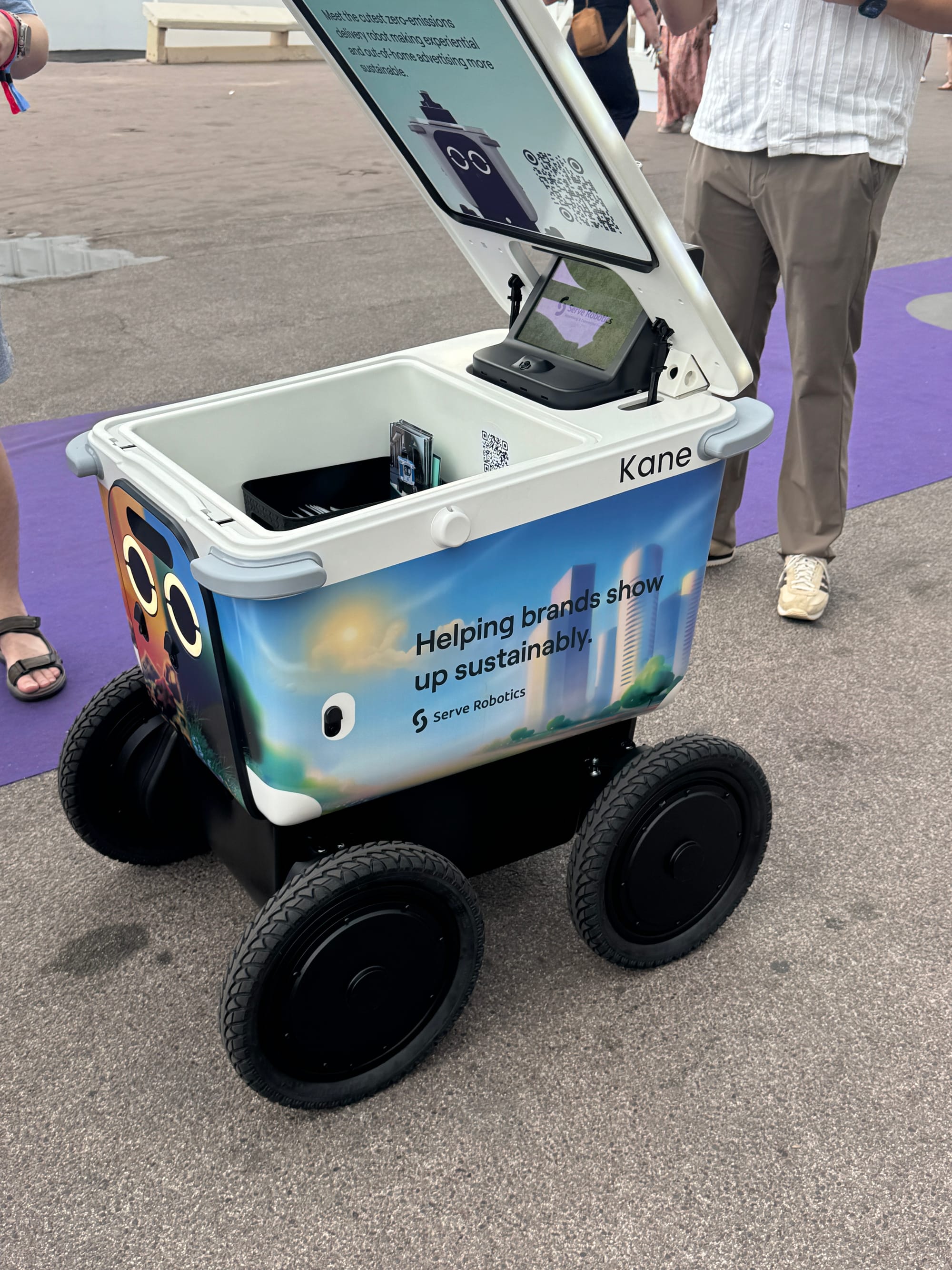
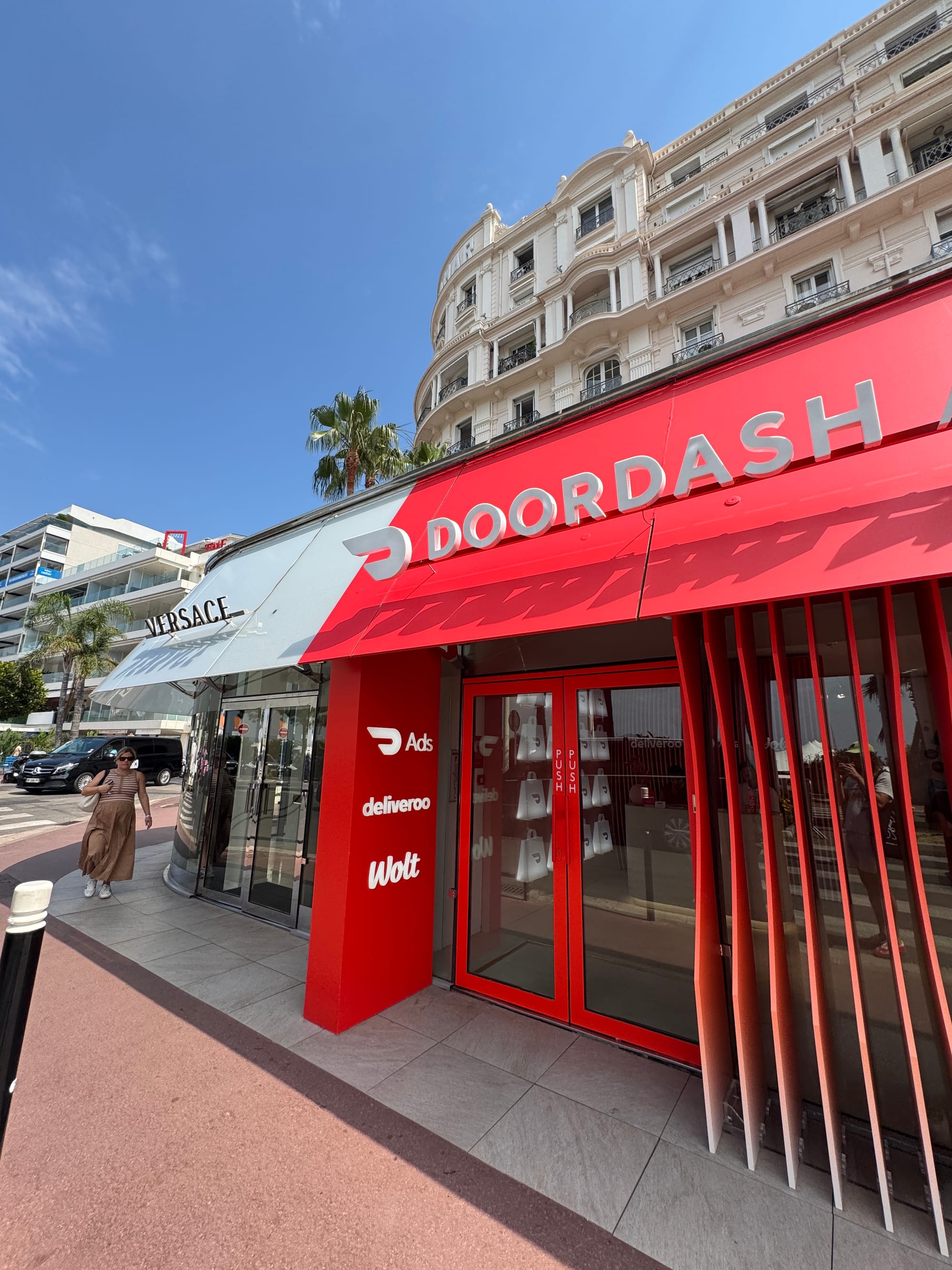
The entire conference is an advertisement for different types of advertising, and everything that can be turned into an ad has been. The Cannes trolley cars that run up and down the beach have been bought out by Strava (“Ads don’t get people active. Strava Sponsored Challenges do. Reach over 195 million active people on Strava,” the ads on the trolleys say.) About half of the cars navigating the winding Cannes streets have been wrapped with ads for advertising on Uber or Lyft or some other platform. DoorDash took over a store directly next to Versace, PayPal took over a patisserie. There are billboards for billboard ads, though every billboard advertising employee I spoke to insisted their job was “boring” and that the buzz had moved from “outdoor” (a euphemism for billboard ads) to “IRL,” a euphemism for events that have video billboard ads at them. KARGO’s drone ad was advertising drone advertising. Serve Delivery robots were driving around advertising the fact you can advertise on the robots; the United Arab Emirates was advertising the fact that its government is willing to do ideas others “said no to.” Life360, the app that lets parents surveil their kids, threw a full week of programming which included tips about advertising on Life360. The JW Marriott had information about how to advertise via the Marriott BonVoy rewards program; United Airlines had information about how to advertise on United flights; Chase had a building about how to advertise to Chase cardholders. OpenAI and Reddit had big presences, explaining how to advertise to Redditors and ChatGPT users; Reddit’s executives tried to tow a careful line about how Reddit is “the most human place on the internet” but is also widely scraped by LLMs, while OpenAI tried to explain that humans make decisions based on what its robots say. I wandered into Meta’s beach compound and caught a portion of a panel about using Gen Z influencers to advertise in which the video sign said “Cringe or Cool? Creators who educate instead of entertain.” Free streaming tv giant Tubi was there with an indoor activation where you had to walk through a curtain that looked like Goatse. I walked by a panel where someone was explaining in great detail the creativity behind a specific tweet made by the KitKat account. Kevin Durant and Shaquille O’Neal and Oprah and Alex Rodriguez and Seth Meyers and Bryson DeChambeau were all there talking about their new podcasts or video series or partnerships or creative visions or about how talent and vision are important and in Durant’s case, about “building culture not just content.”
The conference is so big, and represents every possible type of advertising—it is impossible to have one single takeaway or to analyze one specific trend. Some of the people I spoke to said they were worried about AI, others saw it as an opportunity. Some said advertising needed to be more human, but many of the billboards and panels suggested much of the work could be automated. Basically, if you came into Cannes with a narrative or grand pronouncement about the future of advertising, you could probably find a panel that would help you confirm that belief. But what was immediately clear is that the main purpose of Cannes is for the advertising industry to hang out and drink rosé and spritzes on the beach, on yachts, in bars, and bistros, either at specific parties or on their own company’s expense account. It would be possible to do the business part of this conference at a hotel in Pennsylvania or Maryland or Vegas, but that would defeat the overall purpose, which appears to be drinking champagne in the south of France.
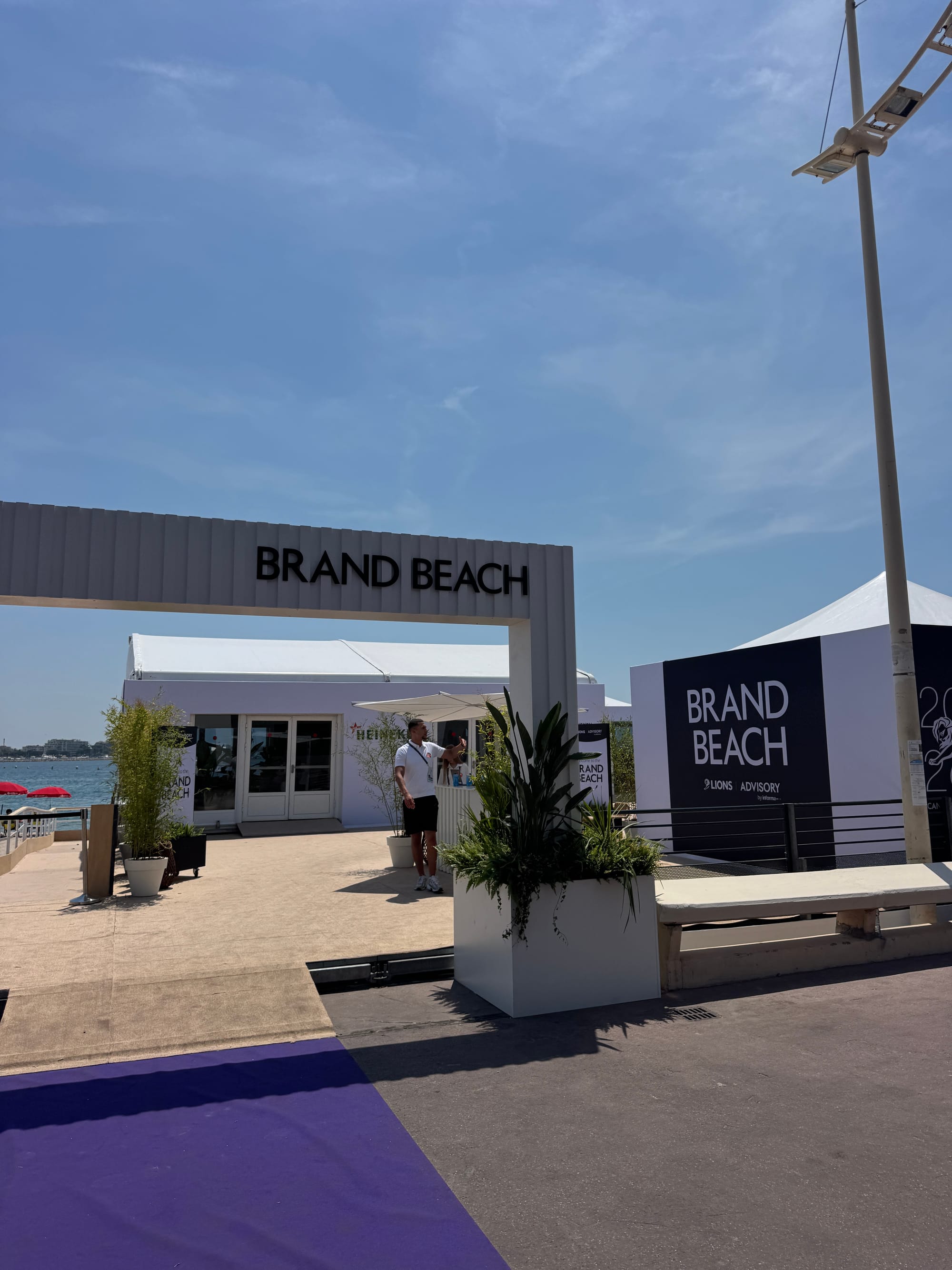
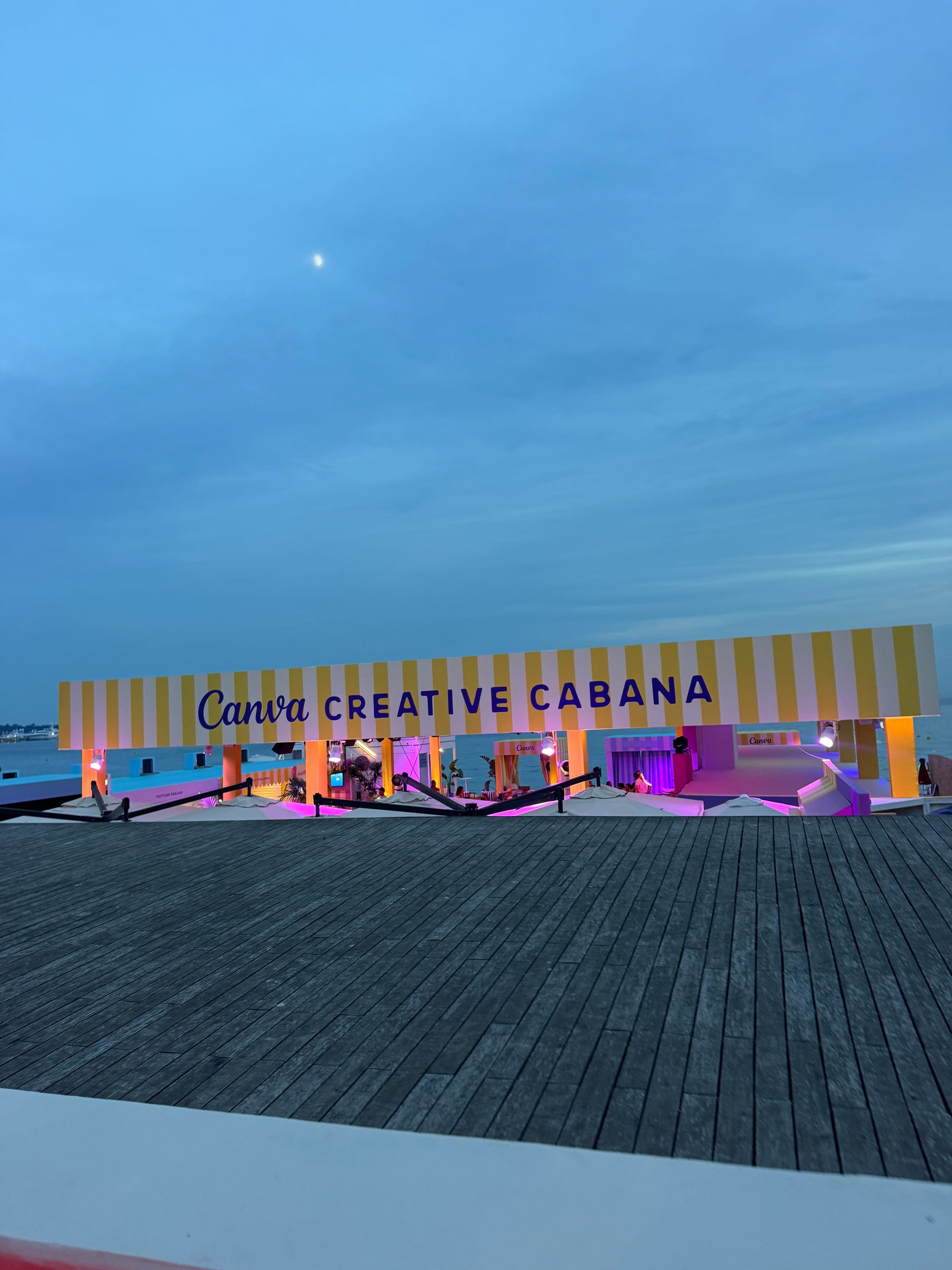
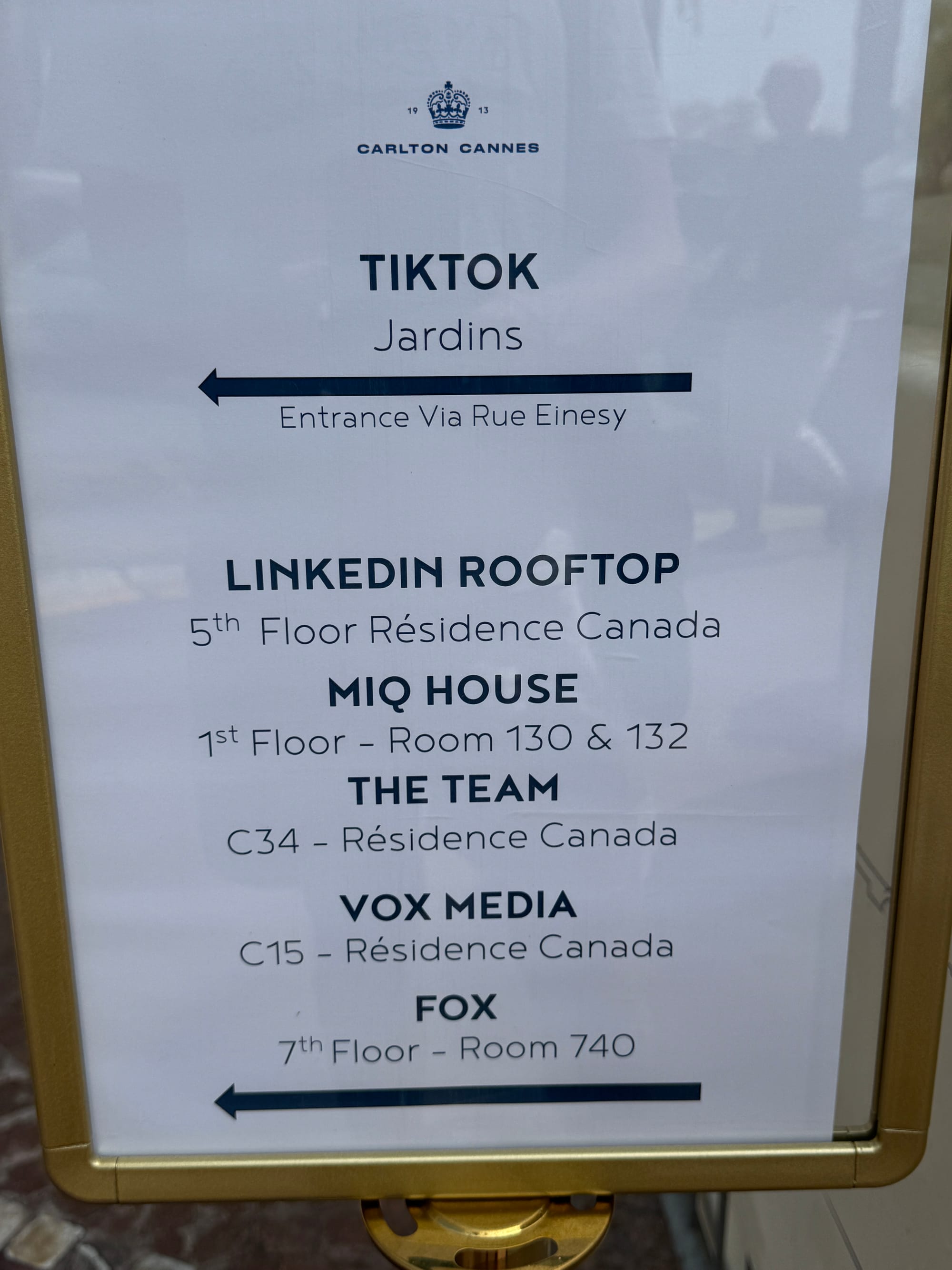
Every major tech company had either a “plage,” or beach activation area which basically consisted of tents, bars, and stages for panels and/or highly paid concerts; this often resulted in people in sneakers, khakis and dress shirts standing on the sand talking to each other a few hundred feet from vacationers swimming in the ocean. Besides Salesforce Beach, Microsoft Gardens, and Canva Creative Cabana, there was “Sport Beach,” The Female Quotient, Google/YouTube Beach, the “Reddit Cafeteria,” and more. Just behind the plages are other brand activations that happen either in hotels or luxury stores. A DoorDash Ads store was located directly next to Versace, for example. The Carleton hotel was divided into “TikTok Jardins,” LinkedIN Rooftop, MIQ House (an adtech company), and then rooms for something called “The Team,” Vox Media, and Fox. These plages were not to be confused with “BRAND BEACH,” which was a separate area along the beach filled with little cubes for brands to take meetings in.
There were also lots of companies you probably haven’t heard of, with inscrutable names and impossible-to-explain products. I went to numerous panels where one of the panelists listed a series of acronyms or products, and another panelist or the moderator responded “I have no idea what you just said.”
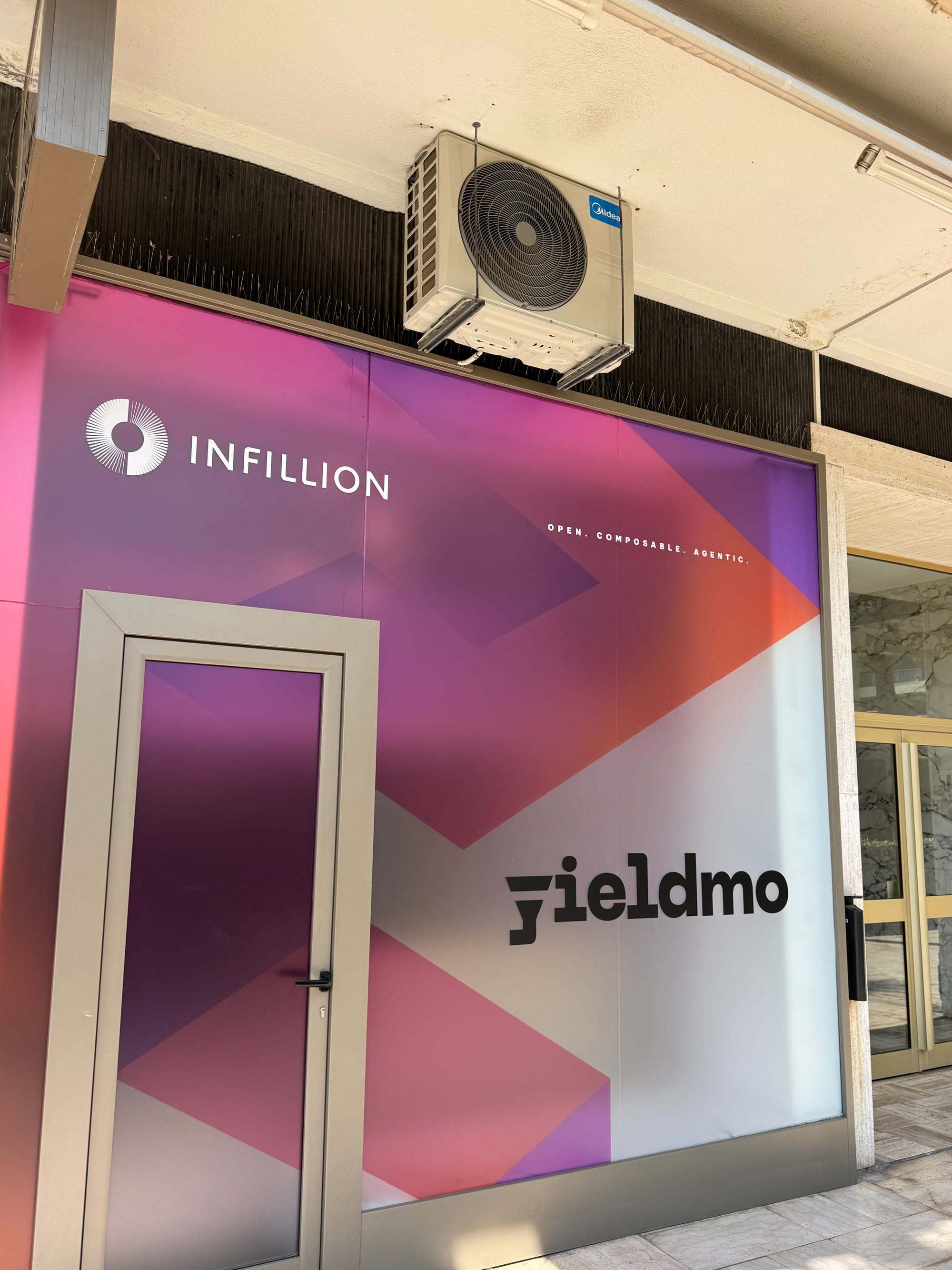
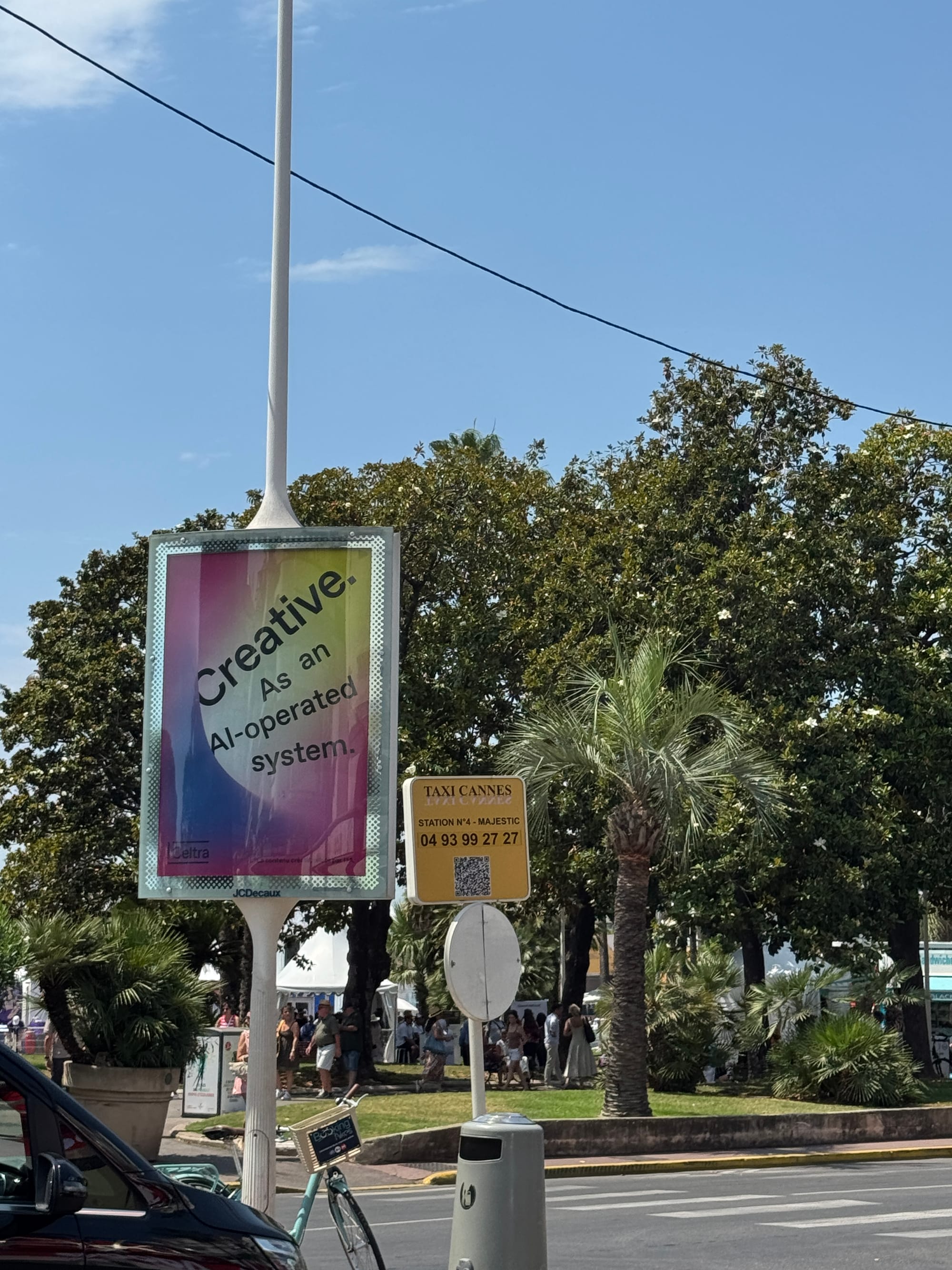
“DSPs are on the TV sidelines: Tatari gets brands in the big game,” one billboard I saw in Cannes read. “Tell us what Braze does,” another huge billboard read; when I walked by the Braze tent, I heard someone ask them what Braze does and it was deeply unclear (The answer, according to its website: “Braze is a customer engagement platform that empowers brands to Be Absolutely Engaging.™” Conveo pitched “Always on customer understanding,” and MiQ pitched the idea that you can buy ads with an AI and can create digital AI personas: “Sigma’s upgraded gen-AI omnichannel audiences gives advertisers over 1 million targeting options,” its ad in front of the Carleton hotel read. I saw a billboard that just said “Infillion Yieldmo.” One billboard I saw just read “Creative as an AI-operated system.” A car driving around Cannes read “an AI bought this ad.”
Nominally, Cannes Lions is an award show that honors the most creative and innovative advertisement campaigns of the past year. The basement of the Palais des Festivals, which is basically a huge convention center, is filled with images of iconic ads from the last few decades, and there is a red carpet and daily awards ceremonies. The Cannes Lions website notes it is “where creativity drives progress,” and states that “The Awards underpin everything that makes Cannes Lions what it is—the home of creative excellence and effectiveness—and each year a new global benchmark for creativity is set.” Inspirational messages inside the Palais highlighted creativity and the human touch with empty little platitudes; one read “Personal growth is no longer a nice to have. It’s a must have.” Another said “DRIVE PROGRESS. THIS IS YOUR MOMENT.” A third said “CREATE EMOTIONAL STORIES.”
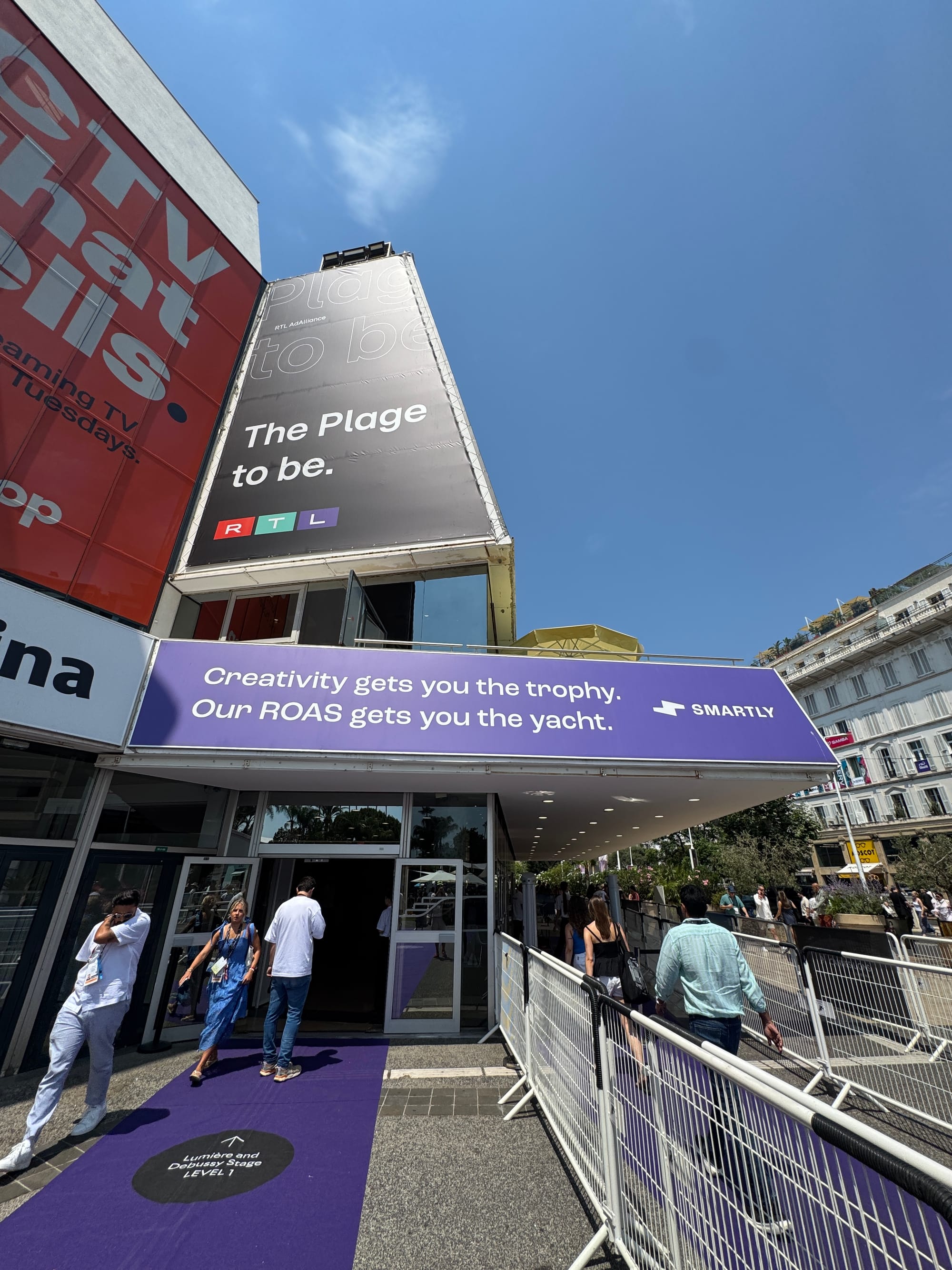
A billboard on the outside of the Palais for a company called Smartly, however, reads “Creativity gets you the trophy. Our ROAS gets you the yacht.”
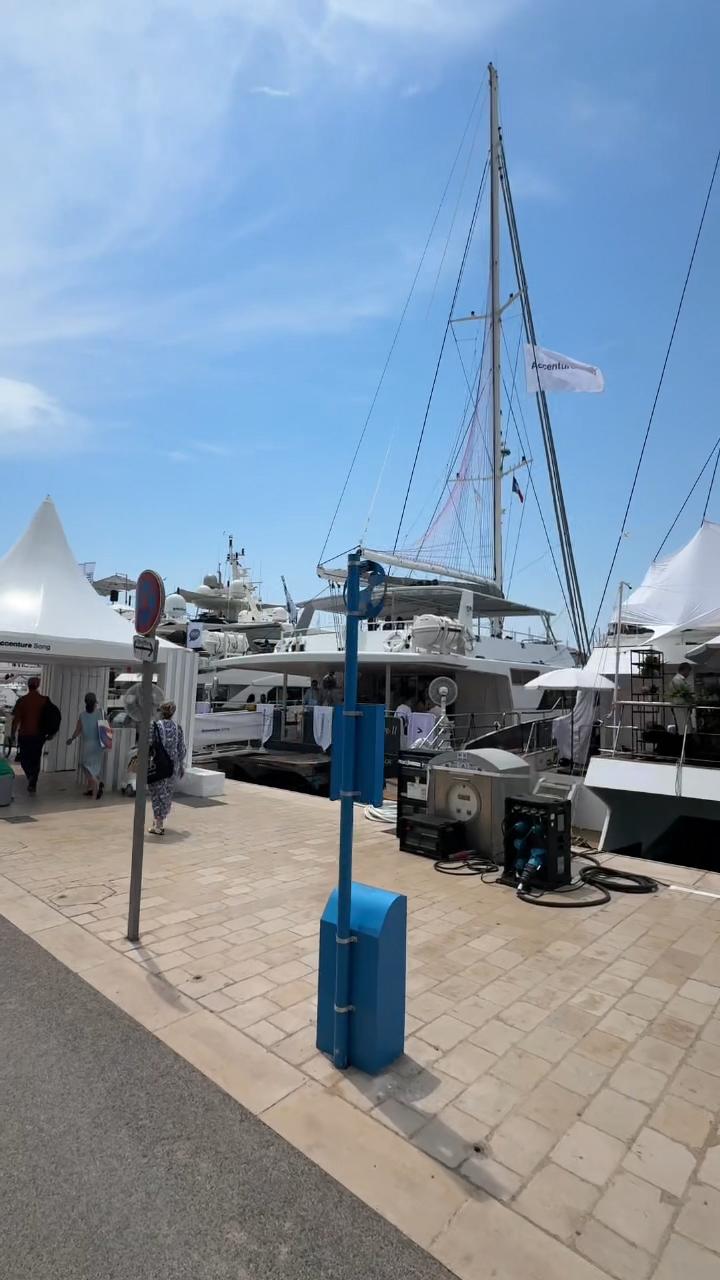
A lot of the point of Cannes, it seemed to me, was to get onto a yacht, have a yacht, know someone on a yacht. There is an entire yacht section of Cannes. Most of the yachts do not leave the port where they are docked; their private rooms are turned into meeting spaces and their decks just throw tightly controlled parties all day. Big companies rented entire yachts, other companies shared them. I was invited to take a meeting on the Hewlett Packard yacht, which was actually a yacht called The Room, which was shared by HP, Outfront (which sells billboard space), something called Xumo, and a company called InMarket. There was a Mercedes Benz/F1 yacht, a Samsung Ads yacht, an Integral Ad Sciences adtech company yacht, an Accenture yacht, a White Lotus / HBO yacht, among others. Some of the yachts had hot tubs, all of them had lots of free alcohol (rosés and spritzes), hors d'oeuvres, and men in knit polos and sneakers and women in sundresses.
0:00
/0:40
While inside the Palais there was lots of high-minded discussion about the creativity of advertising, a lot of the actual conversations I heard were about making more money, who was meeting with who, what parties were happening, did someone have a colleague or friend who could get them on a party invite list. There did not seem to be much discussion about the broader concerns of an increasingly stratified economy, other than “this is ridiculous,” as in, ridiculously over-the-top, ridiculously hot, ridiculous that partying this hard was “work.” The most immediate concerns I heard from people seemed to be how to get into exclusive parties, where the next bottle of rosé would come from, and whether they would be invited back next year.
The festival went all week, and by the second day people are hungover and sunburnt. As the week went on, I saw less khakis and more shorts, with people desperate to do anything to cool down (ironically the best way to do this would have been to go swimming; we were at the beach, after all). Because I did not have a sales quota to hit or a number of meetings I had to do, I spent most of my time wandering around, taking pictures of billboards, taking breaks to swim, going to panels inside little air conditioned tents, and yes, drinking rosé and spritzes.
The last night I was there was Tiësto, which I vaguely tried but couldn’t get into. I decided to have a beer outside at a bar nearby and people watch. It was then that I saw the drones hovering high over Salesforce Beach. The drones looked kind of beautiful, and were forming into a figure. It was the Kool-Aid man punching through a wall. “BREAKTHROUGH IMPACT,” the drones formed to read. “KARGO.” It was just another ad. I walked home, thinking that I’d had fun, in the way that a music festival or Vegas can be fun, in the way that after you leave, you feel like you’ve been hit by a Strava-sponsored bus.