Several CERN & Society Foundation projects featured in ne...
Hannah Gabri·2026-07-03·via CERN & Society Foundation
Photo: Brice, Maximilien
A new report has been published highlighting the socio-economic benefits of CERN’s activity over the past 25 years. Importantly, the report shows how CERN plays a pivotal role in transferring knowledge and capabilities beyond the lab, strengthening skills development, driving innovation and fostering international collaboration across multiple sectors.
Several inspiring initiatives powered by donations to the CERN & Society Foundation take centre stage in this report, showcasing how philanthropy fuels creativity, discovery and real-world impact.
Check out some of the highlights!
Zenodo: acts as a digital library where anyone around the world can upload and search for research outputs for free. All items uploaded on the platform have a digital object identifier (DOI) which makes them easily searchable, identifiable and citable by users. At present, Zenodo supports 300,000+ researchers in 7,500 research organisations across the world – democratising access to knowledge and strengthening open science for the public good.
CERN-MEDICIS: a facility that produces high-purity non-conventional radionuclides for biomedical research. Since its inception, CERN-MEDICIS has expanded the range of radionuclides available for biomedical research and contributed to the development of high-efficiency separation techniques, resulting in improvements to purity levels that make them safer, more effective and more predictable in clinical and research use. CERN-MEDICIS radionuclides have been used for pre-clinical studies, demonstrating their future potential use for both diagnosing and treating cancer.
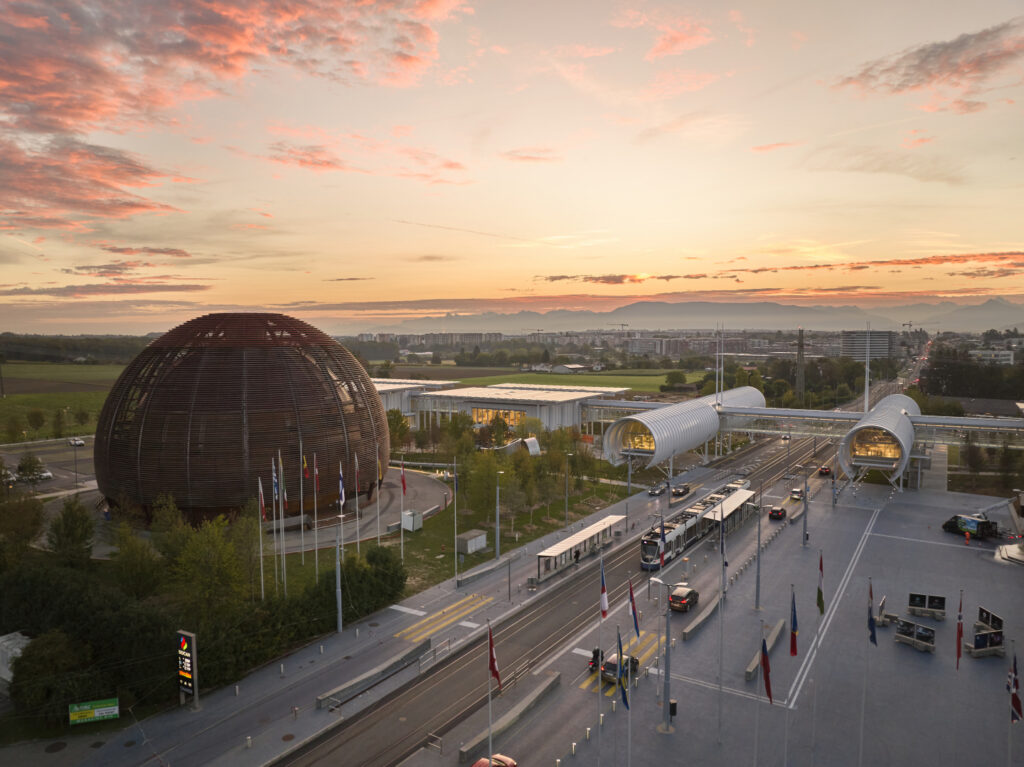
CERN Science Gateway: almost 60,000 participants joined one of the workshops at the new education labs at CERN Science Gateway since they opened in October 2023 and up until December 2025. More generally, the Science Gateway welcomed half a million visitors in total within its first 16 months of being open to the public. As of July 2026, this figure has now increased to an impressive one million visitors!
TIMEPIX@school: building on the Medipix collaboration, TIMEPIX@school will enable students to be part of a national collaboration of students, teachers and academics, and to analyse data obtained from 32 detectors based on the ground and in space. The programme plans to source Timepix detectors and use these to support engagement with 20,000 students by 2030, helping them to develop a range of skills, including research design, independent thinking and the ability to analyse results critically. The programme launched its call for hubs in May, which remains open until 15 July. Check hereif it is something your institution could be part of!
National Teacher Programmes: bring teachers up to date with the latest developments in particle physics in a dynamic, international research environment. Since their inception, these programmes have been attended by 15,508 teachers from 112 countries and territories. CERN also offers an online database of educational resources that teachers can access for free, which contains a wide variety of materials such as explainer videos, interactive lessons, hands-on activities and multimedia content from CERN’s education and outreach activities. The CERN & Society Foundation offers financial support for some of these programmes, for those who need it.
You can learn more about these projects by clicking their names, where you will also find a button to donate to them exclusively.
If you’d like to champion all these initiatives – along with the other transformative projects in our portfolio that bring science closer to society – you can fuel their impact with a general donation using the button below.