



惯性聚合 高效追踪和阅读你感兴趣的博客、新闻、科技资讯
阅读原文 在惯性聚合中打开

推荐订阅源

博客园 - 三生石上(FineUI控件)
S
SegmentFault 最新的问题
阮一峰的网络日志
阮一峰的网络日志
freeCodeCamp Programming Tutorials: Python, JavaScript, Git & More
钛媒体:引领未来商业与生活新知
钛媒体:引领未来商业与生活新知
雷峰网
雷峰网
Apple Machine Learning Research
WordPress大学
WordPress大学
博客园 - 司徒正美
奇客Solidot–传递最新科技情报
奇客Solidot–传递最新科技情报
宝玉的分享
宝玉的分享
爱范儿
爱范儿
月光博客
月光博客
The GitHub Blog
The GitHub Blog
M
MIT News - Artificial intelligence
H
Hackread – Cybersecurity News, Data Breaches, AI and More
B
Blog
T
Tailwind CSS Blog
美团技术团队
D
Docker
V
Visual Studio Blog
Martin Fowler
Martin Fowler
博客园 - 聂微东
The Cloudflare Blog

Todyl Blog

CyberChef: How to Decode & Decrypt Malicious Scripts (Step-by-Step Guide) Achieving Zero Trust with SASE: A Practical Roadmap for Modern Network Securityso like MSP Security Maturity Assessment: Why 79% of MSPs Are Stuck in 2025 The Rising Threat of Malicious AI: What Every Organization Needs to Know Iran Cyber Threat 2026: What SMBs and MSPs Need to Know The OneStart AI Browser Deception Cyber Insurance Requirements Based on Industry Why Third-Party Security Certification Is Your MSP's Competitive Edge Why Cyber Insurance Carriers Are Shifting to Security Assurance Iran Conflict and Cyber Risk: What North American Organizations Need to Know ‍ Why Cyber Resilience Requires Security, Compliance, and Insurance MSP Security Services: How to Position Identity Protection as Competitive Advantage Identity Security Gap Assessment: A Step-by-Step Guide for MSPs How Credential Theft Attacks Are Costing MSP Clients Millions Do I Need Cyber Insurance as a Small Business? Advanced Persistent Threats (APTs) Explained Preparing for CMMC Level 1: What Your Organization Needs to Do The Real Cost of Doing Nothing in Cybersecurity MSP Security: Build vs Buy SOC The Rise of a Cybercrime Alliance: What LockBit, Qilin, and DragonForce Mean for Business Risk Cyber Threat Recovery Strategies for MSPs What MSPs Need to Know about CIRCIA Final Rule ClickFix: The Evolution of Copy-Paste Social Engineering Akira Ransomware: Threat Assessment of a Scalable RaaS Operation The Dos and Don’ts of Applying for a Cyber Insurance Policy What Is Threat Hunting? A Practical Guide for MSPs and SMBs The Business Case for Cyber Threat Management Evaluating Free and Open Source SIEM Tools in 2026 How organizations can combat BEC Using SASE to help meet cyber insurance requirements
Threat Advisory: Business Email Compromise Campaign using...
Erik Baba · 2026-01-09 · via Todyl Blog

Starting 8th May 2025, the Todyl Threat Research team observed the novel use of OVPN through M247 Europe SLR in Business Email Compromise (BEC) attacks. The attacks targeted a subset of our MSP partners’ tenants. M247 Europe SRL is a known host of VPN and proxy infrastructure often associated with suspicious and anonymized activity. The use of a VPN tunnel allowed the attacker to obscure their real location, blend in with other traffic, and bypass traditional geolocation-based detection mechanisms. The activity was characterized by the heavy use of Axios, a popular HTTP client for Node.js known for easy automation, scraping, and API interactions.
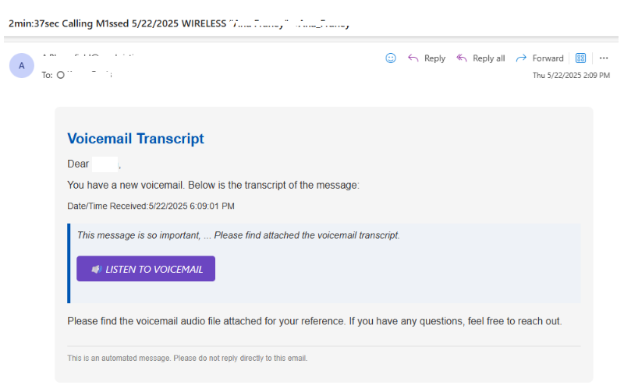
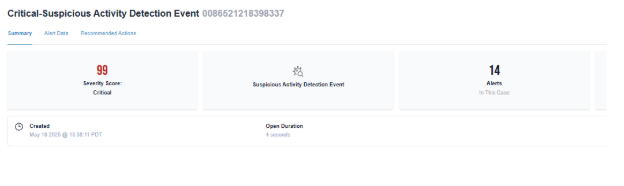
Sample email received by tenants across dozens of MSP partners

Case generated within Todyl

Todyl MXDR identified the attack through our existing detections and Advanced Anomaly Detection framework, using Todyl SOAR to revoke affected users’ sessions and disable their accounts for remediation. Affected partners were notified immediately of both the presence of the attack and the SOAR actions taken on their behalf.  

The Todyl MXDR team has been working with our MSP partners to ensure the attackers are defeated. Our detection rules are continuously tuned to trigger alerts for BEC-related cases with critical severity to ensure our customers are protected.  

Why BEC is such a threat

The FBI describes BEC attacks as one of the most financially damaging crimes out there. No complicated remote code execution required, no complex technical know-how a la hackers, and no need to chain vulnerabilities and exploit. Victims voluntarily hand over the money: what a breach of trust!

The scammer makes the email look legitimate and the tell-tale signs of it not being authentic are getting harder to spot. Hundreds of thousands of dollars have been lost in individual instances and the total loss stood at upwards of USD 55 Billion between 2013 and 2023. The estimated amount in 2024 was a staggering USD 2.8 Billion across 21442 incidents as per the FBI.

The attacks have evolved over the years:

  • Emails contain more context that lures the victim into believing its authenticity
  • Usage of AI has increased in crafting and targeting the messages Usage of VPN to obscure geo-location and other attributes
  • Usage of malware to gain access to contextual data as well as financial account information and passwords, etc.  

What You Can Do About BEC

Here's what one can do to ensure scammers don't get their way:  

  • Training / user education is very valuable and provides the most ROI. After all, it is all about the victim not getting scammed by figuring out that the email is not authentic
  • Verify, verify, and check again
  • Strong authentication, ensure MFA
  • Detailed organizational policies for wire transfers and other monetary transactions coupled with strong access control

For more on ways Todyl is working to stop BEC worldwide, read our report on uncovering the Söze Syndicate.

About Erik Baba

Erik Baba has 12 years of experience specializing in threat detection, behavioral analytics, and security automation. He has a proven track record in developing and deploying advanced detections across complex environments. His passion for proactive defense and continuously evolving threat landscapes drives his work.