

惯性聚合 高效追踪和阅读你感兴趣的博客、新闻、科技资讯
阅读原文 在惯性聚合中打开

推荐订阅源

N
News and Events Feed by Topic
S
SegmentFault 最新的问题
奇客Solidot–传递最新科技情报
奇客Solidot–传递最新科技情报
Last Week in AI
Last Week in AI
Jina AI
Jina AI
H
Help Net Security
C
Check Point Blog
aimingoo的专栏
aimingoo的专栏
MyScale Blog
MyScale Blog
H
Hackread – Cybersecurity News, Data Breaches, AI and More
Vercel News
Vercel News
L
LangChain Blog
Recorded Future
Recorded Future
F
Full Disclosure
Google DeepMind News
Microsoft Security Blog
I
InfoQ
GbyAI
GbyAI
B
Blog RSS Feed
T
The Blog of Author Tim Ferriss
Engineering at Meta
Engineering at Meta
A
About on SuperTechFans
M
MIT News - Artificial intelligence
爱范儿
爱范儿
V
V2EX
Microsoft Azure Blog
cs.AI updates on arXiv.org
Y
Y Combinator Blog
B
Blog
WordPress大学
WordPress大学
Blog — PlanetScale
Blog — PlanetScale
W
WeLiveSecurity
MongoDB | Blog
MongoDB | Blog
Cloudbric
Cloudbric
N
News and Events Feed by Topic
The Cloudflare Blog
月光博客
月光博客
博客园 - 三生石上(FineUI控件)
有赞技术团队
有赞技术团队
D
DataBreaches.Net
博客园 - 【当耐特】
T
Troy Hunt's Blog
V
Visual Studio Blog
V2EX - 技术
V2EX - 技术
Apple Machine Learning Research
博客园 - 司徒正美
Recent Commits to openclaw:main
Cyber Security Advisories - MS-ISAC
Google Online Security Blog
The GitHub Blog
The GitHub Blog

Futurism

Scientists Publish Extremely Serious Research About Whether Tickling Apes Makes Them Giggle Earth's Underground Fungus Network Is So Gigantic That If You Stretched It Out, It Would Reach to Other Star Systems We Are Intrigued by This Man Taking His Pet Octopus for a Walk Around His Neighborhood There’s Something Living Inside Fog, Scientists Find Scientists Intrigued by Chunk of Flesh That Refuses to Die After Several Years Scientists Rush to Save One of the World’s Rarest Trees as It Literally Falls Off a Cliff China Launches Synthetic Human Embryos to Space Station NASA Satellite Images Show Huge Colored Plumes Staining the Ocean Frontier AI Models Giving Specific, Actionable Instructions to Perpetrate Bioterror Attack Scientists Say They’ve Figured Out What That Golden Orb Found at the Bottom of the Pacific Ocean Actually Was Man Creates Tiny Submarine for His Parakeet to Experience Life Underwater The Moon Astronauts Brought Along USB Stick-Sized Living Samples of Their Own Tissue AI-Powered Tractor Startup Burns Through a Quarter Billion Dollars, Fires All Employees in Epic Implosion JONATHAN THE 193-YEAR-OLD TORTOISE IS STILL ALIVE, REPEAT HE HAS NOT DIED
Light Pollution is Causing Fish to Live Miserable, Bitter Lives, Researchers Find
Joe Wilkins · 2026-06-27 · via Futurism

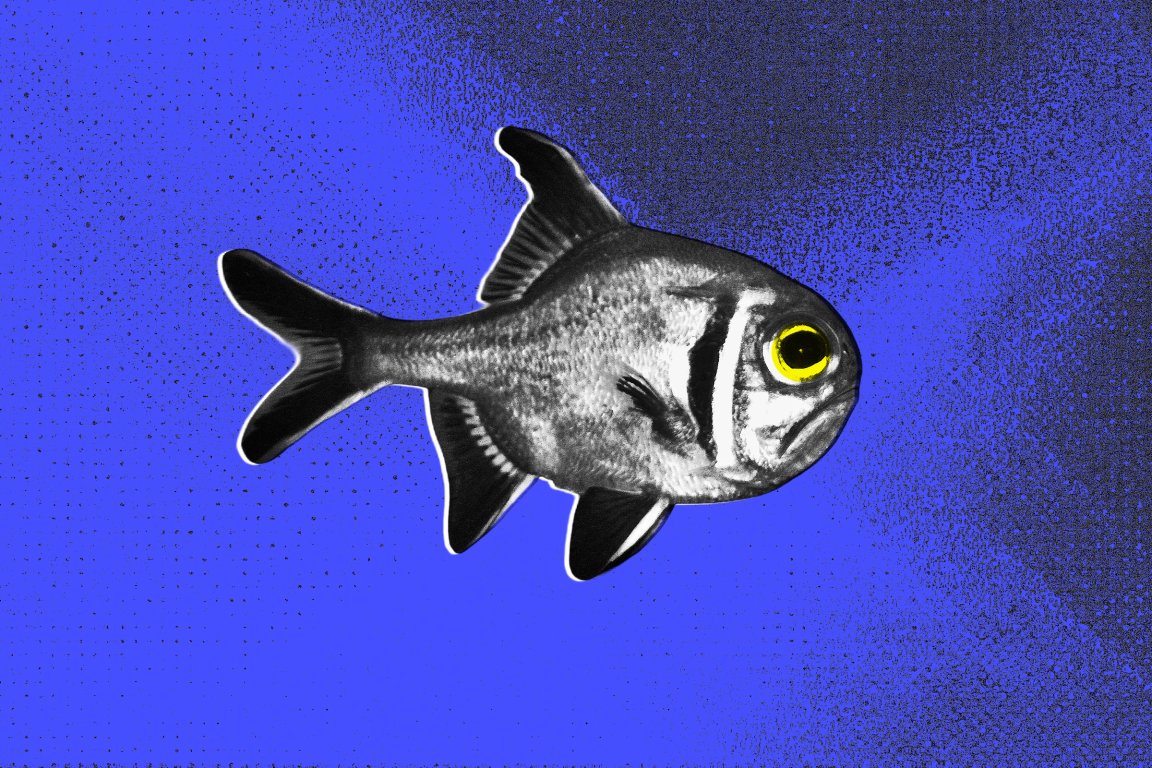
A comic photo illustration featuring a fish with a frown on its face.

Illustration by Tag Hartman-Simkins / Futurism. Source: Shutterstock

Sign up to see the future, today

Can’t-miss innovations from the bleeding edge of science and tech

Nobody likes a night interrupted by blinding artificial light, least of all the fish who make their home on coastal reefs.

As a new study published in the journal Current Biology found, even a faint amount of artificial light during quiet hours is enough to cause a fish to have a crappy day.

Specifically, the researchers found that artificial light from coastal settlements is associated with major fluctuations in behavior and physiology of damselfish schooling in the Red Sea. In particular, fish exposed to human light pollution experienced disrupted sleep, leading them to act aggressively and eat at strange hours of the night. In other words, a bad night’s sleep seems to make you cranky whether you have legs or fins.

Fish, however, can’t really control the light that leaks into their environment from ports and coastal roads — a major source of artificial illumination leaking into marine habitats.

After just a few days of observation, fish exposed to nighttime light demonstrated all the tell-tale signs of sleep deprivation, which researchers suggest may cause lasting damage not only in fish, but in the environments they interact with.

“Coral reefs depend on tightly connected biological interactions,” Oren Levy, one of the study’s co-authors and a researcher at Bar-Ilan University said in a press release. “If artificial light is affecting both corals and the fish that depend on them, the consequences could ripple throughout the reef ecosystem.”

To make life a little bit more bearable for our underwater friends, the study authors call for smarter coastal lighting practices, including a reduction of unnecessary nighttime lighting, and directing light beams inland, away from the water.

More on fish: Fish Already Cooking Alive Across the US Ahead of Blistering Summer Heat