




Luyu Zhang, the founder and CEO of Dify, has moved his AI startup to the U.S., joining a wave of Chinese entrepreneurs seeking talent, funding and global opportunities in Silicon Valley.
Zhang relocated from China last year despite speaking limited English, saying he has no time to improve the skill at the moment.
"I’m too busy with work right now to improve my English," he said in a recent interview with Forbes through a translator. "That requires time, and right now I don’t have a day to lose."
Dify is an open-source platform that enables teams to build and deploy AI applications and agent-based workflows. The company raised $30 million in a pre-Series A funding round in March at a $180 million valuation, backed by investors including HSG, GL Ventures, 5Y Capital, and Mizuho Leaguer Investment, according to Business Wire.
Founded in 2023, Dify has gained traction globally. It ranks among the most-starred open-source projects on GitHub, a widely used platform where developers share and collaborate on code, and operates on more than 1.4 million machines worldwide. Over 2,000 teams and 280 enterprises, including Maersk, ETS, Anker Innovations, and Novartis, use its commercial offerings.
 |
|
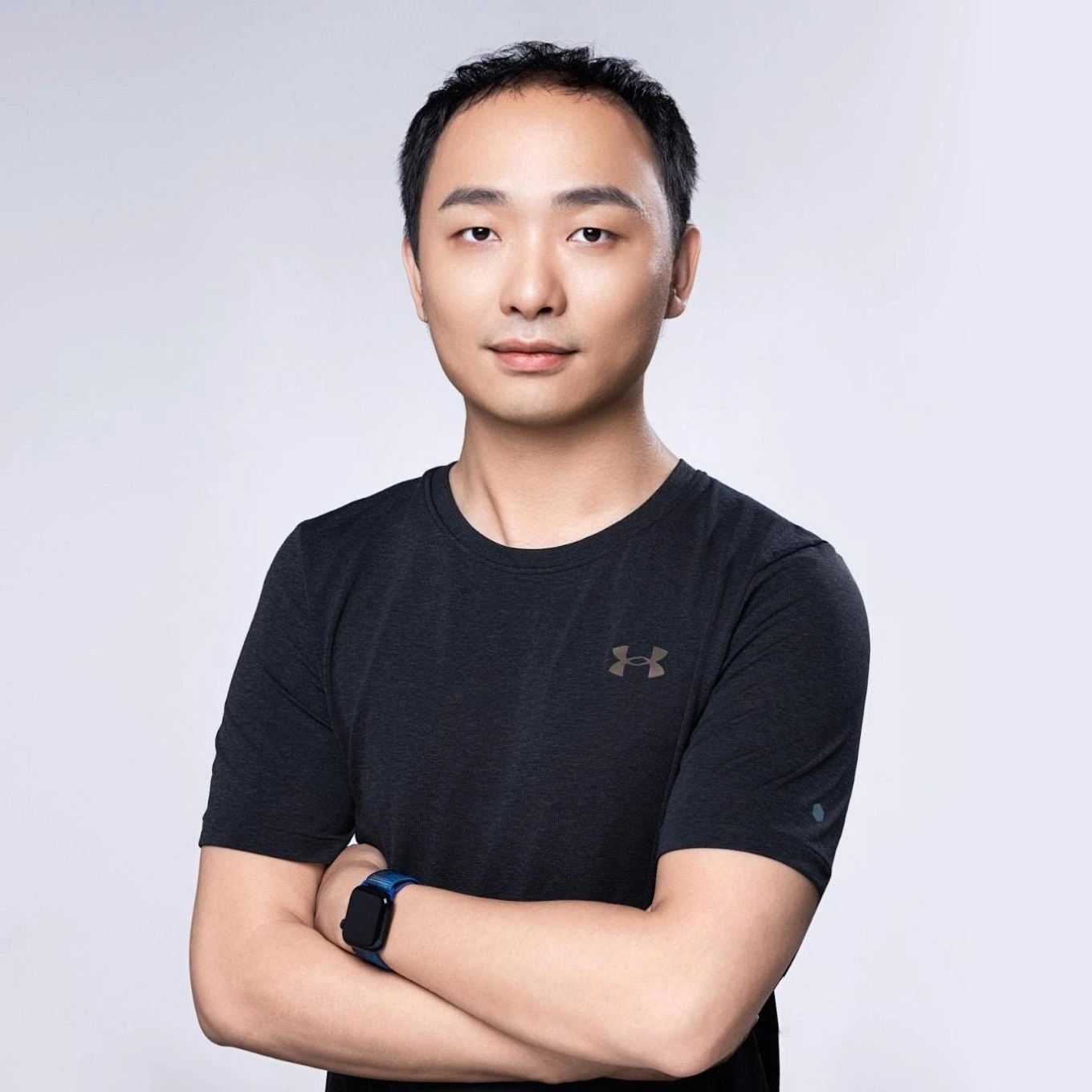
Luyu Zhang, founder and CEO of Dify. Photo courtesy of Dify |
Raised in Anhui province, Zhang began coding early and was already making around US$1,000 a month building websites by middle school, more than his father earned as a civil servant. He later dropped out of school, and his financial independence meant his parents could not force him back.
After serving in product leadership roles at Tencent, Zhang started Dify in 2022 after being introduced to generative AI. A trip to an Nvidia conference later helped shape his decision to expand overseas.
He said China’s tech scene remains heavily focused on the domestic market, making it hard to build a truly global company from there. Thus, he joined a wave of founders relocating to the U.S. "The energy was different," Zhang said, adding that he knows nearly 20 Chinese startup founders currently in the process of moving to the U.S.
Investor Lake Dai, formerly head of product at Alibaba and now founder of Sancus Ventures, told Forbes the relocation trend is broader. In the past two years, she said, at least 100 Chinese entrepreneurs have contacted her about moving to the U.S.
Chinese talent remains deeply embedded in the U.S. AI ecosystem. A study by the Carnegie Endowment found that of 100 leading Chinese AI researchers working in the U.S. in 2019, 87 remained as of December 2025.
For Zhang, the move is driven by opportunity rather than politics. He said his focus remains on "building great products" in the world’s most advanced AI market.
"If you’re an elite athlete, you don’t play only to win local matches. You train to compete in the Olympics," he said. "For a technology company building infrastructure for the AI era, Silicon Valley is our Olympic arena. We want to compete at the highest level."
此内容由惯性聚合(RSS阅读器)自动聚合整理,仅供阅读参考。 原文来自 — 版权归原作者所有。