










Tag open-design-v0.13.0 — 116 PRs from 26 contributors in six days. Codename "Stay in Flow." Long design sessions used to break on every interruption: a run lost its place, a model picker made you guess, a Cloud balance check hid behind a retry, a finished deck needed one more export detour. 0.13.0 turns those into a calmer loop — resume the work, see what's happening, pick the right model faster, and hand off real files without leaving Open Design.
July 2, 2026 7 min read Product
Tag open-design-v0.13.0, published on July 2, 2026. 116 PRs from 26 contributors in six days. Codename “Stay in Flow.” The last few releases taught Open Design to design for you, capture your brand, and stock the shelves. This one is about the rhythm in between: the small interruptions that used to break a session and make the next prompt feel like starting over.
Want the full changelog? It lives in the release notes on GitHub. This is the short version: what changed underneath, what you can do with it today, and where to start.
This is the headliner. A long design session used to punish every interruption — switch tools, come back later, and the next turn might feel like a cold start because the run had lost its place. Native session resume now keeps Codex, OpenCode, Pi, and Open Design Cloud runs connected across turns, so follow-up work continues from the same live thread instead of a rebuilt approximation of it.
Underneath, runs now carry lifecycle tracing and touched-file tracking, so reopening a session knows what it was doing and what it changed. The effect is simple: you can walk away and come back without paying a tax for it.
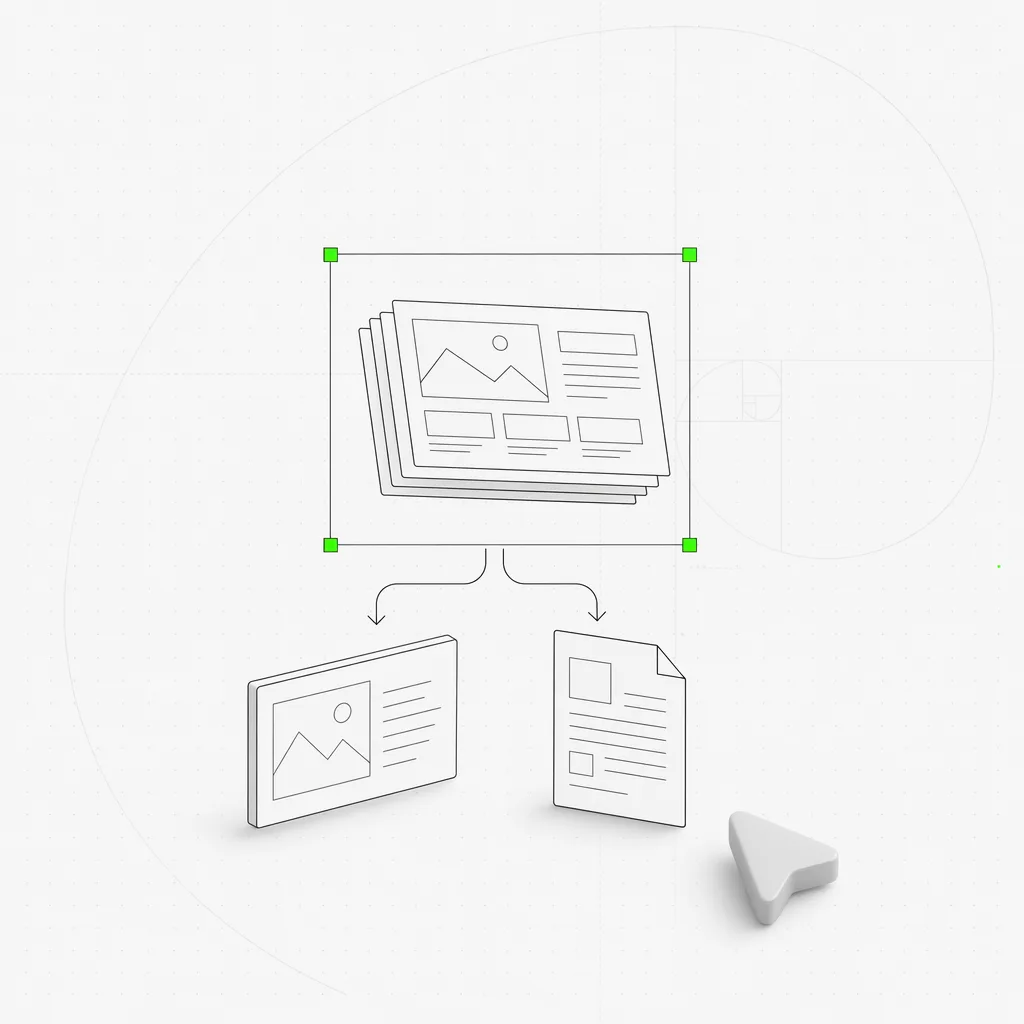
Finished work should leave the workspace as a real file, not a production chore. 0.13.0 adds programmatic, screenshot-backed PPTX and PDF export, so a completed HTML deck or document moves straight into something you can send. Deck keyboard navigation also stopped double-stepping through slides, so reviewing before you export is no longer a fight with the arrow keys.
The point is that the export path now feels like handoff. You build in Open Design, and the deliverable comes out the other side ready to share.
Bringing your own keys should be a choice, not a dig through provider quirks and model names. BYOK provider presets make setup more discoverable, and the first-artifact handoff is cleaner for both CLI and BYOK flows.
Model choice got broader and less brittle at the same time: Open Design now recognizes the standalone Codex app bundle, ships a newer bundled Vela CLI, supports Mimo Code, and fixes the Cogito output cap that could make agent setup fail for environmental reasons. Fewer setups end in a shrug.
The catch-all execution_failed continues to give way to failures that name their cause — a startup crash, an expired resume, an agent stuck in a tool loop, a stale provider config — so you know whether to retry or escalate. Clearer task-failure cards, simpler error-source diagnostics, and cache accounting that no longer exceeds 100% make a failed or resumed run easier to understand without turning the UI into a log viewer.
Open Design Cloud got the same treatment for money: the settings card shows wallet state more clearly, keeps actions inline, restores follow-up handling, and promotes retry statuses, so a transient balance lookup reads as recoverable instead of mysterious.
The release is broad. A few more worth calling out:
| If you’re… | Start here |
|---|---|
| New to Open Design | Download the desktop app, connect an agent (or bring your own key via the new presets), and start a project — the setup is more discoverable now |
| Deep in a long session | Just keep going — Codex, OpenCode, Pi, and Cloud runs now resume across turns instead of cold-starting |
| Shipping a deck or doc | Build it, then export straight to screenshot-backed PPTX or PDF — no separate production detour |
| On Open Design Cloud | Check the Settings card — wallet balance, retries, and next steps are visible instead of hidden behind a retry |
| Hit by a failed run | Read the failure card — it names the cause now, and recoverable runs back off and retry on their own |
A design tool earns trust in the gaps: the interruption, the handoff, the failed run, the moment you come back. 0.13.0 spends its budget on those gaps so the session stays alive around them. Download the desktop app, start something real, and notice how little you have to rebuild when you step away and return.
116 PRs in six days, from 26 people who each closed one small gap between “I got interrupted” and “I’m still in flow.” A movement doesn’t ship from one team’s laptops; it ships from the people who showed up and smoothed one more rough edge. We see you. 🚀
Next step
Take the open-source design workspace for a spin, inspect the release notes on GitHub, or join our Discord for live community feedback.
此内容由惯性聚合(RSS阅读器)自动聚合整理,仅供阅读参考。 原文来自 — 版权归原作者所有。