





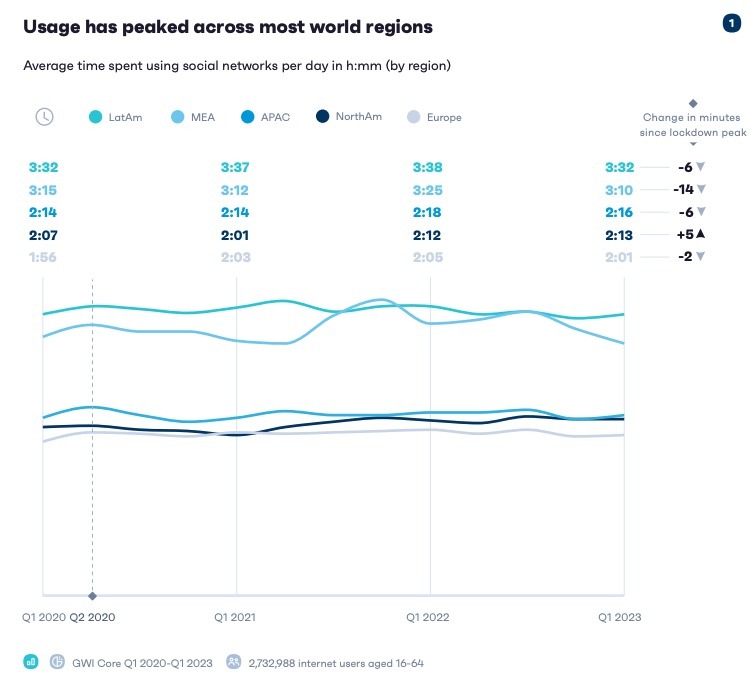
Daily time spent on social media has decreased in 36 out of 48 markets tracked since 2022, according to the latest GWI social media trends report. This marks only the second time since tracking began in 2012 that global usage has declined year-on-year, with average daily usage in Q1 2023 falling below that of 2019. Has social media usage reached a plateau?
While some emerging regions like the Middle East & Africa experience more significant fluctuations, most other regions have seen minimal changes in daily usage over the past three years. Notably, North America is an outlier, with usage continuing to rise beyond its lockdown peak.
While the pandemic induced a surge in social media usage, this has now largely levelled out. For brands and businesses, the key takeaway is that changes are less about the duration consumers spend online and more about how and where they choose to spend their time.
- Advertisement -

The gap between a 65% and 90%+ privacy opt-in rate can mean $525,000 in lost revenue annually for a 100K DAU app — and most teams have no idea where they stand.
This guide breaks down the true cost of consent debt, why the average app sits at just 80% opt-in, and the exact tactics top performers use to consistently hit 90%+: prompt timing, banner design, vendor list optimization, and more.
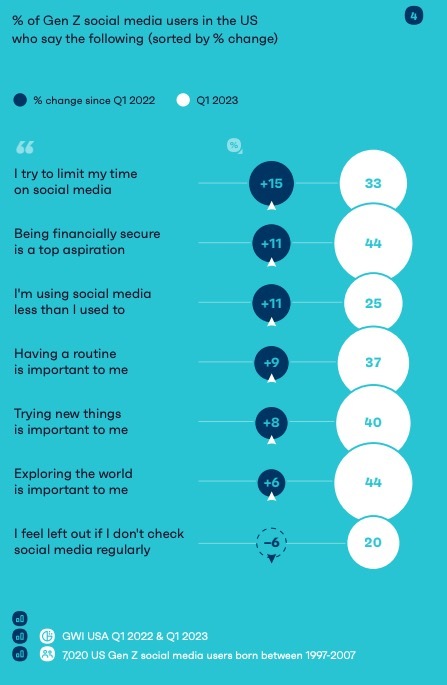
Across the world, Gen Z spends an average of 2 hours and 51 minutes on social media daily, surpassing older generations. However, Gen Z is starting to consider reducing their time spent online and shifting their focus to offline activities. In 2023, 30% of Gen Z express concerns about their social media usage, leading to efforts to limit their time online. Notably, Gen Z is the only generation whose daily time on social media has decreased since Q1 2021, likely influenced by the disruptions caused by the pandemic.
Gen Z aspirations
Source: GWI
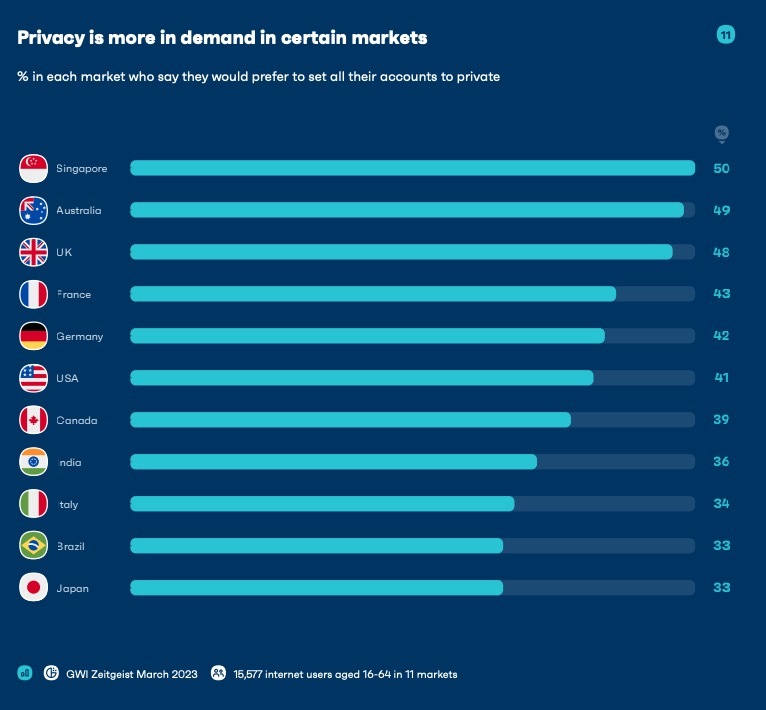
In certain APAC and Western markets, users are also increasingly setting their social media profiles to private due to concerns about personal privacy. Younger age groups are particularly inclined toward this trend. This shift can limit brands’ access to user data, necessitating the development of trust and authentic relationships with customers.
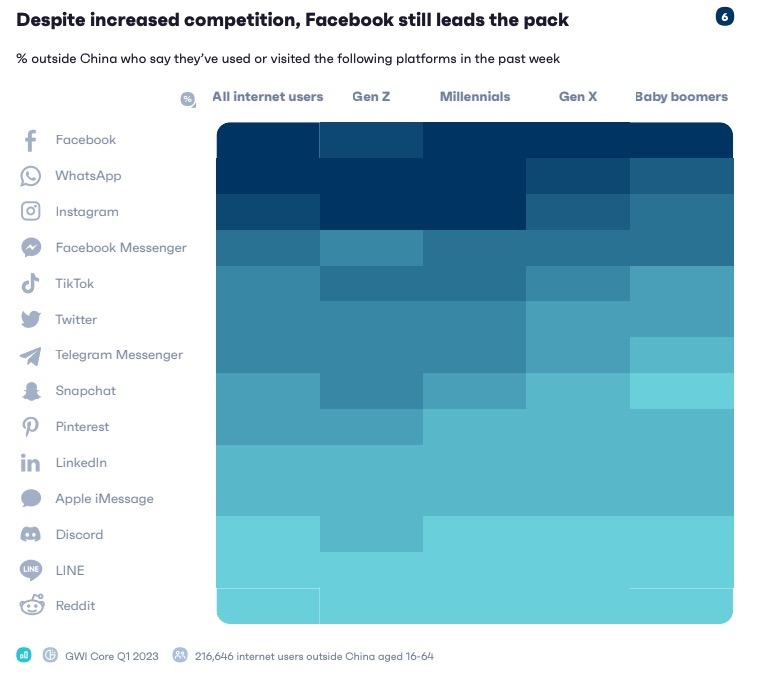
While short-form content platforms like TikTok are on the rise, longer-form content remains prevalent. YouTube, with 67% of consumers, overshadows TikTok’s 45% reach. Instagram Live and Reels are also expanding content length options. WhatsApp continues to dominate as a favourite platform, especially among older age groups.
The top social apps haven’t changed all that much
Source: GWI
Consumers’ motivations for using social media are evolving, with differences observed across regions. Western consumers, like baby boomers, are diversifying their reasons for using social media. TikTokers in the West now use the platform to stay informed about news and products, while Instagram’s focus shifts from personal sharing to entertainment. Twitter is also evolving, with video becoming a primary focus.
Privacy is shifting into focus
Source: GWI
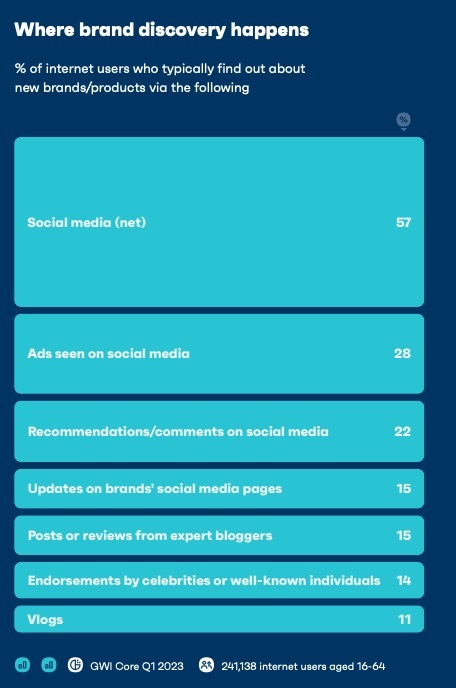
While social media is a primary tool for product discovery, brands need to keep up with cultural trends to resonate with their target audiences and answer their questions effectively. Trends like #QuietLuxury on TikTok reflect changing consumer preferences, as people seek minimalist styles and neutral palettes. This shift is driven by economic factors and a decreased desire for flashy outfits.
Brand discovery happens on social media
Source: GWI
此内容由惯性聚合(RSS阅读器)自动聚合整理,仅供阅读参考。 原文来自 — 版权归原作者所有。