








Mobile has changed the way shoppers interact with brands and online retailers. But what’s really important when trying to engage shoppers and what has the biggest impact on their purchasing decisions? Customer engagement platform Emplifi just released a new report based on the answers of 2,000 shoppers in the US and UK to find out.
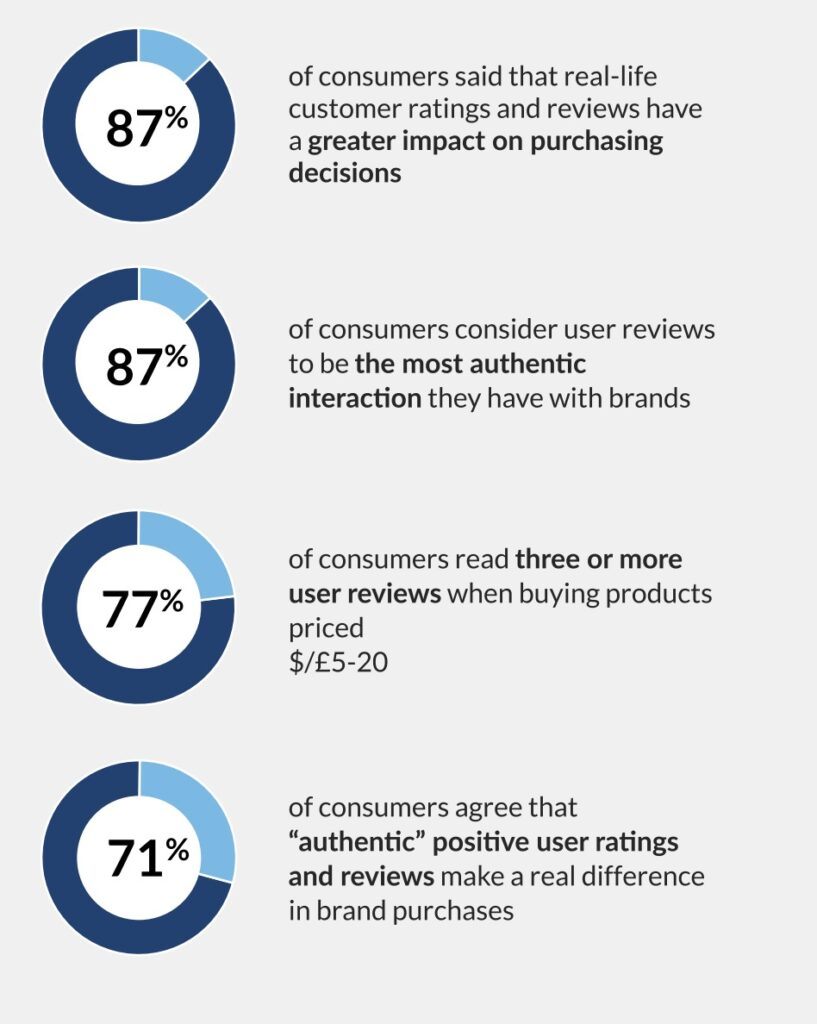
Not all reviews are equal. According to the survey, 87% of customers said that real-life customer reviews and ratings had a much higher impact on their purchasing decision compared to influencer or celebrity reviews at 50%.
When researching products online, reviews are the most influential factor that drives purchases, ahead of price, return policies or delivery costs.
- Advertisement -

The gap between a 65% and 90%+ privacy opt-in rate can mean $525,000 in lost revenue annually for a 100K DAU app — and most teams have no idea where they stand.
This guide breaks down the true cost of consent debt, why the average app sits at just 80% opt-in, and the exact tactics top performers use to consistently hit 90%+: prompt timing, banner design, vendor list optimization, and more.
Reviews, rating and interactions impact on purchasing decisions
Source: Emplify
According to Chief of Strategy Kyle Wong at Emplify:
“There’s no better way to demonstrate brand authenticity than by putting organic customer experiences front and center. Brands that are already leveraging UGC are seeing measurable results. The key is to make this content easily accessible on your product pages so customers can conduct their research right on your website without having to visit other sites to find authentic customer reviews.
Celebrity testimonials are costly and, ironically, don’t have the same impact as content from a real-life customer which is great news for brands. Marketers are able to maximize their budget by doubling down on content customers are creating free of charge that significantly impacts purchasing decisions.”
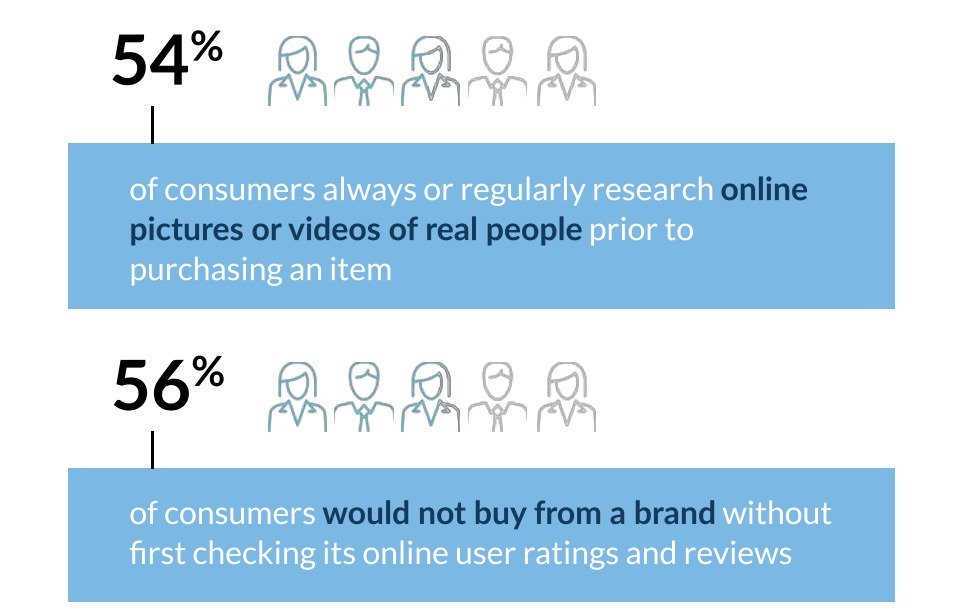
The vast majority (95%) of mobile shoppers research low-cost products of up to $20 on various sites. Marketplaces are a popular source of information. However, search engines are preferred for more expensive products priced at over $100.
The trend is in part driven by budget-conscious shopping due to the recession and inflation. Brands can leverage product reviews and pictures to ensure shoppers have all the information they need to make a purchase.
Search behaviours of online shoppers
Source: Emplify
Interestingly, things aren’t vastly different across the various generations with Gen X, millennials and Gen Z customers all researching products online in a similar manner. They spend up to 15 minutes looking at different product websites for cheaper items.
As the cost of the item increases, the number of websites visited goes up.
JOIN BOA BUTTON .. (pushing to memberpress)

By signing up you agree to our privacy policy. You can opt out anytime.
此内容由惯性聚合(RSS阅读器)自动聚合整理,仅供阅读参考。 原文来自 — 版权归原作者所有。