









LEADERS HAVE WELCOMED plans for a deal between the US and Iran to end war in the Middle East – but few details of the agreement have yet been made public.
Washington and Islamabad said the agreement was to be signed on Friday in Switzerland – news which caused global oil prices to tumble by as much as 5% globally.
It has been announced that the war will end on all fronts including Lebanon, and the vital Strait of Hormuz will reopen, but little information has been offered on the thorny question of Tehran’s nuclear programme.
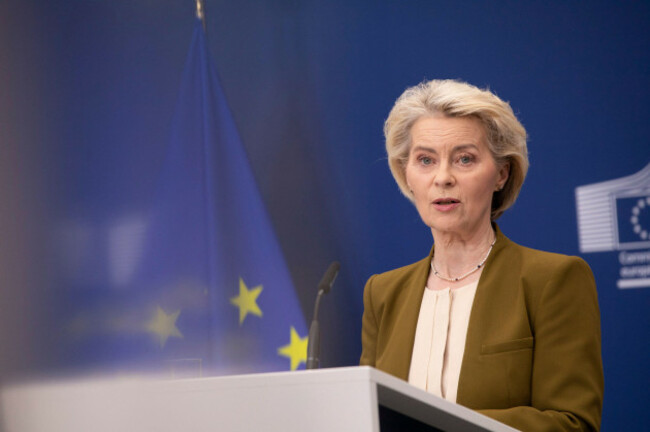
European Commission chief Ursula von der Leyen said the priority is now the “swift and full implementation” of the deal.
In a statement, she said the agreement should allow for the immediate reopening of the Strait of Hormuz and toll-free navigation.
She also said it “should end Iran’s nuclear and ballistic programmes and its destabilising activities in the region” and called on all parties to respect Lebanon’s sovereignty and territorial integrity and implement a genuine ceasefire.
Meanwhile, European Council president António Costa said: “Weapons must now fall silent, and outstanding differences must be resolved by peaceful means, in accordance with international law”.
“I look forward to an end to this costly war and to the full restoration of freedom of navigation in the Strait of Hormuz.”
Welcoming the deal, Minister for Foreign Affairs Helen McEntee said she will be discussing the developments with colleagues today in Luxembourg at the final meeting of EU foreign ministers before Ireland assumes the European presidency.
“I hope there can now be a full engagement by all involved to implement this agreement, address all issues including Iran’s nuclear programme, and achieve a just and lasting peace across the region,” she said.
“Re-opening the Strait to international shipping would bring much-needed relief to the global economy. The situation in Lebanon is deeply concerning and must also be addressed.”
Heading into the talks, EU top diplomat Kaja Kallas said ministers would discuss Monday “how the EU can be closely involved in the next phase.”
Details remain unclear
Iran’s Mehr news agency reported that the US would release $12 billion (€10.37 billion) in frozen assets to Iran before the start of negotiations.
It quoted a 14-point “memorandum of understanding” between the two nations, which it said stipulated “the release of 24 billion dollars (€20.75 billion) in frozen Iranian assets during the 60‑day negotiation period” that begins after the MoU is signed.
The Trump administration didn’t immediately comment on the details of the agreement, which may prove contentious as the US presses its effort to end Tehran’s nuclear ambitions and deal with its stockpile of highly enriched uranium — believed to have been buried by US strikes last year.
In an interview with the New York Times on Sunday, Trump said Washington was still negotiating whether Iran would suspend its enrichment for 20 years.
The US leader hinted that he might settle for a 15-year suspension, but said he did not want to negotiate via the press.
With additional reporting from AFP.