


IT WAS EARLY evening at an Irish festival when a young couple were brought into our PsyCare tent. We operate these tents at as many festivals as we can, complete with mental health experts and volunteers, to support those who feel overwhelmed. It’s a place to go if you’re struggling, a space set apart from the noise: calm, softly lit and without judgement.
It was the couple’s first weekend festival and their first time taking MDMA (ecstasy). Unsure of the dosage, they had taken a much higher amount than intended. What began as a light, tingling sensation quickly turned into anxiety, confusion and fear.
A PsyCare volunteer found the couple slumped by a fence, vomiting in the grass beside them. The volunteer then arranged for them to get assessed by medics and, once they were medically cleared, brought the couple back for monitoring and support.
Over several hours, they experienced waves of disorientation and intense emotions. In the calm environment of the PsyCare tent, away from the frenetic festival atmosphere, they were in our care until their symptoms eased. Afterwards, they said they would not have been able to cope in the wider festival setting without that support.
Chaotic weekends
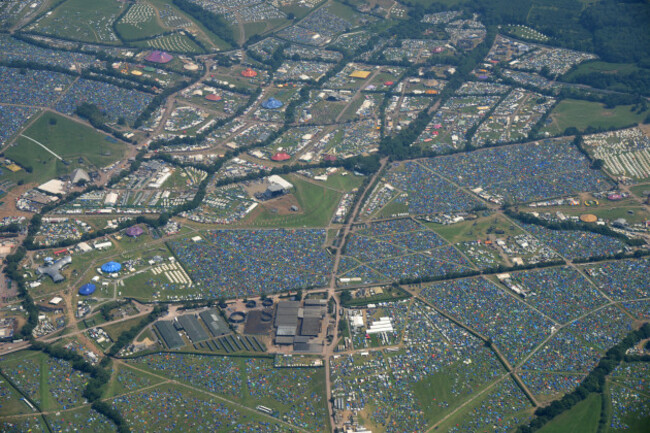
Situations like this arise at festivals more often than people might expect. For most people, festivals are about release, long days of music, connection and escape. We’re not there to condone the use of illegal substances, but, much like the HSE harm reduction approach, we recognise that drug use is part of the reality of a weekend like this, and we are there when it all becomes too much.
And it can become challenging in an instant. For some, the experience tips from exhilaration to overwhelm in a matter of minutes. They might have had too much to drink, taken a substance that doesn’t sit right, or found the crowd too intense. In those moments, what do you do? Sit in a quiet corner and try to gather yourself? Ask a friend to keep an eye on you? Until recently, those were often the only options. But things have changed.
“You don’t have to be in crisis to come to us,” says Dr Kathryn Ledden, a medical doctor and director of PsyCare. “Sometimes people just need somewhere calm, somewhere to sit and feel safe again. That alone can make a huge difference.”
There’s no single reason people use PsyCare. Some arrive feeling anxious, overwhelmed, or simply not quite themselves, whether due to substances, the intensity of the environment or something more personal. For those who are neurodivergent or living with underlying mental health conditions, festivals can be particularly destabilising, especially when sleep, routine, or medication are disrupted.
What is PsyCare Ireland?
PsyCare Ireland was founded in 2021 by a group of volunteers who recognised a clear gap in how festival wellbeing was being supported. While medical teams were equipped to deal with physical emergencies, there was little infrastructure for psychological distress. It was created in the belief that mental health support is as essential as physical care at festivals.
PsyCare Ireland is the country’s only registered charity providing peer-to-peer mental health support and harm reduction services at festivals and live events. It exists for the moments that don’t make the Instagram or TikTok posts.
Inspired by international models such as PsyCare UK and Kosmicare in Portugal, the organisation brings a proven approach to festival welfare into an Irish context.
With a multidisciplinary team that includes doctors, nurses, psychotherapists and trained volunteers, PsyCare has become a trusted presence in Ireland’s festival scene. In 2025, the organisation supported 14 events, including District X, D8 in the Garden, Otherside, Fuinneamh, and Éalú Le Grá.
Welfare and harm reduction services like PsyCare are a familiar feature at major festivals internationally. Across Europe and beyond, psychological support is increasingly recognised as an essential part of event safety. Ireland is still catching up.
While many smaller and independent festivals have embraced PsyCare’s work, some of the larger events have yet to fully recognise the value of dedicated psychological and harm reduction services. There is currently no requirement for event licences to include this level of support, which PsyCare Ireland continues to advocate for changing.
Drug use at Irish festivals
Those supports do matter, because drug use is already a reality at Irish festivals. Over a million people attend Irish music festivals each year. According to a 2021 Health Service Executive (HSE) survey, 94.2% of respondents reported drug use at festivals, with many engaging in polydrug use and mixing substances with alcohol.
In festival environments, substances are taken without clear information about strength or dosage, often alongside a lack of sleep, dehydration, alcohol and sensory overload. In those conditions, experiences can quickly become overwhelming or distressing. This is where services like PsyCare Ireland play a crucial role, providing calm, non-judgemental support when things don’t go as expected.
At the heart of PsyCare’s work is harm reduction, an evidence-based approach focused on reducing risk and supporting safer outcomes. PsyCare does not promote substance use, but recognises that it exists, and responds with care, information and support rather than stigma.
What happens in the PsyCare tent?
PsyCare operates from a dedicated welfare space designed to feel different from the outside environment. It’s quieter and slower inside, with places to sit or lie down.
Some people arrive at the tent on their own, while others are brought by friends, security, medics or volunteers who have spotted someone struggling. PsyCare also conducts outreach throughout the festival grounds. Once inside, the approach is simple: meet people where they are.
“Festivals are physically, emotionally, and psychologically intense environments,” says CEO and co-founder, Mick Ledden.
“People bring their life circumstances with them, and those things can surface in these spaces. PsyCare exists because people need support in those moments. And when it’s there, it can completely change the outcome.”
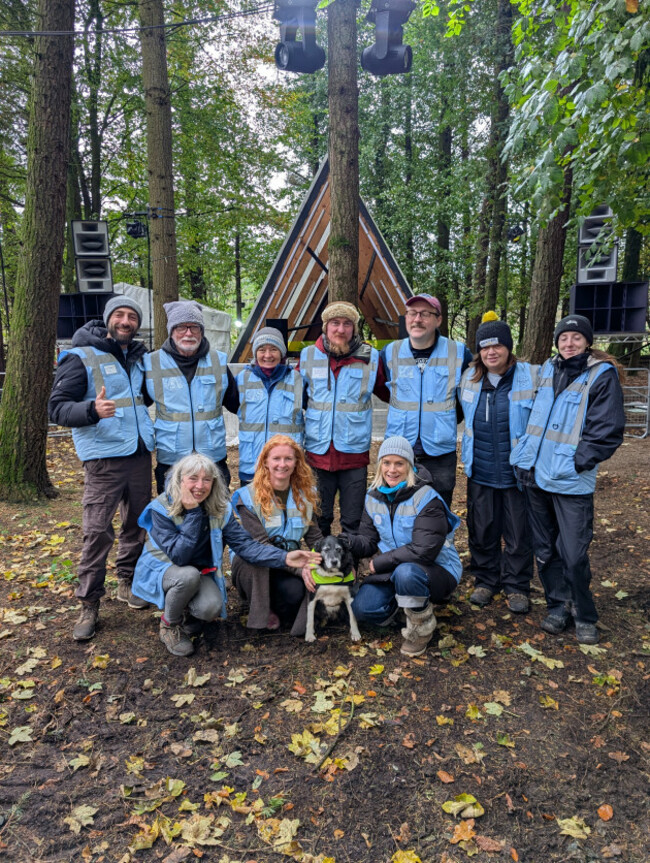
As festival season gets underway, PsyCare teams will be working at events across Ireland. If you need support or see someone who might, keep an eye out for the team in blue vests.
For most people, PsyCare will remain something they pass without noticing. But for others, it can be a lifeline, a place to steady themselves when it all becomes too much.
Deirdre Mullins is a travel writer, a trainee psychotherapist and a director at PsyCare Ireland. For more information on PsyCare Ireland, visit https://www.psycareireland.org/. PsyCare Ireland is a registered charity (RCN 20206766).