









The Artemis II mission’s 10-day odyssey around the moon and back was captured in stunning photographs at every moment. Here are 12 of our favorite images
NASA
NASA launched four astronauts on a pioneering journey around the moon—the Artemis II mission. Follow our coverage here.
The Artemis II moon mission might have come to an end after a 10-day voyage around the moon and back. But thankfully, the mission’s crew—Reid Wiseman, Victor Glover, Christina Koch and Jeremy Hansen—as well as NASA’s cameras on Earth and in space, captured their daring journey from start to finish.
In fact, the mission was largely communicated to the world in photographs, especially those from Monday’s capstone lunar flyby. From the moment the Orion spacecraft left the launchpad last Wednesday, each milestone was made timeless with stunning, perspective-shattering visuals that were beamed down to Earth via the Orion spacecraft’s novel laser-based communications system.
Here’s a look at 12 of our favorite photographs from the mission, including the moon images that have inspired billions to gaze at the night sky anew.
If you're enjoying this article, consider supporting our award-winning journalism by subscribing. By purchasing a subscription you are helping to ensure the future of impactful stories about the discoveries and ideas shaping our world today.
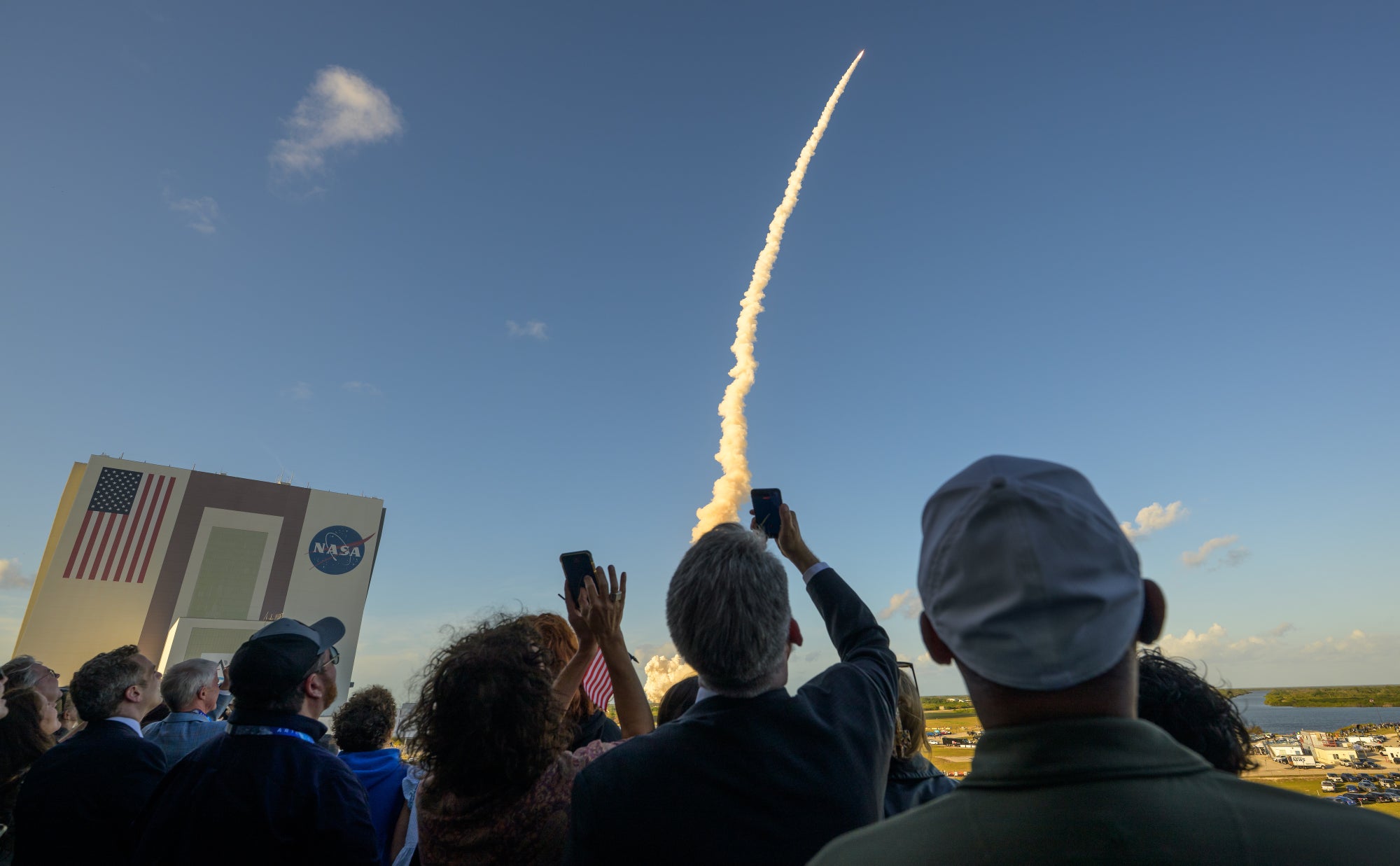
Thousands of people trekked to Florida’s Space Coast on April 1 to watch the liftoff of the first crewed moon mission since 1972. The launch went smoothly, and within a few hours, the astronauts were in a controlled orbit, positioning themselves for a maneuver to put them on course for the moon the next day.
NASA
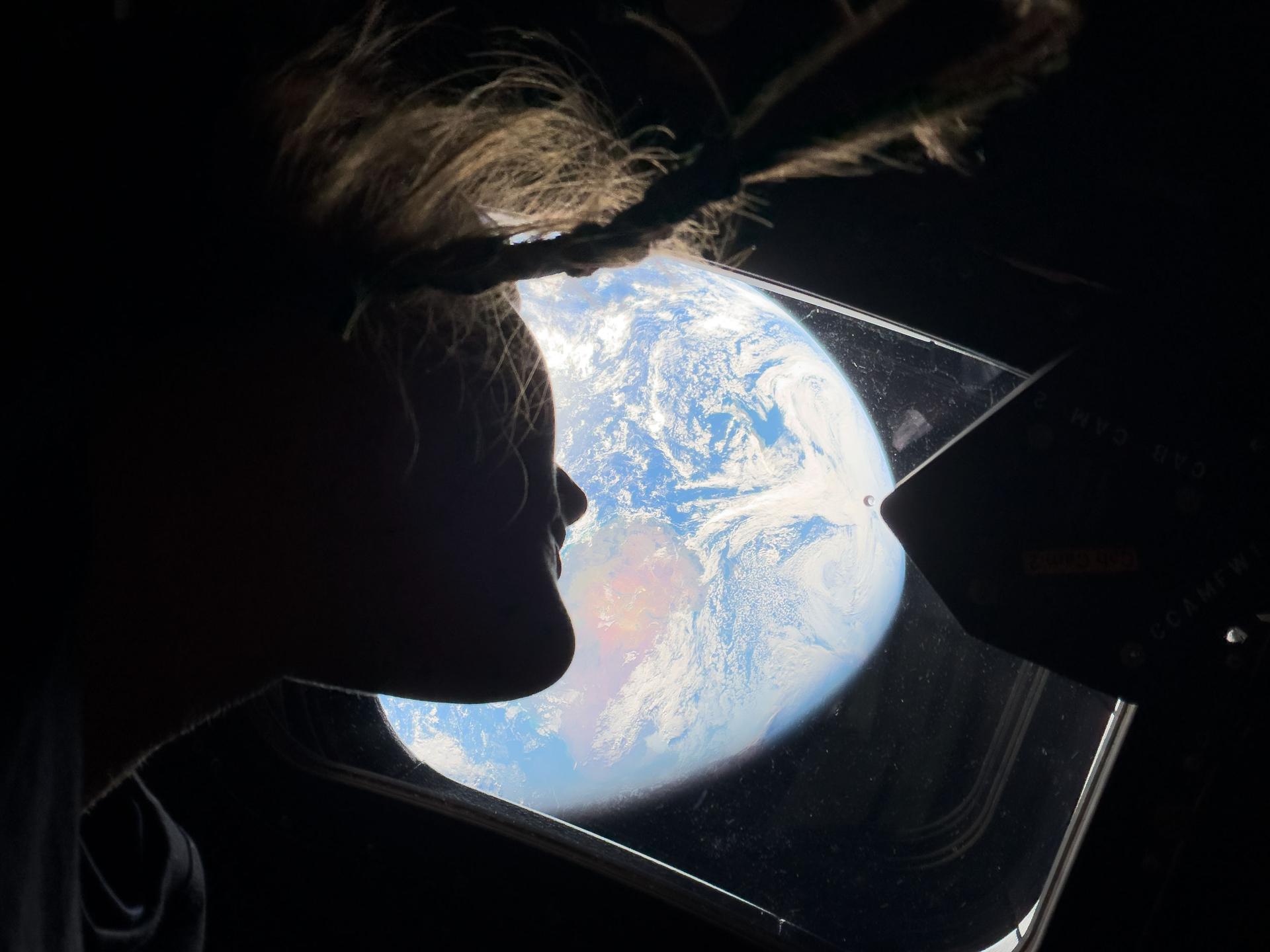
On April 2 the Orion spacecraft burned 6,700 pounds of fuel to lurch out of Earth orbit and toward its distant target. Gazing out the capsule’s windows at an ever shrinking Earth, the astronauts committed to their long journey.
NASA
As the sixth day of the mission began, the lunar observations kicked off with the impressive sight of the light and shadow lining the “terminator”—the border between the moon’s day and night hemispheres. “I wish I had some more time to just sit here and describe what I’m seeing, but the terminator right now is just fantastic,” said Glover to Houston mission control. Fortunately, we have photographs like this to imagine the spectacle.

NASA
There are many far-side features that lunar scientists couldn’t wait to get human eyes on for the first time. Satellite images can’t convey certain details that the human eye can, such as the hues and topography of particular features on the moon. Kelsey Young, NASA’s lunar science lead for the mission, called out the Orientale Basin as a feature that was particularly interesting and one that she hoped the astronauts would shed new light on. It’s a major asteroid impact crater that’s taught planetary scientists a lot about how such impacts look throughout the solar system.

NASA
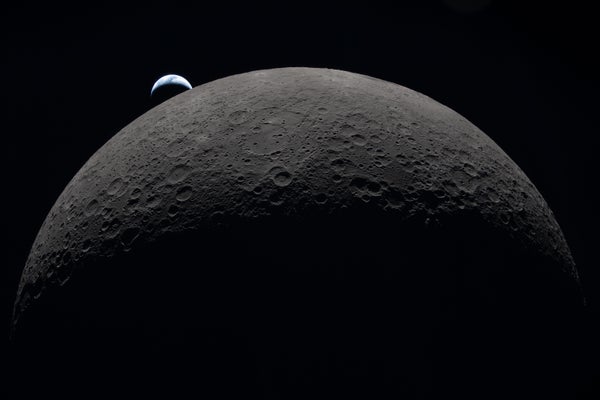
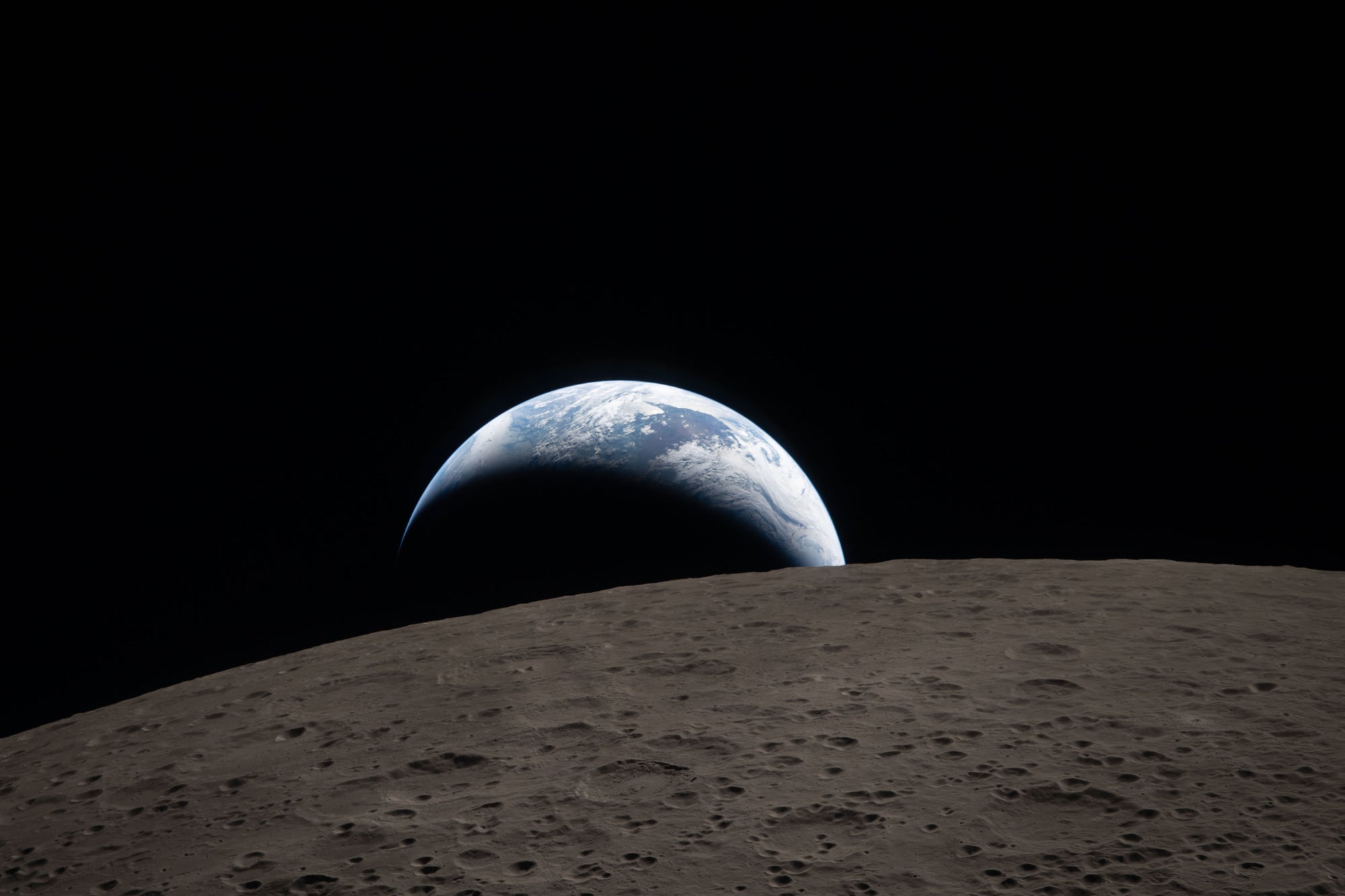
In 1968 Apollo 8 astronaut William Anders took an impromptu photograph of Earth peeking out from behind the moon’s far side—it became known as “Earthrise,” an iconic image of our planet that has inspired space enthusiasts and environmental advocates alike. There were high expectations for Orion’s crew to relay something of equal beauty. And while they did capture an Earthrise, perhaps the best of their photographs to compare to the 1968 image is the stunning “Earthset.”
NASA
This indescribable photograph of both the moon and Earth in shadow, taken at 6:41 P.M. EDT on April 6, has become a sensation. It’s called “A New View of Earth.”

NASA
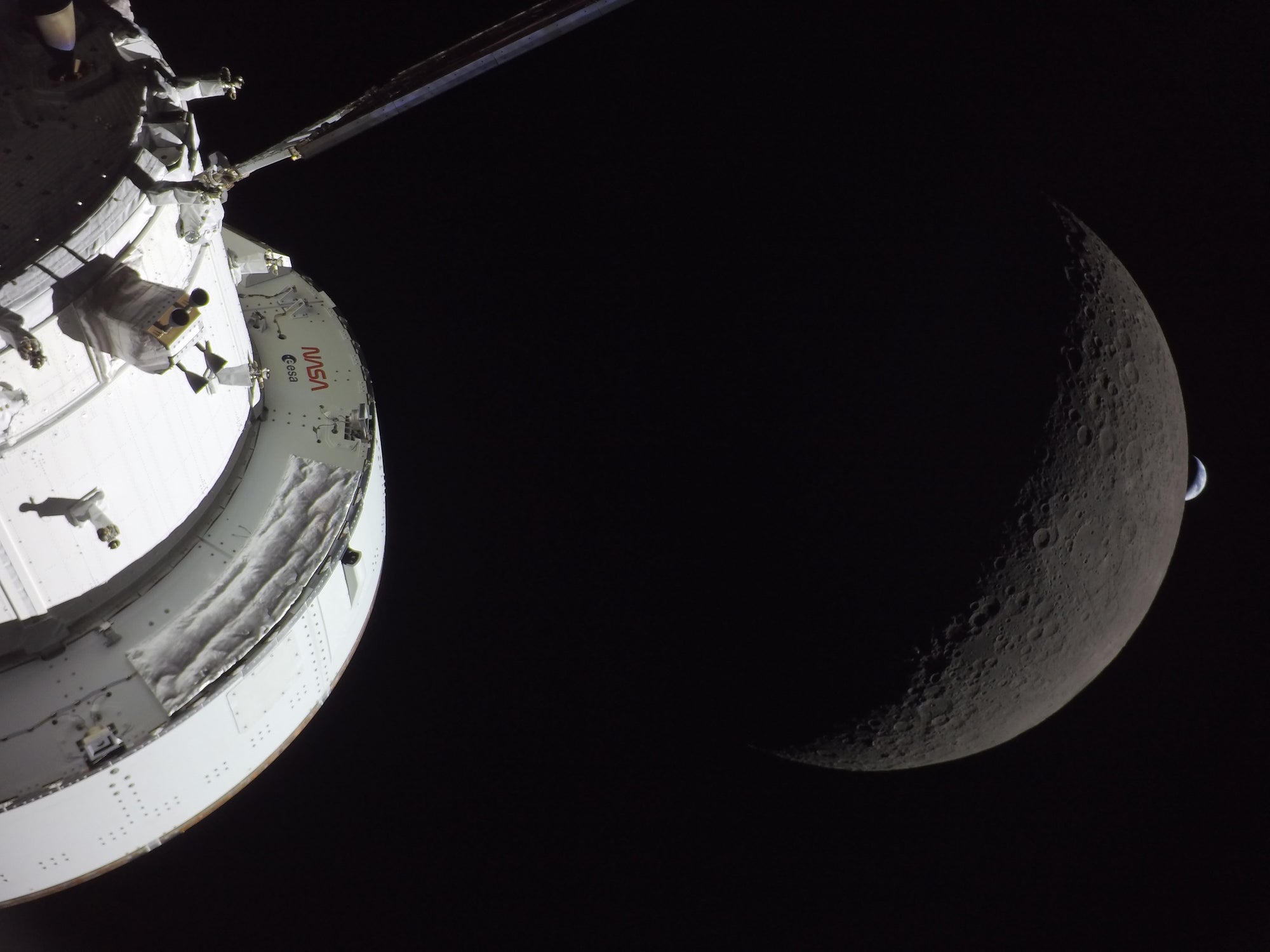
Photographs taken with Orion’s exterior camera while on the far side of the moon showed the immense distance between the astronauts and home, with our tiny moon looking imposing in the foreground and Earth appearing as a tiny crescent in the frame’s edge.
NASA
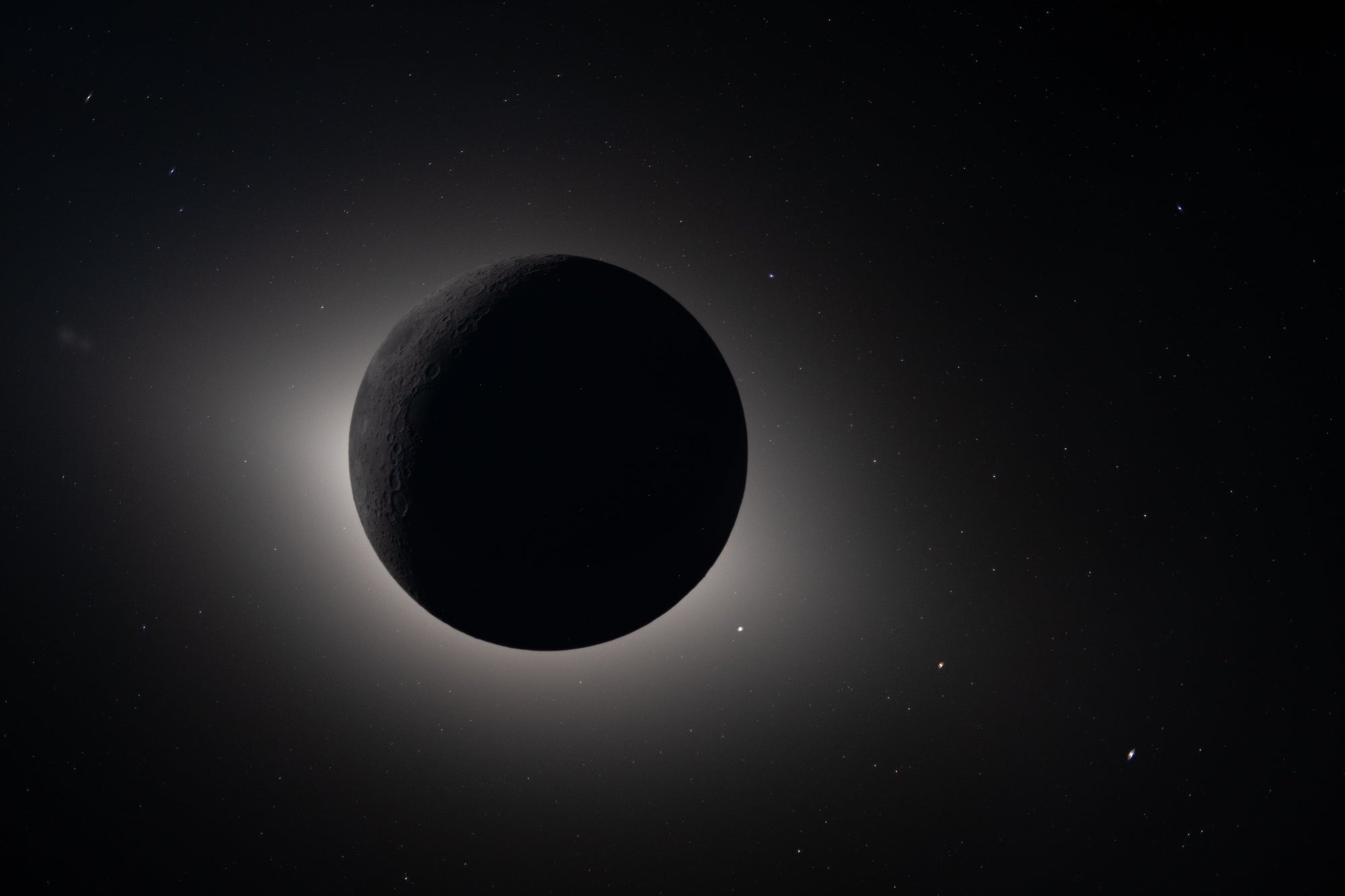
Even after the astronauts experienced Earthrise, the wonders were far from over. On Monday the crew also witnessed a rare solar eclipse from space. Amid the sudden blackness caused by the moon sweeping in front of the sun, the astronauts could see Saturn, Mars, Mercury, Venus and innumerable stars. This image shows the first three of those four planets (left to right), plus a scarcely visible Neptune in their midst.
NASA
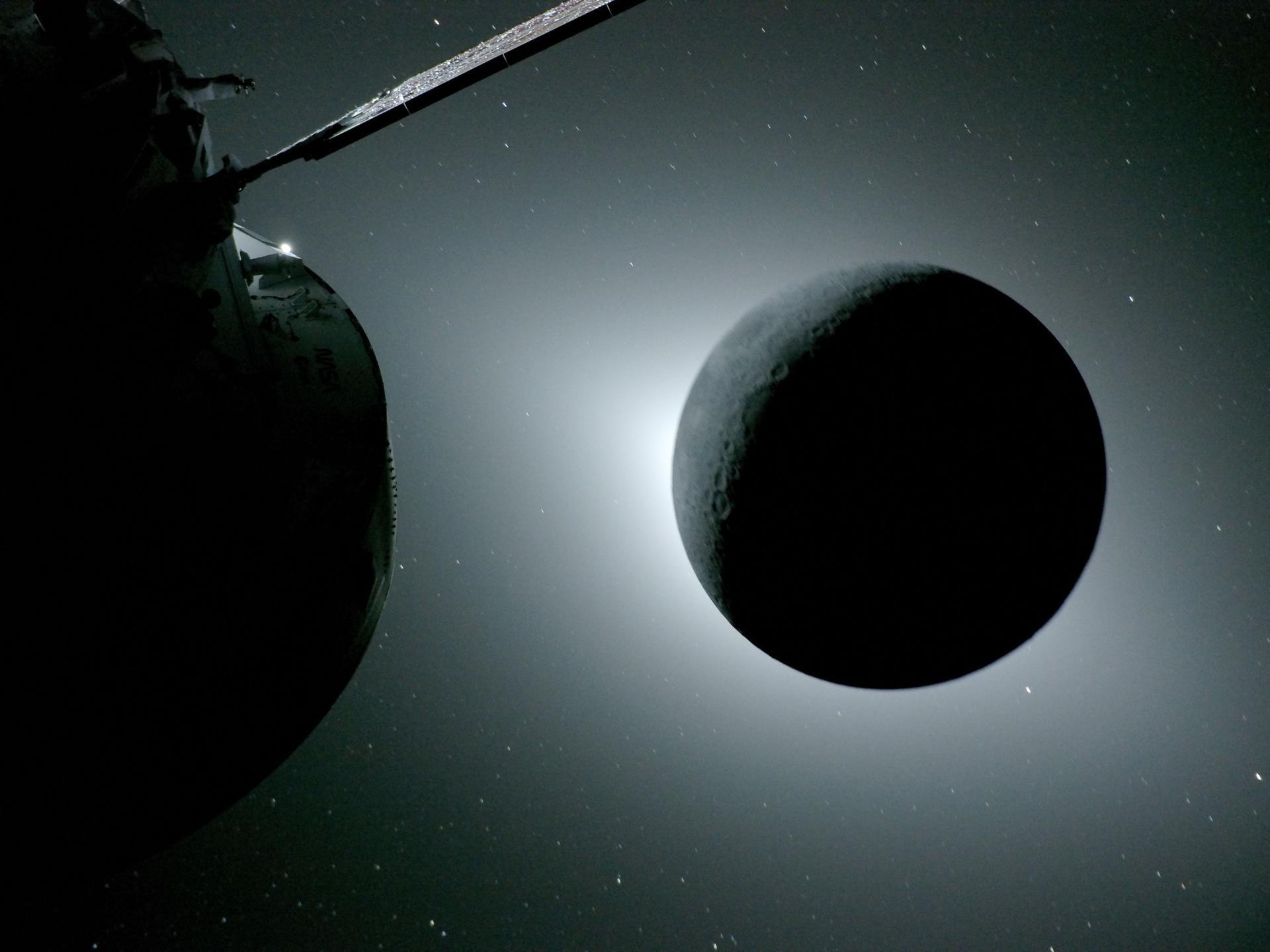
In this photograph, Earth looms behind the moon’s left side, saturating the frame with its “earthshine”—sunlight reflected from the planet.
NASA
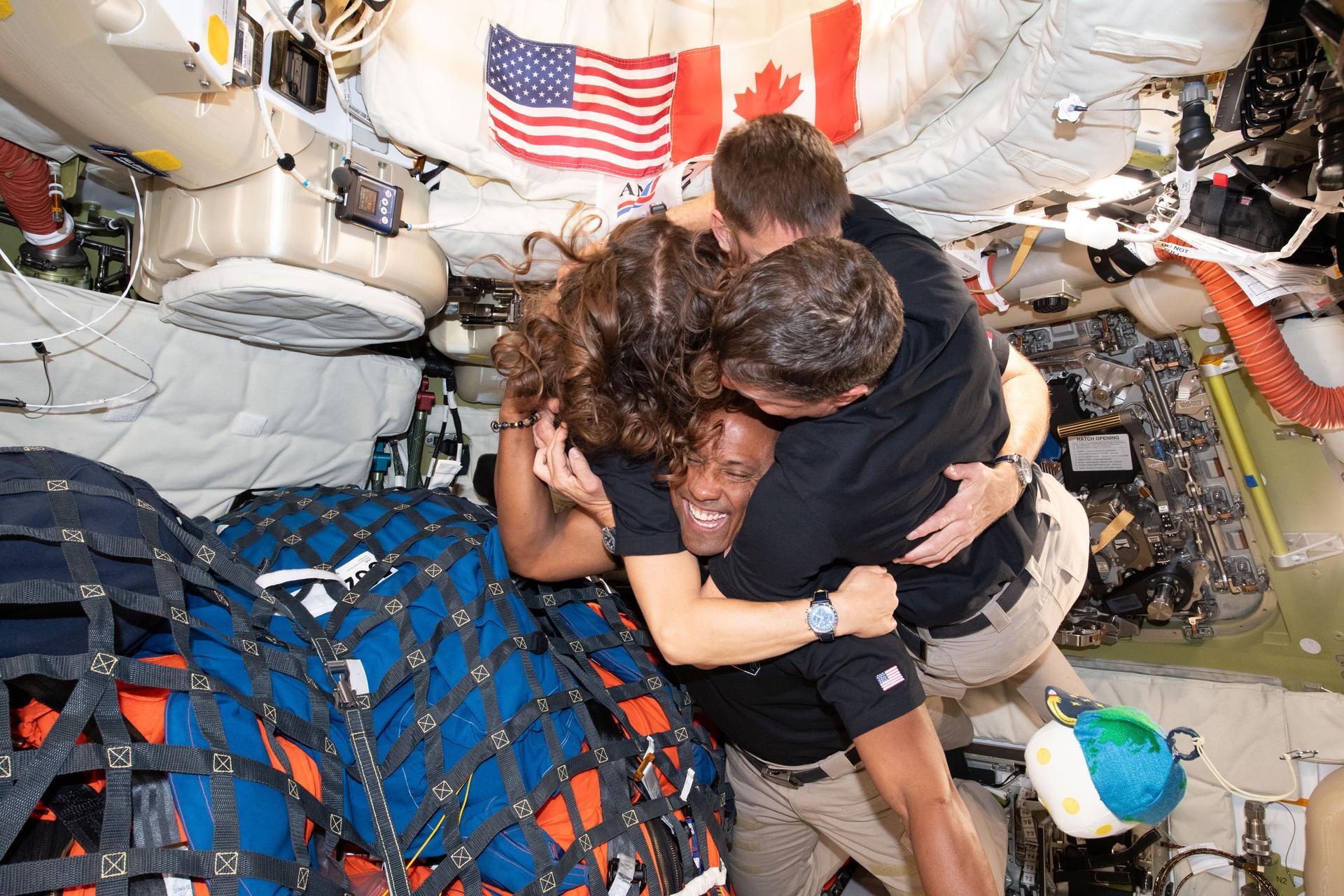
With the arduous flyby science behind them on Tuesday, the crew finally had a moment to celebrate. The mission’s core goal was an unqualified success, thanks to their diligence.
NASA
At 8:07 P.M. EDT on Friday, the crew of Orion splashed down safe and on schedule, capping off a mission packed with groundbreaking science and historic firsts.

NASA
After Navy divers cautiously retrieved the astronauts from their floating vessel and brought them onboard the USS John P. Murtha, millions rejoiced worldwide to see them celebrating a successful return.

NASA
If you enjoyed this article, I’d like to ask for your support. Scientific American has served as an advocate for science and industry for 180 years, and right now may be the most critical moment in that two-century history.
I’ve been a Scientific American subscriber since I was 12 years old, and it helped shape the way I look at the world. SciAm always educates and delights me, and inspires a sense of awe for our vast, beautiful universe. I hope it does that for you, too.
If you subscribe to Scientific American, you help ensure that our coverage is centered on meaningful research and discovery; that we have the resources to report on the decisions that threaten labs across the U.S.; and that we support both budding and working scientists at a time when the value of science itself too often goes unrecognized.
In return, you get essential news, captivating podcasts, brilliant infographics, can't-miss newsletters, must-watch videos, challenging games, and the science world's best writing and reporting. You can even gift someone a subscription.
There has never been a more important time for us to stand up and show why science matters. I hope you’ll support us in that mission.
此内容由惯性聚合(RSS阅读器)自动聚合整理,仅供阅读参考。 原文来自 — 版权归原作者所有。