Thank you to everyone who completed the survey last week! If you missed it, I'll leave it open until March 28. It takes less than three minutes, and you could win a book!
💙 Amanda
The UK doesn't produce enough food to feed itself. Neither do the US and Canada. Australia doesn't either. Nor does France. It's only thanks to a vast system of global trade and shipping that we are sufficiently fed.
So the ongoing closure of the Strait of Hormuz, a major shipping chokepoint, raises an uncomfortable question: Without global trade, could countries actually feed themselves?
As things stand, only one can: Guyana.
It's the only country on Earth that can feed its entire population through domestic production alone. This is according to research published last year in Nature Food, and takes into account the seven essential food groups as defined by the WWF Livewell diet.
China and Vietnam come close; each are able to cover six of the seven food groups from their own land.
All other 183 countries fall short — though by how much depends on the food group. Take meat: 65% of countries produce enough, or more than enough, for their own people.
Across the world, meat self-sufficiency is relatively high
The portion of the population's meat intake, as recommended by the Livewell diet, that the country can produce domestically.
In 121 of the 187 countries, meat production actually exceeds what's needed. Denmark, for example, produces enough to feed 16.5 times its own population. At the other extreme, small island nations, like Tuvalu and the Marshall Islands, produce none.
About half of all countries are self-sufficient for fruits, legumes/nuts, starchy staples and dairy
The portion of the population's intake, as recommended by the Livewell diet, that the country can produce domestically.
Unsurprisingly, South America and the Caribbean perform well in fruit production, while nations in the Northern Hemisphere don't. Dairy is a particular weak spot for Africa and Oceania; about 80% of countries in those regions aren't able to meet their own needs.
Where almost every country struggles, though, is with fish and vegetables. Globally, 60% of countries can't even cover half of their fish needs, and fewer than one in four nations are self-sufficient when it comes to veggies.
Most countries can't produce enough fish and vegetables
The portion of the population's intake, as recommended by the Livewell diet, that the country can produce domestically.
Guyana aside, no other country can currently feed its people a healthy diet from domestic production alone. But other nations have potential. An analysis of land availability found that 86 countries — home to just over half of the global population — could provide a nationally sourced, healthy diet. And a further 113 countries could get there with a few changes to eating habits, farming practices and food waste.
Many countries have enough land to satisfy a home-grown diet
The percent of each country's agricultural land needed to produce enough food for its people.
Despite this, there's a problem. And it leads us right back to the Strait of Hormuz. These measures of self-sufficiency are based on the normal agricultural output. That output depends heavily on a steady fertilizer supply.
A third of the world's fertilizer passes through the Strait, and its closure has sent prices soaring right in the middle of the Northern Hemisphere's spring planting season. This could mean less food in markets and rising prices worldwide, warns the FAO's chief economist.
Brazil and China rank among the more self-sufficient nations. Yet, both depend heavily on fertilizer imported through the Strait. And switching to alternatives isn't so easy: When Sri Lanka banned synthetic fertilizers in 2021, rice production fell 20% within six months. Food prices jumped and the policy was reversed.
Essentially, even if countries are theoretically self-sufficient, in our current system they still rely on the global fertilizer trade. In other words: Self-sufficiency is still only as good as the supply chains that support it.
THERE'S MORE!
Curious how your own country scores across all seven food groups?
Become a Not-Ship member for $9 a month (or $90 a year) and get access to the data behind every newsletter. Yes — that means spreadsheets! Yes — you can explore them yourself! 😱😱😱😱😱
AND THAT'S NOT ALL.
Every paying subscriber also gets the warm glow of knowing they're keeping independent journalism alive. Which is (almost) better than spreadsheets.
FROM ELSEWHERE
Here's what I found interesting, important or delightful this week:
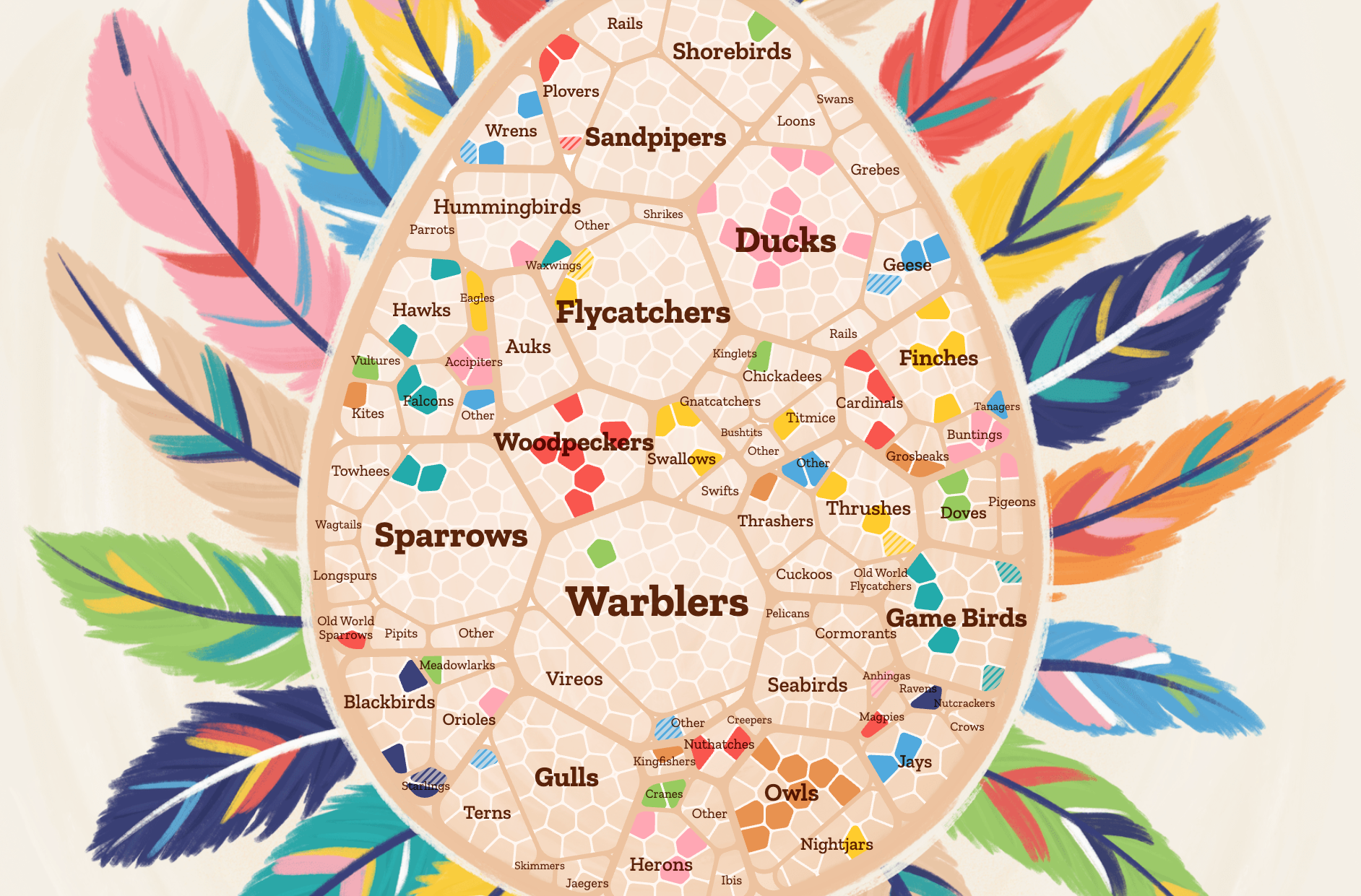
Bird "searching". If you liked my piece on "joy watching", consider spending some time with this beautiful analysis of how our interest in birds is revealed through Google searches.
Personal egg-flation. John Rush has been collecting his receipts for 25 years. He's now sifting through that data, starting with egg prices. (This gem comes via the Flowing Data newsletter).
MORE NOT-SHIP
Looking for the rich? Check in the shadows.
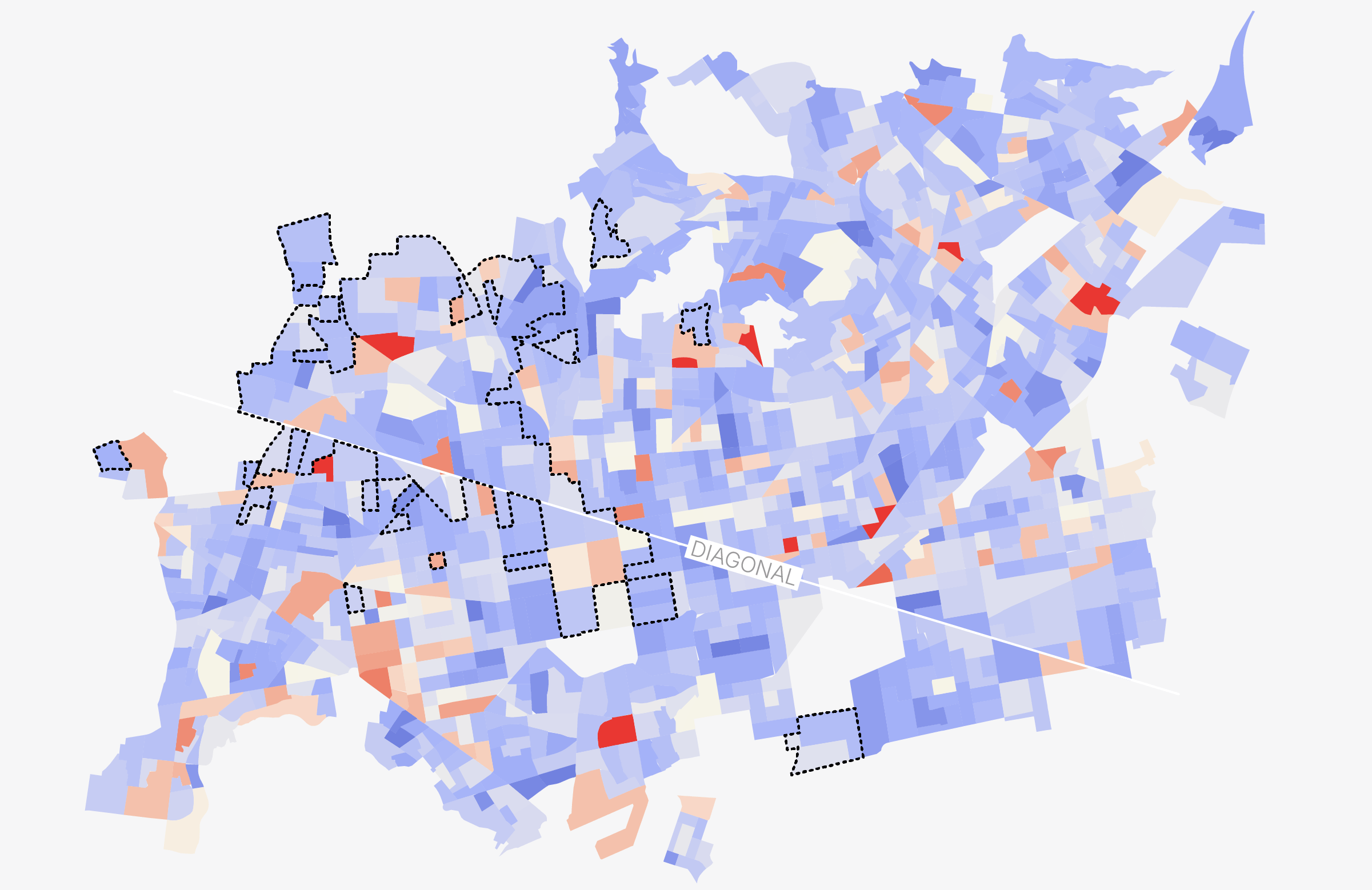
Across the world, shade is a privilege of the wealthy.
 Amanda Shendruk
Hey guys? You could help out a little more.
We stopped calling it “women’s work” — but we never stopped making it women’s work.
 Not-ShipAmanda Shendruk

Birds might help us get through this
The mental health benefits of “joy watching” are what we need right now.
 Not-ShipAmanda Shendruk