Happy Thursday! I hope the sun is shining where you are. Today's dispatch is a good one to share. Forward it to your loved ones who think voting for the right is about tax policy.
💙 Amanda
Something's fishy in France. The country's far-right party is more left-wing than its conservative party. It's also more left-wing than the centrist party.
What? Yeah. I'll explain it again.
Marine Le Pen's National Rally — the party that has spent decades stoking fears about immigration and national identity — sits just to the left of both President Emmanuel Macron's Renaissance and the traditional centre-right Republicans on economic policy.
France's far-right party is slightly more left-wing than its centrist one
French party positions on economic policy, 2024.
What's going on here? Shouldn't the far-right National Rally be, well, further right on the economic spectrum? Not necessarily.
France is a striking case, but it's not an anomaly. Across Europe, the economic positions of far-right parties have drifted. And it's messing with our traditional understanding of what the left and the right mean.
For most of the twentieth century, left vs right was mostly determined by economic policies. Left meant more government intervention, higher taxes, stronger welfare states, and more public ownership. Right meant less of all that.
But according to the Chapel Hill Expert Survey (CHES) — the longest-running expert study of party positioning in Europe — parties today don't divide as neatly along economic lines.
When Europe's political parties are grouped and plotted on a left-right axis of economic policy, you'll notice it right away: The far right (or radical right) is all over the place.
When it comes to economic policy, the Right isn't limited to the right
Positions on economic policy by party category, 2024.
Europe's far-right parties have surprising economic spread. There are even a handful whose policies overlap with those of radical-left and socialist groups.
So, if the economic policies are drifting apart, what unites the right? The answer is found in a shift that political scientist Ronald Inglehart noticed as far back as the 1970s.
As postwar prosperity produced a generation that took financial security for granted, he predicted that "the main axis of political conflict should gradually shift from class-based issues such as income redistribution and state ownership of industry toward increasing emphasis on quality of life issues."
He was on the money. Today, that cultural dimension has effectively become the primary one.
When we add a second axis — tracking parties' positions on social values, from libertarian and open on one end to authoritarian and traditional on the other — the picture snaps into focus.
The right is far more united on social values than on economics
Views on democratic freedoms and rights (vertical axis) and economic policy (horizontal axis) by party category, 2024.
The radical-right parties that were scattered across the economic spectrum now cluster tightly together at the top of the chart — the authoritarian end of the social values axis. That's where we find Spain's Vox, Italy's ruling coalition (FDI), and Viktor Orbán's Fidesz-KDNP alliance. They have genuinely different views on taxation and the role of the state. But on democratic freedoms, civil rights, and social values, they are closely aligned.
CHES has been tracking this shift for 25 years. Their conclusion: "The economic left-right dimension remains secondary to the politics of the radical right." What defines these parties instead is their stance on culture: specifically, immigration, national identity, and democratic rights. And when you look at those issues individually, the clustering becomes even sharper.
Who belongs: The issues that define the right
Positions on select policies by party category, 2024.
CHES looks at party policies from taxation to corruption to the environment. And it is on these issues of identity and belonging, the ones charted above, where the far right is most definitely on the same page.
Think about the significant gains made by Reform UK earlier this month. The far-right party nabbed over 1,450 council seats in local UK elections, and now has the second-most seats in the Welsh parliament. In 2024, the most common reason given for voting Reform was to control immigration. And this year, 78% of Reform voters named immigration as a deciding issue. Unsurprisingly, the party did best in places that voted heavily for Brexit.
Reform's gains in the UK, like the rise of Vox, the AfD, and the RN before them, are often framed as a working-class revolt against economic elites. But the data suggest something else. These parties don't agree on tax, or spending, or the welfare state. What they agree on — with remarkable consistency — is who doesn't belong.
LIBERTÉ, ÉGALITÉ ...
The French Revolution didn't just give us human rights, nationalism, and the metric system. It also introduced the left-right political spectrum. The terms "left" and "right" come from the seating arrangement in France's 1789 National Assembly, where supporters of the king sat to the right of the president and reformers sat to the left. The labels stuck. But what they describe has changed considerably since then.
Want to join a revolution of your own? Paid members keep Not-Ship free for everyone else. For $9/month (or $90/year), you're helping to ensure the charts keeping coming.
FROM ELSEWHERE
Here's what I found interesting, important or delightful this week:
Why not? This generator will turn your Strava data into a personalized run receipt, complete with your total distance and a route signature.
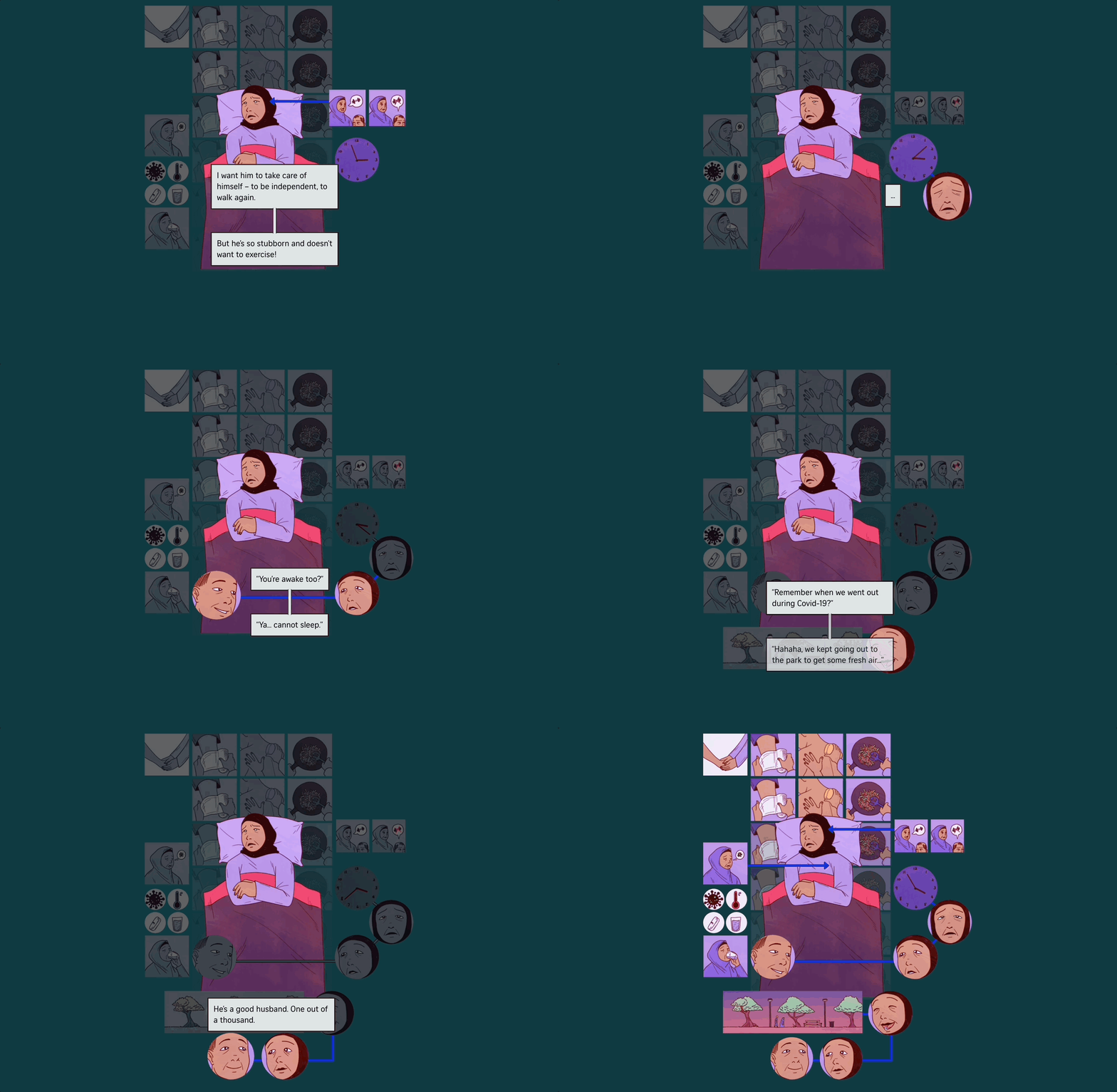
Seniors caring for seniors. This is a beautiful piece about the struggles of an aging society caring for its elderly. Published by the Straits Times, the Chris Ware-inspired illustration is particularly touching.
404. But not forgotten. FiveThirtyEight is officially gone. After shutting down last year, the site finally went dark this week. But if you want to dig through the archives of the beloved data-and-polling site, data journalist Ben Welsh has archived thousands of its pages.
MORE NOT-SHIP
It’s not just you. Democracy is on the decline.
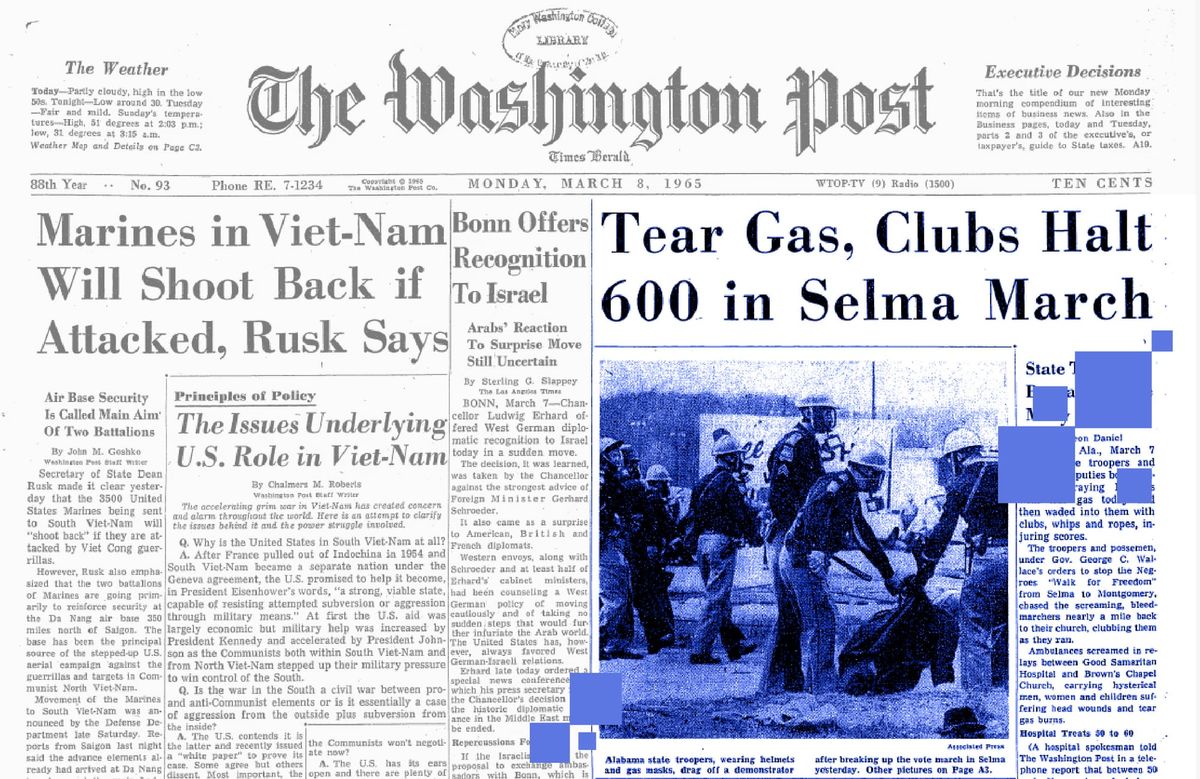
US democracy has fallen back to levels found during the Civil Rights era.
 Amanda Shendruk
Last call for third places?
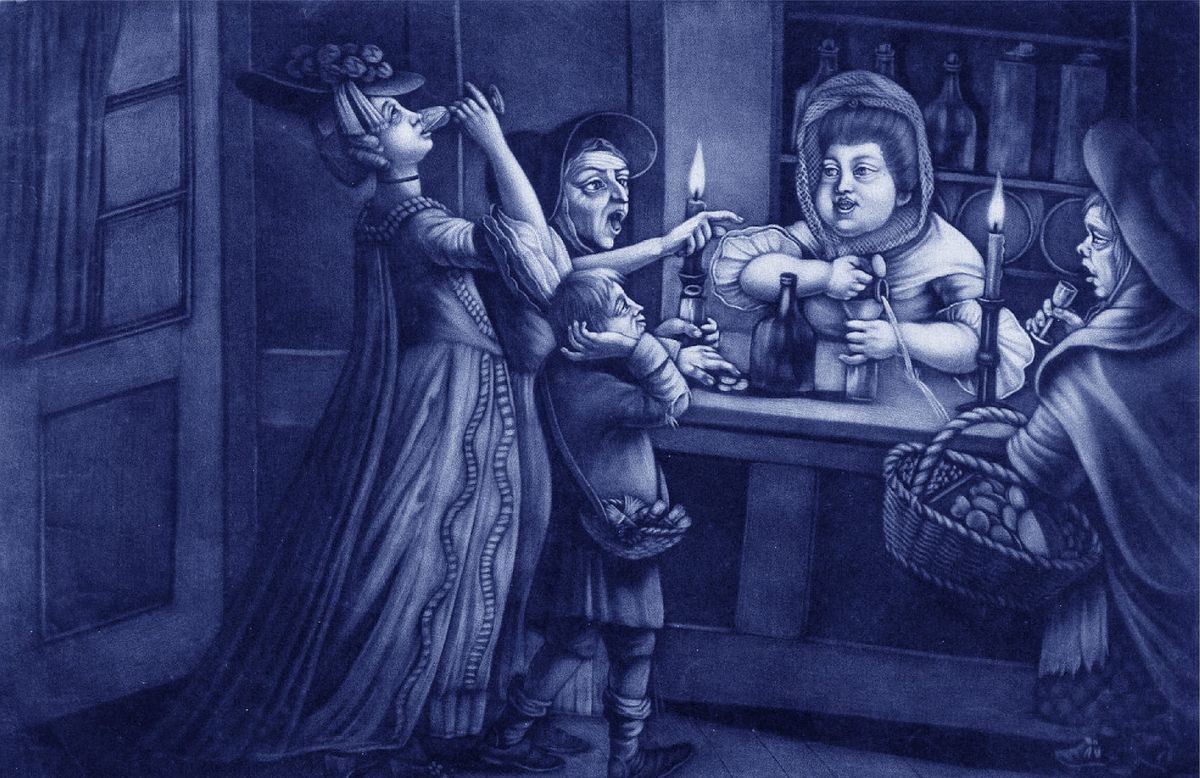
A healthy democracy needs manicures, playgrounds, and cheeky pints.
 Not-ShipAmanda Shendruk
AI could mean the death of anonymity
The problem isn’t what you’ve told AI. It’s what AI figured out on its own.
 Not-ShipAmanda Shendruk