






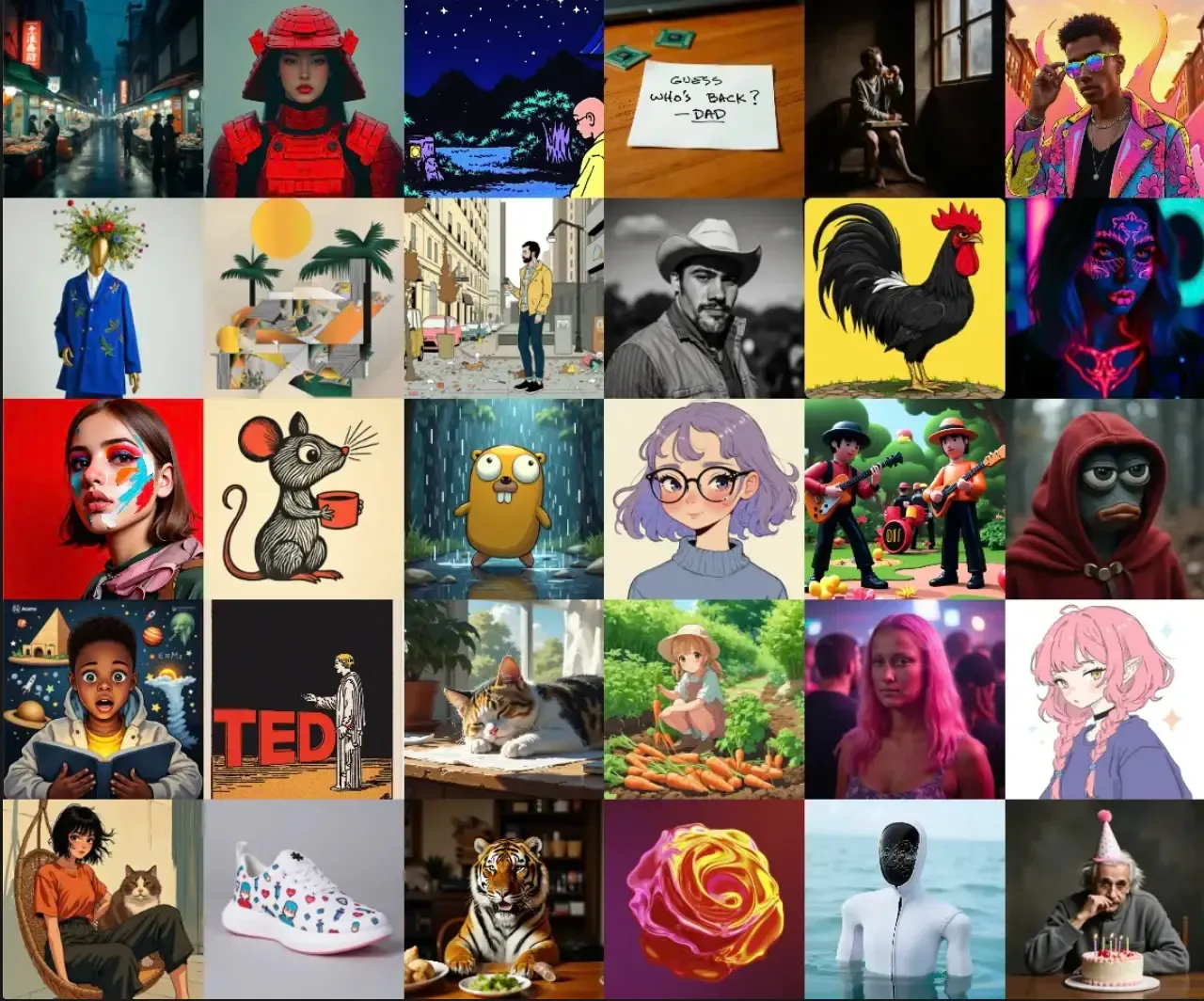
LoRAs have become the leading way to train image models to express specific concepts or styles. Think Studio Ghibli stills or capturing the vibe of 80s cyberpunk.
Hugging Face is a go-to spot for sharing and trying LoRAs. Artists, researchers, and tinkerers upload their custom styles there, making them easy for anyone to use. It’s grown into one of the largest open collections of LoRAs online.
Now, LoRAs can run directly on the Hugging Face Hub using Replicate for inference. This is possible thanks to a small update to Hugging Face’s inference client that hooks into Replicate behind the scenes. The result: fast, low-cost inference with your favorite LoRAs, right from the Hugging Face interface.
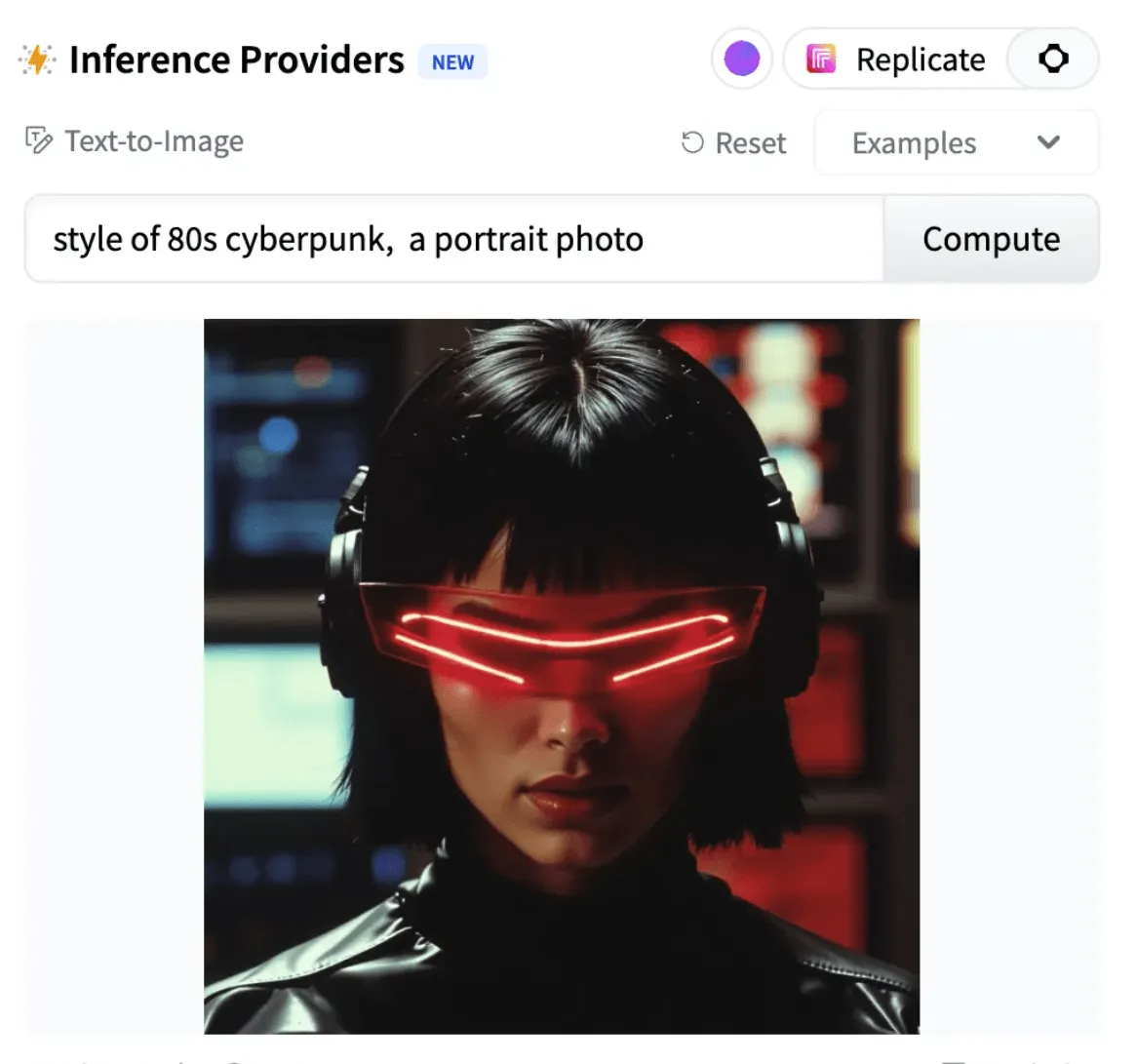
When you choose a supported LoRA model on Hugging Face and select Replicate as the inference provider, Hugging Face routes the request to Replicate’s black-forest-labs/flux-dev-lora model. We use the requested LoRA as a dynamic input to that model, passed in as the lora_weights parameter.
That means every LoRA shares the same backend model on Replicate, and we swap in the correct weights on the fly. For example:
This lets us support all the LoRAs in Hugging Face’s Flux library without needing a separate hosted model for each one.
You can browse all supported LoRAs on Hugging Face (there’s a lot).
此内容由惯性聚合(RSS阅读器)自动聚合整理,仅供阅读参考。 原文来自 — 版权归原作者所有。