惯性聚合 高效追踪和阅读你感兴趣的博客、新闻、科技资讯
阅读原文 在惯性聚合中打开

推荐订阅源

Cyberwarzone
Cyberwarzone
Vercel News
Vercel News
freeCodeCamp Programming Tutorials: Python, JavaScript, Git & More
奇客Solidot–传递最新科技情报
奇客Solidot–传递最新科技情报
aimingoo的专栏
aimingoo的专栏
B
Blog RSS Feed
A
About on SuperTechFans
T
The Blog of Author Tim Ferriss
爱范儿
爱范儿
腾讯CDC
S
SegmentFault 最新的问题
Exploit-DB.com RSS Feed
The Hacker News
The Hacker News
J
Java Code Geeks
大猫的无限游戏
大猫的无限游戏
B
Blog
IT之家
IT之家
Spread Privacy
Spread Privacy
K
KPMG report finds enterprise disconnect between AI and its ROI | CIO
C
Cisco Blogs
Recent Announcements
H
Hacker News: Front Page
AI
AI
I
InfoQ
H
Heimdal Security Blog
T
Threatpost
Cisco Talos Blog
Cisco Talos Blog
Threat Intelligence Blog | Flashpoint
I
Intezer
W
WeLiveSecurity
SecWiki News
SecWiki News
MongoDB | Blog
MongoDB | Blog
宝玉的分享
宝玉的分享
博客园 - 【当耐特】
云风的 BLOG
云风的 BLOG
T
Threat Research - Cisco Blogs
V2EX - 技术
V2EX - 技术
N
News and Events Feed by Topic
cs.CV updates on arXiv.org
O
OpenAI News
阮一峰的网络日志
阮一峰的网络日志
T
Troy Hunt's Blog
www.infosecurity-magazine.com
博客园 - 司徒正美
Apple Machine Learning Research
雷峰网
雷峰网
T
Tor Project blog
有赞技术团队
有赞技术团队
Schneier on Security
Last Week in AI
Last Week in AI

Replicate's blog

How to make remarkable videos with Seedance 2.0 – Replicate blog How to prompt Seedream 5.0 – Replicate blog Recraft V4: image generation with design taste – Replicate blog Run Isaac 0.1 on Replicate – Replicate blog Run FLUX.2 on Replicate – Replicate blog How to prompt Nano Banana Pro – Replicate blog Retro Diffusion's pixel art models are now on Replicate – Replicate blog Replicate is joining Cloudflare – Replicate blog Extract text from documents and images with Datalab Marker and OCR – Replicate blog IBM's Granite 4.0 is now on Replicate – Replicate blog Which image editing model should I use? – Replicate blog Introducing our new search API – Replicate blog Torch compile caching for inference speed – Replicate blog Announcing Replicate's remote MCP server – Replicate blog How to prompt Veo 3 with images – Replicate blog Open source video is back – Replicate blog Generate consistent characters – Replicate blog Bria is now on Replicate – Replicate blog How we optimized FLUX.1 Kontext [dev] – Replicate blog Compare AI video models – Replicate blog The FLUX.1 Kontext hackathon – Replicate blog How to prompt Veo 3 for the best results – Replicate blog Get the most from Google Veo 3 – Replicate blog FLUX.1 Kontext from the community – Replicate blog Use FLUX.1 Kontext to edit images with words – Replicate blog Generate incredible images with Google's Imagen 4 – Replicate blog Run OpenAI’s latest models on Replicate – Replicate blog NVIDIA H100 GPUs are here – Replicate blog Run 30,000+ LoRAs on Hugging Face with Replicate – Replicate blog Ideogram 3.0 on Replicate – Replicate blog Run MiniMax Speech-02 models with an API – Replicate blog Easel AI is now on Replicate – Replicate blog Stylized video with Wan2.1 – Replicate blog Creative roundup: avatars, lightsabers, and LoRA tricks – Replicate blog Wan2.1: generate videos with an API – Replicate blog Wan2.1 parameter sweep – Replicate blog You can now fine-tune open-source video models – Replicate blog Generate short videos with the Replicate playground – Replicate blog AI video is having its Stable Diffusion moment – Replicate blog FLUX fine-tunes are now fast – Replicate blog FLUX.1 Tools – Control and steerability for FLUX – Replicate blog NVIDIA L40S GPUs are here – Replicate blog Ideogram v2 is an outstanding new inpainting model – Replicate blog Stable Diffusion 3.5 is here – Replicate blog FLUX is fast and it's open source – Replicate blog FLUX1.1 [pro] is here – Replicate blog Using synthetic training data to improve Flux finetunes – Replicate blog Fine-tune FLUX.1 with an API – Replicate blog Fine-tune FLUX.1 to create images of yourself – Replicate blog Replicate Intelligence #12 – Replicate blog Replicate Intelligence #11 – Replicate blog Fine-tune FLUX.1 with your own images – Replicate blog Replicate Intelligence #10 – Replicate blog FLUX.1: First Impressions – Replicate blog Replicate Intelligence #9 – Replicate blog Run FLUX with an API – Replicate blog Replicate Intelligence #8 – Replicate blog Run Meta Llama 3.1 405B with an API – Replicate blog Replicate Intelligence #7 – Replicate blog Replicate Intelligence #6 – Replicate blog Replicate Intelligence #5 – Replicate blog How to get the best results from Stable Diffusion 3 – Replicate blog Run Stable Diffusion 3 on your Apple Silicon Mac – Replicate blog Push a custom version of Stable Diffusion 3 – Replicate blog Replicate Intelligence #4 – Replicate blog Run Stable Diffusion 3 on your own machine with ComfyUI – Replicate blog H100s are coming to Replicate – Replicate blog Run Stable Diffusion 3 with an API – Replicate blog Replicate Intelligence #3 – Replicate blog Replicate Intelligence #2 – Replicate blog Replicate Intelligence #1 – Replicate blog Shared network vulnerability disclosure – Replicate blog Run Snowflake Arctic with an API – Replicate blog Run Meta Llama 3 with an API – Replicate blog Run Code Llama 70B with an API – Replicate blog How to create an AI narrator for your life – Replicate blog Clone your voice using open-source models – Replicate blog Businesses are building on open-source AI – Replicate blog How to run Yi chat models with an API – Replicate blog Scaffold Replicate apps with one command – Replicate blog Using open-source models for faster and cheaper text embeddings – Replicate blog Generate music from chord progressions and text prompts with MusicGen-Chord – Replicate blog Generate images in one second on your Mac using a latent consistency model – Replicate blog How to use retrieval augmented generation with ChromaDB and Mistral – Replicate blog Fine-tune MusicGen to generate music in any style – Replicate blog Jet-setting with Llama 2 + Grammars – Replicate blog How to run Mistral 7B with an API – Replicate blog Make smooth AI generated videos with AnimateDiff and an interpolator – Replicate blog Fine-tuned models now boot in less than one second – Replicate blog Painting with words: a history of text-to-image AI – Replicate blog We're cutting our prices in half – Replicate blog A guide to prompting Llama 2 – Replicate blog Streaming output for language models – Replicate blog Fine-tune SDXL with your own images – Replicate blog Run Llama 2 with an API – Replicate blog Run SDXL with an API – Replicate blog A comprehensive guide to running Llama 2 locally – Replicate blog Fine-tune Llama 2 on Replicate – Replicate blog What happened with Llama 2 in the last 24 hours? 🦙 – Replicate blog Make any large language model a better poet – Replicate blog
How to prompt Veo 3.1 – Replicate blog
2025-10-16 · via Replicate's blog

Posted October 16, 2025 by

Google just came out with Veo 3.1 which offers a few new shiny tools with video generation, including character reference images and first/last frame input. We made a quick prompting guide to show you the capabilities of this model.

As always with the Google video models, there is a general guide you should follow to ensure your outputs are as strong as they can be.

  • Shot composition: Specify the framing and number of subjects in the shot (e.g., “single shot,” “two shot,” “over-the-shoulder shot”).
  • Focus and lens effects: Use terms like “shallow focus,” “deep focus,” “soft focus,” “macro lens,” and “wide-angle lens” to achieve specific visual effects.
  • Overall style and subject: Guide creative direction by specifying styles like “sci-fi,” “romantic comedy,” “action movie,” or “animation.”
  • Camera positioning and movement: Control the camera’s location and movement using terms like “eye level,” “high angle,” “worm’s eye,” “dolly shot,” “zoom shot,” “pan shot,” and “tracking shot.”

Now that you have a sense of prompting Veo 3.1 generally, let’s dive into these new features.

Reference to Video

The most exciting new feature in Veo 3.1 is reference to video generation. This capability allows you to combine up to three reference images into a single coherent video scene, guided by your text prompt.

Reference to video takes up to three input images and uses your text prompt to guide how these elements should be combined.

Examples

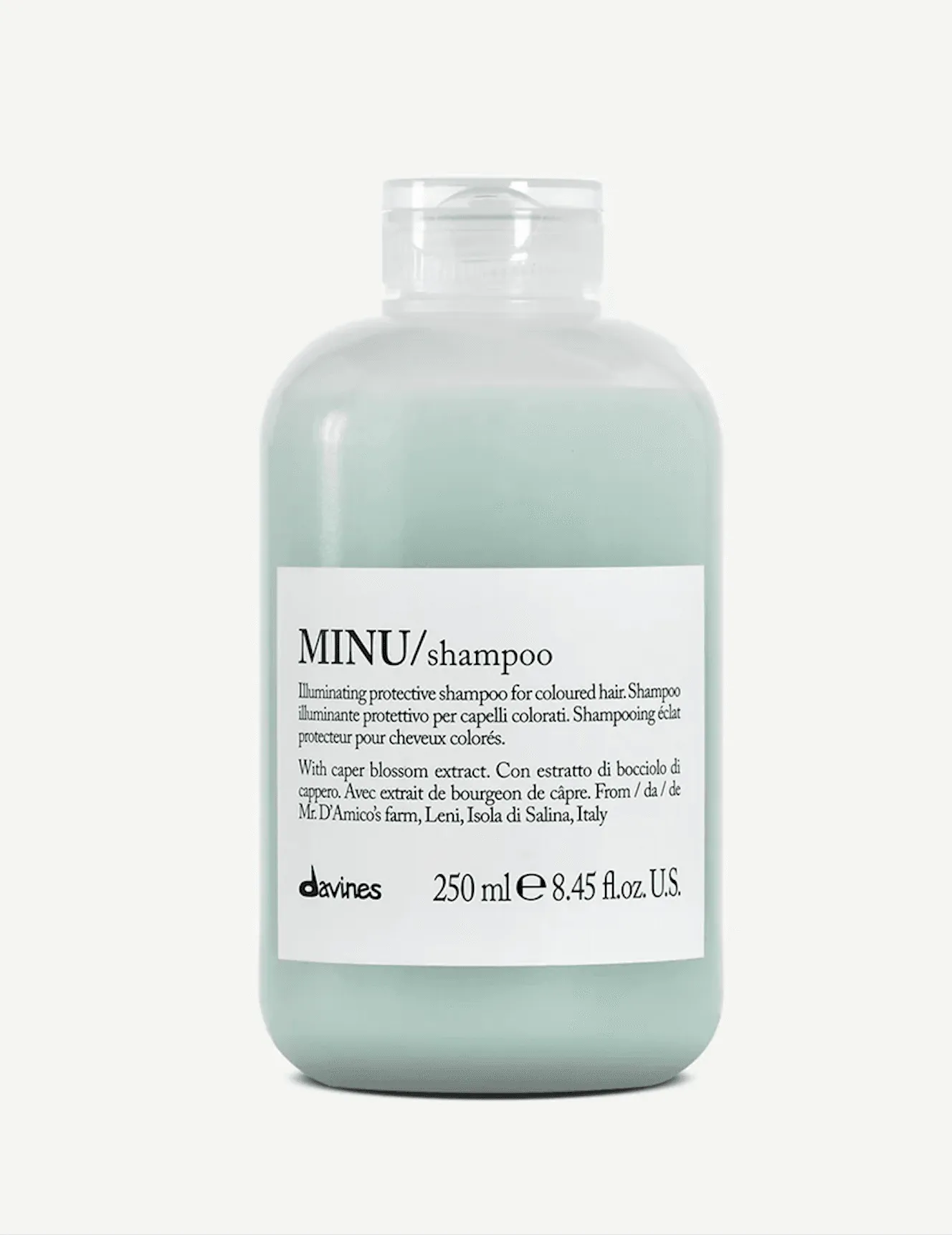
Check out how we used these images of a woman and a bottle of shampoo to make a UGC-style video. Veo 3.1 is able to preserve both the character and the bottle while generating a fluid and realistic review video.

Content creator woman

Reference: Content Creator

Shampoo bottle

Reference: Shampoo

One of the most powerful aspects of reference to video is character consistency. You can take a character reference and place them in completely different scenarios while maintaining their appearance and identity. This opens up incredible storytelling possibilities - imagine taking your brand mascot or main character and seamlessly placing them in various environments, ones you could have never imagined them to be a part of.

I'm impressed with this Veo 3.1 output, I gave it an anime character in a live action scene as a reference.

> this character is walking home in the rain pic.twitter.com/4XSbSoutnt

— fofr (@fofrAI) October 15, 2025

This feature provides unprecedented controllability over your video scenes, making it perfect for creating complex narratives with specific visual elements.

First and Last Frame to Video

Another powerful new feature is first and last frame to video generation. This extends the concept of image-to-video by allowing you to specify both the starting and ending frames of your video.

Instead of just providing a starting image like traditional image-to-video, you provide both a first frame and a last frame. The model then interpolates between these two points based on your text prompt guidance.

Examples

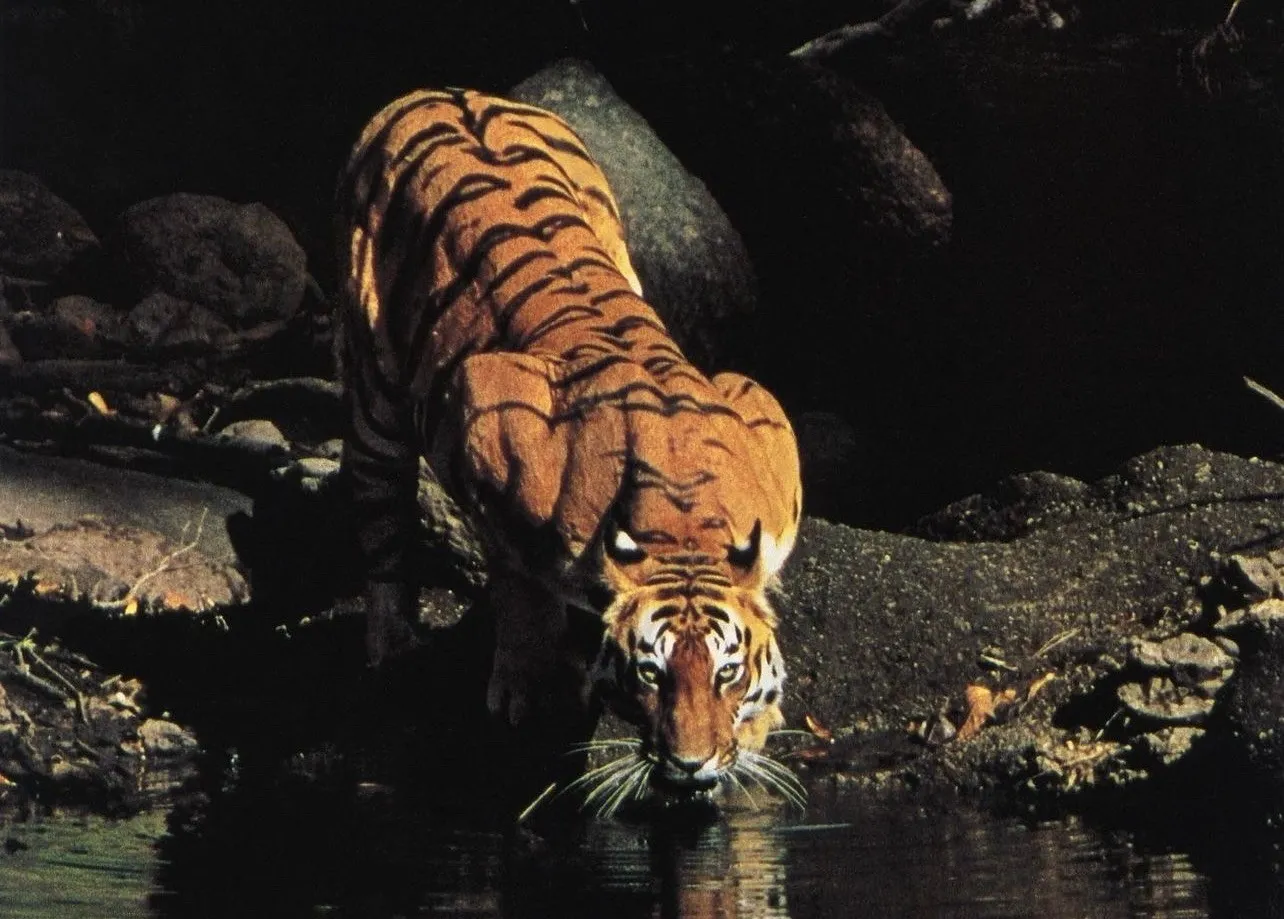
Here’s a cool example where we used first and last frame to create a morphing transformation from a lamb to a tiger:
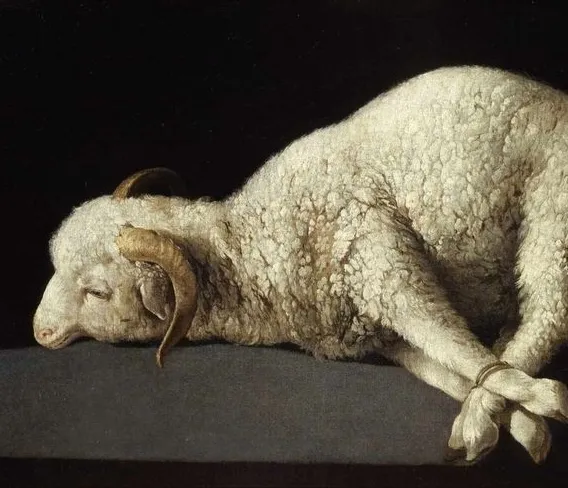
Lamb - first frame

First frame: Lamb

Tiger - last frame

Last frame: Tiger

First/last frame interpolation creates compelling transformation sequences that would be difficult to achieve with traditional video generation methods.

Take a look at this magical room transformation.
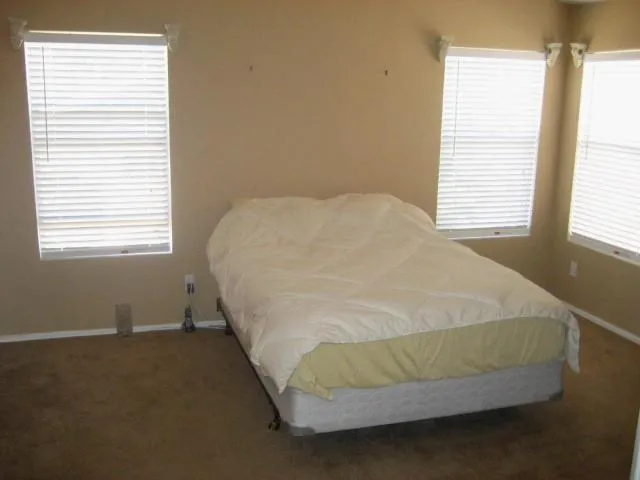
Room before transformation

Before

Room after transformation

After

Stagers and interior designers, are you feeling inspired?

This feature is particularly useful for creating videos with specific start and end points, giving you precise control over the narrative arc.

Enhanced Image to Video

The classic image-to-video functionality has been improved in Veo 3.1, offering better quality and more responsive prompt following.

How It Works

Provide a single starting image and a text prompt describing the desired motion or action. The model generates video content that begins with your image and follows your prompt instructions. We’ve also noticed that there is knowledge baked into the video model as it is able to reason from inputted images.

Here’s a cool example where we took an input image of our HQ on maps and asked it to show what goes on in the location:

Veo 3.1’s enhanced image-to-video feature includes intelligent logic that creates fluid transitions. The model understands the content of your input image and generates motion that feels natural and purposeful.

There was no need to prompt for a specific transition here — Veo 3.1 was able to pick up on the information in the image and transition to an appropriate video sequence that makes contextual sense.

Fast Versions Available

All endpoints except reference to video offer fast generation options:

  • Speed: Under 60 seconds vs. ~90 seconds for standard
  • Cost: Approximately half the price of standard generation
  • Quality: Slightly reduced but still high-quality output

Getting Started with the API

Here’s how to call Veo 3.1 using JavaScript and the Replicate API:

Basic Image to Video

Reference to Video with Multiple Images

First and Last Frame

The API returns a video URL that you can use in your applications. We definitely recommend those with generative video apps to make the switch — Veo 3.1 offers extremely powerful capabilities that will wow your users.

That’s it with Veo 3.1! Give it a try — we want to see what you can create.