

惯性聚合 高效追踪和阅读你感兴趣的博客、新闻、科技资讯
阅读原文 在惯性聚合中打开

推荐订阅源

Threat Intelligence Blog | Flashpoint
Exploit-DB.com RSS Feed
The Last Watchdog
The Last Watchdog
K
KPMG report finds enterprise disconnect between AI and its ROI | CIO
T
Troy Hunt's Blog
L
LINUX DO - 最新话题
C
Check Point Blog
T
Threat Research - Cisco Blogs
OSCHINA 社区最新新闻
OSCHINA 社区最新新闻
罗磊的独立博客
V
Vulnerabilities – Threatpost
cs.CV updates on arXiv.org
J
Java Code Geeks
Apple Machine Learning Research
大猫的无限游戏
大猫的无限游戏
S
Security @ Cisco Blogs
IT之家
IT之家
T
The Exploit Database - CXSecurity.com
The GitHub Blog
The GitHub Blog
D
Docker
Engineering at Meta
Engineering at Meta
AWS News Blog
AWS News Blog
S
Security Affairs
U
Unit 42
P
Palo Alto Networks Blog
V
Visual Studio Blog
Y
Y Combinator Blog
D
DataBreaches.Net
Forbes - Security
Forbes - Security
阮一峰的网络日志
阮一峰的网络日志
美团技术团队
Security Latest
Security Latest
aimingoo的专栏
aimingoo的专栏
Simon Willison's Weblog
A
Arctic Wolf
博客园_首页
钛媒体:引领未来商业与生活新知
钛媒体:引领未来商业与生活新知
H
Hacker News: Front Page
博客园 - 司徒正美
博客园 - Franky
宝玉的分享
宝玉的分享
TaoSecurity Blog
TaoSecurity Blog
Latest news
Latest news
Scott Helme
Scott Helme
MongoDB | Blog
MongoDB | Blog
量子位
cs.AI updates on arXiv.org
C
Cisco Blogs
P
Privacy International News Feed
Application and Cybersecurity Blog

Marketing, Brand, Advertising, Digital Marketing, Retail, Shopping | The HinduBusinessLine

Has your brand become an everyday habit? Cannes dichotomy: The lion and the login screen Private radio’s fight to get its voice heard Red hot mystery We are nearing a fair value zone, says Elara Capital's MD, Harendra Kumar The changing Indian kitchen countertop Brands and the beautiful game India fails to roar Gujarati movie Laalo’s word-of-mouth ascent to blockbuster status Celebrating the iconic Bengali brands The cockroach brief: Why virality is not a marketing strategy Nike rips the script We’re increasingly acting as consultants rather than just advertisers: Innocean COO Sirona’s Act II: Breaking more taboos The ASCI report is an uncomfortable but necessary reading: Chtrbox head Raj Mishra Bapu and Bajaj Prices are going up, so let’s buy lots more! Coming up next, the AI political candidate? The beauty category’s big transformation The future of shopping India’s first denim brand gets a Gen-Z makeover ‘Helping out’ is not enough The hot seat Adobe’s brand visibility tools for an AI-powered world Ikea’s omni-channel retail transformation Gen-Zers and their extraordinary new/old pastimes Steering a new course, wearing a little magic and Tvarra Weaving together ITC Fiama is lathering up its premium reach Iran just won the (meme) war How creators are making curiosity cool Ballooning up Taking a sweet break Hansa’s second act for a scroll-first audience Inside Kerala’s meme-fuelled poll battle Authenticity and influence Fandom economy Sustainability, spirituality and a good sleep Spykar’s cut Green, gourmet and regional: Flavours of the AAHAR 2026 exhibition Another brick in the (fire)wall Goafest dates announced The changing face of loyalty and rewards Dennis the Menace and the simple joys of childhood How millennials and Gen Z are redefining timekeeping Carefree celebration Well paired! ‘Profit-ad spend link appears broken’ Behind the scenes, the quiet threshold moments at the AI Impact Summit Quick commerce fires up ad industry A new ‘brand’ of B-school comes to Bengaluru The next 10 years in advertising Of culture, collaborations and commerce ‘Our college campuses are with us forever’ Claude vs ChatGPT Painting 50 years of stardom AI Impact Summit: What’s in it for the Indian start-up ecosystem Why building fandoms, not funnels, matters in the Gen Z era For marketers, the New Year begins in the third week of January A new sparkle in oral care, as it moves beyond hygiene to aesthetic needs Baking evergreen loyalty with cakes, puffs and khara buns Scent of soil Analytics fuels surge in market research The zeitgeist... in 2026 words for 2026 The best of times, and the worst of times... to come Inclusive journeys Not quite black-and-white The ‘going out’ economy Dentsu India’s true eigyo pitch to CMOs GST, GenZ, AI and a man named Piyush Pandey Moving ahead with AI Human connection, crafted by Piyush Pandey Daggers drawn between AI evangelists and doomsayers When bio-hacking enters the supermarket aisles Apps — billboards under your thumb Imprinting their way into readers’ minds Fanning loyalty The first season is always the most difficult to get past: Raj Nayak Volkswagen: Driving a goofy viral trend Falling in love with tea, all over again How digital marketing is incomplete without the Piyush Pandey doctrine Algo branding: Simplify and surprise New youth labels, pop-ups, stories that are wooing Gen Z Desi ‘horror’ takes hold on ads The Great Indian LinkedIn Circus — of uplift, hustle and performance art How byproduct brands valorise waste in a virtuous cycle The circle of generosity The festival of lights is also a celebration of mithai When brands think out of the box for a Diwali sparkle The drawer economy Tea industry bets on repositioning the brew to woo Gen Z
Lego aces, brick by brick, in the age of Nvidia
By Harish Bhat · 2026-04-06 · via Marketing, Brand, Advertising, Digital Marketing, Retail, Shopping | The HinduBusinessLine
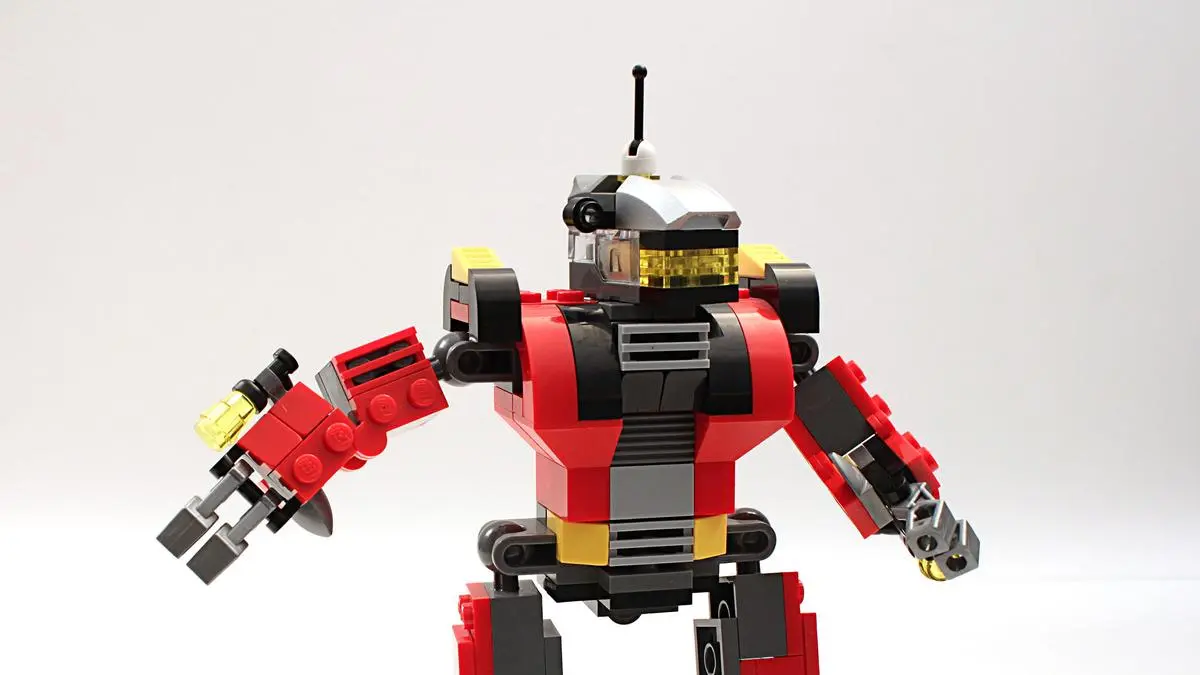
Ninety-year-old Lego is the fifth strongest brand in the world

Ninety-year-old Lego is the fifth strongest brand in the world | Photo Credit: cjmacer

Each year, I look forward to the report on the world’s most valuable and strongest brands, published by Brand Finance, a respected brand valuation consultancy firm. Here are some of the top conclusions of the 2026 report:

Apple, Tata and NVIDIA

Apple remains the world’s most valuable brand, while Tata retains its top spot in India. Both these iconic brands have strengthened their valuations this year, through a consistent focus on their core purpose and by enhancing the trust and love they have earned among millions of customers.

Nvidia’s brand value has more than doubled since last year, and it is now the fifth most valued globally. This is an amazing rise in a single year, making it more valuable than Facebook and Walmart. Clearly, Nvidia’s rise signals the age of artificial intelligence, which is now upon us.

Of the top eight — Apple, Microsoft, Google, Amazon, Nvidia, Tik Tok, Walmart and Samsung — seven are native technology brands, with Walmart being the sole exception.

The report also lists the world’s “strongest” brands, which is quite different from the “most valuable” brands. These brands enjoy the strongest brand perception, which leads to the best outcome on customer behaviour. The five strongest brands are YouTube, WeChat, Microsoft, Google and Lego.

While many of these headlines are not surprising, I would like to dwell on some of the traditional brands — such as Lego, Walmart, Deloitte and Michelin — that truly surprised me with their resilience and strength in a world dominated by the rise and rise of AI.

Playing with LEGO

Lego is more than 90 years old, yet this toy maker holds its own as the fifth strongest brand in the world. It draws high admiration and enjoys a huge reputation. How does a toy brand manage this? First, it appeals both to children and adults, through toy sets of different complexities. As the Brand Finance report points out, familiarity of toy brands generally falls among older groups. Defying this trend, Lego has a familiarity of 86 per cent even among 55- to 64-year-olds. To bolster this inter-generational appeal, Lego has developed strategic partnerships with popular brands such as Ferrari and Harry Potter. It has also built deep emotional links with its customers, based on the timeless human desires of creativity, imagination and joy. Here is a case-study in marvellous brand reinvention, particularly given that Lego was virtually bankrupt just about 20 years ago.

Shopping at Walmart

Walmart is not as old as Lego, but still grey-haired at 64. Until around 15 years ago, it was slotted in our minds as a “traditional retailer” in a world overtaken by e-commerce. However, Walmart has evolved to become even more robust during the past few years. It began life with a hugely appealing consumer value proposition of “everyday low prices”, backed by a strong supply chain and economies of scale. In the past decade, it also added “convenience” through its successful e-commerce business, powered by a treasure trove of data and thousands of its own stores as fulfilment centres. Its market capitalisation recently touched an astronomical $1 trillion.

Resilience of brands

Marketers may wish to study what has contributed to the continuing strength of traditional brands.

A big takeaway for me from the Brand Finance report is that, while native digital and AI brands currently enjoy a tailwind, the stars of our brand universe include many traditional names that have built and evolved sharp and compelling customer value propositions. In the final analysis, this is what matters the most.

(Harish Bhat is an avid marketer and bestselling author)

More Like This

Published on April 6, 2026