


惯性聚合 高效追踪和阅读你感兴趣的博客、新闻、科技资讯
阅读原文 在惯性聚合中打开

推荐订阅源

奇客Solidot–传递最新科技情报
奇客Solidot–传递最新科技情报
Jina AI
Jina AI
博客园 - Franky
Apple Machine Learning Research
酷 壳 – CoolShell
酷 壳 – CoolShell
阮一峰的网络日志
阮一峰的网络日志
量子位
雷峰网
雷峰网
宝玉的分享
宝玉的分享
V
Visual Studio Blog
博客园_首页
小众软件
小众软件
The Cloudflare Blog
让小产品的独立变现更简单 - ezindie.com
大猫的无限游戏
大猫的无限游戏
博客园 - 聂微东
S
SegmentFault 最新的问题
博客园 - 【当耐特】
OSCHINA 社区最新新闻
OSCHINA 社区最新新闻
博客园 - 叶小钗
月光博客
月光博客
博客园 - 三生石上(FineUI控件)
人人都是产品经理
人人都是产品经理
WordPress大学
WordPress大学

Futurism

SpaceX Stock Has Officially Fallen All the Way Down to the Low $170s SpaceX Stock Had Quite a Bad Night Wall Street Terrified That SpaceX Investors Will Dump Their Stocks SpaceX Stock Now in Rapid Decline SpaceX Stock Has Now Started to Fall Scientists Propose That Entire Universes Can Form Inside Collapsing Stars NASA Loads Moon Rocket onto Giant Trump-Branded Train Eighty Residents Sue SpaceX, Saying Elon Musk’s Constant Rocket Launches Are Literally Destroying Their Homes SpaceX’s IPO Shows That We Aren’t Even Close to Peak AI Bubble The More Data We See About SpaceX’s IPO, the More We’re Wincing Scientists Discover Fearsome Wind That Destroys Entire Galaxies NASA’s Next Moon Mission Is a Rube Goldberg Machine of Corporate Failure Points Scientists Release Results After Scanning 3I/ATLAS for Alien Signals The Math on SpaceX’s IPO Is Virtually Impossible Astronomers Say Star Self-Destructed So Catastrophically That It Left Behind No Trace of Its Existence Catholic Church Boots Exorcist After He Said UFOs Are Demons NASA’s James Webb Discovers That 3I/ATLAS Let One Rip as It Passed Through Solar System Scientists Find Chunk of Lost Planet in Desert It’s Possible That SpaceX Could Collapse Spectacularly ISS Astronauts Ordered to Enter Evacuation Mode SpaceX Is Massively Overvalued Ahead of Its IPO, Analysts Find Paper Claims the “Asteroid” Japan’s Probe Is Approaching Is Actually a Derelict Spacecraft Trump Shovels $4 Billion Directly to Elon Musk, Who Spent a Fortune Getting Him Elected Scientists Say They’ve Cracked Mystery Behind a Dozen Strange Signals From Deep Space Scientists Spot What Appears to Be a Ring-Shaped “Planet Factory” Deep Out in Space Scientists Say They’ve Found Fungi That Turn Dead Martian Soil Into Fertile Cropland The Blue Moon Is Fake. You Are Being Deceived Jeff Bezos’ Rocket Explodes Into Mushroom Cloud, Dealing Massive Blow to NASA’s Moon Plans Elon Musk Furious at Starlink Being Used for American Suicide Drones NASA Releases Sweeping Plans for Moon Base
We’re In Utter Disbelief About the Photos the Moon Astron...
2026-04-07 · via Futurism

Here are some of the most spectacular snapshots NASA recently received from the crew of its Artemis 2 mission.

NASA

Sign up to see the future, today

Can’t-miss innovations from the bleeding edge of science and tech

On Monday, the four crew members of NASA’s Artemis 2 mission made history, officially breaking the record for the farthest any human has ever traveled from Earth, at an astonishing 252,752 miles from home.

At the time, the crew’s capsule was swinging around the Moon before starting its multi-day return journey, offering the astronauts some truly astonishing views. The team spent many hours using both professional-grade photography equipment — as well as their iPhones — to capture the exceedingly rare moment, from a dazzling “Earthset” to a total solar eclipse that lasted nearly an entire hour.

The team was extensively coached on how to take these pictures and what to look out for as they gazed at the rugged surface of the Moon through Orion’s windows. It was a highly organized “seven-hour lunar observation period,” as NASA notes, with the crew dividing into pairs. Two crew members observed for 55 to 85 minutes at a time, “while the other pair exercises or works on other tasks.”

Here are some of the most spectacular snapshots NASA recently received from the historic flyby.

Earthset

One particularly impressive image shows the Earth, half plunged into nighttime, peeking out from behind the cratered lunar surface. It’s essentially the equivalent of a sunset as seen from Earth, except that it’s the entire Earth setting below the horizon of the Moon, hence NASA’s use of the word “Earthset.”
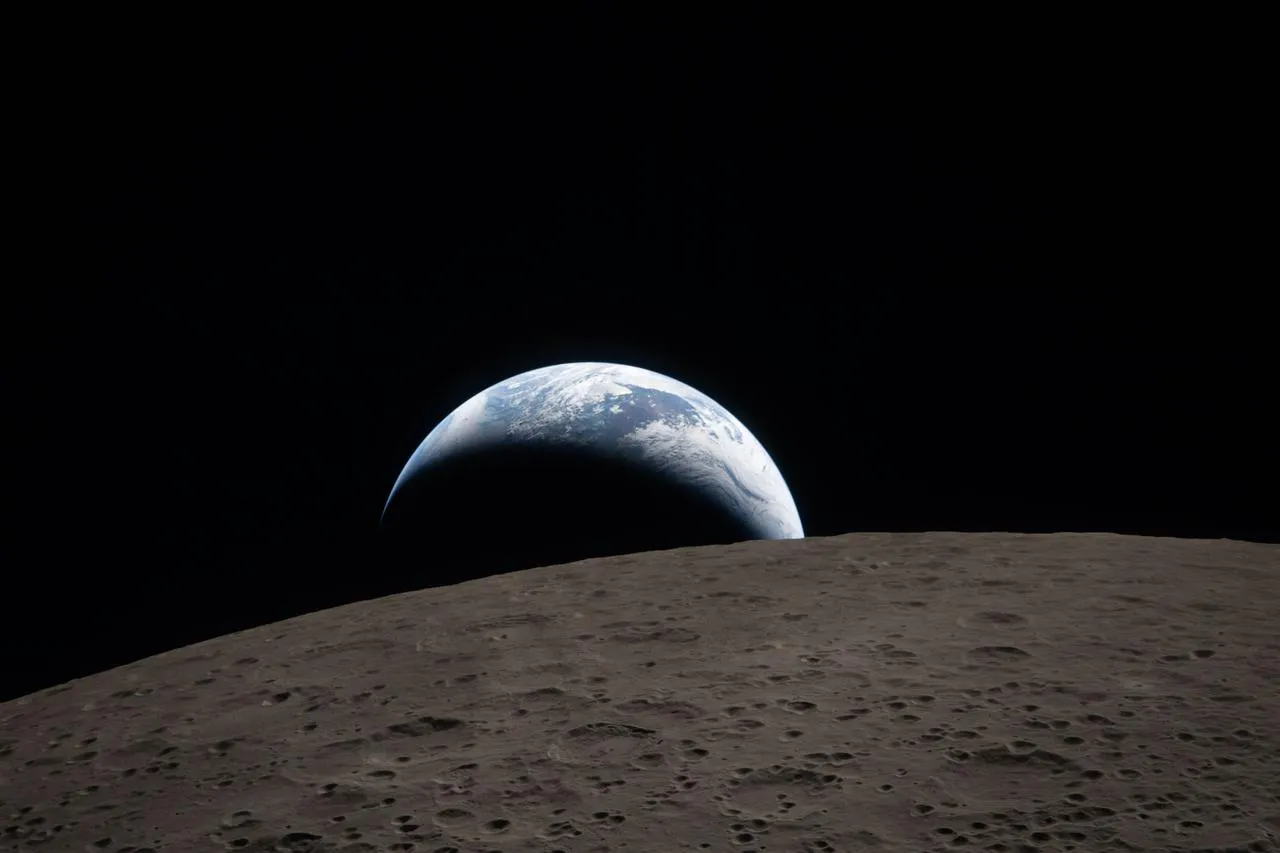
Earthset captured through the Orion spacecraft window at 6:41 p.m. EDT, April 6, 2026, during the Artemis II crew’s flyby of the Moon.

Total Solar Eclipse

Another photo captures the total solar eclipse the crew was beholden to for a stunning 54 minutes as the Moon fully eclipsed the Sun from their perspective. The image shows the Sun’s corona in the form of a “halo around the dark lunar disk,” as NASA explains.
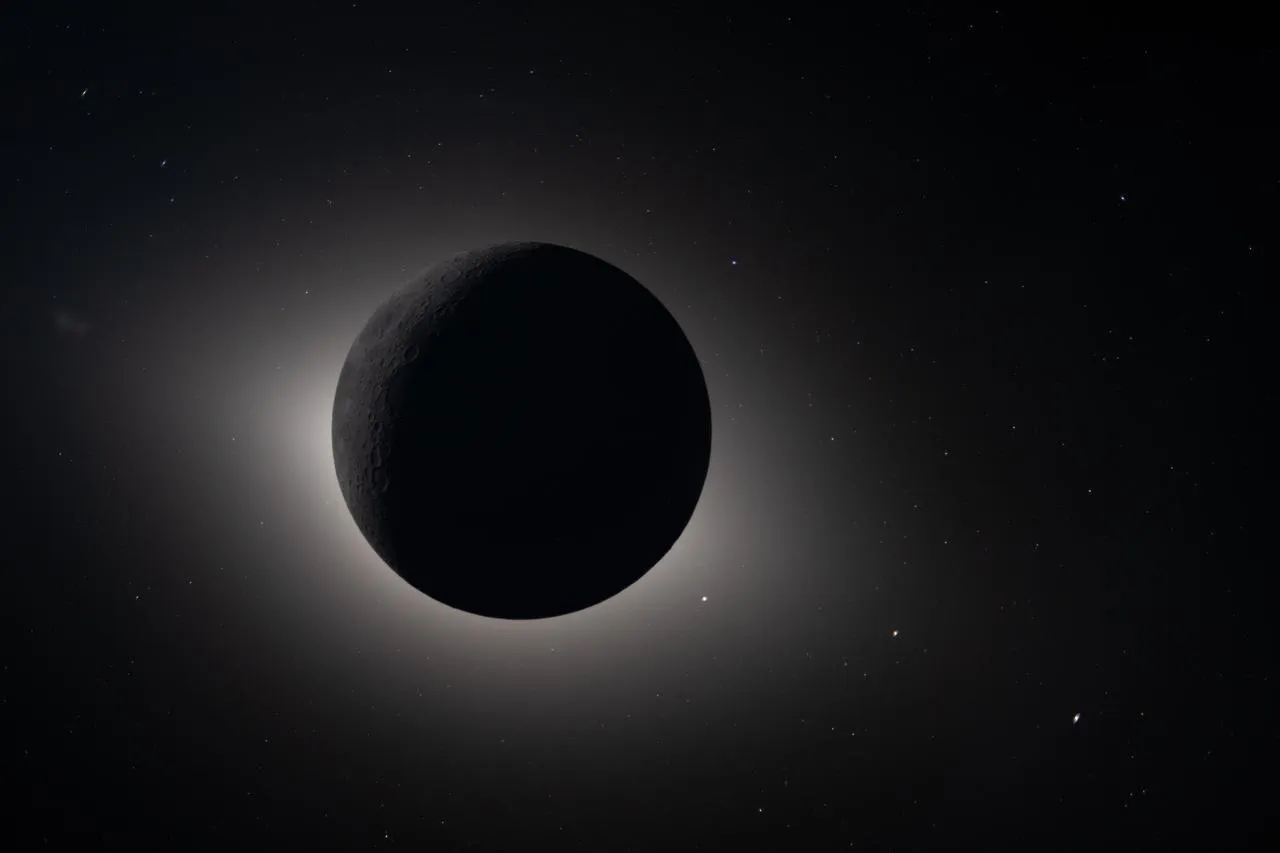
The total solar eclipse the crew of NASA's Artemis 2 mission was beholden to for a stunning 54 minutes as the Moon fully eclipsed the Sun from their perspective.

Eclipse Selfie

The prolonged eclipse forced the crew to don eclipse glasses, much like the ones we wear during the (much shorter) total solar eclipses on Earth, as seen in an iPhone 17 Pro selfie seemingly taken by NASA astronaut and mission commander Reid Wiseman.
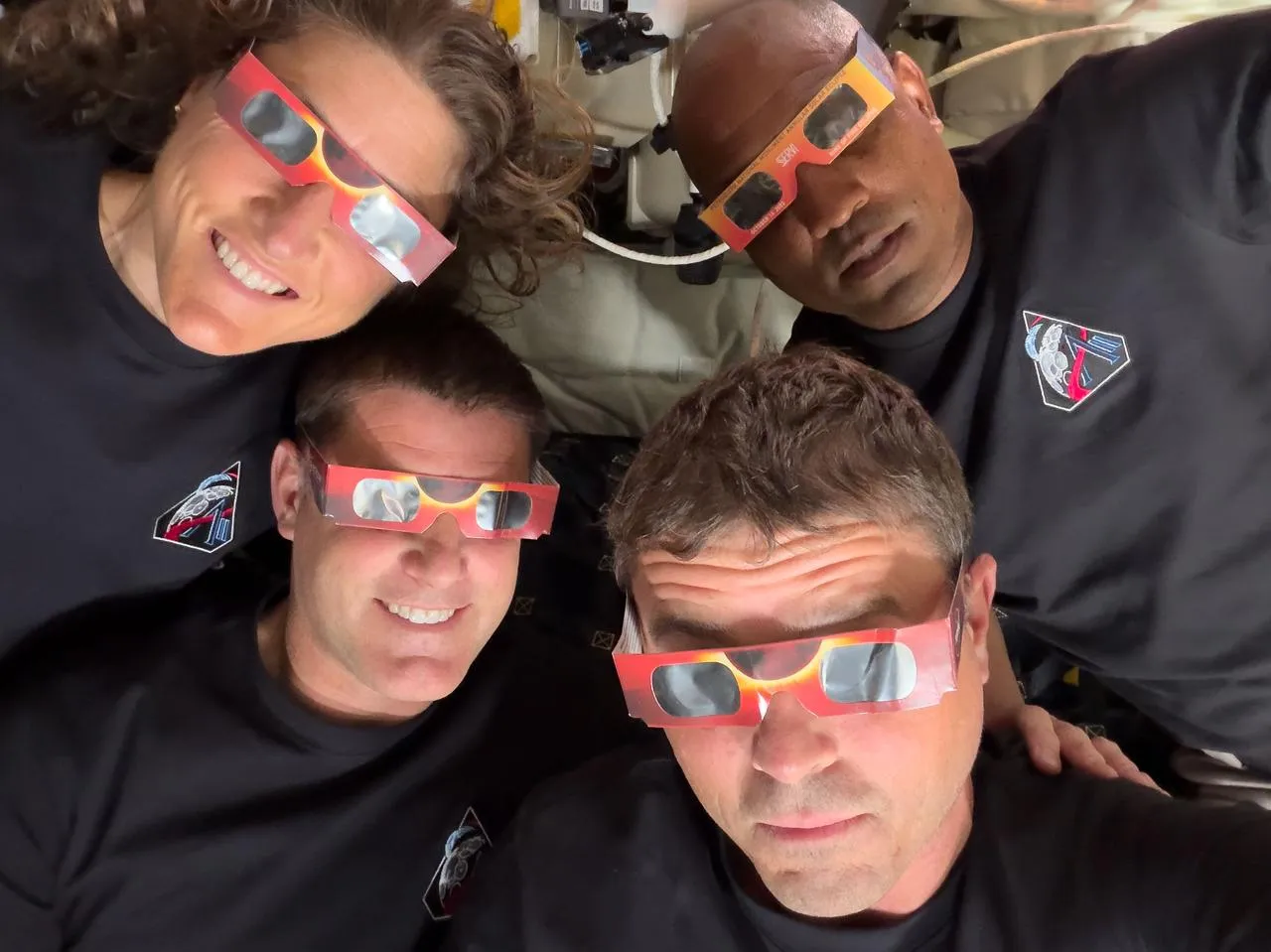
The prolonged eclipse forced the crew to don eclipse glasses, much like the ones we wear during total solar eclipses on Earth, as seen in an iPhone 17 Pro selfie.

South Pole

The crew were also treated to an extremely close view of the eastern edge of the Moon’s South Pole-Aitken basin, a region of particular interest as NASA is eyeing it as a place to land during its first crewed mission to the lunar surface. The Aitken basin is the largest impact crater on the far side of the Moon, measuring around 1,600 miles in diameter.
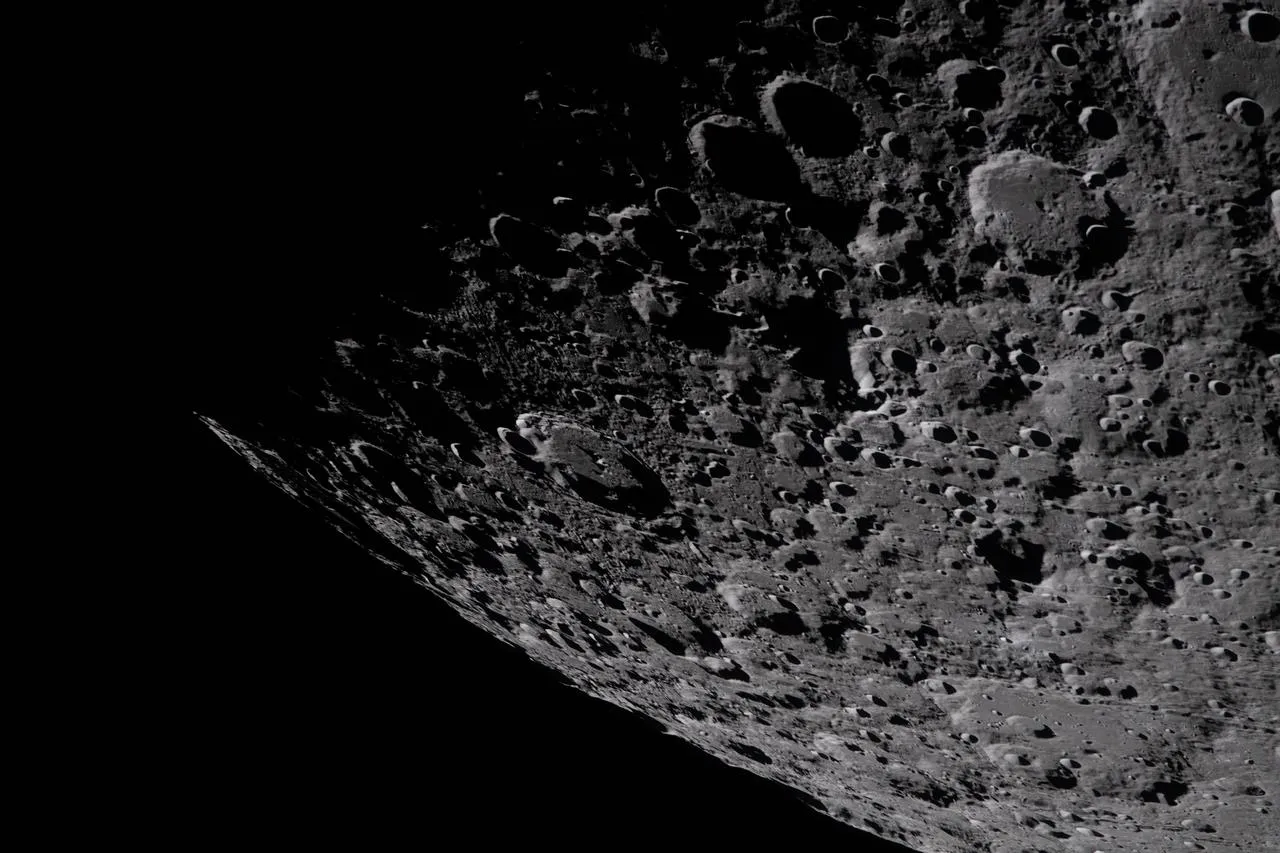
An extremely close view of the Moon's south pole, a region of particular interest as NASA is eyeing it as a place to land during its first crewed mission to the lunar surface.

Orientale Basin

The crew also got a perfect look at the Orientale Basin, a “black patch of ancient lava in the center that punched through the Moon’s crust in an eruption billions of years ago,” per NASA. It measures roughly 600 miles across and lies in the transition between the Moon’s far and near sides.
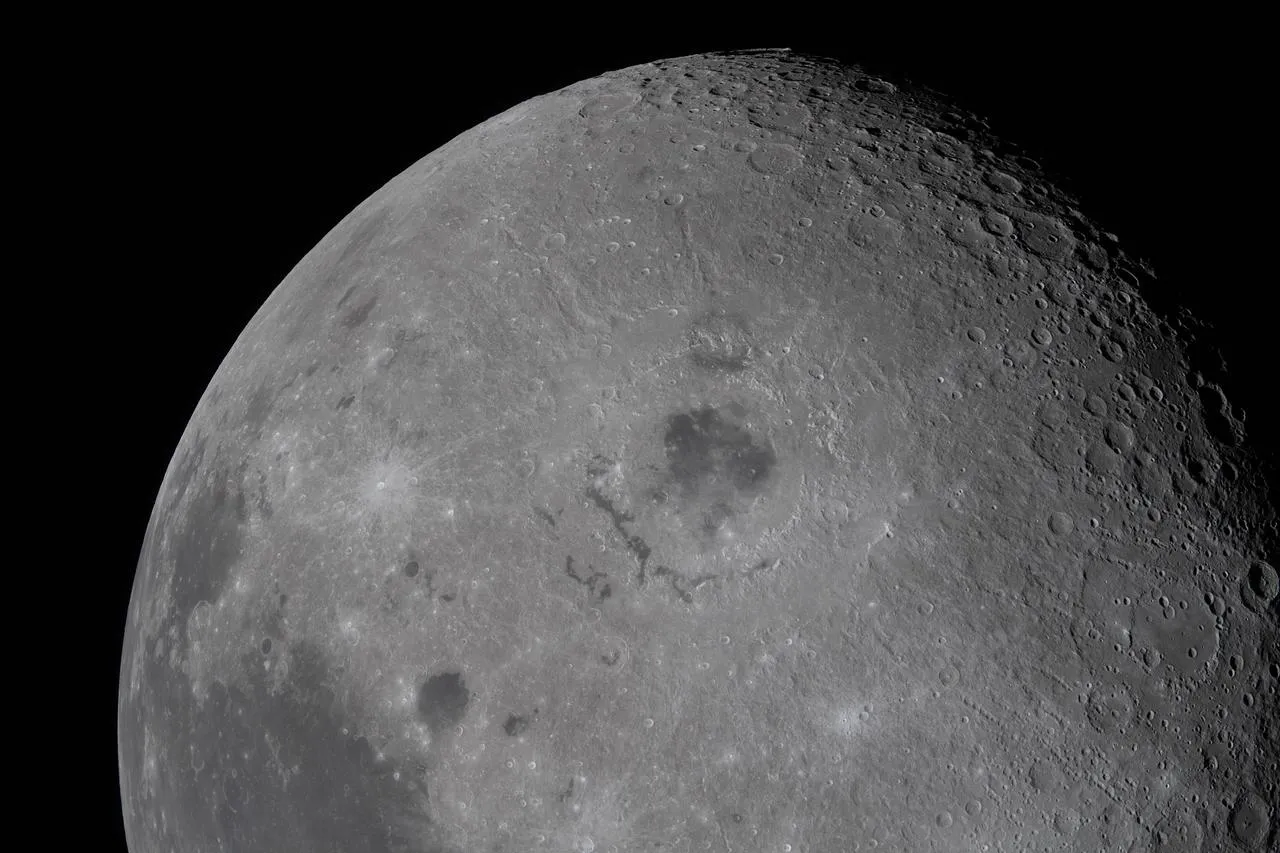
The crew got a perfect look at the Orientale basin, a "black patch of ancient lava in the center that punched through the Moon’s crust in an eruption billions of years ago," per NASA.

Earthrise

At 7:22 pm Eastern time, the crew saw the Earth emerging once more from behind the Moon, an otherworldly “Earthrise” that few will ever get to experience in their lifetimes.
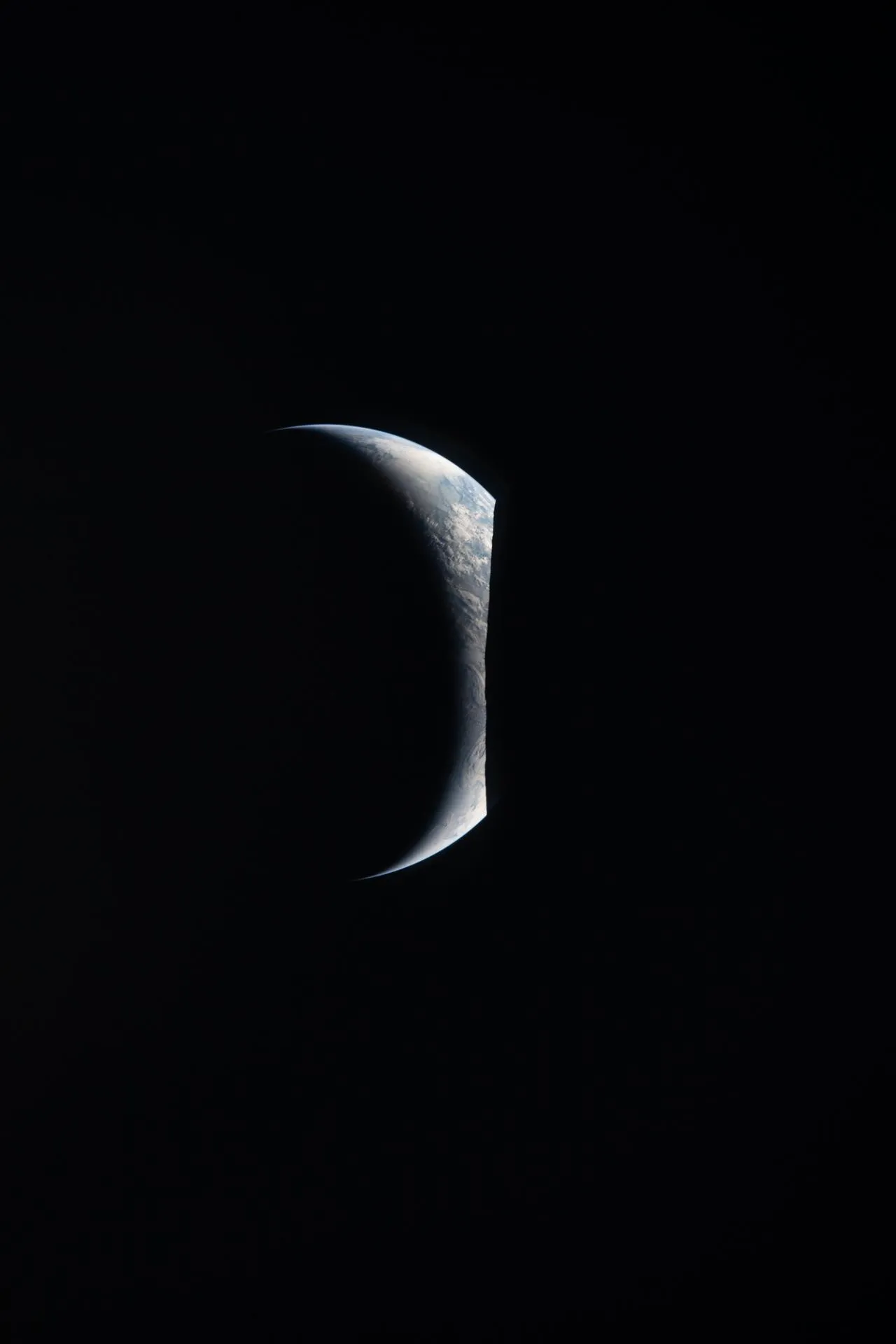
At 7:22 pm Eastern time, the crew saw the Earth emanating once more from behind the lunar surface, an otherworldly "Earthrise" that few will ever get to experience in their lifetimes.

Total Eclipse Redux

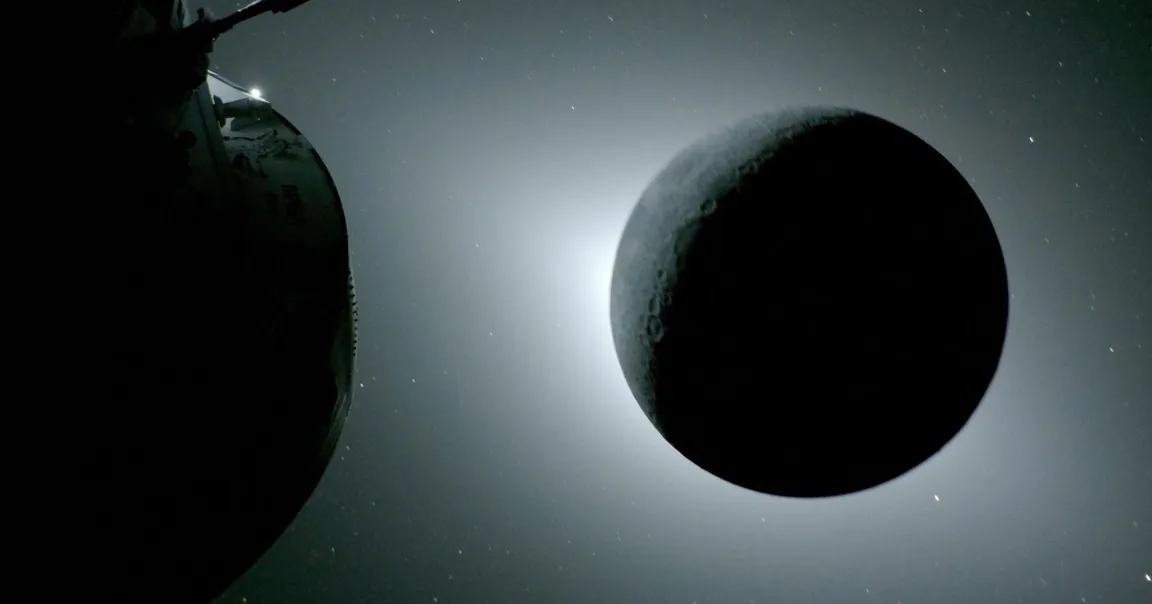
The Orion capsule’s exterior camera, which is attached to the spacecraft’s solar array wings, snapped an equally impressive shot of the total solar eclipse, as seen in this eerie photo.

“The bright spot visible just below the Moon’s bottom right edge is Saturn,” NASA notes.
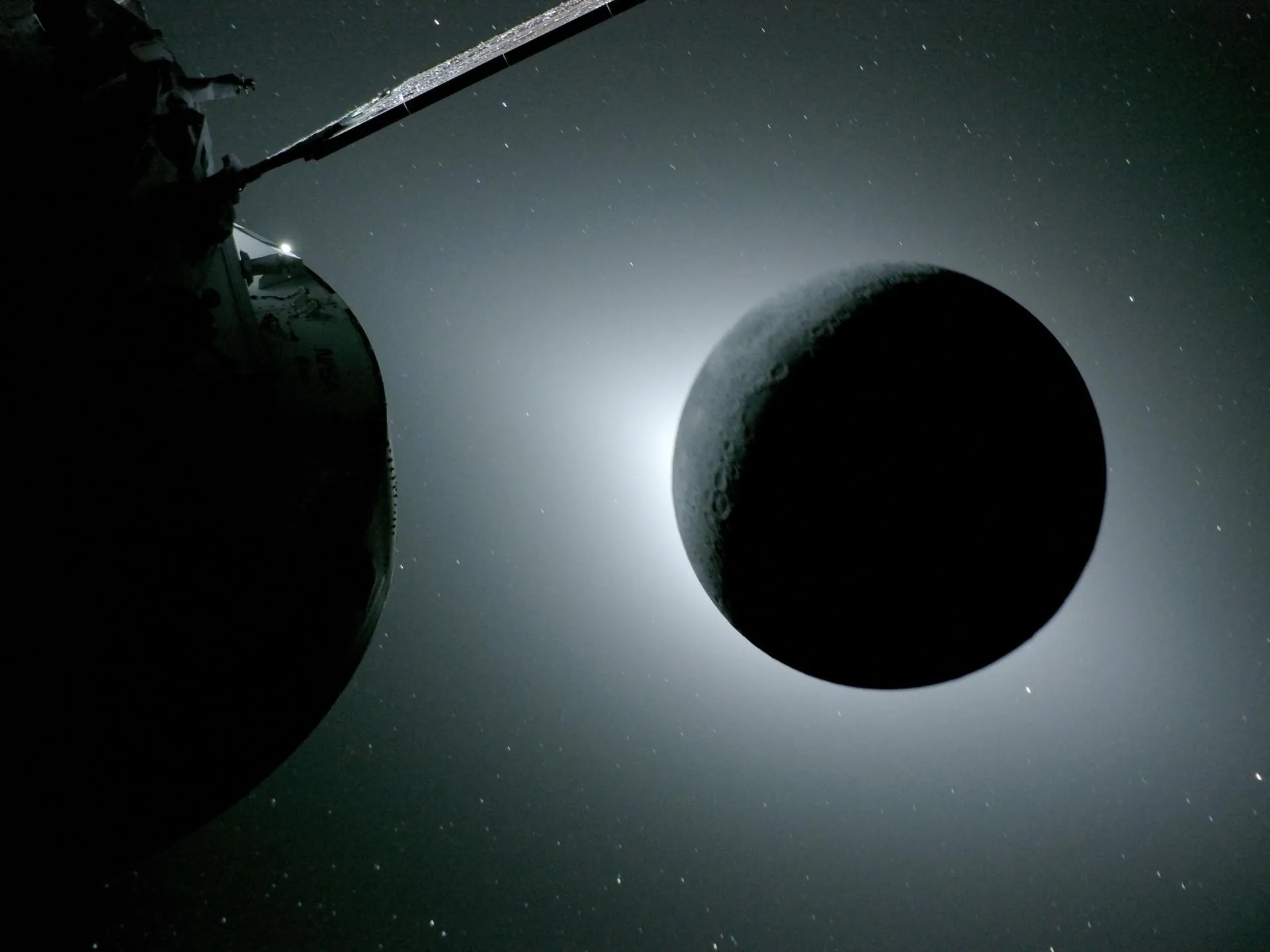
The Orion capsule's exterior camera, which is attached to the spacecraft's solar array wings, snapped an equally impressive shot of the total solar eclipse, as seen in this eerie photo.

Return Journey

The team is expected to reenter the Earth’s atmosphere on Friday evening, a harrowing maneuver that will involve it crashing into our planet’s protective layer at a speed of 25,000 mph, while Orion’s heat shield reaches temperatures over 3,000 degrees Fahrenheit.

If all goes well, the crew will splash down in the Pacific Ocean, concluding one of the best and rarest photo opp journeys in human history.

More on the mission: The Moon Astronauts Just Broke the Record for the Farthest Any Human Has Ever Traveled From Earth