








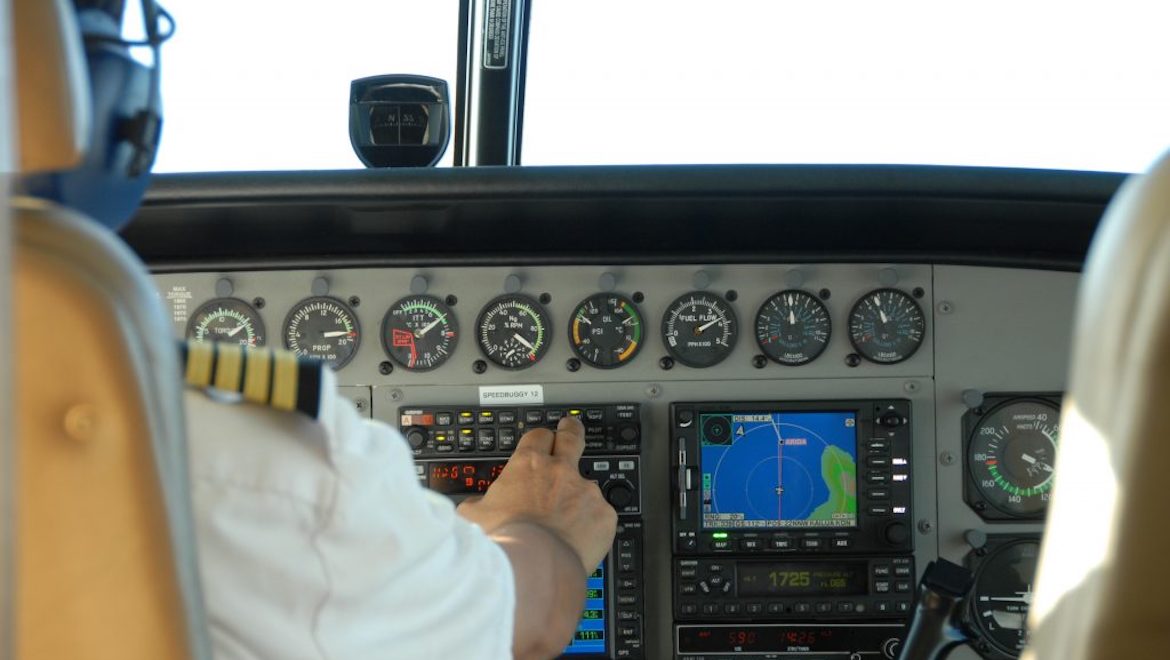
Airline regulators are pushing for changes to the rules regarding the number of pilots required to be in the cockpit during flight.
Regulators are seeking changes that will allow flights with one pilot in the cockpit of passenger jets instead of the usual two.
Over 40 countries including Germany, the UK and New Zealand have asked the United Nations body that looks after aviation standards to make single-pilot flights a reality.
With the rising crew shortages around the world and the industry desperately trying to rebuild after the pandemic, single-pilot flights would significantly lower costs and ease crew pressures.
The European Union Aviation Safety Agency (EASA) has been working with aircraft manufacturers to determine how single-pilot flights might operate and to establish a set of rules to be put in place to make the flights safe.
A safety risk assessment of single-pilot flights is currently underway to manage issues such as fatigue and comfort breaks for pilots during flights.
The suggestion hasn’t struck a chord with pilots or their passengers however, with concerns around flight safety and more importantly, safety in the case of an emergency.
Tony Lucas, an Airbus A330 captain for Qantas and president of the Australian and International Pilots Association raised the concern that a lone pilot may become overwhelmed by an emergency.
“The people going down this route aren’t the people who fly jets every day … When things go awry, they go awry fairly quickly,” he said.
His concern also surrounds the time it would take for another to respond in an emergency situation in order to help, which has happened in the past on board Air France flight 477 en route to Paris from Rio de Janeiro on 1 June, 2009.
Two co-pilots in the cockpit started to receive faulty speed readings from frozen detector tubes on the outside of the aircraft. The captain, who was on break at the time, took only 90 seconds to get back into the cockpit to help with the situation.
By this time, however, the plane was in an aerodynamic stall and the aircraft never recovered, crashing three minutes later and leaving no survivors.
Lucas also raised the issue that single-pilot flight would take away from the learning opportunities of junior pilots who receive so much of their practical training while in the skies.
It will still be years until single-pilot flights may become a reality, with the EASA setting 2027 as the expected timeline for an outcome. In the meantime debates about safety and emergency risk factors will continue to take place over the coming years.
