









My dopamine culture essay is still stirring up lots of discussion. And people have their own stories to share.
For example:
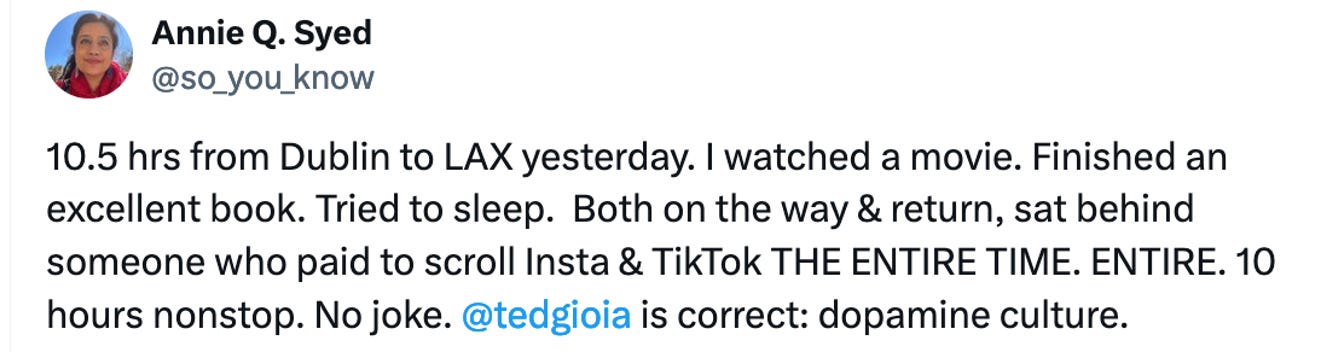
And also:

The same thing is happening everywhere—at concerts, at museums, at work, at church, while driving, or even at a funeral.
But it’s even worse when people don’t even try to multitask, instead abandoning essential life tasks—because of the compulsion to scroll.
I’ve now heard from
People who scroll instead of sleeping
People who scroll instead of engaging in physical activity
People who scroll instead of finding a life partner, or connecting with flesh-and-blood people
People who scroll instead of gaining skills, finding a job, and pursuing a vocation
Etc.
I originally focused on the impact on arts and creativity—because that’s the world I live in. I was worried that people had no patience for a movie or concert or book, because they can only digest stimuli in 15-second bursts.
But I now see that the problem is much, much bigger.
It’s almost quaint to worry about these screen zombies not reading books. The simple fact is that, increasingly, their entire life is suffering because of a technology shift imposed on them by Silicon Valley.
These addictive and compulsive behaviors are troubling. But even more disturbing is how the largest corporations in the world are investing billions in promoting and accelerating this compulsive use of their tech tools.
If you look at the 10 largest companies in the world, half of them are trying to create this addictive relationship to technology. The days when the dealer in addiction had to hide in the shadows are over. They now operate freely in your home, and every other sphere of your life.
A few days ago, I promised to offer concrete suggestions for dealing with this. Some of these are listed below.

But my goals here are very limited—we can’t change the world. So I am speaking to you person-to-person about what we can change in our own lives.
I also want to be practical. I refuse to go full Amish. I’m certainly no Luddite. So I won’t ask you to throw away your phone, or move to a remote farm in Uzbekistan.
I recognize the benefits of healthy innovation, but I’m forced to take a tough stance because technology is actually eroding before our eyes. I recently looked at how search engines perform worse over time—they now deserve to be called search-and-destroy engines. The same degradation is happening at Facebook, Apple, Twitter, and dozens of other tech behemoths.
These businesses are obsessed with controlling users in the most manipulative ways possible. This is not the purpose of tech. It has never been the purpose of tech—which should empower and enhance our lives, not force us into digital bondage.
I will have plenty more to say about this in the future. I’ve only scratched the surface so far.
But today I want to focus on more positive things.
Here’s what we can do to have a healthier relationship with technology.
Even the guy who invented the infinite scroll later regretted it. These interfaces are not designed to help you—swiping and scrolling are rarely the best ways to do anything. They aren’t designed to solve your problem, but actually aim to prevent closure, and create an illusion that there are still infinite choices available to you.
This is related to a problem known as the dating app paradox
The dating app does not make money from you finding a life partner—it needs you to keep looking, so the app provider can hold on to you as a recurring customer. These companies actually get rewarded by delivering the opposite of what they promise.
That’s always been a problem with dating services. But now every company is doing the same thing. They avoid closure in order to keep you scrolling, and thus maximize their income.
Don’t let them do this to you. We all have other options, better options. And it starts with the nature of the interface.
I was never a Boy Scout (I’ll save that story for another day), and rarely regretted it. Except for one thing—I liked the idea of merit badges. You earned one by going out into the world and developing some new skill in dealing with it.
So you might learn fishing, climbing, gardening, first aid, photography, archery, rowing, backpacking, and a bunch of other things.
Those were the apps before we had apps.
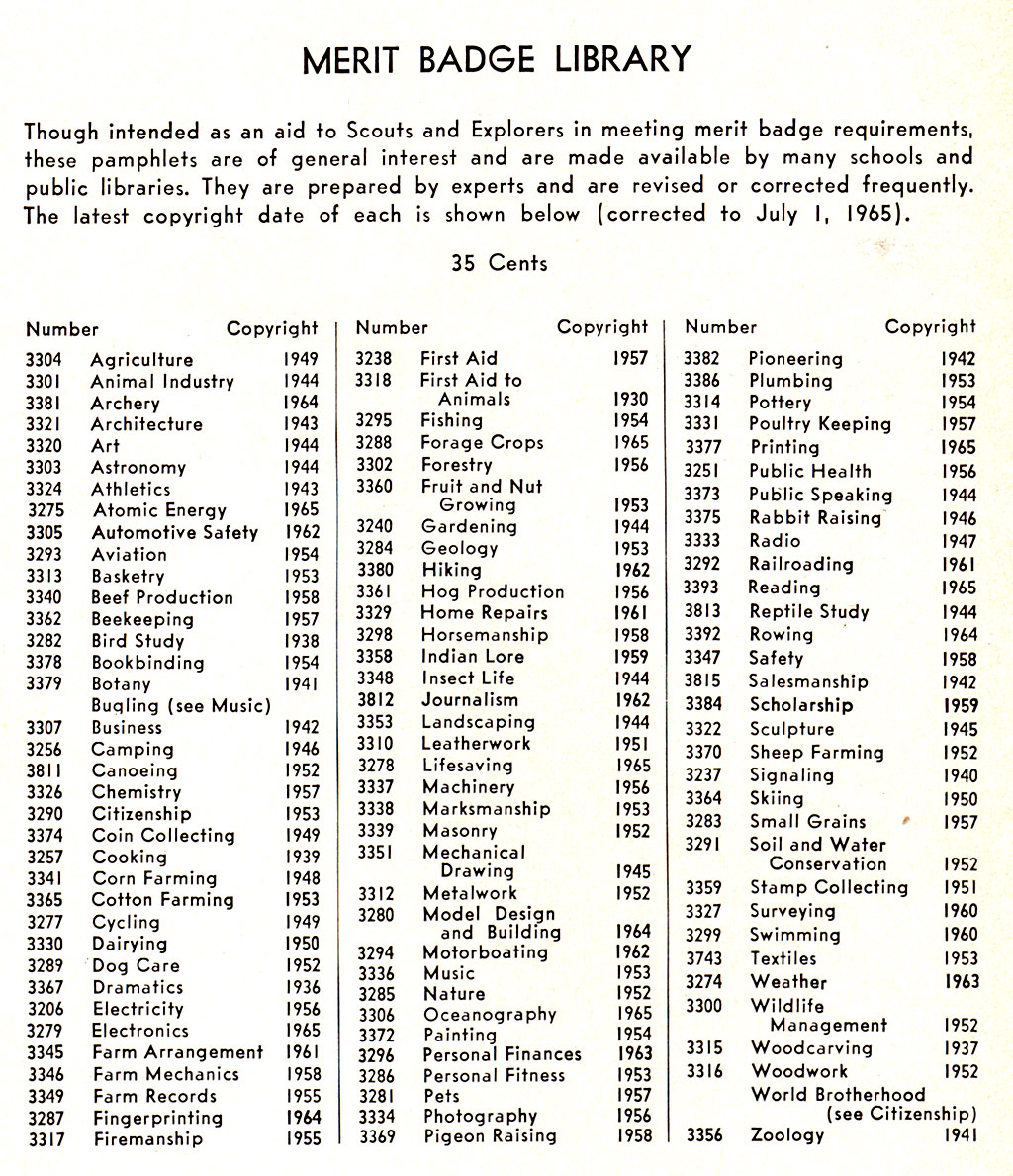
They are all still available to you, every one of them. And you don’t need to wear a scout uniform—but, hey, don’t let me stop you from adding a cosplay element.
And if you’re not really into outdoors stuff, you can find indoor alternatives—cooking class, reading club, yoga, drama, whatever.
This is the real world. This is how you develop confidence and mastery in it. And it’s more than just learning skills—doing these things also connects you with your community and other people. No app will ever match this kind of personal empowerment.
Even before this scroll-and-swipe mania, I was telling people they should listen to longer music tracks—at least ten minutes in duration. I’ve also shared stories about my own immersive sonic experiences, for example my afternoons with the singing bowl lady.
I originally got this idea from researching the practices of shamans around the world. I noticed that it typically took 10-15 minutes of drumming or singing before the shaman entered an altered mindstate. I later gathered scientific evidence from other fields (neuroscience, biology, etc.) that also suggested a ten minute threshold.
This probably applies outside of music, too. A short TikTok video will never impact you like a full-length movie. The same is probably true of dancing or reading or whatever.
I am compiling a list of immersive musical works—which I will share in the near future. This is music that will swallow you up for 40-50 minutes or longer. You do yourself a favor by setting aside time for these encompassing aesthetic experiences.
Try it out yourself. Spend an hour or so in intimate reveries with immersive works such as John Luther Adams’ Become Ocean or Fela Kuti’s Zombie or Bach’s The Art of Fugue.
This is the aesthetic antidote to TikTok culture. It’s life-changing—at least it has been for me.
I wrote about this at length last week, but I want to make sure it shows up here too.
Rituals cannot be uploaded or downloaded. They are sources of joy and stability in everyday life. Instead of the ceaseless quest for novelty embedded in scrolling, ritual offers the deeper satisfaction of mindful repetition.
I believe Kierkegaard was correct when he claimed that we misunderstand repetition in the modern world. We fear that it leads to boredom. Yet the most powerful sources of happiness in our life will actually be the result of repetition—in family or vocational relationships, for example.
Ritual is how we cultivate this deepened type of repetition.
I stole that line from novelist E.M. Forster—and he wasn’t talking about connecting to WiFi.
He wants us to connect with others. Forster thought this was so important that he put it on the title page of his best book.

This kind of connecting brings us outside of the narcissism and intense isolation of digital life. And if connecting was a valuable life strategy when Forster wrote his book back in 1910, consider how much more necessary it is today.
Feel free to offer your own techniques and suggestions in the comments.