



惯性聚合 高效追踪和阅读你感兴趣的博客、新闻、科技资讯
阅读原文 在惯性聚合中打开

推荐订阅源

月光博客
月光博客
钛媒体:引领未来商业与生活新知
钛媒体:引领未来商业与生活新知
人人都是产品经理
人人都是产品经理
IT之家
IT之家
Cyberwarzone
Cyberwarzone
T
Troy Hunt's Blog
有赞技术团队
有赞技术团队
阮一峰的网络日志
阮一峰的网络日志
T
Threat Research - Cisco Blogs
S
SegmentFault 最新的问题
Apple Machine Learning Research
G
GRAHAM CLULEY
cs.CL updates on arXiv.org
博客园 - 叶小钗
Last Week in AI
Last Week in AI
C
CERT Recently Published Vulnerability Notes
The Hacker News
The Hacker News
Jina AI
Jina AI
T
Tor Project blog
V
Vulnerabilities – Threatpost
酷 壳 – CoolShell
酷 壳 – CoolShell
Spread Privacy
Spread Privacy
博客园_首页
C
Cybersecurity and Infrastructure Security Agency CISA
Threat Intelligence Blog | Flashpoint
freeCodeCamp Programming Tutorials: Python, JavaScript, Git & More
Simon Willison's Weblog
Security Latest
Security Latest
cs.CV updates on arXiv.org
cs.AI updates on arXiv.org
博客园 - 司徒正美
V2EX - 技术
V2EX - 技术
I
Intezer
The Cloudflare Blog
Cisco Talos Blog
Cisco Talos Blog
SecWiki News
SecWiki News
博客园 - 【当耐特】
奇客Solidot–传递最新科技情报
奇客Solidot–传递最新科技情报
L
Lohrmann on Cybersecurity
Scott Helme
Scott Helme
Google Online Security Blog
量子位
The Last Watchdog
The Last Watchdog
AI
AI
Application and Cybersecurity Blog
S
Security Affairs
P
Palo Alto Networks Blog
S
Secure Thoughts
OSCHINA 社区最新新闻
OSCHINA 社区最新新闻
Attack and Defense Labs

Pulse News | The HinduBusinessLine

Mission universal access to clean energy Canada invests in building climate-resilient health systems Hidden hunger: Fixing the micronutrient crisis Honour the calling, rebuild trust in healthcare Self-reliant well-being When patients fall through the cracks of health insurance claims ‘The kindergarten health class for the 50-plus’ Tennis, sustainable meals and painting NFHS-6: Obesity scale tilts heavily against women Yoga for healthy ageing Medical negligence: A fair redressal system can restore trust Fragile success of HIV response UK sandbox for AI health innovations It’s time to revise the list of essential medicines Blood donation: Humanity in every drop How PMOS pushed this student to grow her own food USFDA moots ways to reduce animal testing for cancer drugs South Africa cracks down on illegal weight-loss drugs Morning walks, home food and no devices at dinner time E-pharmacies: The missing regulatory prescription Domestic drugmakers make a play for the innovation league Gatekeeping unproven ‘harm reduction’ nicotine products Unmasking tobacco’s appeal Repurposing medicines to treat more diseases Workouts, walking, and boundaries... not burnouts Fast-tracking biopharma goals with regulatory reform Making vaccines in and for Africa Medical ethics: The perils of not speaking up Keeping infant formula free of contaminants The ‘public health crisis’ facing transgender people UK busts criminal ring supplying illegal steroids Clean hands are life-saving Cardio sessions, cricket and unwinding with music Inside India’s GLP-1 rush Stalling the silent spread of TB cases Meditation, play and staying curious Towards a malaria-free future Don’t hide unfavourable clinical trial results: FDA Countries take more ownership of immunisation Medical supply chain leaks: Where does the buck stop? Stand with science for universal wellbeing Wearable tech: Health monitors on the go The uncomfortable conversations over end-of-life decisions USEPA labels microplastics, pharmaceuticals as contaminants How medical myths go viral at deadly speed Gym sessions, yoga and occasional return to rollerblading Australia looks for improved ways to regulate sunscreens Slower pace of reduction in child mortality India’s silent newborn crisis Small daily habits, no quick fixes TB endgame: Yes, we can Alternatives to animal testing in drug development The pothole ‘miracle’ that wasn’t ‘Special 301’ report, in a time of strife Chile ends leprosy — a first in the Americas Hydration, protein, and AI as pocket nutritionist Making the shift to vaccinating older people Citizen-led Canadian health strategy for men and boys What women want... from health insurance Investing in women’s wellbeing beyond maternity Kidney health and planet protection Where a hospital grew from the people Aloe vera, consistent workouts, ashwagandha and magnesium More cataract surgeries needed: WHO Quality summit for the pharma industry Digital addiction: The elephant in the living room Sending medicines via the India-US trade corridor UK medical device testing hits a high BioAsia lifesciences conclave Notes of inspiration, meditation, and light kickboxing Pre-check pilot to boost local pharma manufacturing in the US Custom waiver alone cannot make medicines affordable Batting for clinical trials, but not without its ‘subjects’ WHO calls for strong cancer prevention strategies Delivering self-care over the counter Greying Kerala’s rising tide of elder care needs and health support 'Rare diseases in India aren’t rare, they’re orphaned' Indian pharma seeks R&D booster shot to stay globally competitive Quiet lakeside walks, seasonal food, and cricket Labelling info on gluten-containing grains Harmful sugary drinks are not taxed enough: WHO Budget 2026 Why research no longer needs animal cruelty The rising climate toll on body and mind Walks, vegan food and crosswords Dangers of buying illegal weight-loss drugs online Data gap hinders FDA’s safety review of cosmetics Young brigade rises in India’s pharma sector Leprosy is curable, break the stigma Fertility Inc: Inside India’s booming IVF business Fragile peace between hospitals and insurance providers Testing times loom for the ‘pharmacy of the developing world’ Medical tourism: Pitching India’s cost and care advantage Restorative eating, music for reflection, and treadmill time Mapping how everyday medicines affect gut bacteria WHO launches digital library on traditional medicine Challenges ahead in 2026 Coldrif case: When cough syrup turns poison Tackling India’s future, complex disease burden How to make health insurance truly inclusive for people with disabilities
‘Free markets’ and shackled access to medicines
By Tahir Amin · 2026-05-04 · via Pulse News | The HinduBusinessLine
FLOW CONTROL. The global IP system’s grip on pharma supply

FLOW CONTROL. The global IP system’s grip on pharma supply | Photo Credit: guteksk7

Billions of people around the world, including in India, lack the ability to access affordable medicines. Nearly one in three Americans struggles to afford prescription drugs. Drug companies delay launching new products in Europe because of the region’s policies to rein in drug prices. The fallout of the Covid pandemic and rising living costs have placed the pharmaceutical medicine system under unprecedented scrutiny as prescription drug prices reach new heights. However, the debates on the causes and policy solutions often miss the system of “rules” that created the current conditions — and the need to break free from them.

The recently published book Pharma Monopoly: The battle for the future of medicines, which I co-authored with Rohit Malpani, unpacks how the political economic ideology of neoliberalism and the western pharmaceutical industry used the concepts of “free markets”, “competition”, and “innovation” to create the ruse of a “rules-based” order to globalise trade and the intellectual property (IP) system under the World Trade Organization’s (WTO) Trade-Related Aspects of Intellectual Property Rights (TRIPS) agreement.

India’s resistance

Over the last few decades the global IP system has given pharmaceutical giants their own private empire. As a consequence, global health solutions and philanthropic efforts prefer to manage these IP rights by seeking permissions from the industry to access medicines rather than addressing the systemic injustices and structural failures.

India was one of the Global South countries at the forefront of resisting the “rules-based” TRIPS order to preserve its status of “pharmacy of the poor”. It further showed leadership by implementing provisions like Section 3 (d) in its amended Patent Law (2005) to counter the western pharmaceutical industry’s practice of evergreening patent protection to extend its monopoly. It was also a co-sponsor with South Africa to waive IP rights under the TRIPS agreement during the Covid pandemic. Despite these efforts, its policies over the last two decades have become more aligned with the neoliberal ideology it once fought. Now, many generic companies in India have become compliant with the terms of the “voluntary” patent licences dictated by the pharmaceutical companies, rather than upsetting the Global North and commercial relationships.

New alliances

As the US, the main vessel for promoting neoliberalism over the last 50 years to maintain its economic and political hegemony, now moves away from globalisation, the power-based order is no longer hiding behind the ruse of a rules-based order. In this moment of geopolitical unravelling, countries — especially those in the Global South — are re-assessing their positions and seeking new alliances.

Despite the uncertainties that lie ahead, this is an opportunity for countries, including India, to create a trade system that harkens back to the one imagined under the New International Economic Order in the 1970s — which had economic justice at its heart.

Ultimately, patients, communities, civil society, and governments must stop expecting the pharmaceutical industry and those who hold power to reform themselves and instead forge a new path and vision. We must resist the temptation of chasing incremental wins that take us farther away from systemic change that serves the public good. Instead, we must embrace and sustain the long fight for a better future, where everyone will have the right to access medicines.
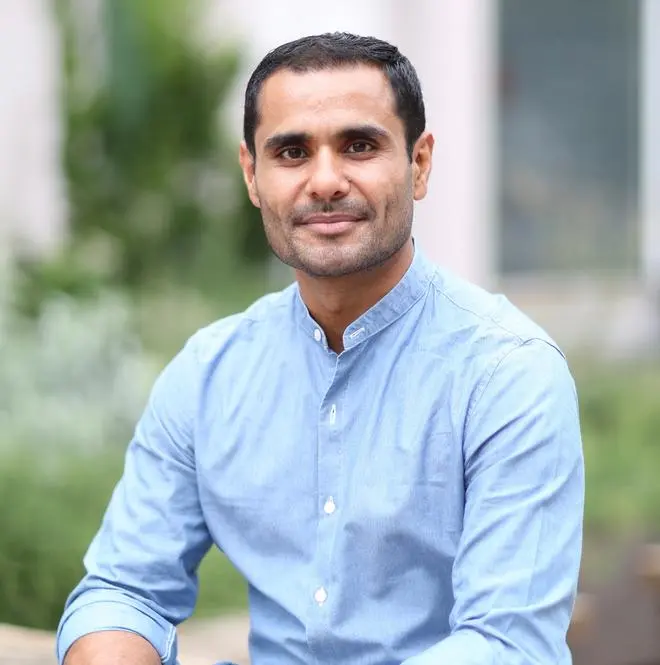
Tahir Amin, Co-Founder and CEO, Initiative for Medicines, Access & Knowledge

Tahir Amin, Co-Founder and CEO, Initiative for Medicines, Access & Knowledge

(The writer is Co-Founder and CEO, Initiative for Medicines, Access & Knowledge. Views are personal)

More Like This

Published on May 4, 2026