惯性聚合 高效追踪和阅读你感兴趣的博客、新闻、科技资讯
阅读原文 在惯性聚合中打开

推荐订阅源

Martin Fowler
Martin Fowler
博客园 - 司徒正美
博客园 - Franky
Jina AI
Jina AI
T
Tailwind CSS Blog
阮一峰的网络日志
阮一峰的网络日志
The Hacker News
The Hacker News
C
Cybersecurity and Infrastructure Security Agency CISA
IT之家
IT之家
S
Schneier on Security
K
Kaspersky official blog
cs.CV updates on arXiv.org
Cloudbric
Cloudbric
博客园 - 聂微东
S
Secure Thoughts
人人都是产品经理
人人都是产品经理
Attack and Defense Labs
月光博客
月光博客
美团技术团队
钛媒体:引领未来商业与生活新知
钛媒体:引领未来商业与生活新知
H
Heimdal Security Blog
L
Lohrmann on Cybersecurity
博客园 - 三生石上(FineUI控件)
博客园_首页
V2EX - 技术
V2EX - 技术
有赞技术团队
有赞技术团队
Apple Machine Learning Research
Schneier on Security
云风的 BLOG
云风的 BLOG
F
Full Disclosure
宝玉的分享
宝玉的分享
Microsoft Security Blog
cs.AI updates on arXiv.org
aimingoo的专栏
aimingoo的专栏
V
Visual Studio Blog
V
V2EX
Security Archives - TechRepublic
量子位
Simon Willison's Weblog
A
About on SuperTechFans
O
OpenAI News
爱范儿
爱范儿
C
Cisco Blogs
D
Darknet – Hacking Tools, Hacker News & Cyber Security
P
Palo Alto Networks Blog
Forbes - Security
Forbes - Security
N
News and Events Feed by Topic
I
InfoQ
L
LINUX DO - 热门话题
博客园 - 【当耐特】

Pulse News | The HinduBusinessLine

Mission universal access to clean energy Canada invests in building climate-resilient health systems Hidden hunger: Fixing the micronutrient crisis Honour the calling, rebuild trust in healthcare Self-reliant well-being When patients fall through the cracks of health insurance claims ‘The kindergarten health class for the 50-plus’ Tennis, sustainable meals and painting NFHS-6: Obesity scale tilts heavily against women Yoga for healthy ageing Medical negligence: A fair redressal system can restore trust Fragile success of HIV response UK sandbox for AI health innovations It’s time to revise the list of essential medicines Blood donation: Humanity in every drop How PMOS pushed this student to grow her own food USFDA moots ways to reduce animal testing for cancer drugs South Africa cracks down on illegal weight-loss drugs Morning walks, home food and no devices at dinner time E-pharmacies: The missing regulatory prescription Domestic drugmakers make a play for the innovation league Gatekeeping unproven ‘harm reduction’ nicotine products Unmasking tobacco’s appeal Repurposing medicines to treat more diseases Workouts, walking, and boundaries... not burnouts Fast-tracking biopharma goals with regulatory reform Making vaccines in and for Africa Medical ethics: The perils of not speaking up Keeping infant formula free of contaminants The ‘public health crisis’ facing transgender people UK busts criminal ring supplying illegal steroids Clean hands are life-saving Cardio sessions, cricket and unwinding with music ‘Free markets’ and shackled access to medicines Inside India’s GLP-1 rush Stalling the silent spread of TB cases Meditation, play and staying curious Towards a malaria-free future Don’t hide unfavourable clinical trial results: FDA Countries take more ownership of immunisation Medical supply chain leaks: Where does the buck stop? Stand with science for universal wellbeing Wearable tech: Health monitors on the go The uncomfortable conversations over end-of-life decisions USEPA labels microplastics, pharmaceuticals as contaminants How medical myths go viral at deadly speed Gym sessions, yoga and occasional return to rollerblading Australia looks for improved ways to regulate sunscreens Slower pace of reduction in child mortality India’s silent newborn crisis Small daily habits, no quick fixes TB endgame: Yes, we can Alternatives to animal testing in drug development The pothole ‘miracle’ that wasn’t ‘Special 301’ report, in a time of strife Chile ends leprosy — a first in the Americas Hydration, protein, and AI as pocket nutritionist Making the shift to vaccinating older people Citizen-led Canadian health strategy for men and boys What women want... from health insurance Investing in women’s wellbeing beyond maternity Kidney health and planet protection Where a hospital grew from the people Aloe vera, consistent workouts, ashwagandha and magnesium More cataract surgeries needed: WHO Quality summit for the pharma industry Digital addiction: The elephant in the living room Sending medicines via the India-US trade corridor UK medical device testing hits a high BioAsia lifesciences conclave Notes of inspiration, meditation, and light kickboxing Pre-check pilot to boost local pharma manufacturing in the US Custom waiver alone cannot make medicines affordable Batting for clinical trials, but not without its ‘subjects’ WHO calls for strong cancer prevention strategies Delivering self-care over the counter Greying Kerala’s rising tide of elder care needs and health support 'Rare diseases in India aren’t rare, they’re orphaned' Indian pharma seeks R&D booster shot to stay globally competitive Quiet lakeside walks, seasonal food, and cricket Labelling info on gluten-containing grains Harmful sugary drinks are not taxed enough: WHO Budget 2026 Why research no longer needs animal cruelty Walks, vegan food and crosswords Dangers of buying illegal weight-loss drugs online Data gap hinders FDA’s safety review of cosmetics Young brigade rises in India’s pharma sector Leprosy is curable, break the stigma Fertility Inc: Inside India’s booming IVF business Fragile peace between hospitals and insurance providers Testing times loom for the ‘pharmacy of the developing world’ Medical tourism: Pitching India’s cost and care advantage Restorative eating, music for reflection, and treadmill time Mapping how everyday medicines affect gut bacteria WHO launches digital library on traditional medicine Challenges ahead in 2026 Coldrif case: When cough syrup turns poison Tackling India’s future, complex disease burden How to make health insurance truly inclusive for people with disabilities
The rising climate toll on body and mind
2026-01-11 · via Pulse News | The HinduBusinessLine
MONETARY SHELTER: For daily-wage workers, staying home during extreme heat is not “self-care” but lost income

MONETARY SHELTER: For daily-wage workers, staying home during extreme heat is not “self-care” but lost income | Photo Credit: RAJU V

“There is anxiety because of this heat. We can’t even think about cooking food and eating food… We can’t go out too. If we stay inside our home, we feel irritated and frustrated,” a 20-year-old woman living in a peri-urban settlement in Chennai told researchers from our foundation, as they studied the impact of heat on women’s health.

These aren’t passing complaints about a few difficult summer days. The heat is not merely oppressive, it dictates every aspect of her life — appetite, sleep, mood, movement, and small daily decisions that shape a life. For many like her, being outside is unthinkable and staying indoors unbearable, signalling that climate change now disrupts mental health, not just daily comfort.

The latest Lancet Countdown on Health and Climate Change describes a world where health consequences are no longer creeping up; they are breaking records. The report warns that health risks and impacts are now “worse than ever before” across 13 of 20 indicators — a signal that multiple climate-linked hazards are escalating at once. It also estimates there has been a 23 per cent rise in heat-related mortality since the 1990s, reaching 5,46,000 deaths a year globally.

Climate change harms health directly, through shocks including heatwaves, droughts, floods and cyclones that cause acute illness and dehydration, injuries and displacement, unsafe water, disrupted healthcare, and sudden income loss. The indirect impact, though, accumulates over time as climate stress undermines food and nutrition security, shifts geographies where disease-carrying vectors (like mosquitoes) can survive, and worsens mental health through chronic stress, livelihood threats, migration and instability

This widespread vulnerability is felt more by women, children and the poor in low- and middle-income countries, as they are severely affected due to higher exposures, greater burden of pre-existing disease, and a limited capacity to adapt.

India is making meaningful progress on mitigation. But adaptation will be the real test of health protection, because extensive exposure is already happening. The response must be multi-sectoral, starting with the most vulnerable.

One immediate safeguard is parametric insurance for gig workers, street vendors, small farmers and daily-wage workers, for whom staying home during extreme heat is not “self-care” but lost income. A payout, triggered by temperature/heat index or an officially declared climatic hazard event, can put cash in hand for a few days off. This functions as a health intervention — reducing exposure when risk spikes.

India also needs to design cooler cities as it urbanises. Update building codes for appropriate materials, ventilation and passive cooling, and scaling up nature-based solutions such as shade trees, parks, restored lakes, permeable surfaces, and blue–green corridors with priority for informal settlements where heat risk is highest and relief options are lowest. There is immense scope for innovations and catalytic funding from philanthropy to develop and test affordable cooling solutions.

The health system must be readied for climate-linked illness — especially heat stress, which is treatable only if caught early. That requires training frontline staff — including doctors, nurses, ASHAs, ANMs and Anganwadi workers — to recognise heat stress, dehydration and heat exhaustion, triage fast, and refer early. Facilities need clear cooling protocols and capacity to lower body temperature immediately, alongside routine surveillance to track heat illness, respiratory flare-ups, vector spikes and post-flood diarrhoeal disease.

Clean air is central to climate- and health-planning, not an add-on. Cutting pollution through cleaner transport, cleaner energy and stronger industrial controls delivers immediate health gains and reduces the compounded “double hit” of extreme heat-plus-poor air quality.

Soumya Swaminathan, Chairperson, MS Swaminathan Research Foundation (MSSRF), and former chief scientist at the World Health Organization

Soumya Swaminathan, Chairperson, MS Swaminathan Research Foundation (MSSRF), and former chief scientist at the World Health Organization

(The writer is Chairperson, MS Swaminathan Research Foundation, and former chief scientist at the World Health Organization. Views are personal)

More Like This
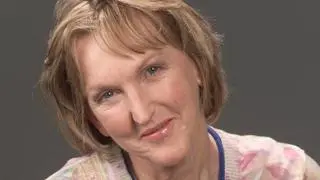
 Ingrid Newkirk,  Founder, People for the Ethical Treatment of Animals

Tanankorn Pilong

SPUKKATO

vkph

Published on January 12, 2026