


惯性聚合 高效追踪和阅读你感兴趣的博客、新闻、科技资讯
阅读原文 在惯性聚合中打开

推荐订阅源

Forbes - Security
Forbes - Security
C
CERT Recently Published Vulnerability Notes
NISL@THU
NISL@THU
I
Intezer
S
Schneier on Security
L
Lohrmann on Cybersecurity
cs.CL updates on arXiv.org
月光博客
月光博客
G
Google Developers Blog
S
Securelist
WordPress大学
WordPress大学
T
Tailwind CSS Blog
IT之家
IT之家
C
Cybersecurity and Infrastructure Security Agency CISA
A
Arctic Wolf
C
CXSECURITY Database RSS Feed - CXSecurity.com
J
Java Code Geeks
宝玉的分享
宝玉的分享
阮一峰的网络日志
阮一峰的网络日志
V
Vulnerabilities – Threatpost
P
Privacy & Cybersecurity Law Blog
博客园 - 聂微东
D
Darknet – Hacking Tools, Hacker News & Cyber Security
The Cloudflare Blog
P
Privacy International News Feed
The Hacker News
The Hacker News
L
LINUX DO - 热门话题
爱范儿
爱范儿
Last Week in AI
Last Week in AI
博客园 - 【当耐特】
freeCodeCamp Programming Tutorials: Python, JavaScript, Git & More
美团技术团队
有赞技术团队
有赞技术团队
博客园 - 司徒正美
C
Cyber Attacks, Cyber Crime and Cyber Security
大猫的无限游戏
大猫的无限游戏
Recent Commits to openclaw:main
G
GRAHAM CLULEY
小众软件
小众软件
T
Tenable Blog
Jina AI
Jina AI
Simon Willison's Weblog
Security Latest
Security Latest
Application and Cybersecurity Blog
AWS News Blog
AWS News Blog
T
Troy Hunt's Blog
博客园 - Franky
量子位
博客园_首页
P
Proofpoint News Feed

Pulse News | The HinduBusinessLine

Mission universal access to clean energy Canada invests in building climate-resilient health systems Hidden hunger: Fixing the micronutrient crisis Honour the calling, rebuild trust in healthcare Self-reliant well-being When patients fall through the cracks of health insurance claims ‘The kindergarten health class for the 50-plus’ Tennis, sustainable meals and painting NFHS-6: Obesity scale tilts heavily against women Yoga for healthy ageing Medical negligence: A fair redressal system can restore trust Fragile success of HIV response UK sandbox for AI health innovations It’s time to revise the list of essential medicines Blood donation: Humanity in every drop How PMOS pushed this student to grow her own food USFDA moots ways to reduce animal testing for cancer drugs South Africa cracks down on illegal weight-loss drugs Morning walks, home food and no devices at dinner time E-pharmacies: The missing regulatory prescription Domestic drugmakers make a play for the innovation league Gatekeeping unproven ‘harm reduction’ nicotine products Unmasking tobacco’s appeal Repurposing medicines to treat more diseases Workouts, walking, and boundaries... not burnouts Fast-tracking biopharma goals with regulatory reform Making vaccines in and for Africa Medical ethics: The perils of not speaking up Keeping infant formula free of contaminants UK busts criminal ring supplying illegal steroids Clean hands are life-saving Cardio sessions, cricket and unwinding with music ‘Free markets’ and shackled access to medicines Inside India’s GLP-1 rush Stalling the silent spread of TB cases Meditation, play and staying curious Towards a malaria-free future Don’t hide unfavourable clinical trial results: FDA Countries take more ownership of immunisation Medical supply chain leaks: Where does the buck stop? Stand with science for universal wellbeing Wearable tech: Health monitors on the go The uncomfortable conversations over end-of-life decisions USEPA labels microplastics, pharmaceuticals as contaminants How medical myths go viral at deadly speed Gym sessions, yoga and occasional return to rollerblading Australia looks for improved ways to regulate sunscreens Slower pace of reduction in child mortality India’s silent newborn crisis Small daily habits, no quick fixes TB endgame: Yes, we can Alternatives to animal testing in drug development The pothole ‘miracle’ that wasn’t ‘Special 301’ report, in a time of strife Chile ends leprosy — a first in the Americas Hydration, protein, and AI as pocket nutritionist Making the shift to vaccinating older people Citizen-led Canadian health strategy for men and boys What women want... from health insurance Investing in women’s wellbeing beyond maternity Kidney health and planet protection Where a hospital grew from the people Aloe vera, consistent workouts, ashwagandha and magnesium More cataract surgeries needed: WHO Quality summit for the pharma industry Digital addiction: The elephant in the living room Sending medicines via the India-US trade corridor UK medical device testing hits a high BioAsia lifesciences conclave Notes of inspiration, meditation, and light kickboxing Pre-check pilot to boost local pharma manufacturing in the US Custom waiver alone cannot make medicines affordable Batting for clinical trials, but not without its ‘subjects’ WHO calls for strong cancer prevention strategies Delivering self-care over the counter Greying Kerala’s rising tide of elder care needs and health support 'Rare diseases in India aren’t rare, they’re orphaned' Indian pharma seeks R&D booster shot to stay globally competitive Quiet lakeside walks, seasonal food, and cricket Labelling info on gluten-containing grains Harmful sugary drinks are not taxed enough: WHO Budget 2026 Why research no longer needs animal cruelty The rising climate toll on body and mind Walks, vegan food and crosswords Dangers of buying illegal weight-loss drugs online Data gap hinders FDA’s safety review of cosmetics Young brigade rises in India’s pharma sector Leprosy is curable, break the stigma Fertility Inc: Inside India’s booming IVF business Fragile peace between hospitals and insurance providers Testing times loom for the ‘pharmacy of the developing world’ Medical tourism: Pitching India’s cost and care advantage Restorative eating, music for reflection, and treadmill time Mapping how everyday medicines affect gut bacteria WHO launches digital library on traditional medicine Challenges ahead in 2026 Coldrif case: When cough syrup turns poison Tackling India’s future, complex disease burden How to make health insurance truly inclusive for people with disabilities
The ‘public health crisis’ facing transgender people
By Vallari Sanzgiri · 2026-05-04 · via Pulse News | The HinduBusinessLine
NON-NEGOTIABLE. The right to gender arming care

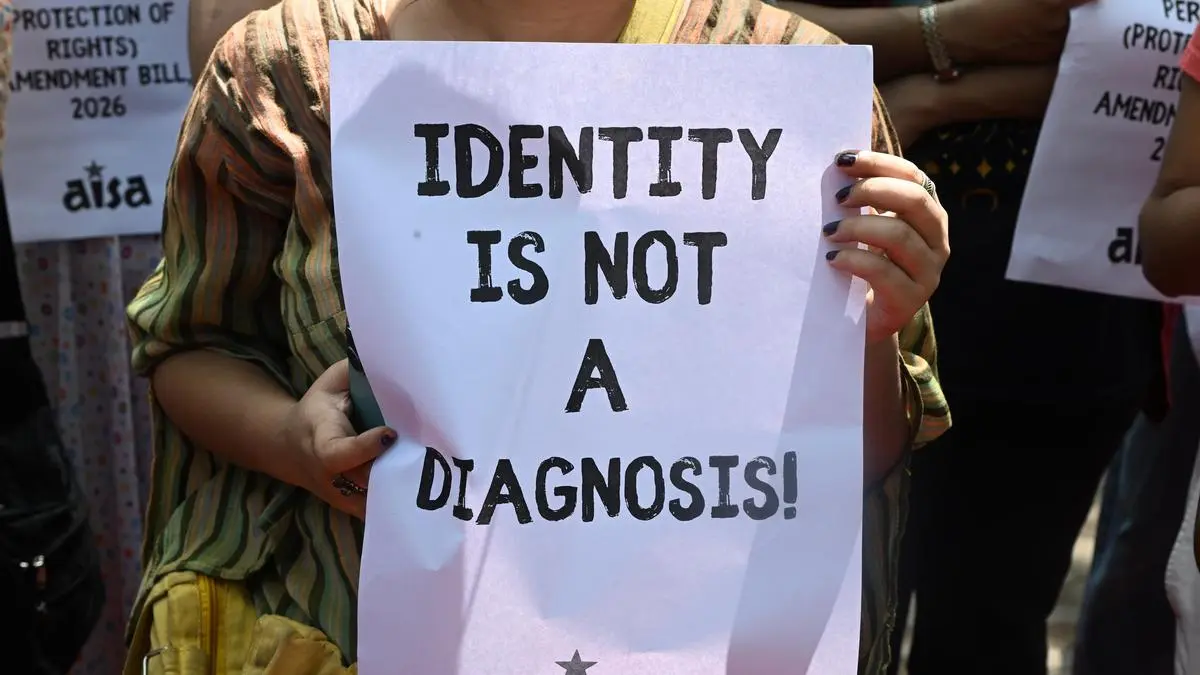
NON-NEGOTIABLE. The right to gender arming care | Photo Credit: SUSHIL KUMAR VERMA

Over the past two months, India’s transgender community has been navigating what it calls a “medico-social crisis” in accessing medical care.

This follows the presidential assent given to the the Transgender Persons (Protection of Rights) Amendment Bill, 2026, on March 30. The bill rejects self-identified trans individuals, and this has led to a pause or complete halt in gender-assigning surgeries and supportive treatments at hospitals, according to community representatives.

People seeking to align their biological sex with their self-identified gender are now asked to provide waivers and affidavits as well as consent forms from parents to access surgeries and treatments. In other instances, patients have to provide gender identity certificates containing a psychiatrist’s approval. These procedural changes have introduced a layer of uncertainty when it comes to accessing surgeries and supportive treatment for the transgender community, they add.

Barely a day after the presidential assent for the bill, a Delhi resident who had been waiting for gender-affirming surgery for a long time was told the surgery had been cancelled due to changes in the law. Similarly, Mumbai-based Shine Rahman, a trans-man and board member of international transgender organisation FLUX City edition, who had undergone a gender-affirming surgery in 2020, had to fight for the mandatory post-surgery hormone replacement therapy (HRT) at a local hospital.

“After the surgery, patients undergo HRT along with medical tests every three months… HRT cannot be stopped suddenly as it can lead to mental and physical health issues,” says Rahman, who witnessed another trans-man battling a similar situation with another doctor.

While medical professionals are citing the amendment to deny services, in reality the only change effected is in the definition of ‘transgender’ and not the provisions related to medical procedures and surgery.

In fact, when Rajya Sabha member Tiruchi Siva asked about the impact of the amendment on healthcare, the Union Ministry of State for Social Justice and Empowerment replied the changes “are not intended to restrict legitimate gender-affirmative care”. And yet, doctors and health practitioners hesitate to provide medication and treatment, say members of the trans community.

“The amendment comes with a clause on criminalisation for individuals who support transgender persons in affirming their self-perceived gender identities. Aside from hefty fines, the penalties include imprisonment anywhere between 10 years and a lifetime. This has scared doctors from providing medical care to self-identified transgender folk,” says Vihaan, a trans-activist, who alleges that hospitals have put surgeries on hold until the government defines the guidelines.

‘Public health emergency’

Dr Sanjay Sharma, founder of the Association for Transgender Health in India (ATHI), is concerned about the amendment’s interim impact. “The silence of the health ministry and the National Medical Council is killing people. If this environment of fear among the healthcare community continues, the mental and physical health of transfolk will decline. Support groups are also under mental pressure. For people who are already mid-transition, a pause in the process can reverse their progress. Some might resort to self-medication, which is dangerous. We’re facing a public health emergency,” says Sharma, who has received calls from confused healthcare professionals across India since March 30.

About 4.87 lakh individuals are categorised as “others”, according to Census 2011. Sharma estimates that 1.7–2.6 per cent of Indians identify as transgender — that is upwards of 2 crore individuals.

The amended Act recognises only members of kinner, hijra, aravani and jogta communities, intersex individuals and victims of forceful conversion as transgenders. Others need to undergo a psychiatric assessment to confirm a “gender identity disorder”.

This requirement had earlier been discontinued, since 2019, when transgender identity was not considered a “disorder”, says Sharma. With its reintroduction, people seeking surgery “would need at least two additional documents, on top of preparing mentally and physically for the transition”, he adds.

Sharma is worried about care under the public health system as most cannot afford private practitioners. A single private mental health session costs ₹1,500–2,000. Hormonal care costs ₹2,500-5,000. The surgeries cost ₹5-10 lakh depending on the intervention required. A government hospital does it at half the cost, and it’s covered by insurance, he says.

Call for clarity

Though court judgements recognise surgeries based on self-identification, healthcare professionals in Mumbai’s Sion Hospital, among other centres, said they always asked patients to get two certifications from mental health professionals before undertaking the surgery.

“As doctors, we have to follow the law… I would advise patients to keep certifications and identity cards ready. Those who have the documents need not worry,” says Amarnath Munoli, plastic surgeon at Sion Hospital, attributing the recent instances of denied services to a lack of clarity in the rules for health institutions.

Some transgender people have taken legal recourse to seek medical care. In April, two transgender persons approached the Kerala High Court to direct hospitals to continue with HRT. They argued that the removal of self-identification and the need for mandatory medical certification went against the Supreme Court’s 2014 National Legal Services Authority or NALSA judgement. Similar petitions have been filed in the Karnataka and Rajasthan high courts.

“Gender affirming care is still a right for trangenders... we must explain to the medical practitioners that they cannot deny care,’ says Vihaan.

More Like This

Published on May 4, 2026