








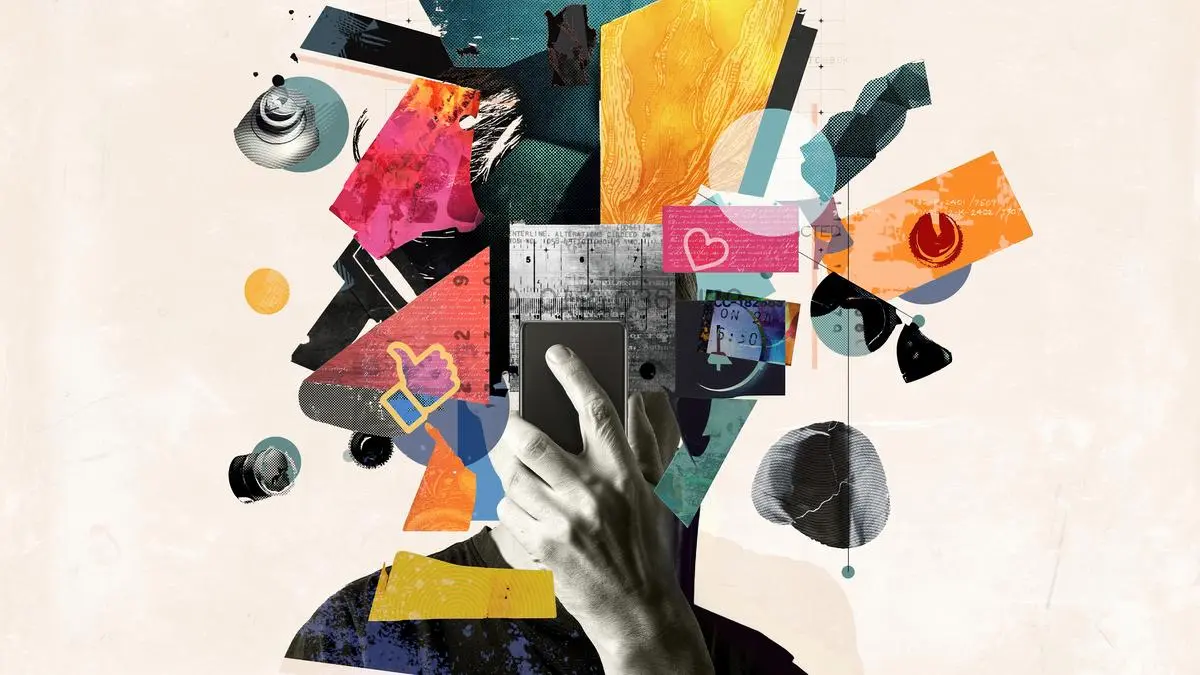
Starting from Google’s Magic Eraser and Unblur features in 2021 to this year’s live translation features and Gemini and ChatGPT- over the last couple of years, we’ve seen some useful on-device AI debuts | Photo Credit: Getty Images
When I started writing about gadgets back in 2009 (wow, I feel old!), tech used to arrive with a bang! I would have to mention in my review whether a smartphone had a resistive or capacitive display. I used to write about “massive” 4.2-inch displays. Engineers were having a field day playing around with form factors. Not every single phone looked like a glossy brick. Fast forward to 2025, and tech no longer arrives with a bang. It’s more akin to soft ASMR with a rising crescendo with every launch, rather than something that shocks and impresses you! So what is it that we should expect from the dynamic world of personal tech, which admittedly has become static in some ways - but continues to make unprecedented progress in ways that we might not have anticipated a decade or so ago?
Honestly, over the last couple of years, we’ve seen some useful on-device AI debuts. Starting from Google’s Magic Eraser and Unblur features in 2021 to this year’s live translation features and Gemini and ChatGPT integration across most smartphones, there have been quite a few meaningful additions over the year. The real hitch? Integrating these features seamlessly so that the common consumer doesn’t have to dig too deep to discover and use these features in a meaningful way would be a huge win in 2026! There have been times when I, even as a tech reviewer, have had to hunt around for much-touted AI features on a smartphone and discovered them to be in places that are not-so-intuitive. I wish less of the same for myself and fellow consumers in the year ahead.
It’s everywhere! On Instagram, on Facebook, on YouTube, and on WhatsApp! Heck, it’s even in the newspapers! Be it AI-generated images, videos, or text, AI slop is all-pervasive, and this looks like just the beginning. Add to it the lack of digital media literacy that would help people across age groups distinguish between what’s real and what’s not - and you’ve got the perfect storm of awe and confusion brewing on your nearest device. I wish for all of us to have stop pointing out that the dog making its own bed and changing pillow covers is a fake video, and that leopards aren’t incorrigible consumerists prancing into a high-end mall to engage in some retail therapy.
Then there’s the question of - what’s the incentive to NOT use AI? Leave alone for zany videos, but for even simpler things, such as social media captions and LinkedIn posts. Is it self-actualisation? Meh, takes too much effort. Is it creative satisfaction? There may not be enough time for that in the age of urgent virality. So, is it likely we’re going to see less AI-generated content in 2026? As likely as pigs will fly in the sky! “Wait! Unless, there’s already an AI video for that!”
Take the iPhone Air, for example. It’s got some smarts, but it’s definitely got the looks! I’d love to see more brands push the boundaries of elegant design to deliver beauty and elegance that’s more than just skin deep. I don’t just want designer collaborations adorning the back panels. I’d love to see cutting-edge material in the build itself, thinner form factors, and camera bumps that don’t look ugly. And, it’s not the worst thing if a girl wants the best of both worlds. I want these svelte devices not to compromise on camera prowess or battery life.
Apple has truly led the way with the “prevention is better than cure” credo when it comes to wearables. Everyone else has followed suit in different ways. All for the good of the consumer. From fall detection to crash detection, to atrial fibrillation alerts and hypertension tracking, wearables are now increasingly focusing more on flagging anomalies, and many times successfully preventing bigger health emergencies. The other thing I hope to see wearables - smartwatches, smart rings, health bands, and fitness trackers - do is get better at data interpretation about our health and fitness levels. This would include information about how much I should push myself on my run today, whether I should be attempting my maximum personal record while deadlifting today, whether my endurance has gotten better compared to last month, and more! The same goes for tracking and alerting me to possible dips in mood based on menstrual cycle, sleep quality, and nutritional lapses that I should be aware of. I want indices and dashboards on accompanying apps to explain or illustrate in a human and humane way what the data means, and not just dump numbers on your smartphone or on my wrist and be done for the day.
It’s 2026. And, we finally, collectively, experience that lightbulb moment where it dawns on us that we’re paying ₹699 a month, and still having to grit our teeth through ads or rent movies on a platform that I’ve already paid for.
Despite paying for everything, we don’t really own anything. Not our photos on the phone, not our digital inbox, not our favourite music playlist, and not even our favourite HD.
Consumers are slowly getting tired—and 2026 will hopefully reflect that. Brands should have to justify subscriptions with genuine value, and not some vague allure. I’d love to see more meaningful free tiers and clearer communication around what I’m actually paying for when I set up that autopay. The brands that win won’t be the ones charging the most, but the ones that respect the customer’s time, money, trust, and transparency.
Oh, and last but not least. I wish for all of us to spend way less time on devices - no matter how snazzy, smart, and sexy they are - and engage way more with our real, visceral, messy, imperfect, joyful lives.
Published on January 2, 2026
此内容由惯性聚合(RSS阅读器)自动聚合整理,仅供阅读参考。 原文来自 — 版权归原作者所有。