


Serving tech enthusiasts for over 25 years.
TechSpot means tech analysis and advice you can trust.
In a nutshell: A lawsuit filed in federal court in Southern California is putting a spotlight on what can happen when smart TV software updates fail. The case targets Roku and TCL – longtime partners in the connected TV space – and focuses on Roku's operating system, which powers TCL's smart TVs. According to the complaint, the software has led to repeated failures instead of improving performance.
The lawsuit alleges that a series of updates pushed to certain Roku-powered TVs introduced recurring issues that, in some cases, rendered the devices unusable. The models named include Roku Select Series and Roku Plus Series sets, along with TCL's 3-, 4-, 5-, and 6-series TVs running Roku OS.
The filing describes repeated problems tied to firmware updates, not isolated glitches. Reported problems include TVs freezing mid-use, getting stuck in restart loops, losing picture output, or failing to turn on entirely. The complaint characterizes these updates as "repetitively defective," a term that points to ongoing issues rather than a single faulty release.
The case centers on how those updates were handled. The plaintiff, Terri Elise, claims the companies continued to push software despite mounting complaints from users experiencing system failures.
"Despite consumers' persistent complaints of repeated system failures, often leaving their TVs completely inoperable, defendants offer no recourse," the lawsuit states. "This is inconsistent with representations made in express warranties, which promise to repair, correct or otherwise remediate the software defect."
Roku, in a statement, said, "We believe the claims are meritless." TCL declined to comment.
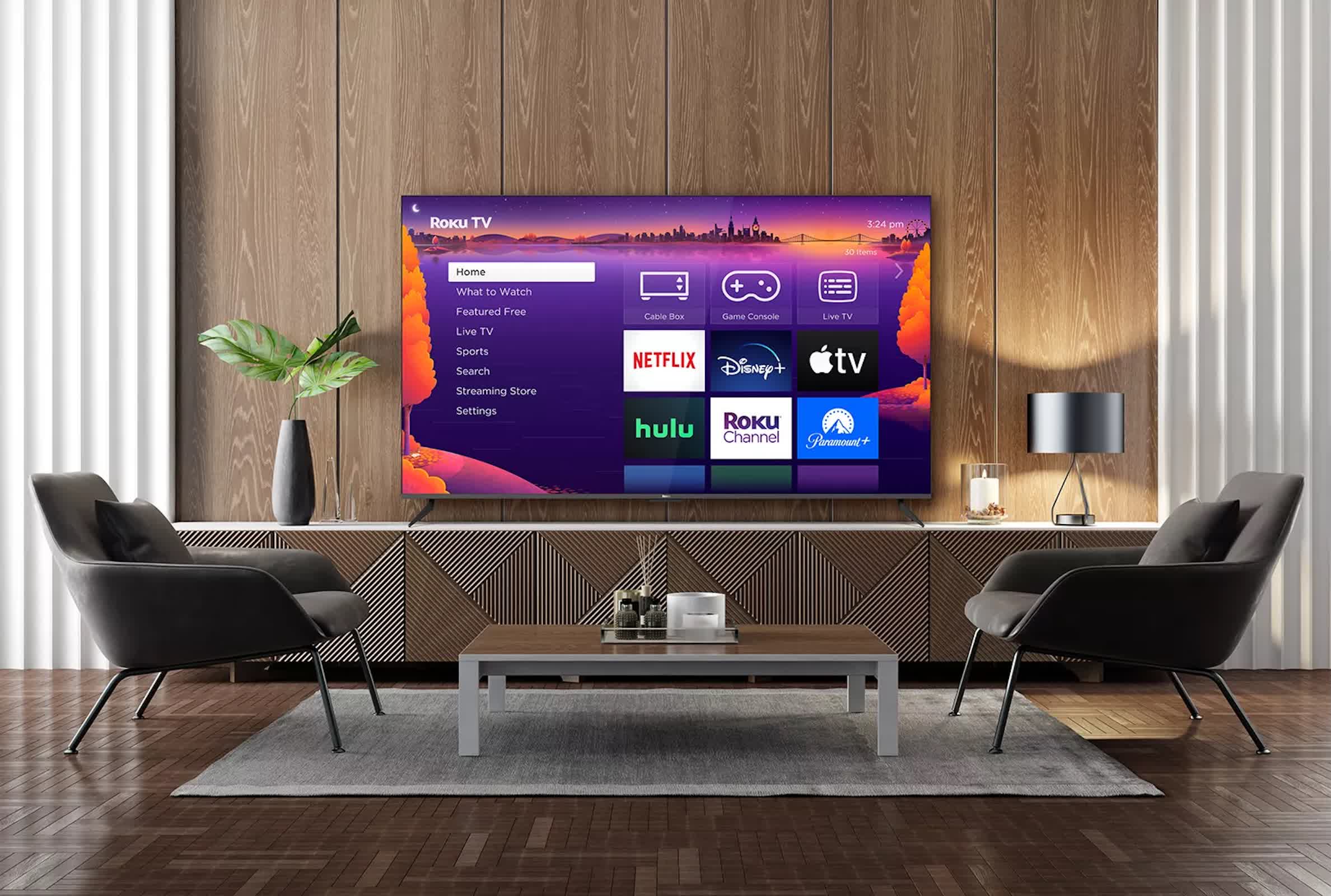
The complaint also points to a broader issue in connected devices. Smart TVs today operate more like embedded computing systems than traditional displays, with tightly integrated software, drivers, and cloud services. That integration allows for frequent updates and new features, but it also creates a single point of failure when something breaks.
Unlike smartphones or PCs, where users often have more flexibility to delay or roll back updates, many smart TVs automatically install new firmware. That helps keep devices consistent, but it also limits recovery options when an update fails.
User reports referenced in the lawsuit describe similar issues. Online posts describe TVs failing shortly after updates, with issues ranging from blacked-out screens to disrupted connectivity. One user wrote, "I was watching my TV and it just stopped showing pictures," while another described a set that would intermittently shut off or lose display output following software changes.
Other posts reference forced updates that disabled key features or failed during installation, leaving the system in a broken state. Reports of similar problems date back at least two years, matching the timeline described in the complaint.
For developers and engineers, the situation highlights the importance of safeguards like staged rollouts, system recovery modes, and fallback firmware. Without those safeguards, a failed update can effectively brick a device.
The lawsuit is still in its early stages, and the number of affected users has not yet been determined. It seeks a jury trial along with damages and other relief for those included in the proposed class.
此内容由惯性聚合(RSS阅读器)自动聚合整理,仅供阅读参考。 原文来自 — 版权归原作者所有。