


Serving tech enthusiasts for over 25 years.
TechSpot means tech analysis and advice you can trust.
The big picture: Modern game technologies have reached an unprecedented level of complexity and functionality. Graphics engines and SDKs such as Unreal Engine and Unity can be used to build almost anything, and some Japanese companies are certainly thinking outside of the box in that regard.
A recent report by Nikkei Asia highlights several interesting cases in which 3D engines are being used for far more than simply powering commercial video games. Japanese sources describe the "extended life" of popular SDKs such as Unity and Unreal Engine, which together account for around 70% of the traditional game development market.
Game engines provide tools that are capable of supporting complex digital twin projects, the report says. Taisei Corporation, one of Japan's so-called "super general contractors" in the construction and civil engineering sector, began using this type of technology in 2020. The company has recreated virtual versions of specific urban areas, using these interactive digital twins to propose large-scale urban redevelopment projects to municipal authorities.
Cluster, a Tokyo-based startup working in the metaverse space, has used game engine technology to develop a community-driven disaster prediction platform. The system is designed to simulate floods and other high-impact natural disasters, allowing residents in cities such as Sendai to report potentially hazardous areas within a virtual environment.
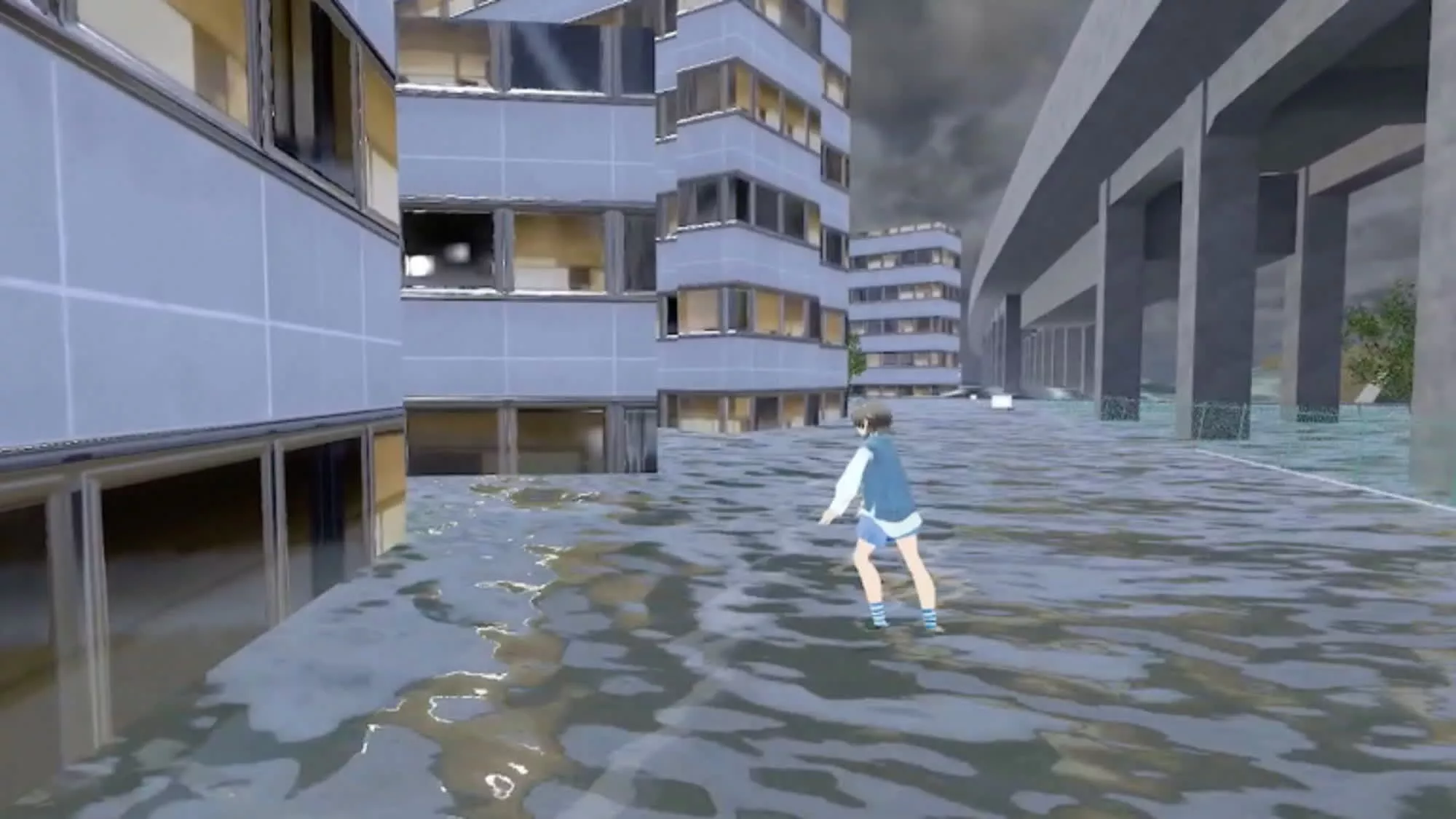
According to Cluster CEO Naoto Kato, the company is primarily using its metaverse technology for industrial applications and other public service initiatives.
Meta boss Mark Zuckerberg attempted to build the future of metaverse-based digital communities and virtual reality with Horizon Worlds VR, but things did not go exactly as the Facebook founder planned.
Another application of the metaverse concept and 3D game engines mentioned by Nikkei Asia is a digital business based on virtual kimono designs. Retail giant Daimaru Matsuzakaya Department Stores uses the virtual world platform VRChat to create and sell 3D kimonos, allowing in-game avatars to showcase Japan's traditional clothing.
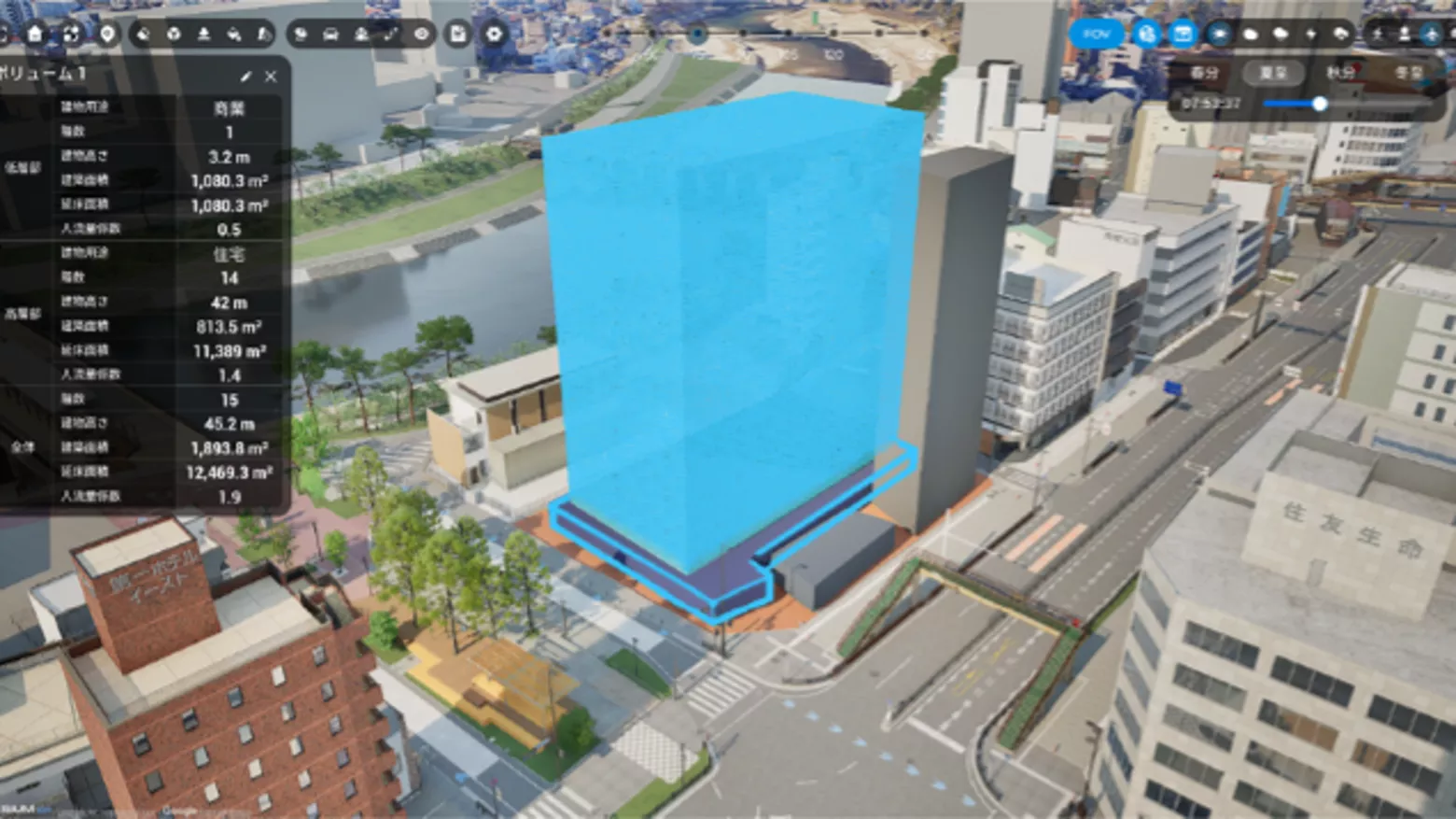
Taisei Corporation uses a game engine to create interactive "digital twins" of urban redevelopment projects before construction begins.
VRChat is a Unity-based platform originally introduced in 2014 for Oculus Rift users. The service provides VR-enabled users with a 3D world where user-created avatars can interact. In 2025, Daimaru Matsuzakaya recreated a 3D version of the Iwami Kagura performance art for the city of Gotsu. The project drew thousands of viewers within a week, with around 20% of users coming from overseas.
According to Daimaru Matsuzakaya's head of metaverse initiatives, Louis Okazaki, virtually produced goods such as 3D kimonos can provide an alternative revenue stream as e-commerce and other forms of online retail gradually erode the traditional department store business.
此内容由惯性聚合(RSS阅读器)自动聚合整理,仅供阅读参考。 原文来自 — 版权归原作者所有。