


Transportation Secretary Sean Duffy, his wife and their children filmed a reality show that is set to be released in the lead-up to the nation’s 250th anniversary. It is a return to form for the Duffys, who first met filming for MTV in the 1990s. Now, a new batch of reality TV stars are hoping to transition into elected office. Ali Rogin reports on how their campaigns could change politics.
View the transcript of the story.
NOTE: If you are short on time, watch the video and complete this See, Think, Wonder activity: What did you notice? What did the story make you think about? What would you want to learn more about?
News alternative: Check out recent segments from the News Hour, and choose the story you’re most interested in watching. You can make a Google doc copy of discussion questions that work for any of the stories here.
WARM-UP QUESTIONS
Media literacy: In this segment, Roxane Gay says that, "There's not a lot of reality to be found yet in reality television. And, quite frankly, there's not a lot of reality to be found in politics...." What do you think she means by this? What comparison is she making between reality TV and politics?
The News: Then & Now section of the Daily News Lessons allows students to see connections between current and past news events. The activity provides historical context using primary sources from the Library of Congress.
See PBS News Hour Classroom's Journalism in Action website for interactive examples of how journalists covered key events in U.S. history while honing your primary source, civics and digital news literacy skills.
THEN
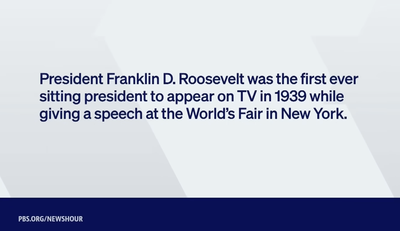
As noted by the infographic at the end of this segment, Franklin Delano Roosevelt was the first president to appear on television in 1939. Since then, television has been a critical medium for presidents, politicians and candidates to communicate with the public.
Appealing to potential voters and winning the confidence of the public through the media of television called upon different skills and talents than the speeches and rhetoric candidates had used before television.
One famous example was the first of four televised debates in 1960 between candidates Richard Nixon and John F. Kennedy.
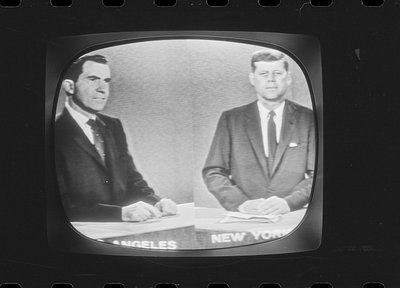
View of presidential candidates Vice President Richard M. Nixon and Senator John F. Kennedy on a split television screen during the third 1960 Kennedy-Nixon debate; Richard Nixon was located in Los Angeles, California, and John F. Kennedy in New York City. Courtesy of the Library of Congress
Though Nixon came into the debate leading in the polls, he did not prepare well for appearing on television screens on countless homes throughout the U.S. He famously refused to wear makeup, and he appeared to be sweating and uncomfortable compared to the more composed Kennedy.
It soon became apparent that comfort with television and other new media was critical for success for aspiring politicians.
NOW
Donald Trump was able to win the presidency partly thanks to his comfort with television cameras due to his experience with the reality TV series, the Apprentice. Trump was similarly comfortable with social media, and was able to reach audiences daily through his constant presence on Twitter, Facebook and other social media outlets.
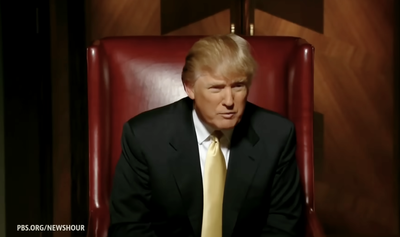
Screenshot from NBC's The Apprentice
Today, reality TV stars and other celebrities with a knack for modern media see that experience along with name recognition as a significant advantage as they seek office.
Discussion questions:
Sign up to receive our weekly newsletter with Daily News Lessons and community events.
To provide feedback on News Hour Classroom's resources, including this lesson, click here.
此内容由惯性聚合(RSS阅读器)自动聚合整理,仅供阅读参考。 原文来自 — 版权归原作者所有。