



John Malone is a penetration tester for Black Hills Information Security. He regularly performs external, internal, and social engineering-based assessments. His favorite tools are confidence and charisma.

In today’s world, security is more important than ever. As organizations increasingly rely on technology to drive business, digital threats are becoming more sophisticated, varied, and difficult to defend against. One of the most effective ways to safeguard an organization’s digital assets is through penetration testing (or just “pen testing” for short). In this blog, we will explore what penetration testing is, why it’s vital for modern businesses, and how it fits into an organization’s overall security strategy.

Penetration testing is a method used to evaluate security by simulating an attack from malicious outsiders (who do not have authorized access) or insiders (who have some level of authorized access). The goal is to identify vulnerabilities, weaknesses, or misconfigurations that could be exploited by attackers.
It should be noted that penetration tests are not necessarily always focused on technology. These tests can encompass other vectors, such as physical penetration testing and social engineering tests.
Penetration testing should be about more than just running automated scans—penetration testing involves the manual exploitation of systems by pen testers to assess how far they can breach a network, application, or system. Pen testers seek to mimic real-world attack techniques to uncover gaps in security that could otherwise go unnoticed.
Penetration testing can be applied to a wide variety of environments, each with its own methodologies and tools. Some of the most common types include:
Involves the testing of mobile applications against a variety of attacks. This can include authentication flaws, script-based attacks, and injections.

Penetration testing serves as an essential component of a robust cybersecurity strategy for several reasons:
A typical penetration test generally follows these key phases:
Before testing can even begin, the penetration tester and the client need to meet and share in an important discussion – scoping and expectations. This conversation usually takes place over a “rules of engagement call” (RoE call). The RoE call serves to establish scope, expectations, and considerations for both the tester and client and to ensure that both parties are on the same page. Timelines are discussed, as are deliverables, communication expectations, and any exceptions that may need to be excluded for testing – be they certain types of attacks or target hosts. This ensures that the penetration test is not only productive but is also performed in a safe way that minimizes the chance of complications arising as a result.

For social engineering and physical penetration tests, it is not uncommon to rely on gathering information from the internet or passive resources and avoid interacting with the target. For example, a tester may case the internet to see if they can locate images of an employee’s badge. This image can then be used by a tester to assist in creating a fake badge for an on-site visit.
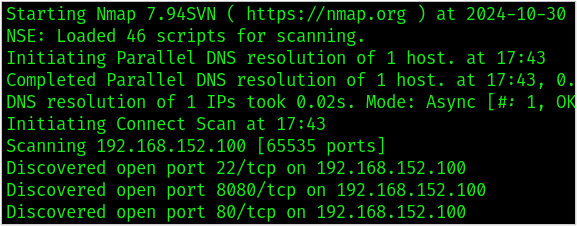
For physical tests and social engineering engagements, this phase can take the form of performing more active forms of reconnaissance, such as gathering seemingly innocent information over phone calls or casing the exterior of a building to identify camera locations and types of badge readers.
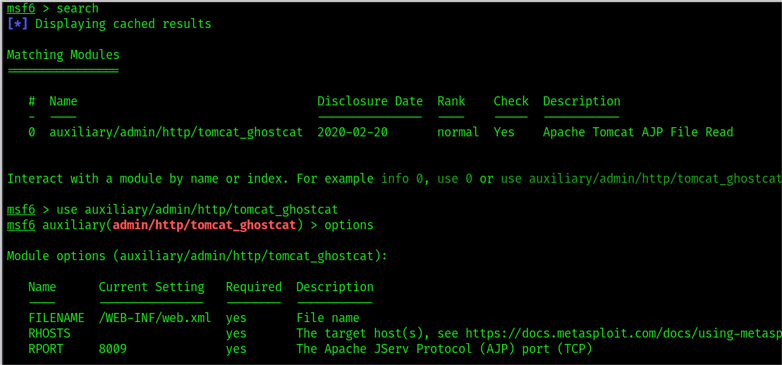
For social engineering, a tester may make calls to employees and present them with ruses in an effort to harvest sensitive information.
For social engineering engagements, this step of the process may involve looking to see what sensitive parts of the building can be accessed after security has been bypassed. Likewise, a social engineer may begin using compromised accounts to see what services inside of the network can be accessed.

A strong report will also contain a detailed methodology that describes how the attacks took place and the results of each step. These steps can include helpful information, such as screenshots and commands used during testing, to better illustrate the exact process of the test.
Penetration testing provides organizations with a clear understanding of their security weaknesses, allowing them to address vulnerabilities before they are exploited by malicious actors. As cyberattacks continue to rise in complexity, businesses that invest in regular penetration testing will be better equipped to defend against attacks.
此内容由惯性聚合(RSS阅读器)自动聚合整理,仅供阅读参考。 原文来自 — 版权归原作者所有。