



惯性聚合 高效追踪和阅读你感兴趣的博客、新闻、科技资讯
阅读原文 在惯性聚合中打开

推荐订阅源

大猫的无限游戏
大猫的无限游戏
云风的 BLOG
云风的 BLOG
小众软件
小众软件
V
V2EX
博客园 - Franky
博客园 - 司徒正美
Apple Machine Learning Research
量子位
博客园 - 【当耐特】
雷峰网
雷峰网
WordPress大学
WordPress大学
Jina AI
Jina AI
Google DeepMind News
N
Netflix TechBlog - Medium
爱范儿
爱范儿
OSCHINA 社区最新新闻
OSCHINA 社区最新新闻
奇客Solidot–传递最新科技情报
奇客Solidot–传递最新科技情报
阮一峰的网络日志
阮一峰的网络日志
IT之家
IT之家
Blog — PlanetScale
Blog — PlanetScale
Hugging Face - Blog
Hugging Face - Blog
H
Hackread – Cybersecurity News, Data Breaches, AI and More
V
Visual Studio Blog
Microsoft Security Blog

JPost.com - Banking & Finance | The Jerusalem Post

Who are big winners from the shortening of the workweek? | The Jerusalem Post Smotrich's unusual attack on the governor | The Jerusalem Post The bartender beat the National Insurance Institute | The Jerusalem Post Like elite teams at the World Cup, profitable portfolios require consistent work | The Jerusalem Post Your Taxes: Is it time to do business with Lebanon? | The Jerusalem Post Europe: Employers will be have to disclose salaries at the start of recruitment | The Jerusalem Post Bank Hapoalim marked Pride Month in an emotional meeting with Tal Ramon | The Jerusalem Post "Taylor Swift tax" takes effect | The Jerusalem Post The Finance Ministry’s new move targets small savings | The Jerusalem Post Wall Street concludes the best quarter in 6 years | The Jerusalem Post Confessed to stealing from the register – and received high compensation | The Jerusalem Post Bitcoin records its worst month in 4 years | The Jerusalem Post Naftali Bennett promises to save NIS 8,000 per family | The Jerusalem Post The wealth report: A record number of millionaires worldwide | The Jerusalem Post Bezalel Smotrich launches NIS 1.6 billion aid plan for high-tech and exporters | The Jerusalem Post "The Treasury took hundreds of billions from National Insurance surpluses" | The Jerusalem Post 10 mistakes that cost you thousands of shekels a year | The Jerusalem Post Discussion on Goldknopf’s proposal to lower VAT postponed by two weeks | The Jerusalem Post Study: "Israel’s Basket" led to a wave of price increases | The Jerusalem Post Goldknopf proposes lowering the VAT to 17% | The Jerusalem Post Insolvency order against Nochi Dankner | The Jerusalem Post Your Taxes: Look before you leap out of Israeli fiscal residency | The Jerusalem Post Your Investments: Getting back to basics for a secure financial future | The Jerusalem Post Another NIS 1,600 a month: How they inflated our mortgages | The Jerusalem Post Drama in Seoul: The trading in South Korea was halted twice | The Jerusalem Post The $820 billion report: Why the S&P 500 is going to break a record? | The Jerusalem Post A tsunami of bankruptcies threatens the global economy | The Jerusalem Post The annoying truth behind the illusion of the low dollar | The Jerusalem Post Bank of Israel reveals new data on Israel’s mortgage market | The Jerusalem Post Inflation and housing prices show continued declines in Israel | The Jerusalem Post
The strength of the shekel
2026-03-23 · via JPost.com - Banking & Finance | The Jerusalem Post

The Israeli shekel is expected to remain an attractive currency for investors around the world as Israel continues to advance, introduce solutions globally, foster innovation, expand, and succeed

Follow us on Google
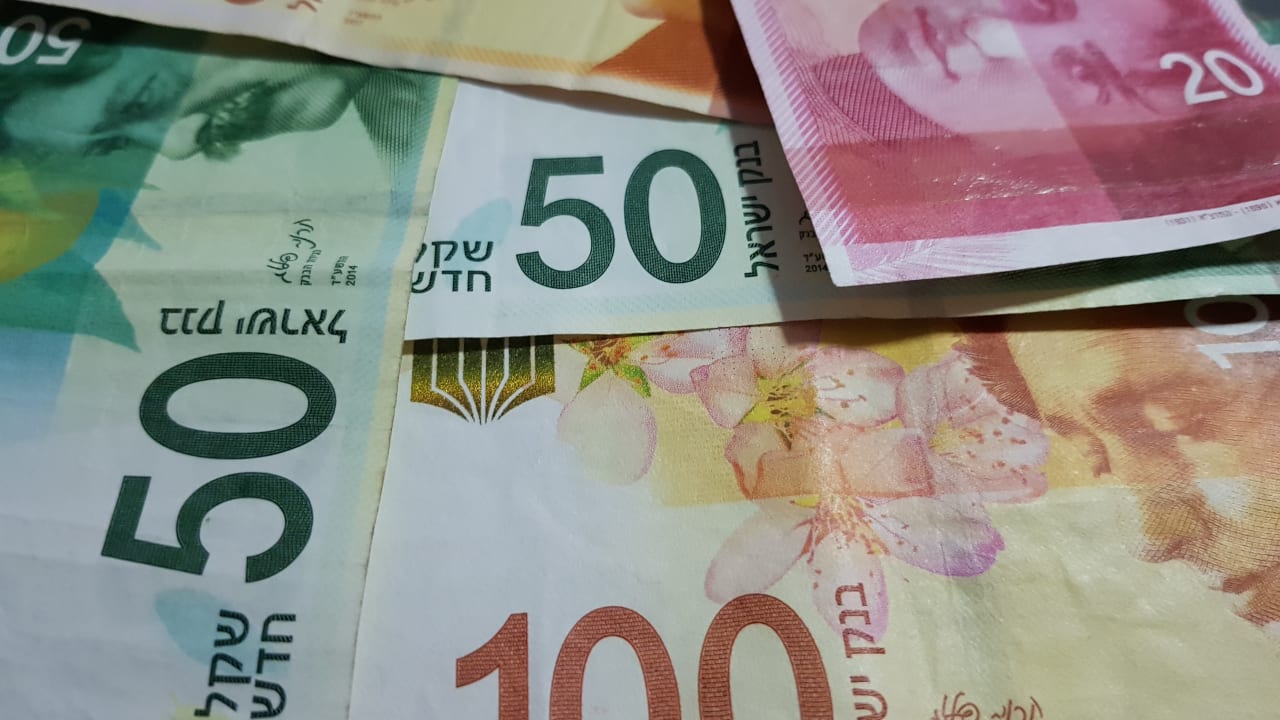
Israeli banknotes come from countries in the world that use Forex or financial financials.
(photo credit: somkanae sawatdinak/Shutterstock)
ByMARC REISS, IN COLLABORATION WITH MIZRAHI-TEFAHOT BANK

In a previous column, I wrote at length about the resilience and strength of the Israeli economy, which delivered impressive performance even during two years of difficult, multi-front war. Israel is considered a developed economy, yet its growth resembles that of an emerging market, and is certainly stronger than that of many Western economies. That alone is a rare distinction. This article focuses on the shekel, Israel’s currency, which has not too long ago been described as “the strongest currency in the world.” In recent years, it has responded powerfully to Israel’s economic growth. 

As of this writing, the shekel is trading at just over NIS 3 to the dollar. For reference, on the eve of the war in October 2023, the dollar hovered around NIS 3.8. This is no coincidence. The shekel did not strengthen against the dollar by chance. It did so because it represents a strong and resilient economy, one that remained robust even through two complex years of war. The currency’s appreciation reflects the solid fundamentals underpinning the Israeli economy today. Among the drivers of the shekel’s strength are investors purchasing shekels because of their confidence in Israel’s economy; multibillion-dollar defense contracts worldwide; and major natural gas export deals that bring substantial capital into Israel, much of which is converted into shekels, reinforcing the local currency. 

Massive investment in Israel’s high-tech sector has also injected significant dollar inflows into the economy. Those dollars are converted into shekels to cover local expenses and finance corporate activity, further bolstering the currency. Additional factors contribute to the shekel’s attractiveness, including interest rate differentials relative to markets outside Israel and foreign demand for Israeli real estate. These are coupled with realistic expectations that Israel’s growth will outpace that of the United States and Europe, a prospect that continues to draw investors. Is such resilience guaranteed forever? In economics, nothing is permanent. Yet the foundations of the Israeli economy – which weathered both the COVID-19 pandemic and a two-year war, remain strong. 

They support ongoing growth, rising stock market indices, and expansion in the real estate industry. Israel has demonstrated resilience in crises that few could have foreseen. However, it is crucial to remember that behind this consistent performance are the Israeli people: innovative, resilient, and deeply dedicated to their work – optimistic, passionate, disciplined and ambitious. With such human capital, there is strong reason to believe that Israel will continue to advance, introduce solutions globally, foster innovation, expand, and succeed. Consequently, the Israeli shekel is expected to remain an attractive currency for investors around the world.

Written in collaboration with Mizrahi Tefahot

Follow us on Google