



Can you tell me more about MVKB, your project, and how it originated?
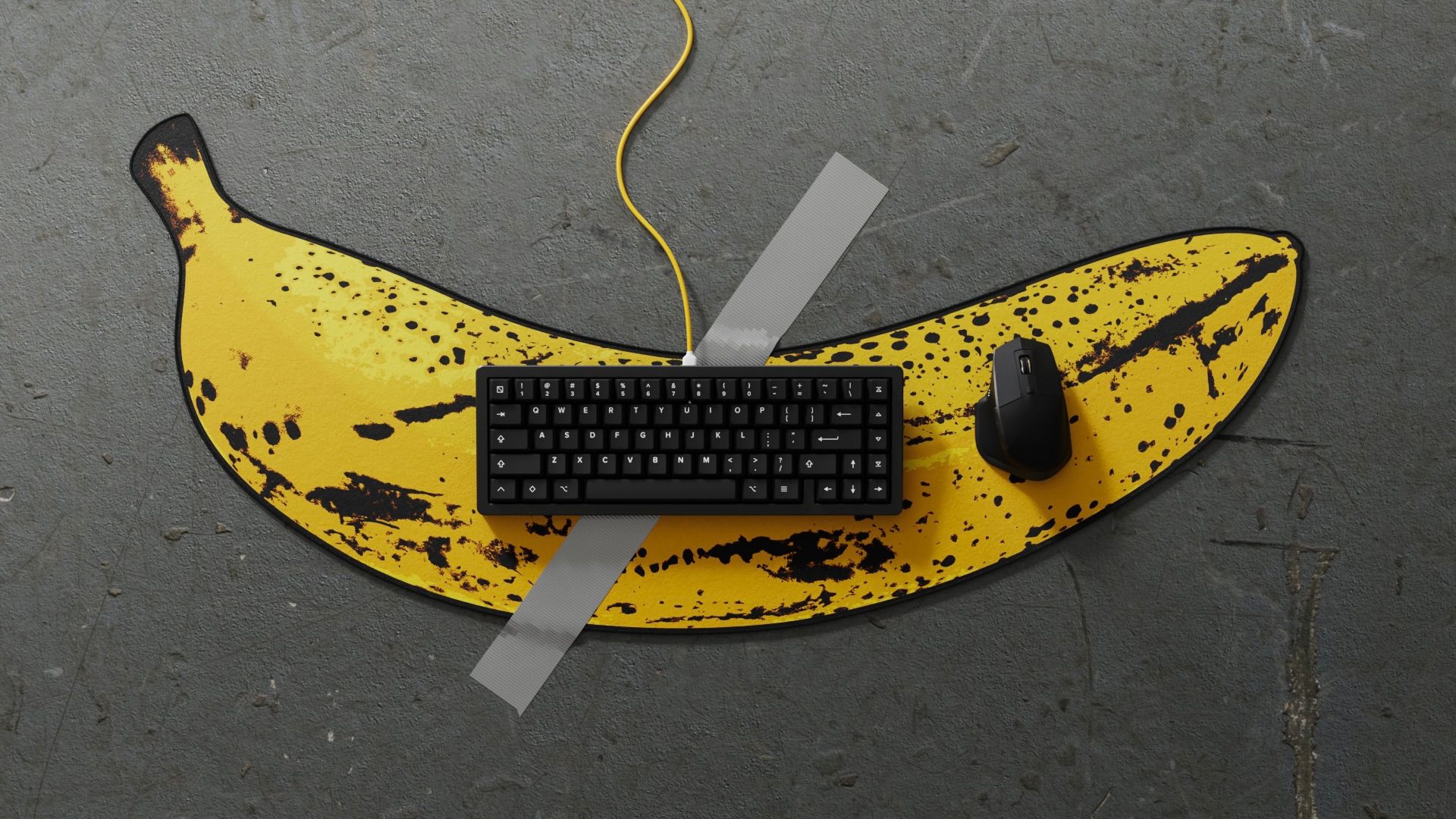
The name MVKB is actually my nickname, Max Voltar, combined with keyboards. Max Voltar has been my alias for more than two decades now. It originated when I needed a cool username for Twitter and I happened to like the band The Mars Volta. During the lockdown, I picked up the hobby of building custom mechanical keyboards. Being a designer, I quickly moved from assembling components to designing my own and even getting them produced. However, the audience for this project was quite different from my typical software and design community on Twitter. Hence, I needed a different name for this project, and that's how Max Voltar Keyboards was born.
Can you talk more about transitioning from a software design community to the mechanical keyboards audience? Did you have to adjust your approach or online presence?
Interestingly, the transition was quite liberating. I've been involved in product design for a long time and was well-known in that community. But when I began my keyboard projects, I had to start from scratch. I worked hard to establish myself and over time, Max Voltar Keyboards became a known name within the keyboard community. It's funny when people realize that the same person they knew from the software design world is now making keyboards.
Was there anything you wish you had done differently?
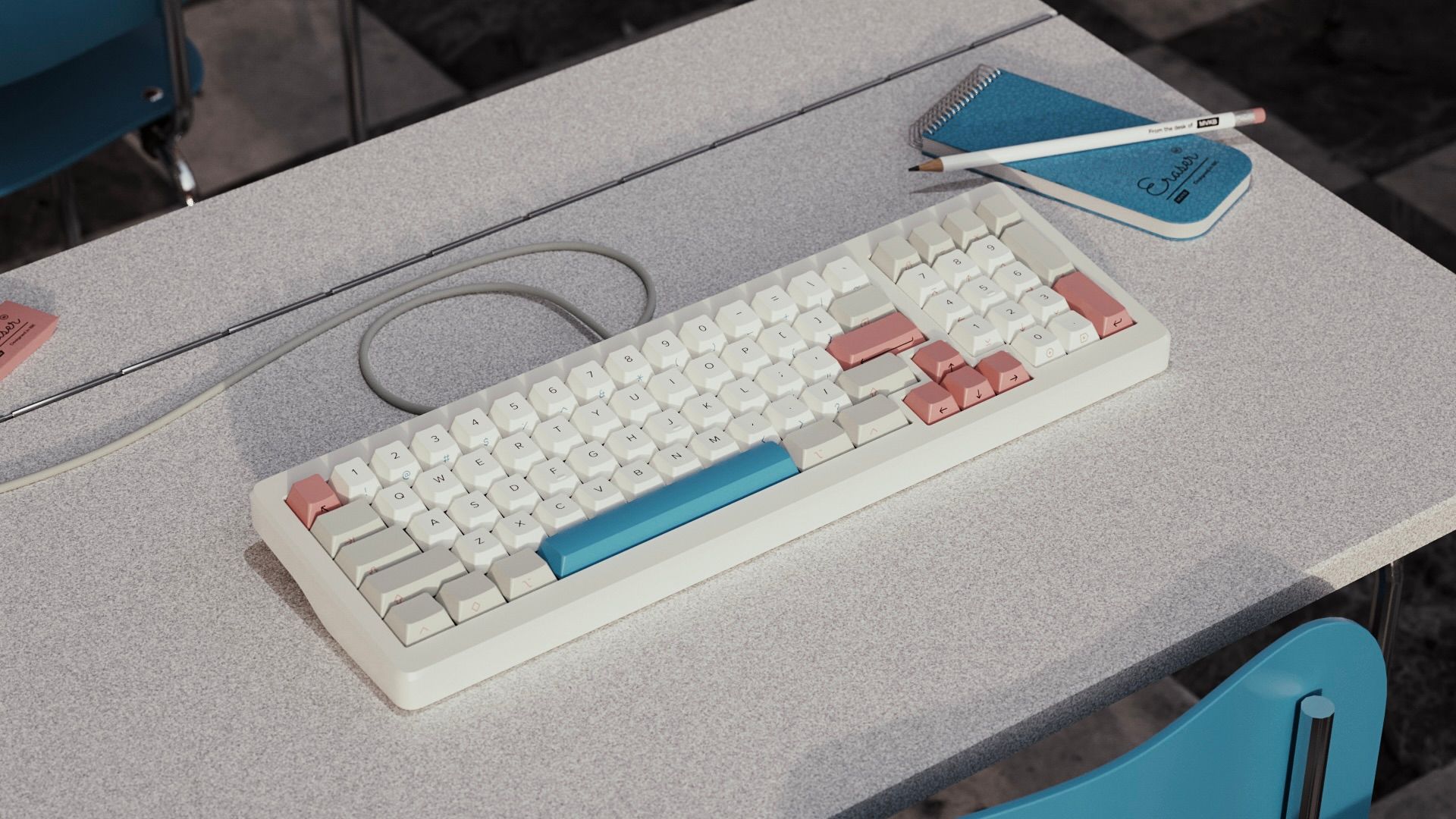
That was a combination of putting all my effort into making sure that the designs I came up with were really good, and having to learn 3D design just so I could render my projects as realistically and attractively as possible.
There was also a lot of socializing involved with existing community members trying to get closer to them, trying to learn from them and also just get exposure through them, that kind of stuff.
And email is just like the most accessible common ground.
Speaking of socializing — talk about your email presence, why you started it and what your goals were.
The mechanical keyboard community is very splintered: Discord, Instagram, definitely some big subreddits, but not as much Twitter or Bluesky or Mastodon.
So I set up the Discord server, set up the Instagram account, was active on Reddit etc, but it felt like I needed to offer another way for people to stay up to date with the projects that I was doing.
And email is pretty much the most accessible common ground. You have an email address, you put it in on my website(I make sure to have a form on every single page). So whether you come in on a homepage or you come in looking for a specific project, there's a super simple form where you can put your email address into, click a button, and then you're signed up basically.
It was about making sure I covered all of the different angles, but it's still splintered; there are still a lot of people who didn't subscribe to the newsletter. So whenever there's news, I have to go over the list of places where I need to share the news. Post here, post there, post yet somewhere else, keep up with comments....
But the cool thing about the emails is I add a note at the end of my newsletter every month saying "Hey! You can reply to this!", and people are pleasantly surprised! "Hey, what? There's a human behind these emails? and I can reply and then they will email back?!
Totally makes sense. Why did you end up choosing Buttondown?
When I realized I needed a newsletter, Mailchimp was the first platform I considered, primarily due to my past experience with startups using it or something similar, such as Campaign Monitor. However, when I opened the Mailchimp UI, it was quite daunting to get started. I had absolutely no idea where to get started.
What I desired was a simple way to capture people's email addresses, send out emails, and allow them to unsubscribe easily if they grew tired of the emails.
So, I asked for recommendations on Twitter for a user-friendly, straightforward mass email platform. Among several suggestions, Buttondown was the most mentioned. This popularity was likely due to the community I was a part of. I was drawn to the signup flow, which was straightforward, asking only for the name of the newsletter, a username, and a password. I thought, 'this is going to be good.'
The simplicity of Buttondown was appealing. While there are some additional features, they are tucked away nicely, allowing me to access them if I want to, without making the interface cluttered. Most importantly, everything I needed was right there in the main UI. I could log in, write a newsletter, check it, send a draft to a friend for review, and then hit send.
For me, Buttondown is simple and gives me insight into what people are most interested in. I use it as a sort of interest check. I tease projects on Twitter or Instagram and add the link to that page. Then I see signups coming in. Depending on the number of signups, I decide which projects to push through to production, as it involves a lot of work.
The reality is revealed when I see what people are actually clicking on and signing up for, versus their stated preferences!
Once you launch or share with some friends, celebrate the small wins. There's never going to be a big 'ta-da' moment when the project is over. Pay attention to and celebrate the positive things along the way.
Is there anything you wish Buttondown did better?
Two things:
- The information architecture could be improved in some places. For example, I have my list of emails, and I have to use a button instead of being the main target to read it or go to edit mode.
- Another feature I would appreciate is an automatic stats email sent a few days after an email goes out. I could log in and look at the stats, but I enjoy automating these things and getting them in my mailbox.
Do you have any other advice for those considering starting their own project of a similar scope and ambition?
Any project you undertake experiences a significant low in the beginning as you're ramping up. There are dozens of new skills to learn and it's easy to get distracted by thoughts like 'Will this ever make me any money?'. It's so important to make sure that you're having fun doing it. For me personally, I have the most fun when I'm learning new things. At the start of a project, there's a lot of learning - keep it fun. The hard work doesn't stop there though.
Once you launch or share progress with some friends, celebrate the small wins. There's never going to be a big 'ta-da' moment when the project is over. Pay attention to and celebrate the positive things along the way. Eventually, you'll reach a point where you have to decide if you want to continue doing it for fun or get serious about it. Obviously I went full "I'm serious about this" mode with my keyboard stuff, but it changes things. It brings a lot of pressure and changes your approach to the project. Make sure it's worth it.
Often, it's better just to keep it as a fun project and stick with it. Have it be a stress-free haven where you can get excited about your side project after maybe a less exciting day job. Treat it as a form of therapy, a way to make yourself happy. That's my big advice.