惯性聚合 高效追踪和阅读你感兴趣的博客、新闻、科技资讯
阅读原文 在惯性聚合中打开

推荐订阅源

博客园 - 司徒正美
T
The Blog of Author Tim Ferriss
F
Fortinet All Blogs
Martin Fowler
Martin Fowler
罗磊的独立博客
The GitHub Blog
The GitHub Blog
L
LangChain Blog
A
About on SuperTechFans
Cyber Security Advisories - MS-ISAC
D
DataBreaches.Net
宝玉的分享
宝玉的分享
U
Unit 42
阮一峰的网络日志
阮一峰的网络日志
Last Week in AI
Last Week in AI
N
Netflix TechBlog - Medium
The Cloudflare Blog
Microsoft Azure Blog
H
Help Net Security
美团技术团队
大猫的无限游戏
大猫的无限游戏
雷峰网
雷峰网
爱范儿
爱范儿
酷 壳 – CoolShell
酷 壳 – CoolShell
MongoDB | Blog
MongoDB | Blog

Rest of World -

Why we should all be worried about AI in elections How one VC burns through hundreds of millions of tokens a day to find the next unicorn Beijing is forcing a mass breakup with AI lovers Arizona wants Taiwan’s investors to think beyond chips The offline messaging apps challenging internet shutdowns Growth without work: The human cost of the AI revolution The global grassroots gatherings trying to humanize the AI boom Why Silicon Valley is divided over China’s powerful, cheap AI models Can we train AI to choose safety over speed? With Moonshot’s free Kimi K3, China changes the sovereign AI playbook Anxious Chinese students are trusting AI to help pick colleges and majors Indian EV makers beat Tesla and BYD on energy efficiency In China, people are renting out their faces to AI Why state-owned AI won’t solve inequality The hidden cost of Myanmar’s rare earth mines Fed up with Big Tech, communities turn to data collectives for control The U.S. wants to contain China’s AI. Silicon Valley keeps using it China’s AI talent race is starting in high school AI is shrinking video game development teams to one Can AI beat a goldfish at calling the World Cup? The problem AI content moderation cannot solve AI powers citizen-led disaster relief from afar for Venezuela The Gulf has billions to spend on AI. It still needs Nvidia India’s crackdown on a new WhatsApp feature risks setting a global precedent Older adults know AI is slop. They just like it Your next nurse may monitor you from the Philippines Data centers should benefit the cities that power them China’s AI boom is creating a different kind of entrepreneur China’s web novel platforms embraced AI. Now they are fighting it India is testing an alternative to Silicon Valley’s AI playbook
What to read: A summer book list
Rest of World · 2026-06-05 · via Rest of World -

Alex Nabaum for Rest of World


  • Nonfiction
  • Artificial Intelligence
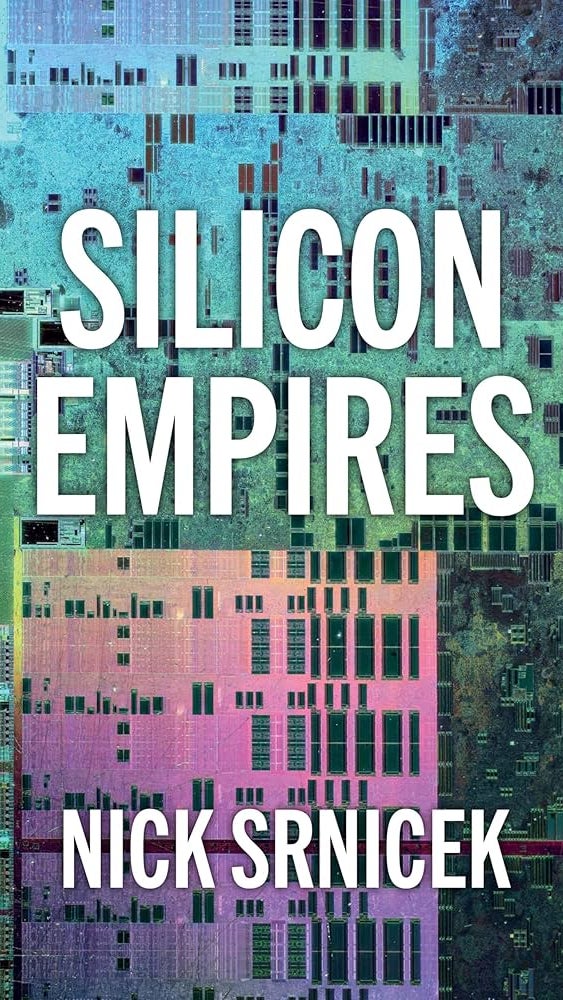
  • Silicon Empires: The Fight for the Future of AI
  • By Nick Srnicek

Abstract digital artwork featuring colorful circuit board designs, with the title "Silicon Empires" by Nick Srnicek prominently displayed.

Nick Srnicek details the geopolitical economy of artificial intelligence, and how a handful of big tech companies, and the U.S. and China, are jostling to control its development. Their actions will lead to an increasingly fragmented global economy, he writes. 

Read an excerpt from the book.

Buy the book.


  • Nonfiction
  • Artificial Intelligence
  • Love Machines: How Artificial Intelligence is Transforming our Relationships 
  • By James Muldoon

Book cover titled "Love Machines" by James Muldoon, exploring how AI is transforming human relationships. Features a pink and black design.

In this book, sociologist James Muldoon explores the impact of AI companions on connection, intimacy, and relationships. For his interviewees, the AI chatbots are friends, partners, therapists, and avatars of the dead.

Read an excerpt from the book.

Buy the book.


  • Nonfiction
  • Social Media
  • The Wall Dancers: Searching for Freedom and Connection on the Chinese Internet 
  • By Yi-Ling Liu

Hands holding smartphones in a vibrant crowd, with text overlay about "The Wall Dancers" and author Yi-Ling Liu.

Journalist and writer Yi-Ling Liu profiles Chinese internet users who navigate restricted platforms, dancing carefully between control and freedom behind the Great Firewall. Their stories are a cautionary tale for others dealing with increasing limits. 

Read an excerpt from the book.

Buy the book.


  • Nonfiction
  • Big Tech
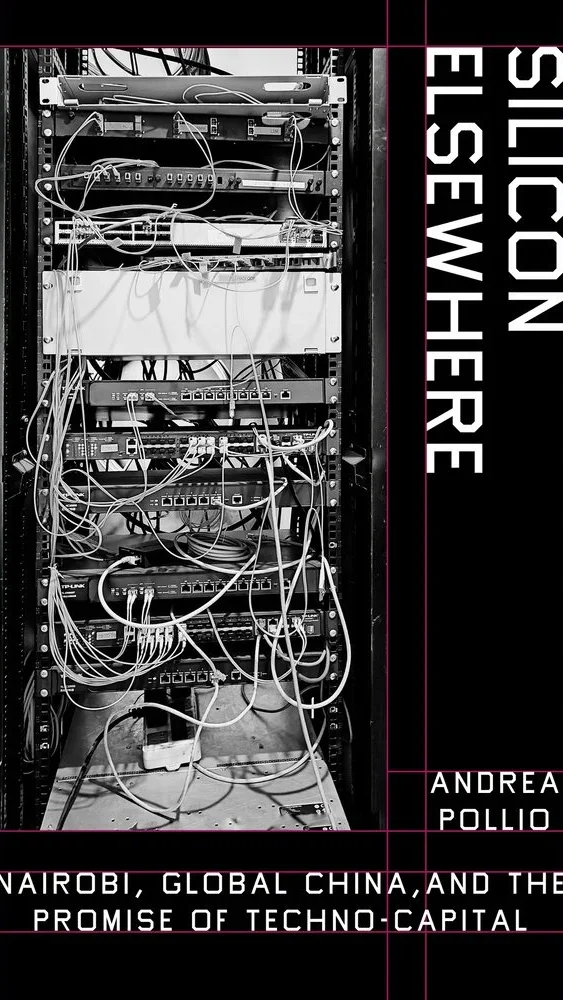
  • Silicon Elsewhere: Nairobi, Global China, and the Promise of Techno-Capital 
  • By Andrea Pollio

A close-up of a tangled network of cables and connections in a server room, with the book title and author prominently displayed.

Drawing on interviews with venture capitalists, entrepreneurs, bureaucrats, and others, Andrea Pollio analyzes how Nairobi, the Silicon Savannah, became a landing pad for Chinese tech companies entering Africa, and how that shaped the city.   

Read an excerpt from the book. 

Buy the book.


  • Nonfiction
  • Big Tech
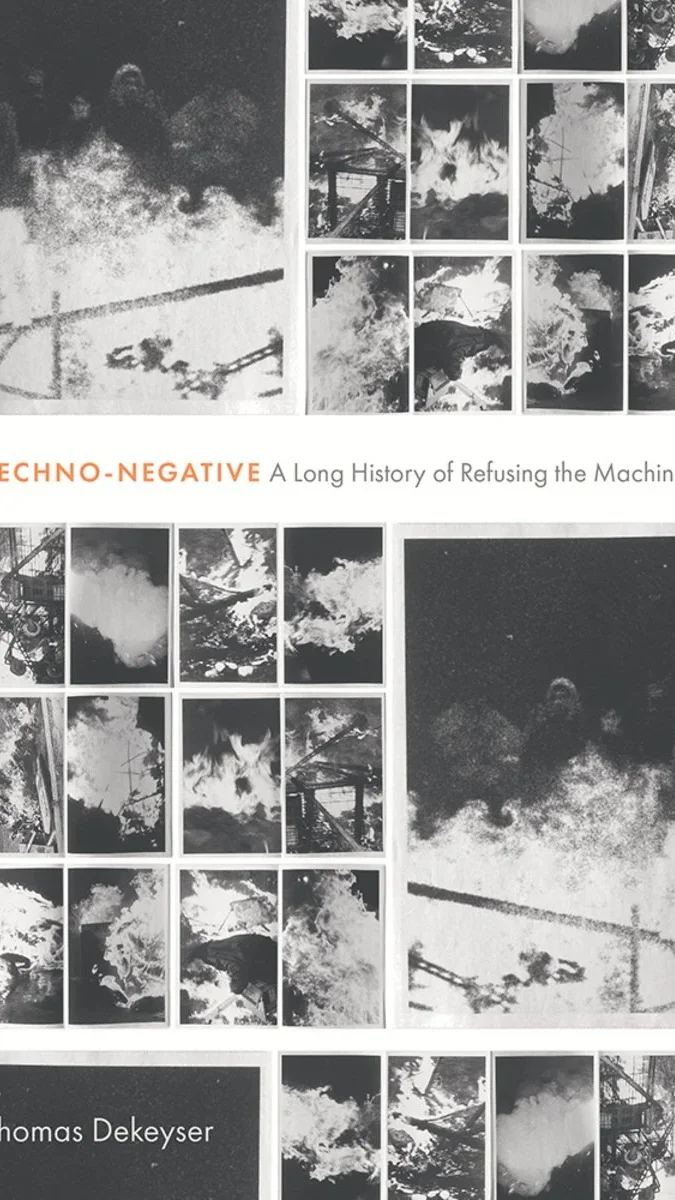
  • Techno-Negative: A Long History of Refusing the Machine 
  • By Thomas Dekeyser

A collage of black-and-white images with abstract patterns, accompanied by the title "TECHNO-NEGATIVE A Long History of Refusing the Machine" by Thomas Dekeyser.

Thomas Dekeyser, a lecturer in human geography at the University of Southampton in the U.K., explores the points at which people rejected new technologies — from medieval monks who banned tools to weavers burning looms in the 17th century. What do these historic revolts say about the current pushback against AI?

Read an interview with Dekeyser.

Buy the book.


  • Nonfiction
  • Big Tech
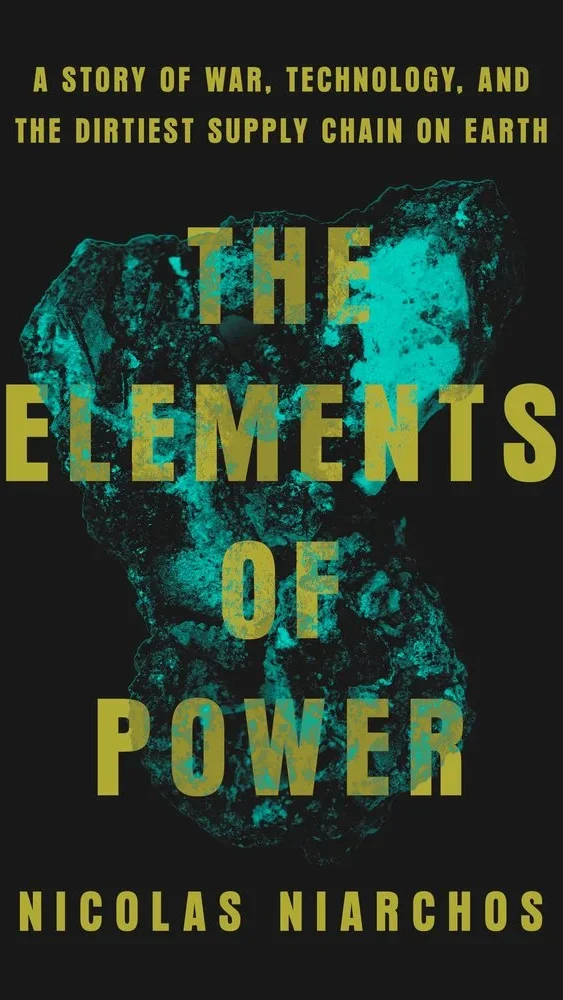
  • The Elements of Power: A Story of War, Technology, and the Dirtiest Supply Chain on Earth
  • By Nicolas Niarchos

Book cover featuring the title "The Elements of Power" in large yellow letters, set against a black background with a turquoise mineral image.

The global supply chain for lithium-ion batteries, which are key to smartphones and electric vehicles, is characterized by appalling conditions for workers, and massive environmental impacts in countries such as Congo, journalist Nicolas Niarchos writes.

Read an excerpt from the book.

Buy the book.


  • Nonfiction
  • History
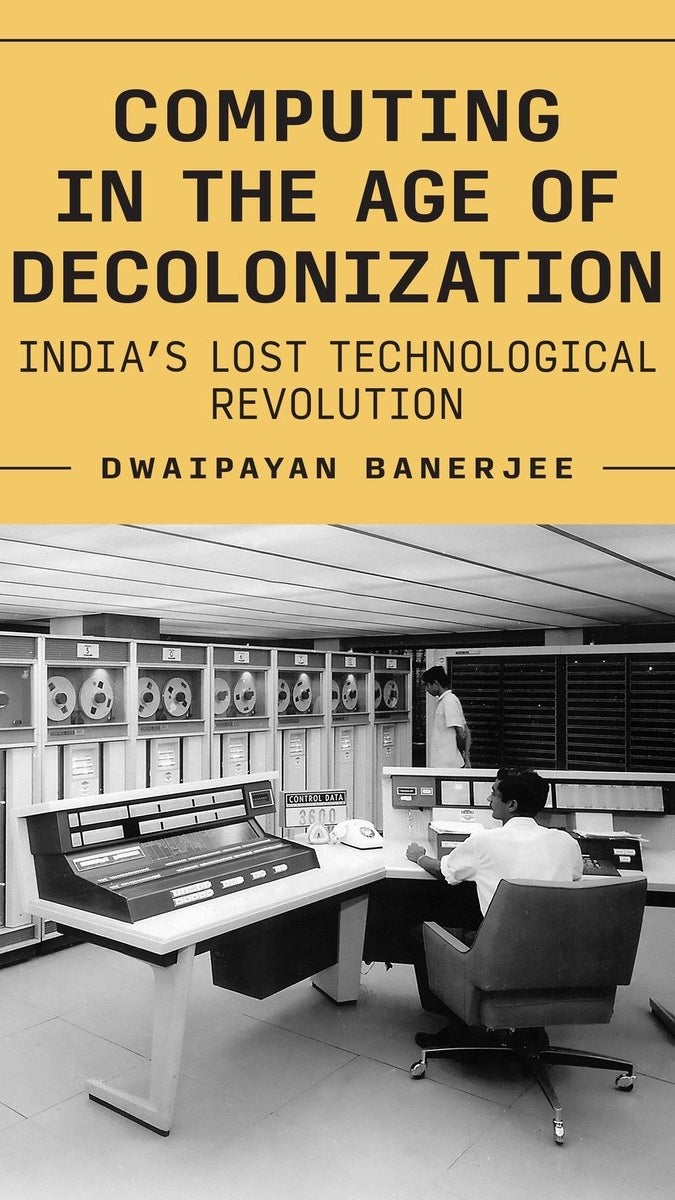
  • Computing in the Age of Decolonization: India’s Lost Technological Revolution 
  • By Dwaipayan Banerjee

Book cover featuring the title "Computing in the Age of Decolonization" by Dwaipayan Banerjee, with a vintage computing setup in the background.

In this book, Dwaipayan Banerjee analyzes India’s failed attempt at building an independent computing industry despite its wealth of talent. That failure has kept the country dependent on big tech firms, and unable to solve fundamental social problems.  

Read an excerpt from the book.

Buy the book.


  • Nonfiction
  • Artificial Intelligence
  • Defending Taiwan: A Strategy to Prevent War With China 
  • By Eyck Freymann

Cover of "Defending Taiwan" featuring a tall building, with sunset lighting and mountainous background. Author: Eyck Freymann.

The China-Taiwan dispute is the “most dangerous geopolitical flashpoint,” Eyck Freymann writes. The world’s dependence on chips from TSMC gives China enormous leverage over the U.S., which has no plan to manage the fallout if China disrupts the flow of chips. 

Read an interview with Freymann. 

Buy the book.