







Last week at Nexthink’s Masters of Experience event in London, one theme came through clearly in every conversation I had with digital workplace leaders, IT practitioners, and experience innovators: how organizations use digital employee experience management (DEXM) solutions is expanding.
AI dominated the agenda – as expected. But the real story wasn’t about the latest models or features. It was about how organizations are struggling to operationalize AI, modernize support, and manage experience at scale – and how DEXM solutions are evolving to fill those gaps. The most mature organizations are no longer using DEXM just to monitor endpoints or troubleshoot issues. They’re using it to improve how work actually gets done. Here are a few key themes that emerged from the event that every IT and digital workplace leader should understand.
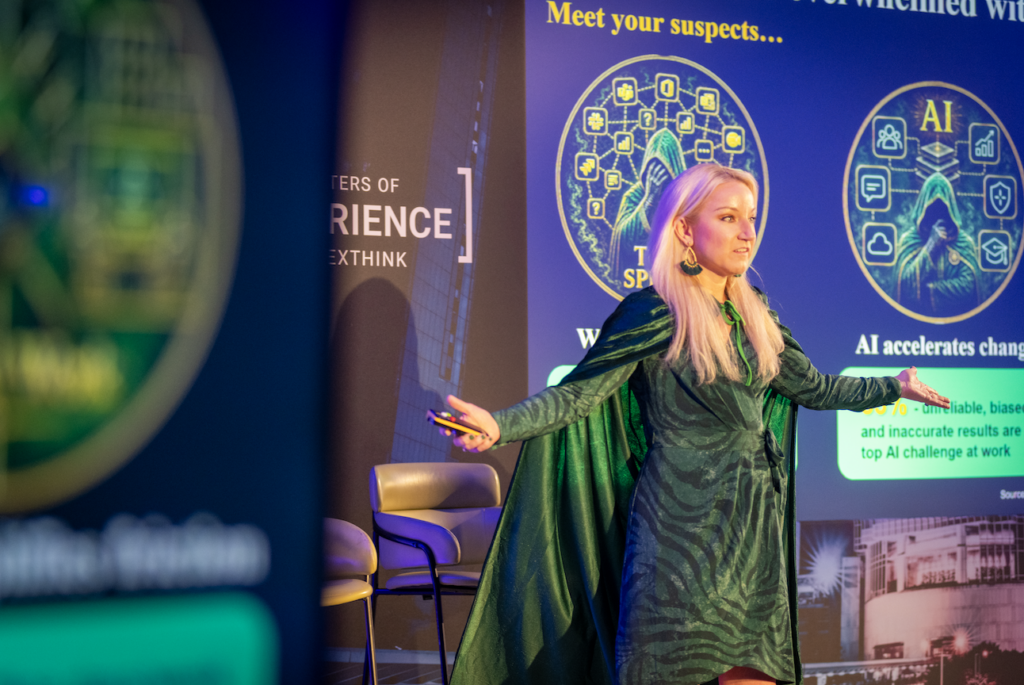
AI conversations have shifted. The question is no longer what AI can do, but how to make it work in your organization.
Across sessions and hallway conversations, leaders consistently raised the same challenges: How do we drive adoption? Govern usage? Measure ROI? Identify high-value use cases? Guide employees toward the right tools?
These questions are becoming more urgent as AI pricing models evolve toward consumption-based economics. Leaders can no longer afford to buy licenses and hope for adoption. They must understand usage, behavior, and value creation in real time.
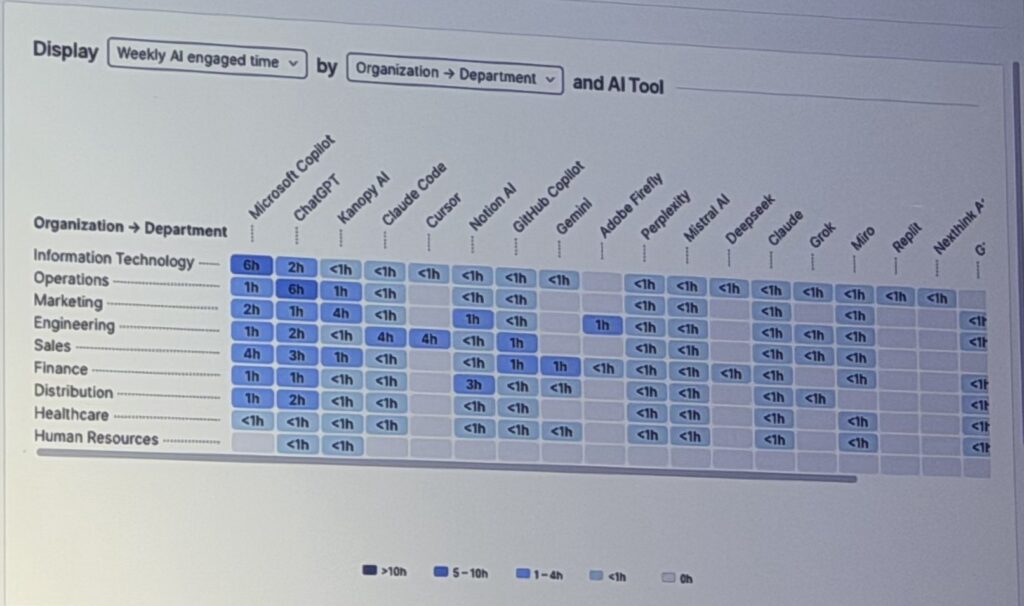
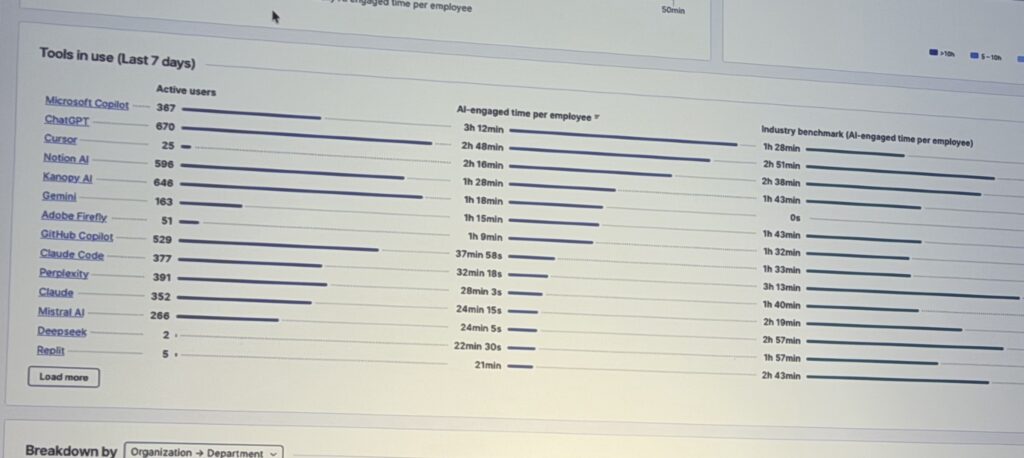
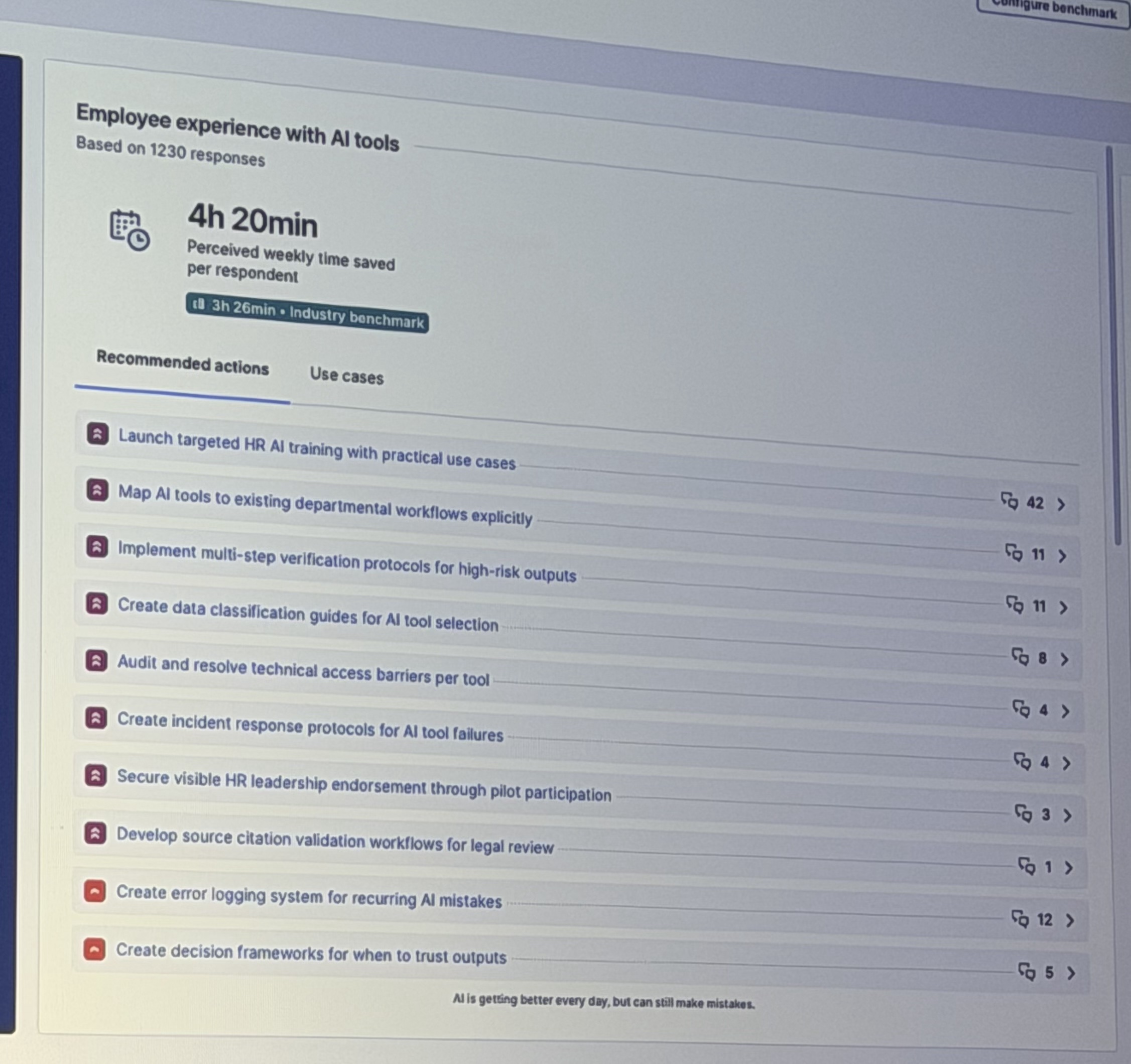
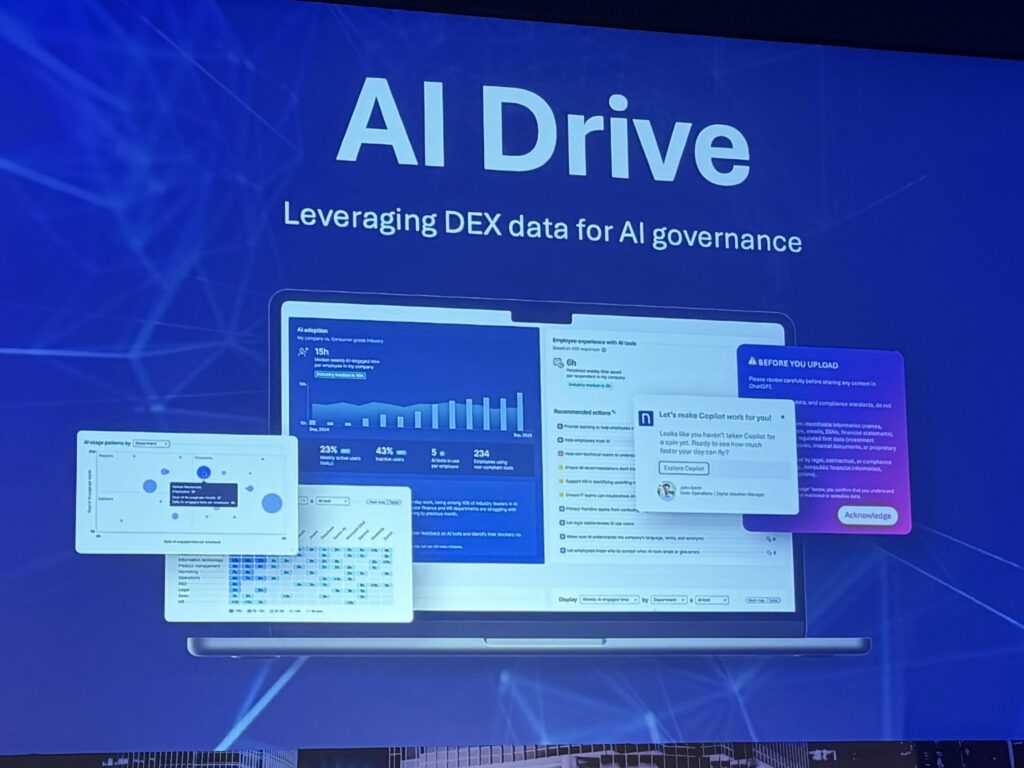
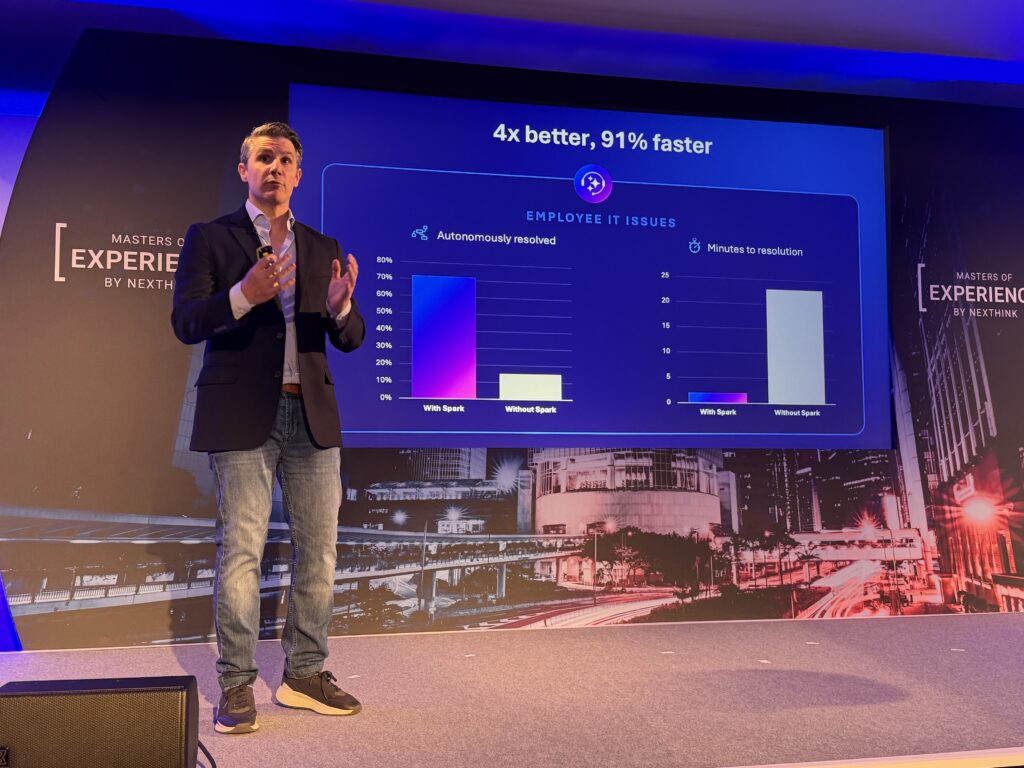
DEXM must evolve accordingly, shifting from monitoring technology experience to understanding and optimizing AI-driven work.
For years, IT leaders have talked about proactive support, automation, and self-healing. The organizations at Masters of Experience showed that many are already moving beyond those goals and redefining what support is.
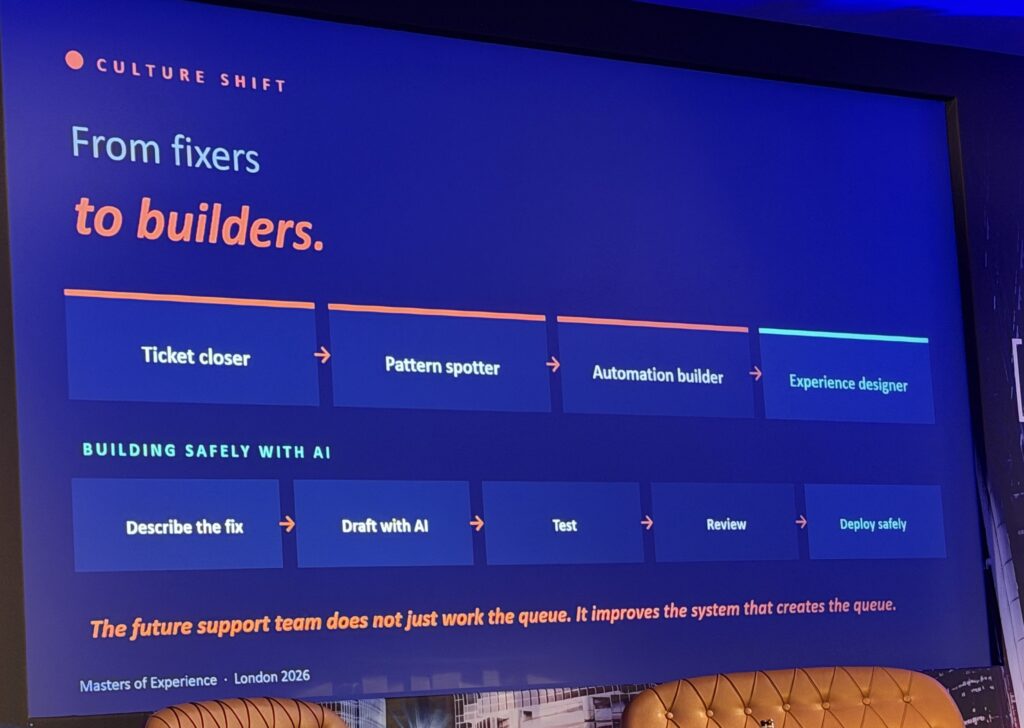
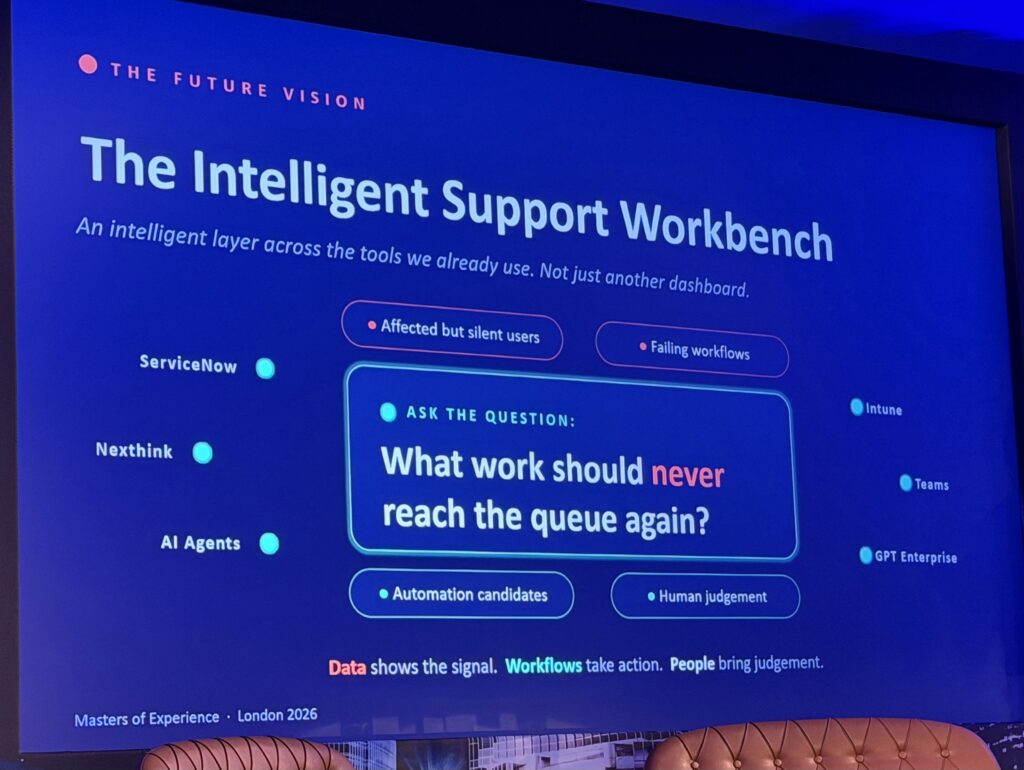
Support teams are now analyzing patterns, building automations, designing self-healing workflows, and creating continuous improvement backlogs using AI-driven insights. This is a fundamentally different vision of support.
The service desk of the future isn’t measured by how quickly it closes tickets. It’s measured by how effectively it prevents disruption and enables uninterrupted work. Forrester’s Service Desk as a Product Team report provides a practical playbook on how to shift to an experience-led service desk. The report highlights that training in empathy and problem-solving, along with access to the right tools, ensures highly effective teams that deliver meaningful DEX outcomes.
The most important shift I observed isn’t technical – it’s organizational. The organizations seeing the greatest value from DEXM solutions are treating it as a shared capability, not an IT tool.
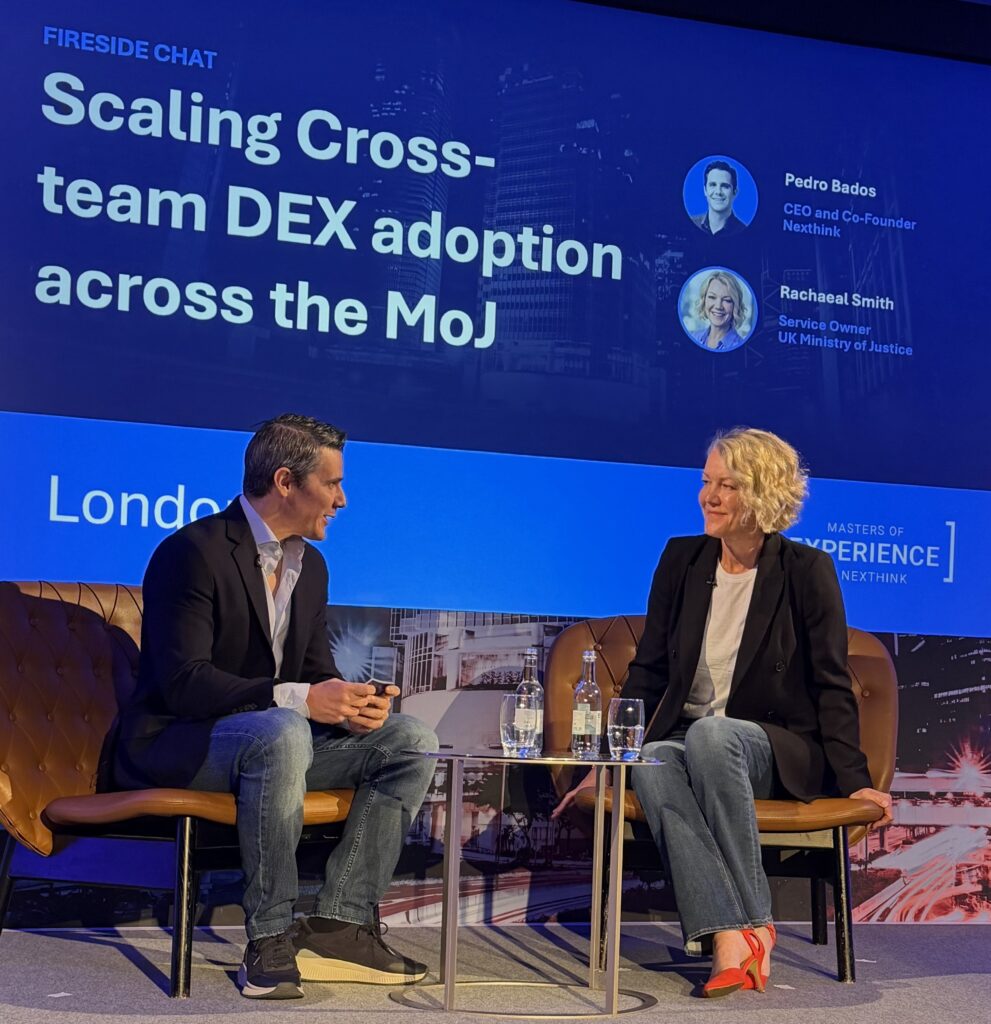
That philosophy reflects a broader trend: DEXM is becoming a foundational capability for managing work – not just technology. This aligns closely with Forrester’s DEXOps model, which emphasizes cross-functional alignment as a prerequisite for continuous improvement at scale.
One of the highlights of the event for me wasn’t on stage – it was the Women in DEX breakfast. DEX is a discipline that few people plan to enter. Practitioners come from UX, IT, HR, service management, engineering, and more. That diversity isn’t accidental – it’s essential.
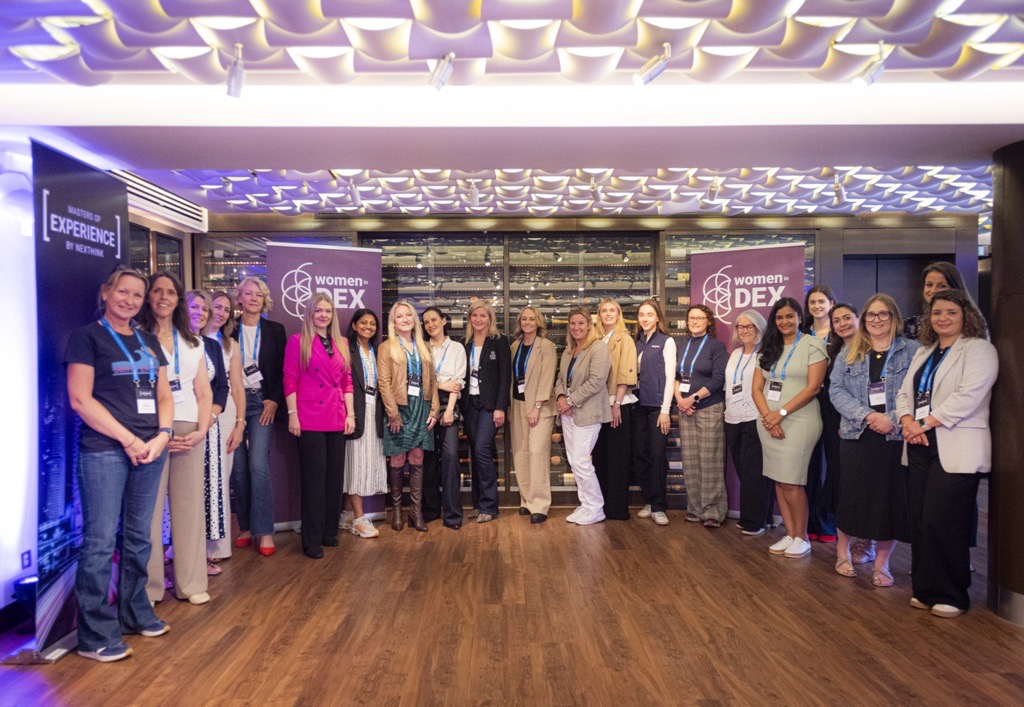
Improving digital employee experience requires understanding people, technology, processes, and culture. The diversity of backgrounds in the DEX community is one of its greatest strengths — and one of the reasons the discipline continues to evolve.
Women in DEX was founded by Laura Reeves, Nexthink’s global senior client director, who recognized the need and has grown the community as a passion project. Learn more about the community and upcoming events by joining the Women in DEX LinkedIn group.
Across customer stories, executive conversations, and real-world examples, the direction is clear: DEXM is expanding.
It is expanding into AI adoption, governance, and ROI. It is expanding into autonomous operations and support transformation. And it is expanding beyond IT into an enterprise-wide capability.
The organizations leading this next phase aren’t asking how DEXM solutions can help them monitor technology. They’re asking how DEXM can help them improve work.
That shift will define the next phase of the market.
What to do next:
If you’re a Forrester client, schedule a guidance session with me to assess your DEX maturity and define a tailored DEXOps approach. If you’re earlier in your journey, start by identifying one cross-functional use case where DEX insights can drive measurable outcomes – and build from there.
此内容由惯性聚合(RSS阅读器)自动聚合整理,仅供阅读参考。 原文来自 — 版权归原作者所有。